Artwork
Frederick V, Elector Palatine, King of Bohemia
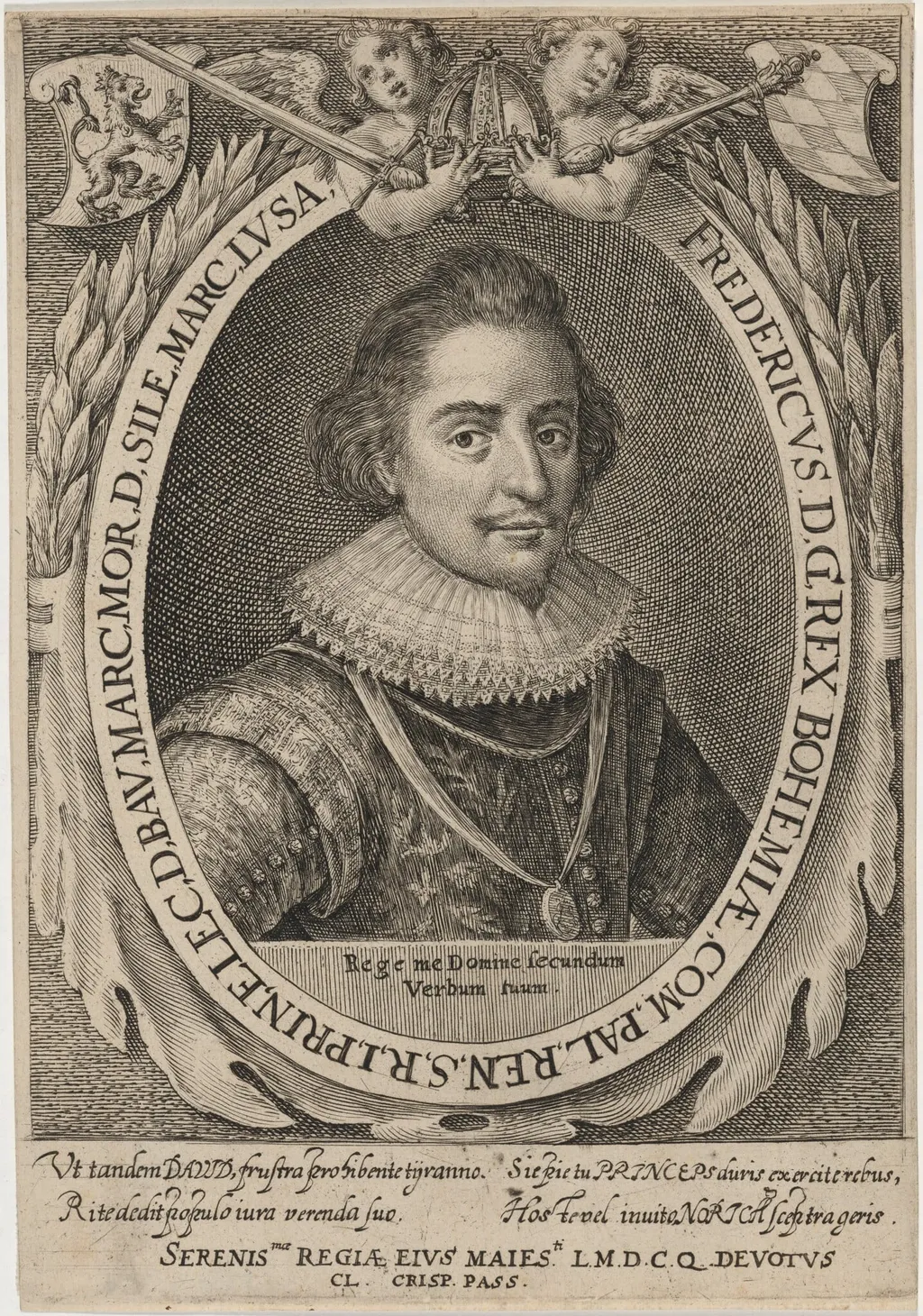
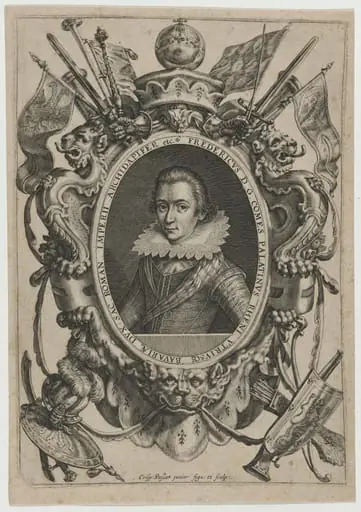
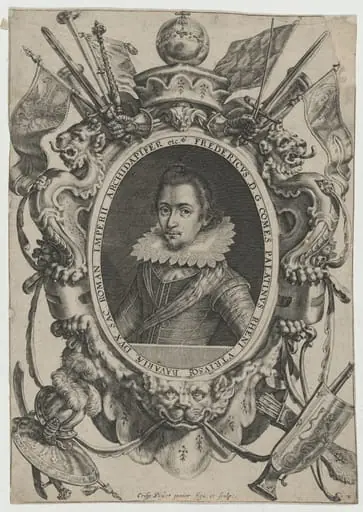
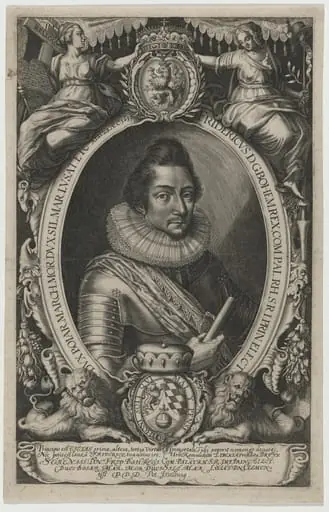
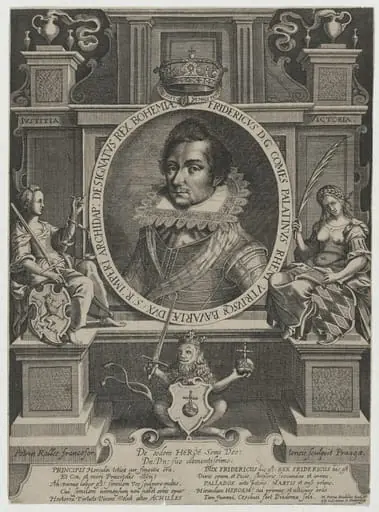
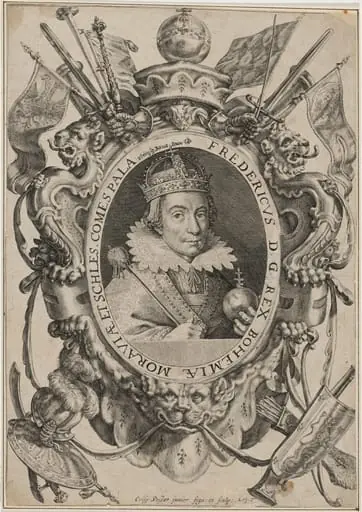
Frederick V, Elector Palatine, King of Bohemia is an ink print by the Renaissance artist Crispijn van de Passe I. It dates from 1601 and is held in the collection of the National Gallery of Art.
About this work
Overview
Executed in fine line work typical of Northern Renaissance printmaking, the portrait serves as a formal representation of noble identity.
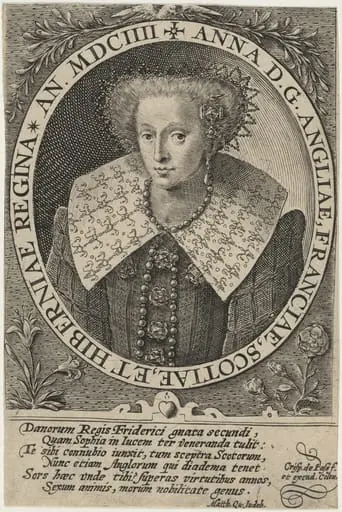
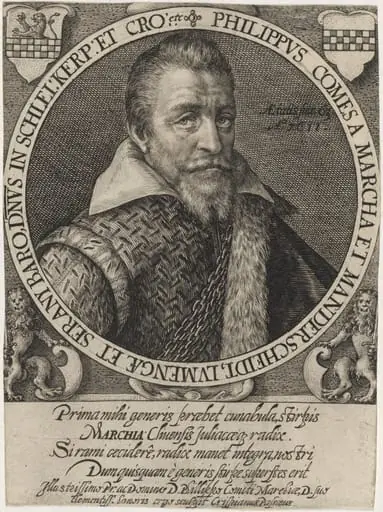
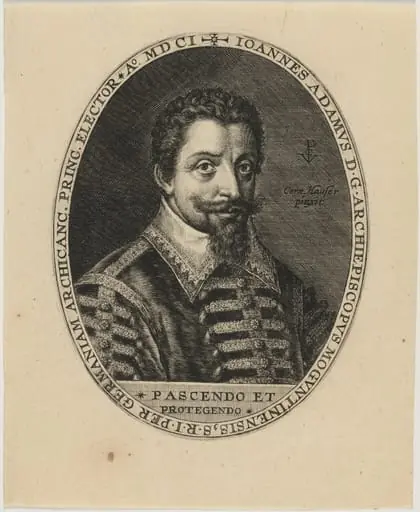
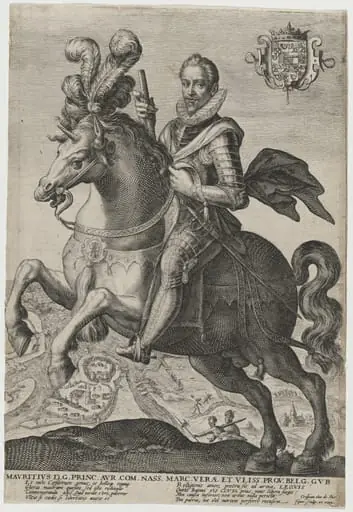
This 1601 engraving by Crispijn van de Passe I depicts Frederick V, Elector Palatine, shortly before his brief reign as King of Bohemia. Executed in fine line work typical of Northern Renaissance printmaking, the portrait serves as a formal representation of noble identity. The medium allowed for wide distribution among European elites, reinforcing political and dynastic imagery through reproducible imagery.
Subject & Meaning
Frederick V is portrayed in elaborate court attire, signaling his status as a German prince and aspirant to the Bohemian crown. His direct gaze and composed expression convey authority and solemnity, aligning with the conventions of dynastic portraiture. The image was likely intended to project legitimacy and gravitas, especially as he prepared to accept the Protestant crown in Prague, a move that would later trigger broader conflict.
Technique & Style
Van de Passe employed fine, controlled lines to render texture in fabric, lace, and facial features, characteristic of engraved portraiture in early 17th-century Europe. Cross-hatching and stippling create subtle gradations of light and shadow, enhancing three-dimensionality without color. The precision reflects the engraver’s skill in translating three-dimensional subjects into intricate black-and-white compositions for print reproduction.
History & Provenance
Created in 1601, the engraving predates Frederick’s ascension to the Bohemian throne in 1619. It was likely produced for circulation among Protestant courts and diplomatic circles. The print survives in multiple institutional collections, indicating its early and sustained use as a tool of political representation. Its production aligns with the van de Passe family’s reputation as prolific engravers of European nobility.
Context
The portrait emerges during a period of rising religious and political tension in the Holy Roman Empire. As a leading Protestant prince, Frederick’s image was strategically circulated to affirm his legitimacy and alliance with other reform-minded rulers. Engravings like this played a key role in shaping public perception before the outbreak of the Thirty Years’ War, serving as visual propaganda in a pre-photographic age.
Legacy
Crispijn van de Passe I’s engraving of Frederick V remains a documented example of how print media influenced political identity in early modern Europe. Though Frederick’s reign in Bohemia lasted only a year, this image endured as a record of his status prior to his downfall. It contributes to the broader understanding of how portraiture functioned as both personal and political artifact in the age of print.
Artist & collection

Artist
Crispijn van de Passe I (1564–1637) was an artist, born in Arnemuiden.