Artwork
Henry IV, King of France
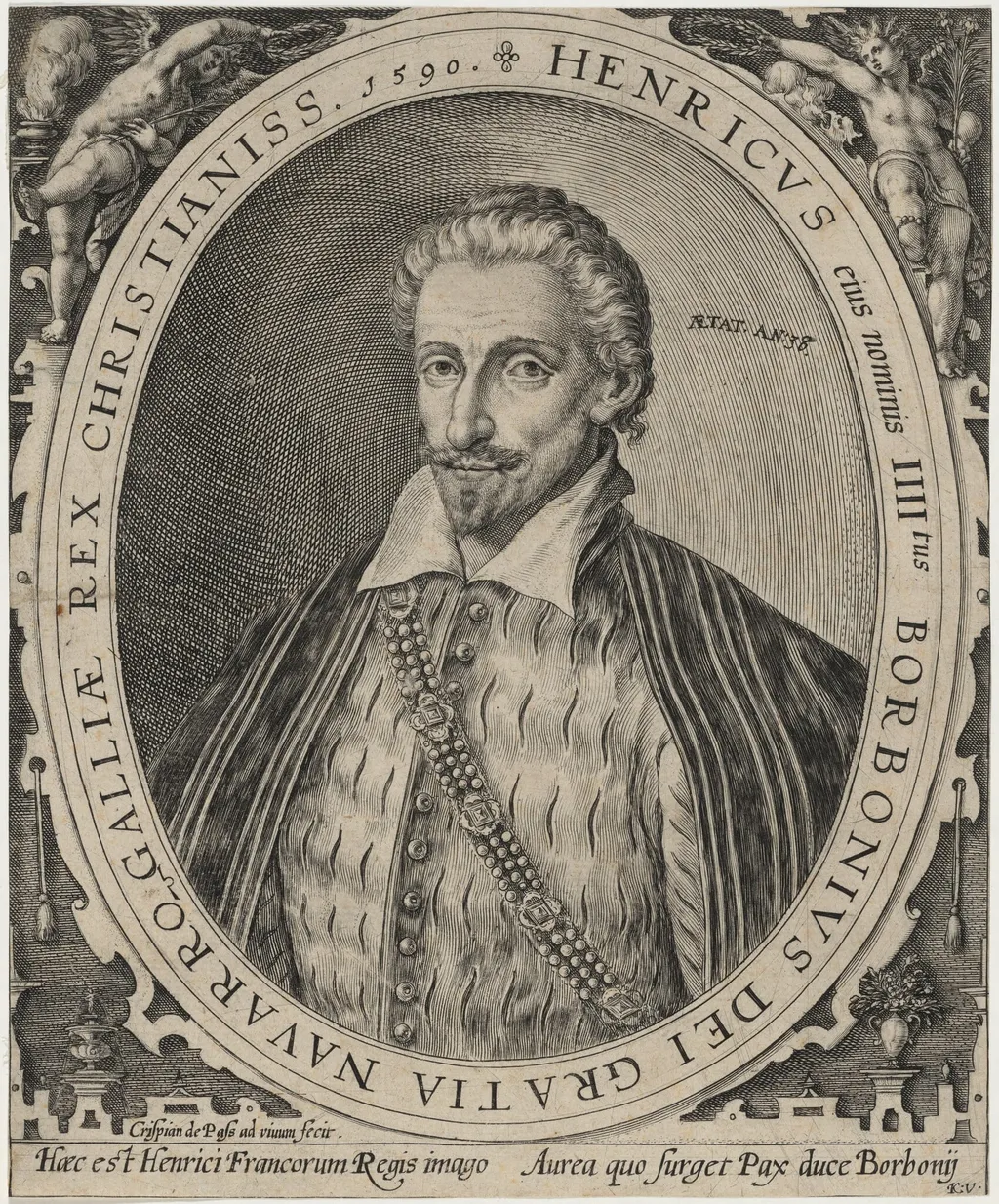
Henry IV, King of France is an ink print by the Renaissance artist Crispijn van de Passe I. It dates from 1590 and is held in the collection of the National Gallery of Art.
About this work
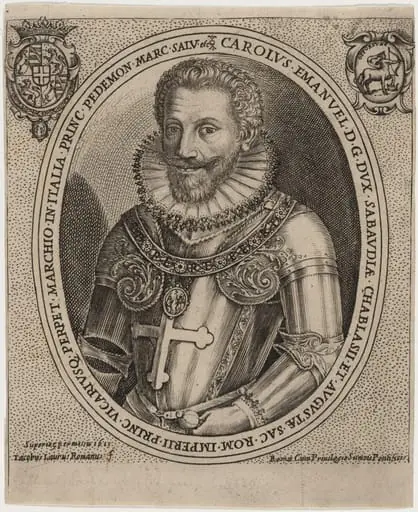
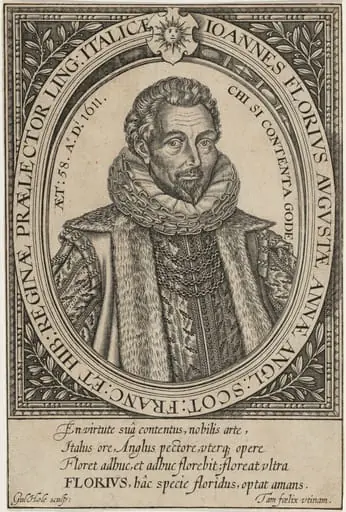
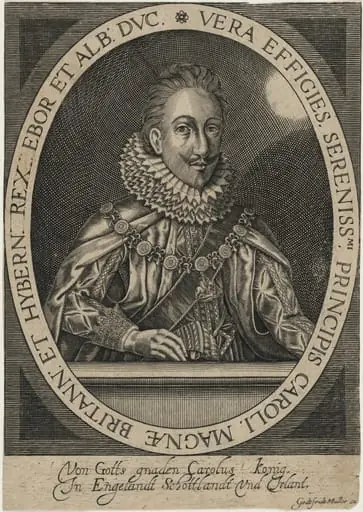
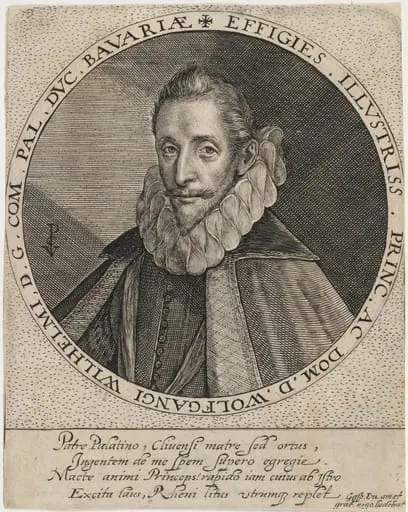
The background has a circle of text in fancy letters, and small drawings of people and buildings peek out at the edges.
This is a black-and-white portrait of a man with a short beard and mustache. He’s wearing a dark, high-collared coat with a chain of round beads across his chest. The background has a circle of text in fancy letters, and small drawings of people and buildings peek out at the edges.
The name "HENRICVS" is written at the top, and the year "1590" is stamped in. The chain he wears might be a symbol of power or wealth.
If you’re curious about how this was made, look up engraving.
Overview
This black-and-white engraving, produced in 1590 by Crispijn van de Passe I, depicts Henry IV of France as a formal portrait. Executed in the intaglio technique, the image presents the king in profile, dressed in a high-collared garment adorned with a beaded chain. Surrounding the figure is a decorative border of text and miniature scenes, typical of early modern printed portraiture. The inscription 'HENRICVS' and the date anchor the work in its historical moment.
Subject & Meaning
Henry IV is portrayed with restrained authority, his short beard and mustache conveying a sense of personal identity rather than idealized royalty. The chain of round beads likely signifies his membership in a chivalric order or his status as a sovereign. The inclusion of architectural and figural vignettes around the border may reference his reign’s achievements or territorial claims, embedding political messaging within the frame of a personal likeness.
Technique & Style
The portrait was made using engraving, a method involving incised lines on a metal plate inked and pressed onto paper. Fine, controlled lines define facial features and fabric textures, while the border’s intricate details—text and small scenes—are rendered with precision. The monochrome palette emphasizes line and form over color, aligning with Northern European print traditions of the late 16th century that valued clarity and detail.
History & Provenance
Created in 1590, during Henry IV’s rise to the French throne, the print likely served to circulate his image among European elites before his official coronation. Crispijn van de Passe I, a Dutch engraver active in the Netherlands and Germany, produced numerous royal portraits for political and diplomatic audiences. The work’s survival suggests it was collected or distributed as part of a broader propaganda effort.
Context
In 1590, France was still embroiled in religious conflict, and Henry IV, a Protestant turned Catholic monarch, sought legitimacy through visual representation. Printed portraits like this one were vital tools for shaping public perception in an era before mass media. Van de Passe’s work reflects the international network of printmakers who supplied imagery to courts, reinforcing the king’s presence across borders through reproducible images.
Legacy
This engraving contributes to a broader corpus of early modern royal portraiture that helped standardize the visual language of monarchy. While not widely exhibited today, it remains an example of how print technology enabled the dissemination of political imagery. Its survival in institutional collections underscores its role as a historical document, preserving the aesthetics and intent of late Renaissance state representation.
Artist & collection

Artist
Crispijn van de Passe I (1564–1637) was an artist, born in Arnemuiden.