Artwork
Diego Sarmiento de Acuna, Count of Gondomar
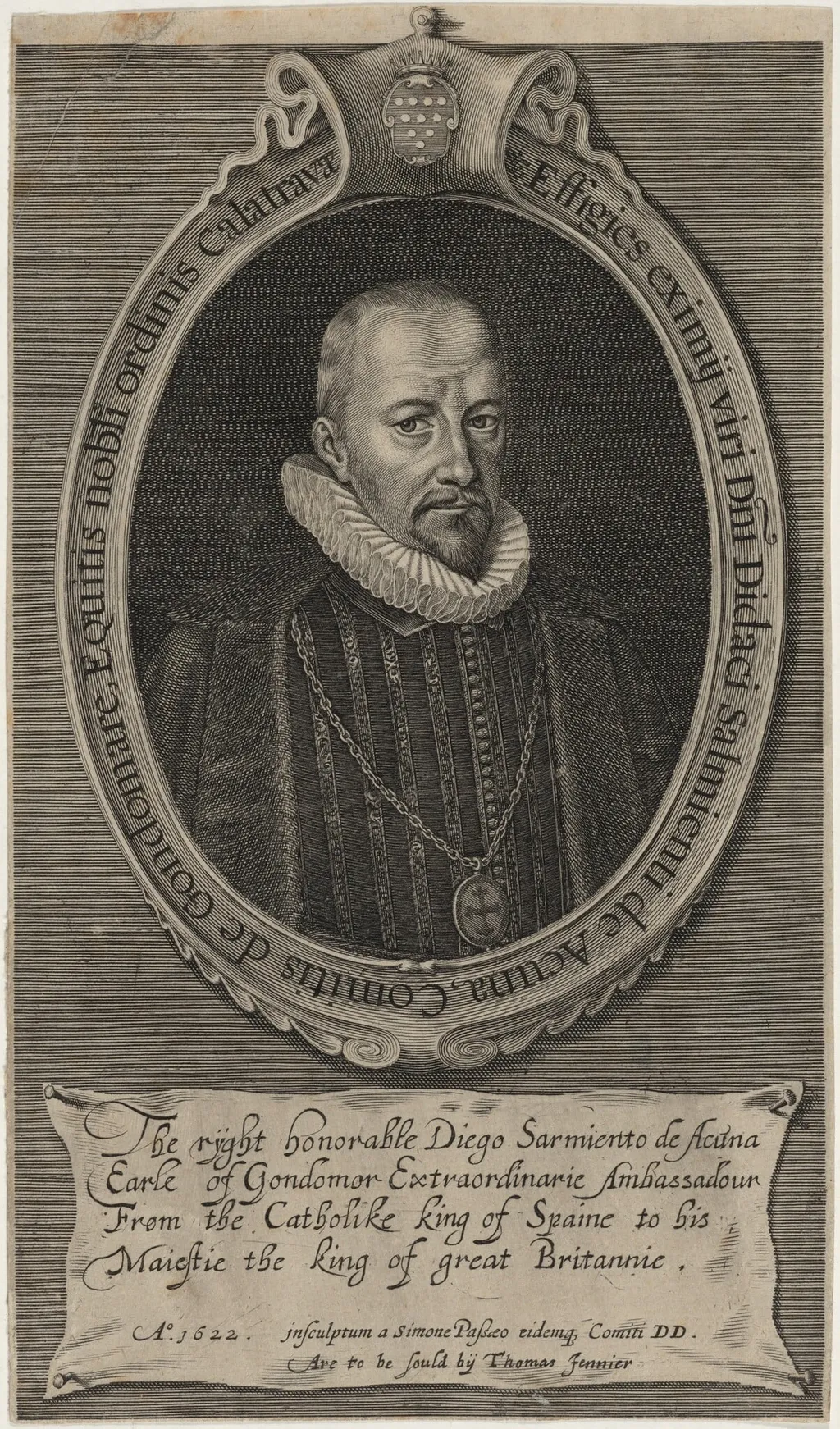
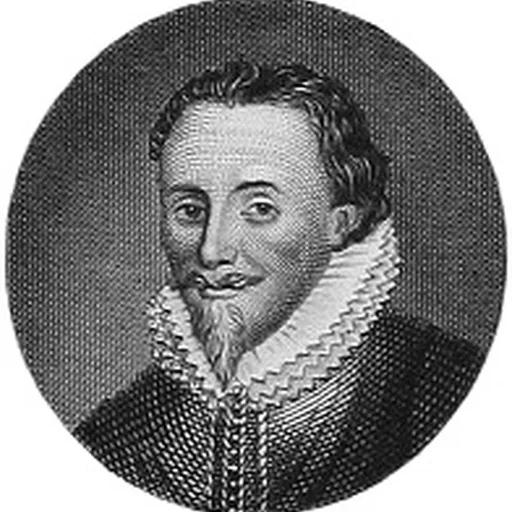
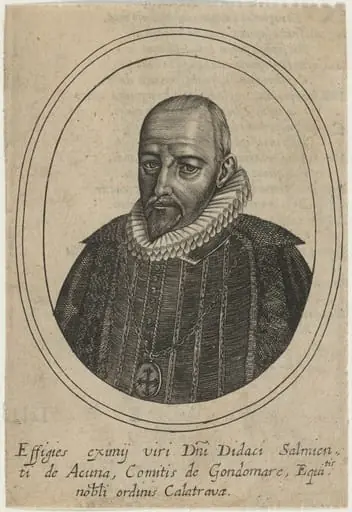
Diego Sarmiento de Acuna, Count of Gondomar is an ink print by the Renaissance artist Simon van de Passe. It dates from 1621 and is held in the collection of the National Gallery of Art.
About this work
Overview
This 1621 engraving by Simon van de Passe depicts Diego Sarmiento de Acuna, Count of Gondomar, a Spanish diplomat and nobleman. Executed in fine line work on paper, the portrait captures the subject in formal attire against a muted background. The medium emphasizes precision and tonal gradation, typical of early 17th-century Northern European printmaking traditions.
Subject & Meaning
The Count of Gondomar was a key Spanish envoy to the English court during a tense period of diplomatic negotiation.
The Count of Gondomar was a key Spanish envoy to the English court during a tense period of diplomatic negotiation. His stern expression and regal bearing reflect his status and political role. The chain and medallion signify his membership in a chivalric order, reinforcing his aristocratic identity. The portrait serves as a visual assertion of authority and social rank rather than a personal likeness.
Technique & Style
Van de Passe employed fine cross-hatching and delicate line work to model the contours of the face and fabric, creating a sense of volume and texture. The dark robe and high collar contrast sharply with the pale skin, drawing attention to the subject’s expression. The background remains unadorned, focusing the viewer’s attention entirely on the figure, a hallmark of portraiture in the Northern Renaissance print tradition.
History & Provenance
The engraving was produced during Gondomar’s tenure in London, likely for distribution among European elites as a diplomatic tool. Van de Passe, part of a renowned family of engravers, was known for producing portraits of prominent figures. The print’s survival in institutional collections suggests it was valued for its accuracy and craftsmanship, possibly used to reinforce Gondomar’s public image abroad.
Context
Created amid strained Anglo-Spanish relations, the portrait functioned as both personal representation and political artifact. Engravings like this circulated among courts and collectors, serving as tools of influence and identity. The style aligns with Flemish and Dutch printmaking practices, which prioritized realism and detail over idealization, reflecting broader trends in early modern visual culture.
Legacy
The engraving remains a documented example of how portraiture was used to project political presence in the absence of photography. Van de Passe’s technique influenced later generations of printmakers, and the image continues to be referenced in studies of early modern diplomacy and visual propaganda. Its preservation underscores the role of prints in shaping historical memory.
Artist & collection