Artwork
William I, Prince of Orange
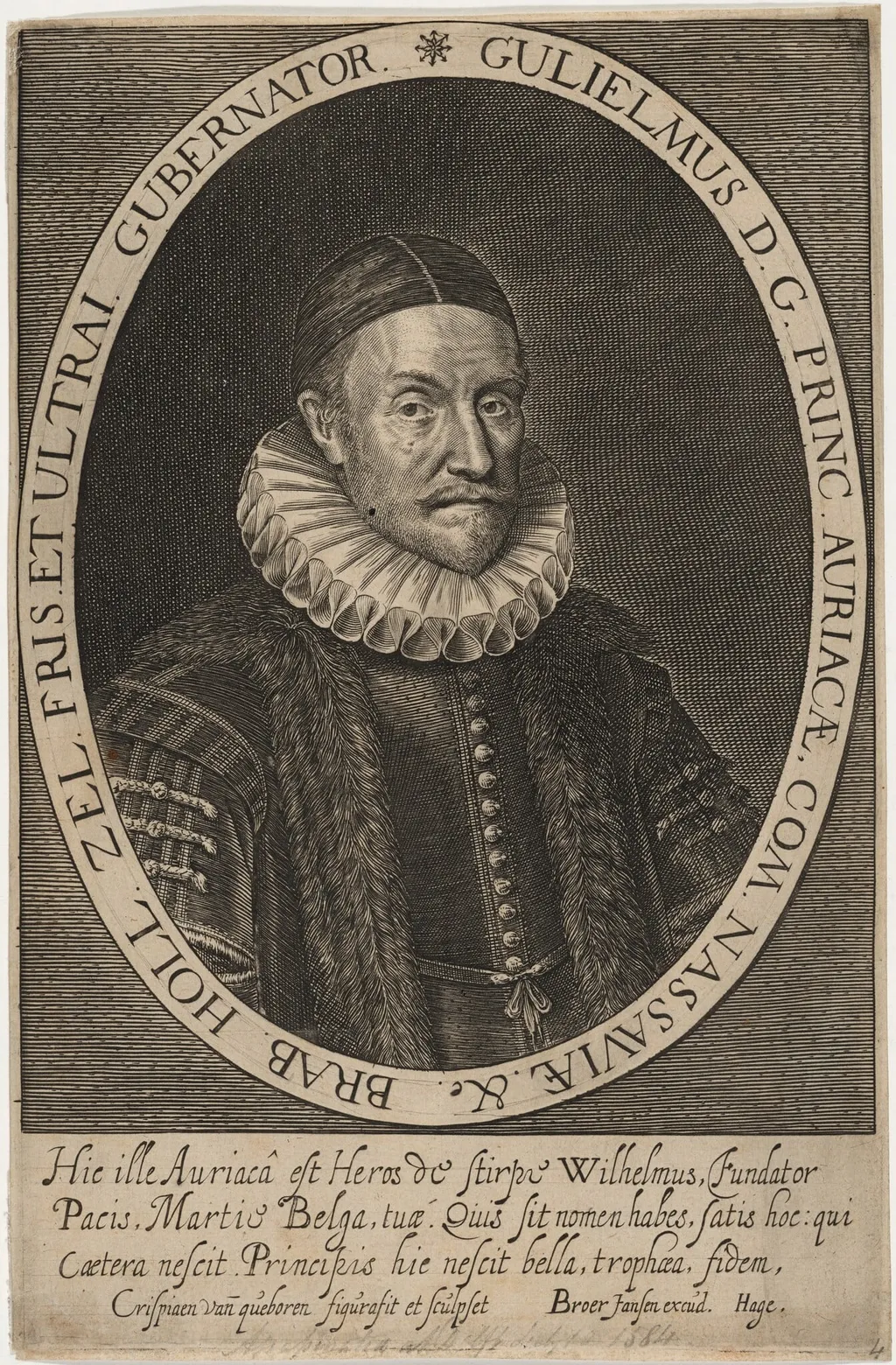
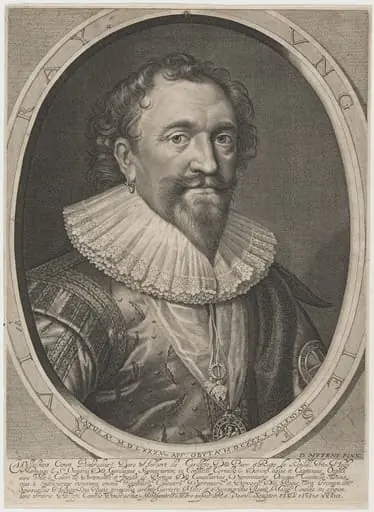
William I, Prince of Orange is an ink print by the Baroque artist Crispyn van den Queboorn. It dates from 1628 and is held in the collection of the National Gallery of Art.
About this work
Overview
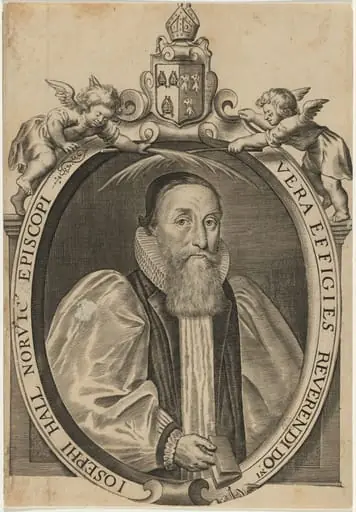
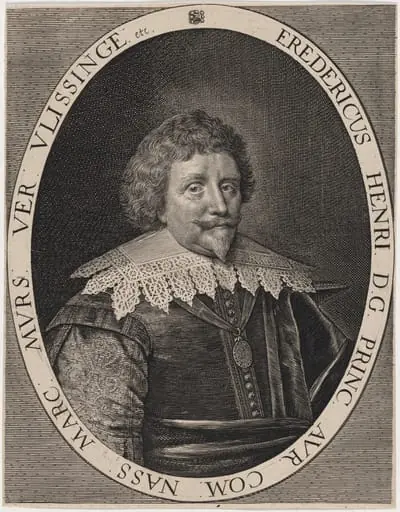
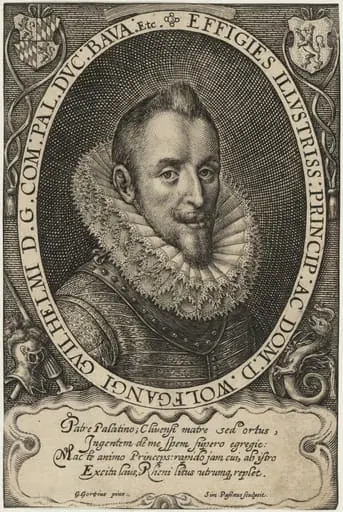
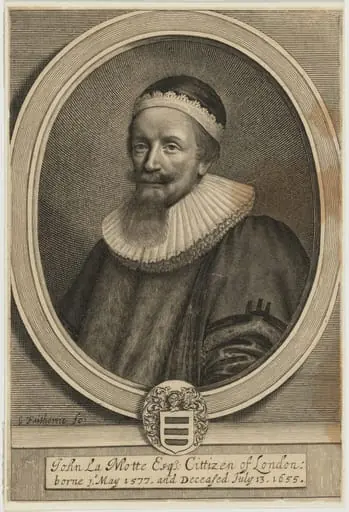
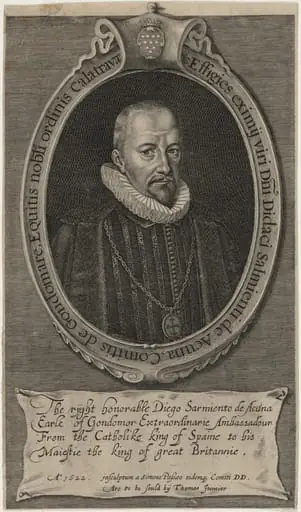
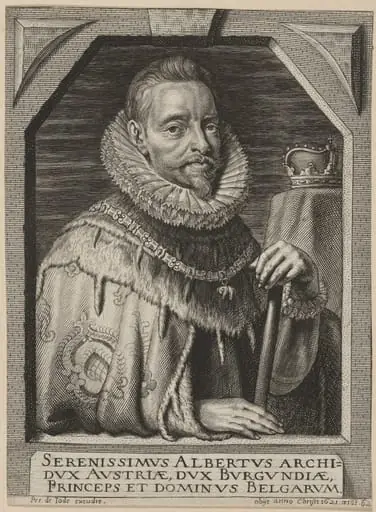
Crispyn van den Queboorn’s 1628 engraving presents William I, Prince of Orange, in a formal portrait. Rendered in black and white, the image shows the prince with a dark beard, ruff collar, and a fur‑trimmed robe, holding a small object in his left hand. The composition is set within an oval frame whose borders are inscribed with Latin text, while the background remains plain.
Subject & Meaning
The work depicts William I, a leading figure of the Dutch Republic, emphasizing his authority through sober attire and a composed expression. The inclusion of a fur‑lined garment and the object he grasps may allude to his status and responsibilities, while the Latin inscription frames the portrait within a scholarly or commemorative context.
Technique & Style
Van den Queboorn employed the traditional engraving process, incising fine lines into a metal plate to achieve delicate shading and texture. The meticulous rendering of fur and fabric demonstrates the 17th‑century emphasis on realism in portraiture, using cross‑hatching to suggest depth and the play of light across surfaces.
History & Provenance
Created in 1628, the print reflects the period’s demand for reproducible images of political leaders. While specific ownership records are scarce, such engravings were commonly distributed among supporters and allies of the House of Orange, serving both as propaganda and as a means of documenting the prince’s likeness.
Context
The portrait belongs to a broader tradition of Dutch printmaking that flourished during the early Stuart era, when portrait engravings functioned as visual affirmations of power. Van den Queboorn’s work aligns with contemporary practices that favored restrained composition and textual framing to convey dignity and learned authority.
Artist & collection