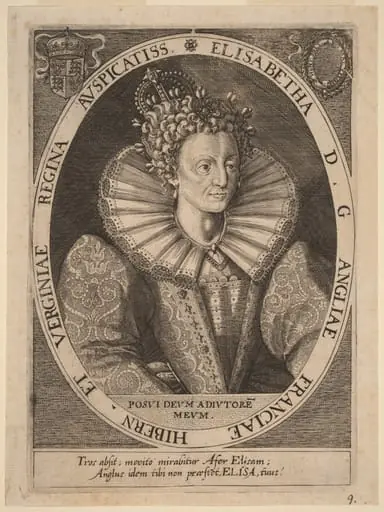
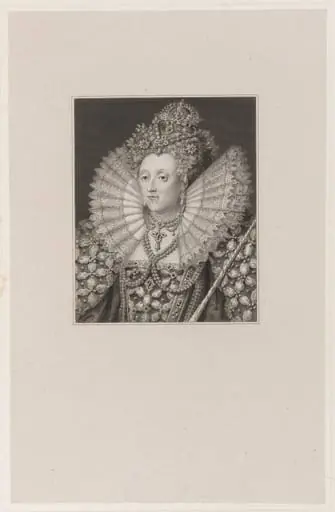
Artwork
Elizabeth, Queen of England
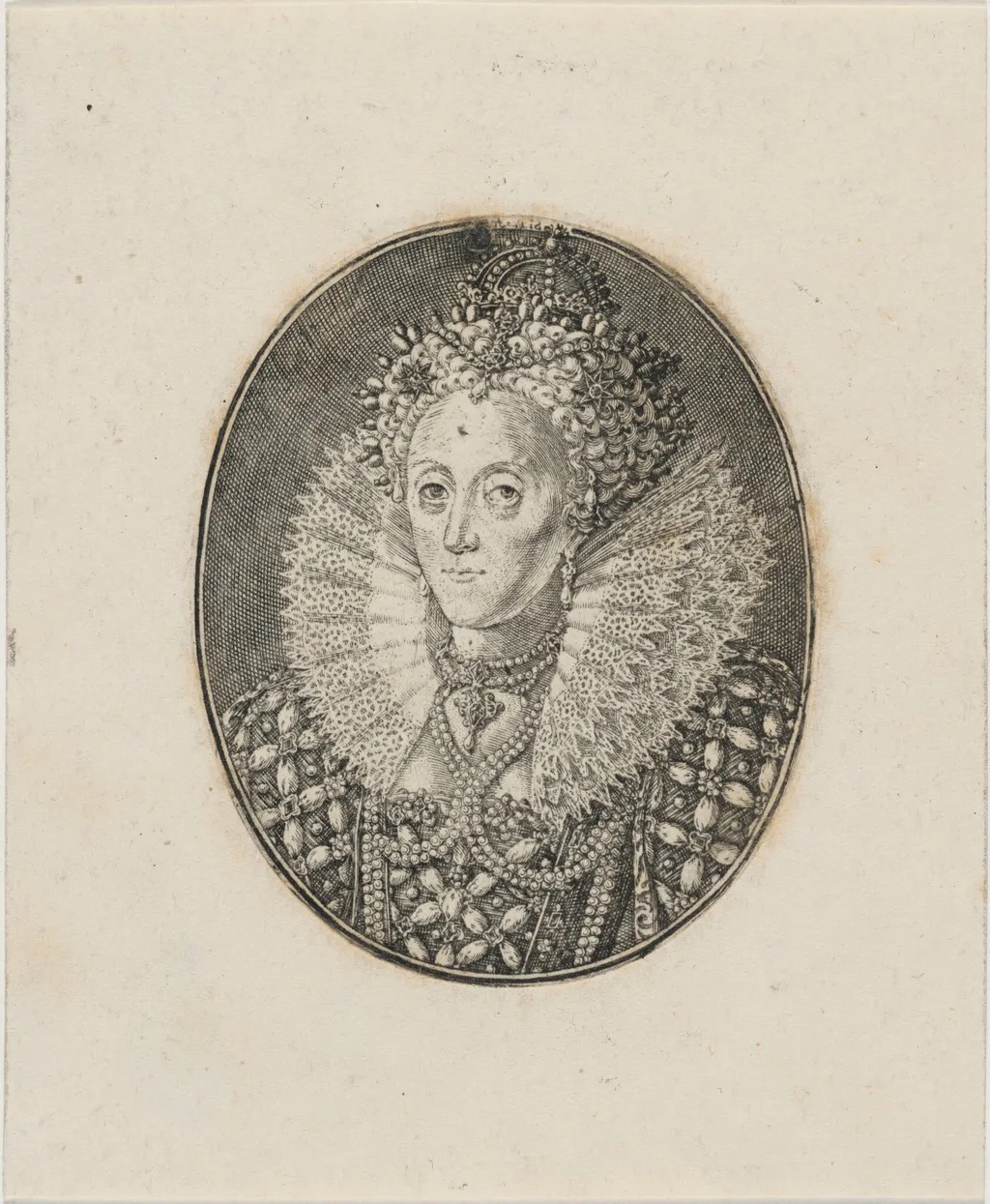
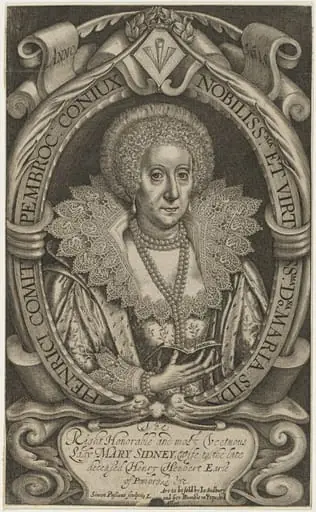
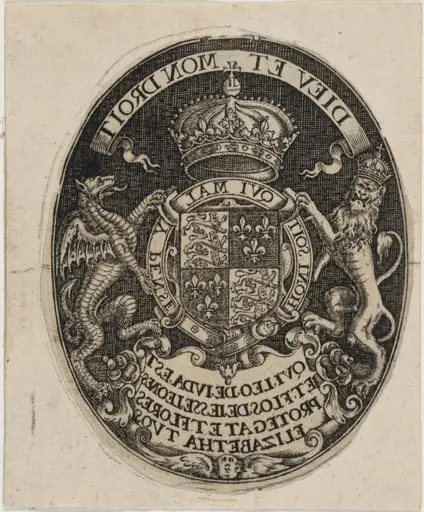
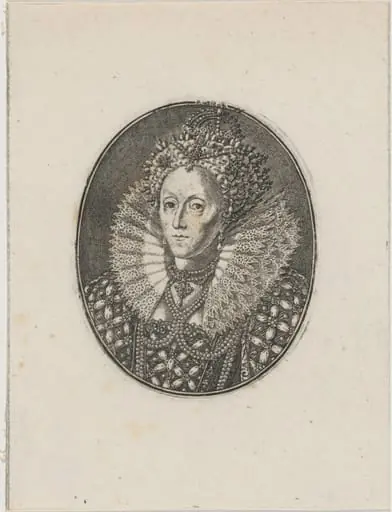
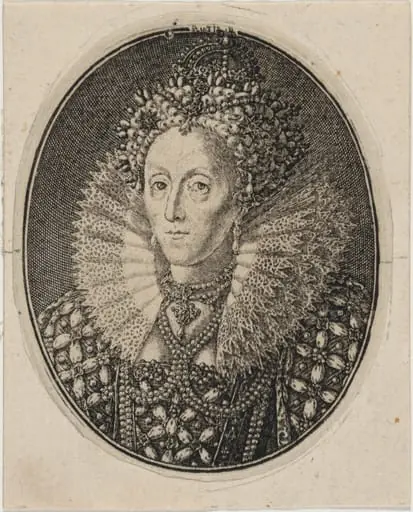
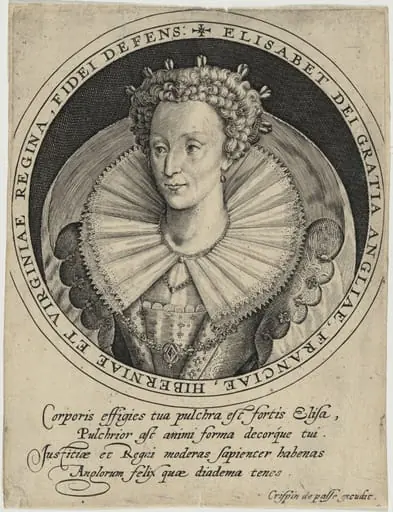
Elizabeth, Queen of England is an ink print by the Renaissance artist Simon van de Passe. It dates from 1621 and is held in the collection of the National Gallery of Art.
About this work
Overview
Unlike a painting, the image was created by incising fine lines into a metal surface, then inked and pressed onto paper.
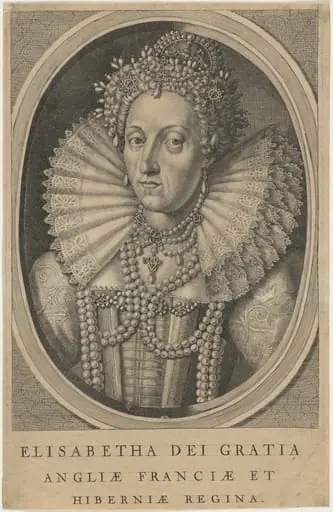
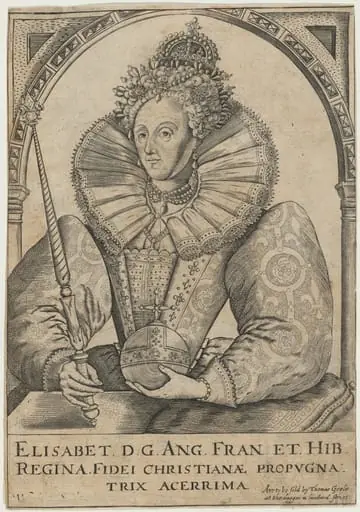
This black-and-white print is an engraving made in 1621 by Simon van de Passe, derived from a silver medal he designed. Unlike a painting, the image was created by incising fine lines into a metal surface, then inked and pressed onto paper. The result is a detailed portrait of Elizabeth, Queen of England, rendered with precision through controlled engraving techniques typical of early 17th-century Northern European printmaking.
Subject & Meaning
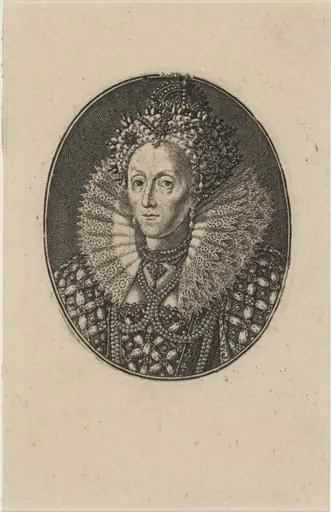
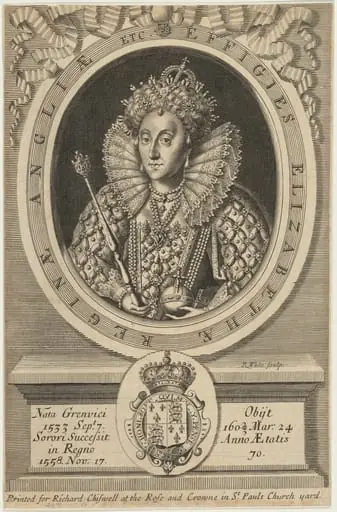
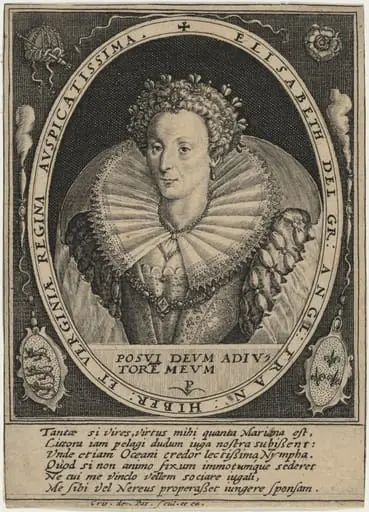
The portrait depicts Elizabeth, Queen of England, in formal regalia, emphasizing her status through a high lace collar, beaded necklace, and a small crown resting atop an elaborate headdress. Curled hair and floral motifs framing her shoulders suggest both natural grace and symbolic abundance. The image functions as a sovereign likeness, intended for dissemination among elites to reinforce her authority and presence beyond the royal court.
Technique & Style
Van de Passe employed fine, precise lines to model form and texture, using cross-hatching for shadow and delicate strokes to render lace, hair, and metalwork. The engraving’s clarity and restraint reflect the Northern European tradition of medallic portraiture, where realism and symbolic detail coexist. The background’s leaf-and-flower pattern, though ornamental, is rendered with the same meticulousness as the figure, unifying composition and decoration.
History & Provenance
Created in 1621, the engraving originated from a silver medal commissioned to commemorate Elizabeth’s role as queen. Such medals were often struck in limited numbers and later reproduced as prints for wider circulation. Van de Passe, a Dutch engraver active in England, was known for translating royal imagery into reproducible formats, making this work part of a broader effort to standardize and distribute the monarch’s visual identity.
Context
In early 17th-century England, printed portraits of royalty served political and ceremonial functions, especially during periods of dynastic uncertainty. Van de Passe’s work aligned with a European trend of using engraved medals and prints to project authority across social classes. The absence of overt religious or military symbols here reflects a shift toward emphasizing dignity and lineage over conquest or piety in royal representation.
Legacy
The engraving exemplifies the role of printmakers in shaping public perception of monarchy during a time when visual propaganda was increasingly accessible. Van de Passe’s technique influenced later portrait engravers in Britain and the Netherlands. Though not widely known today, such works formed the backbone of early modern visual culture, preserving royal likenesses for generations before photography.
Artist & collection