Artwork
Elizabeth, Queen of England
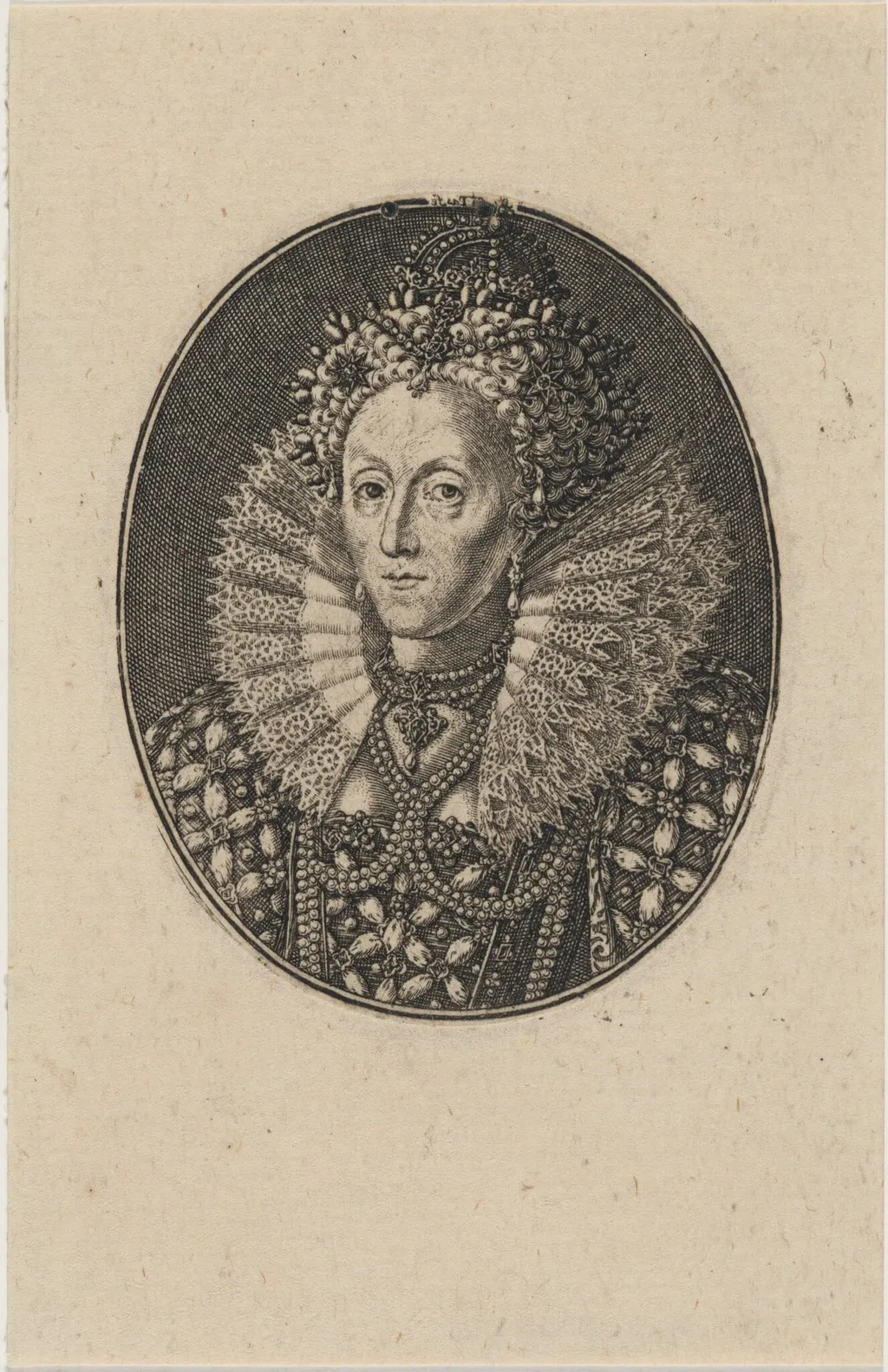
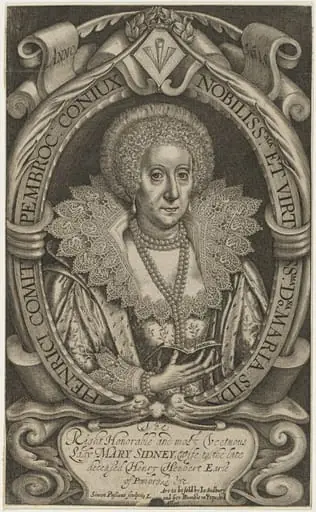
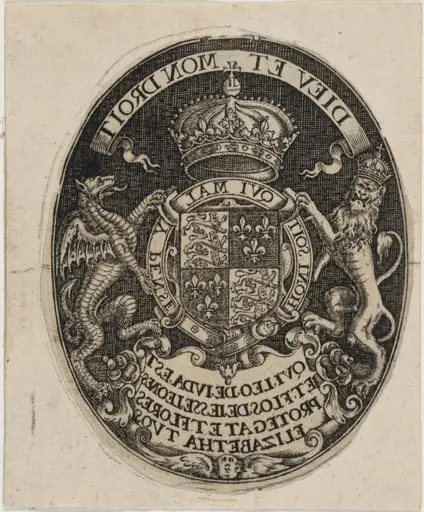
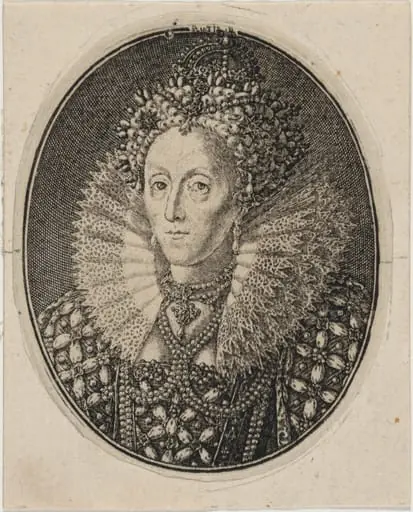
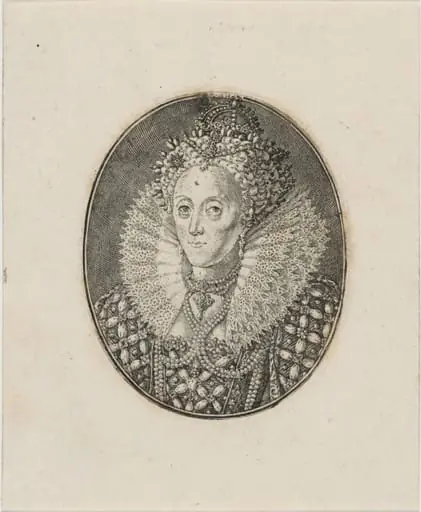
Elizabeth, Queen of England is an ink print by the Renaissance artist Simon van de Passe. It dates from 1621 and is held in the collection of the National Gallery of Art.
About this work
Overview
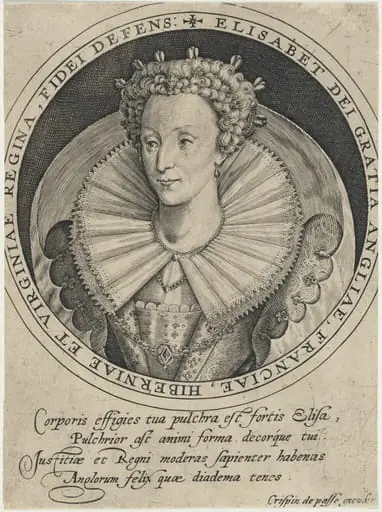
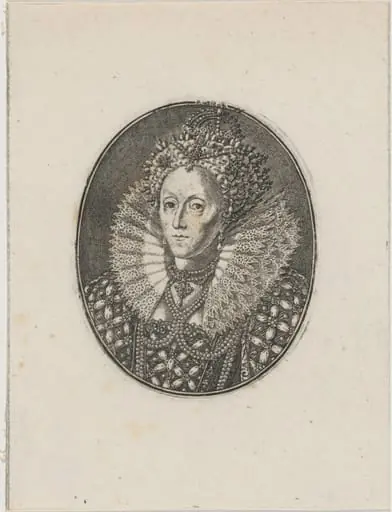
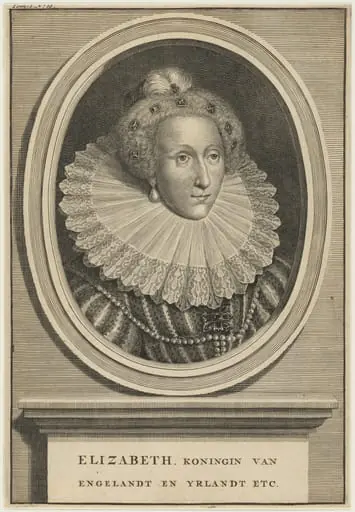
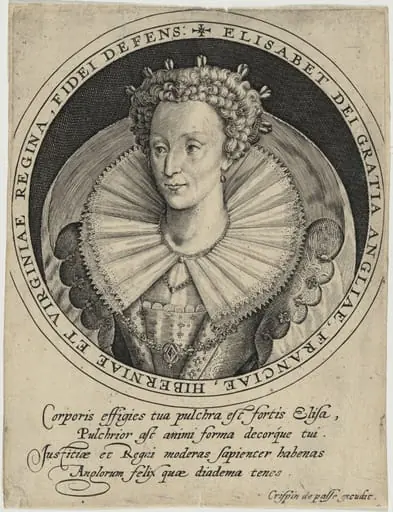
Simon van de Passe’s 1621 engraving presents a portrait of Elizabeth I, derived from an earlier silver medal. Executed in black and white, the image isolates the queen against an unadorned background, directing focus to her facial expression and the intricate detailing of her attire.
Subject & Meaning
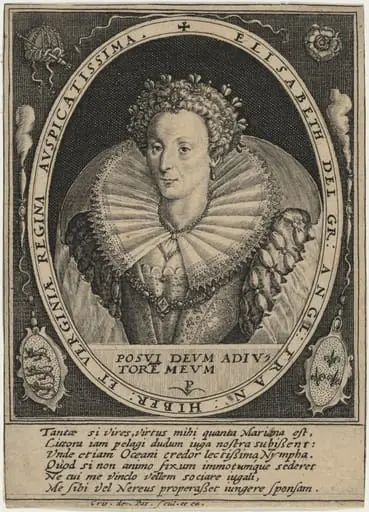
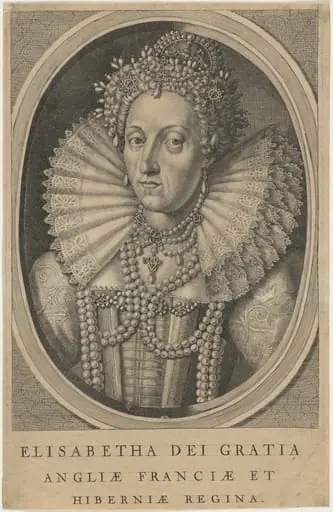
The work depicts the English monarch in regal attire, featuring a high, ruffled collar, an ornate headpiece, and a necklace of large, rounded beads. The composed pose and sumptuous dress convey the authority and ceremonial presence associated with Elizabeth’s reign.
Technique & Style
Van de Passe employed the engraving process, incising fine lines into a metal plate to achieve delicate shading and texture. The meticulous linework renders the fabric’s folds and the softness of the curls, creating a sense of depth despite the monochrome medium.
History & Provenance
Originally based on a silver medal, the print was produced in the early seventeenth century, a period when portrait medals were commonly reproduced as engravings for wider distribution. The piece reflects van de Passe’s role as a leading printmaker in the Dutch and English courts.
Context
The engraving emerges from a tradition of commemorative portraiture that celebrated monarchs through portable, reproducible media. In the post-Elizabethan era, such images reinforced dynastic continuity and served as visual propaganda across Europe.
Artist & collection