Artwork
Sir Henry Hobart
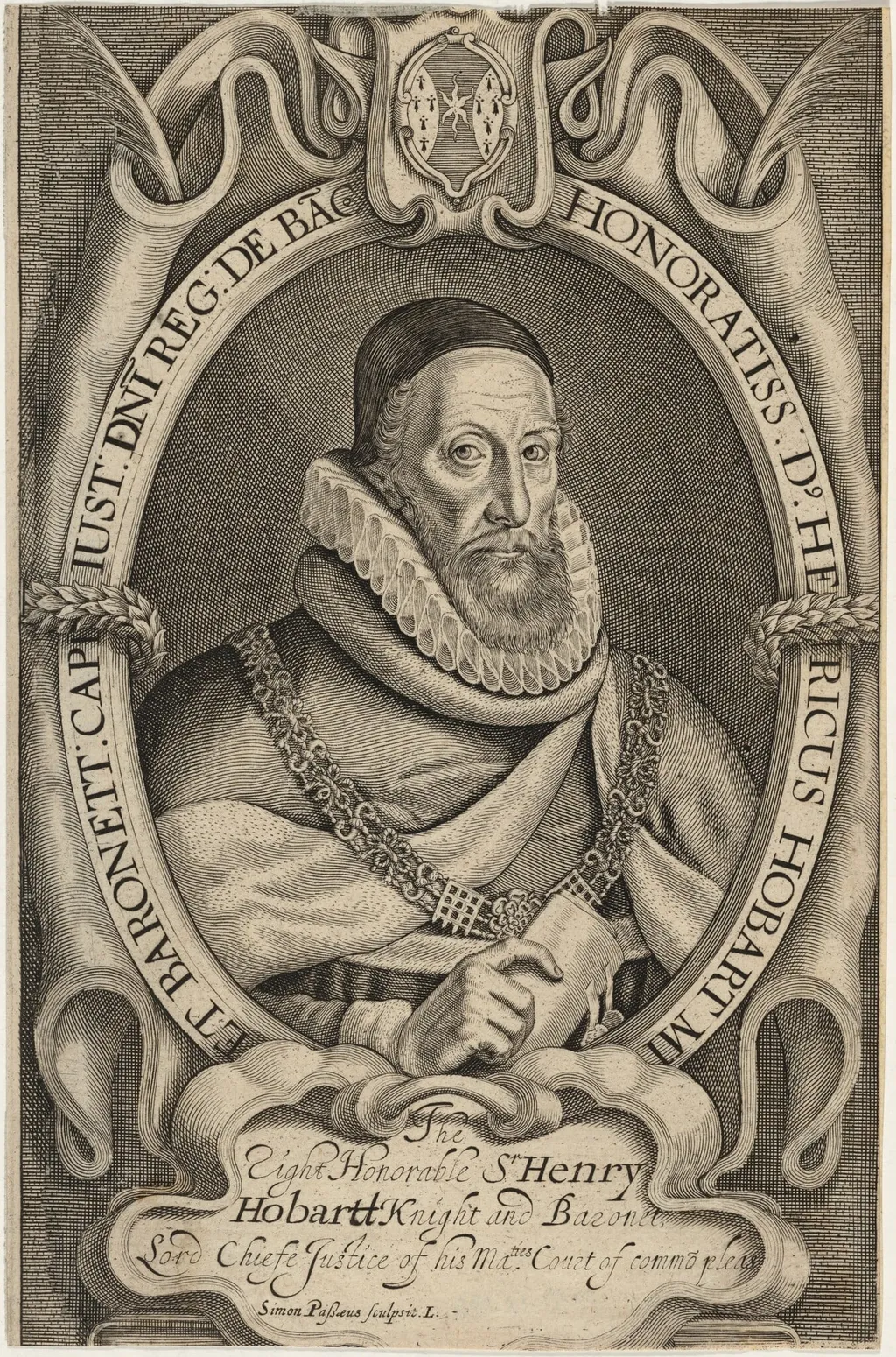
Sir Henry Hobart is an ink print by the Renaissance artist Simon van de Passe. It dates from 1621 and is held in the collection of the National Gallery of Art.
About this work
Overview
This 1621 engraving by Simon van de Passe portrays Sir Henry Hobart, an English judge and politician. Rendered in fine line work, the portrait captures him from the chest upward, facing directly forward with hands folded. The composition emphasizes dignity through restrained posture and detailed rendering of clothing, typical of early 17th-century portraiture in print form.
Subject & Meaning
Sir Henry Hobart is depicted as a man of authority, his beard and mustache conveying maturity and gravitas. The ornate chain and ruffled collar signify his status within the legal and aristocratic circles of Jacobean England. The clasped hands suggest composure and moral seriousness, aligning with the era’s ideals of civic responsibility and personal restraint.
Technique & Style
Van de Passe employed precise cross-hatching to model form and texture, particularly in the fabric of the cloak and the folds of the collar. The engraving’s fine lines and controlled tonal gradations reflect the Northern European tradition of detailed portraiture. No color is used; the image relies entirely on ink contrast to convey depth and materiality.
History & Provenance
Created in 1621, the engraving was likely produced to circulate Hobart’s image among contemporaries, serving both commemorative and political functions. It was part of a broader practice among European elites to commission engraved portraits for distribution. The work survives in several institutional collections, with no known alterations since its original printing.
Context
In early 17th-century England, engraved portraits were tools of social representation, often commissioned by those in public service. Van de Passe, a Dutch artist active in England, was known for his work with noble and judicial figures. This piece reflects the transnational exchange of artistic techniques between the Low Countries and the English court.
Legacy
The engraving remains a documented example of how legal figures were visually represented in the Jacobean period. It contributes to the study of print culture and the role of portraiture in constructing public identity. Though not widely reproduced today, it retains scholarly value as a primary source of early modern elite imagery.
Artist & collection

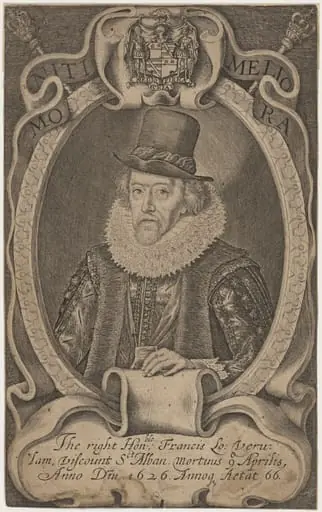
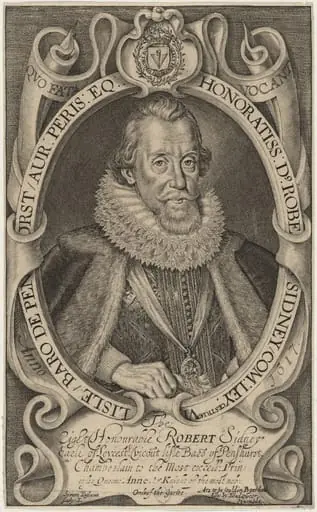 Robert Sidney, First Earl of Leicester
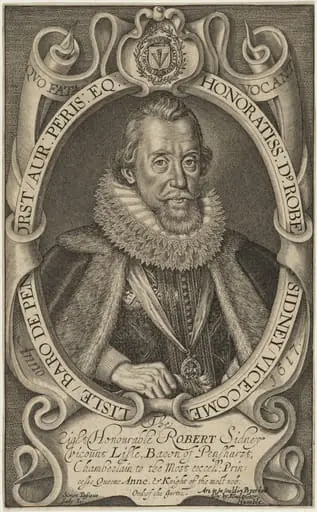 Robert Sidney, First Earl of Leicester
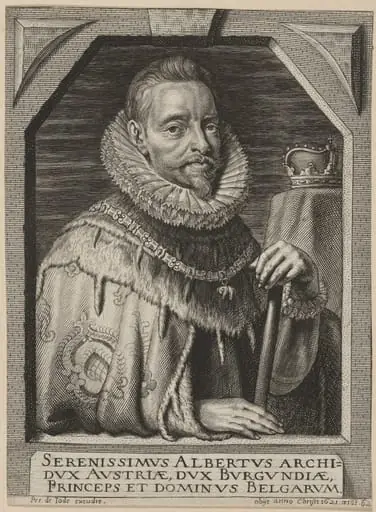 Albert VII, Archduke of Austria
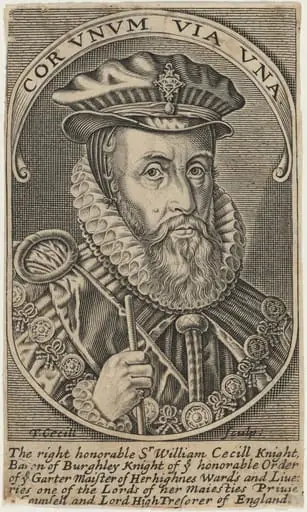 William Cecill, First Baron Burghley
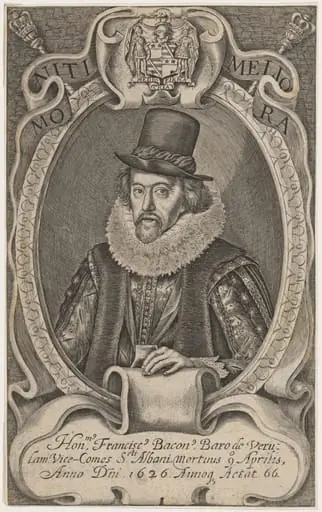
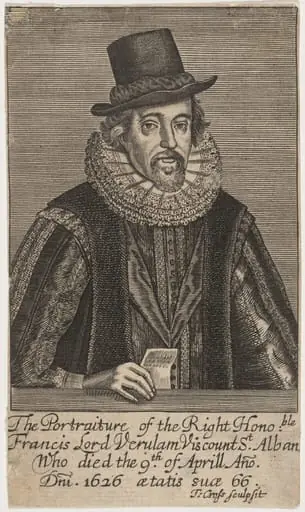 Francis Lord Verulam Viscount St. Alban
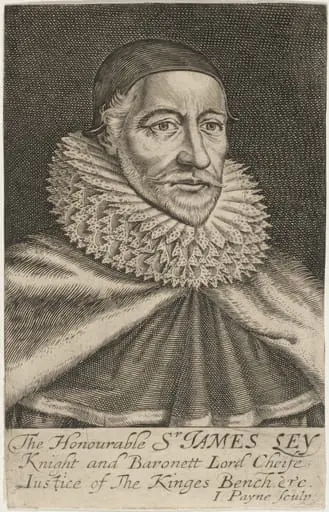 James Ley, First Earl of Marlborough
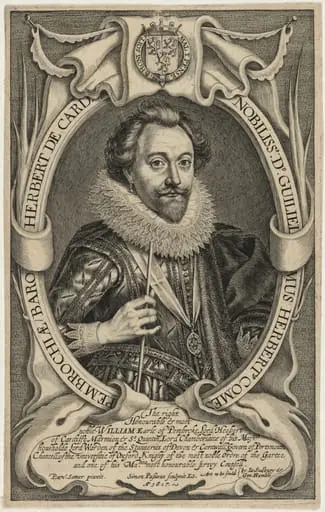 William Herbert, Third Earl of Pembroke
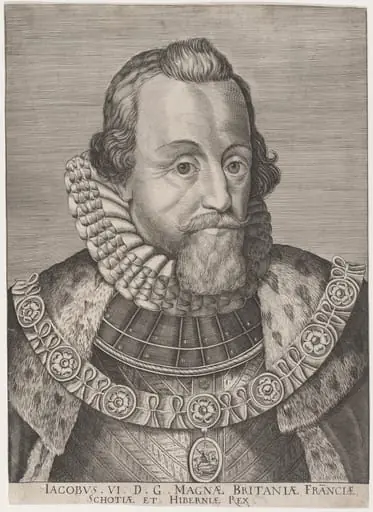 James I
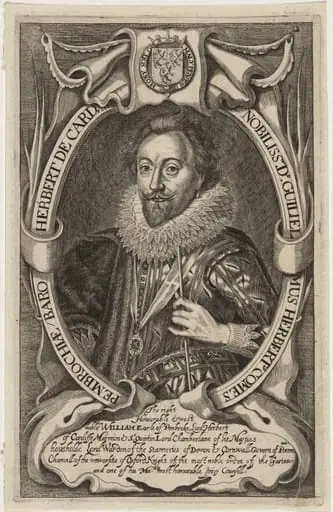 William Herbert, Third Earl of Pembroke
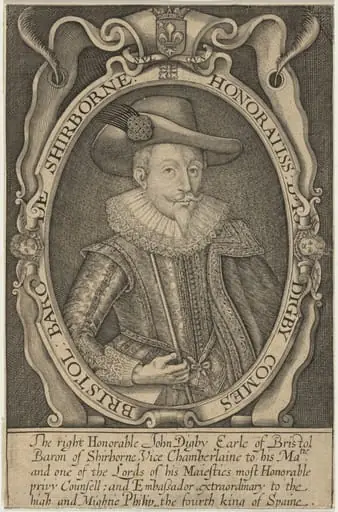 John Digby, Earl of Bristol, Ambassador to Spain