Artwork
William Knollis, Earl of Banbury, When Viscount Wallingford
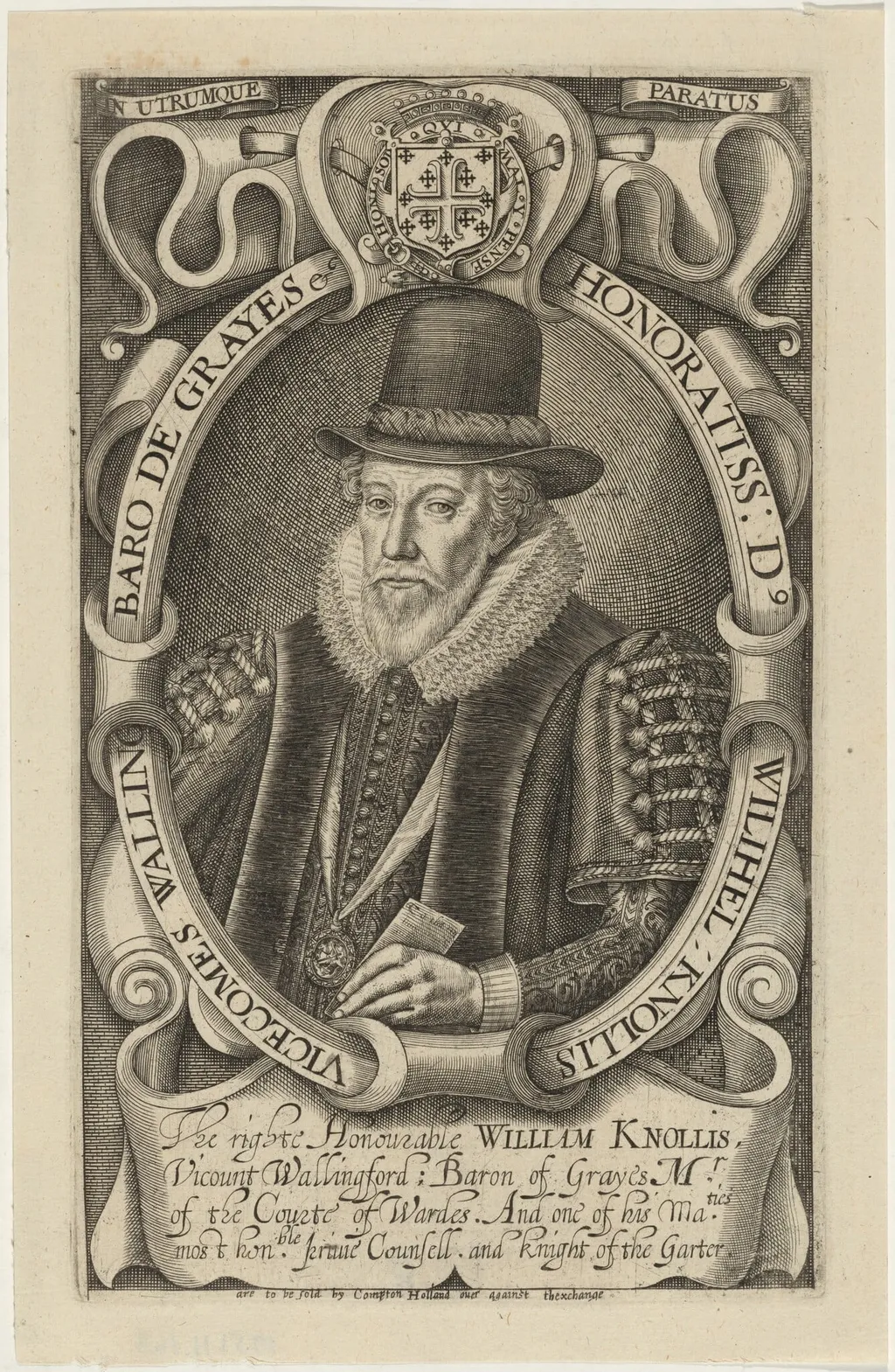
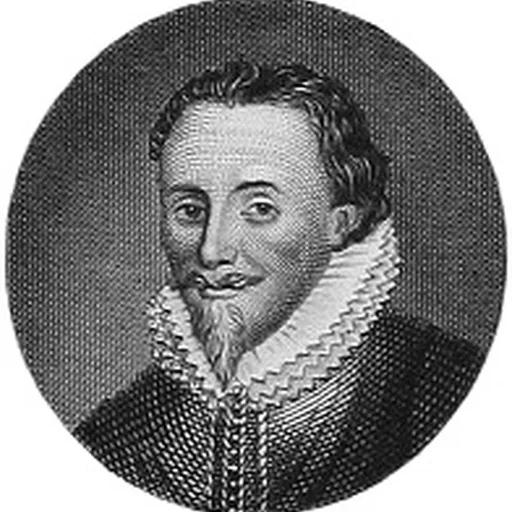
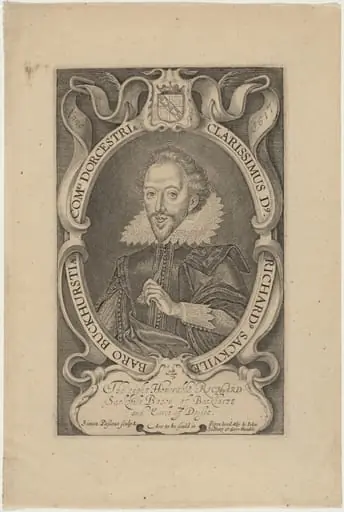
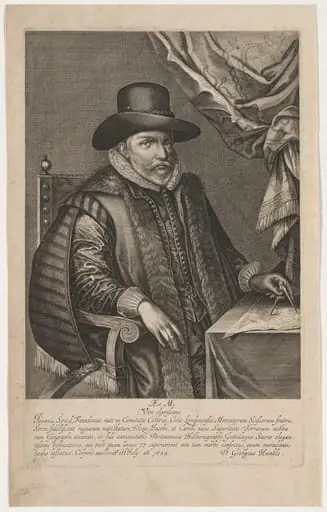
William Knollis, Earl of Banbury, When Viscount Wallingford is an ink print by the Renaissance artist Simon van de Passe. It dates from 1621 and is held in the collection of the National Gallery of Art. This 1621 engraving depicts William Knollis, then Viscount Wallingford, later Earl of Banbury, as a nobleman of high standing.
About this work
Overview
This 1621 engraving depicts William Knollis, then Viscount Wallingford, later Earl of Banbury, as a nobleman of high standing.
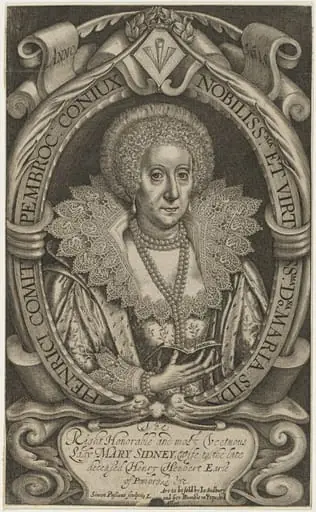
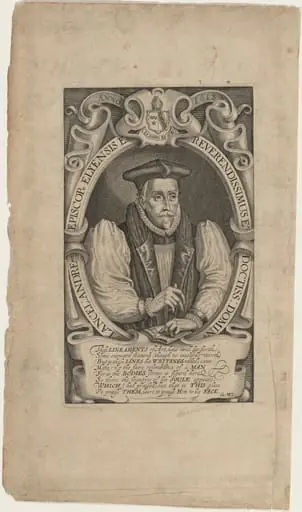
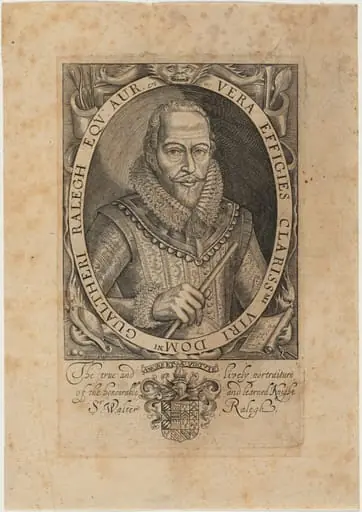
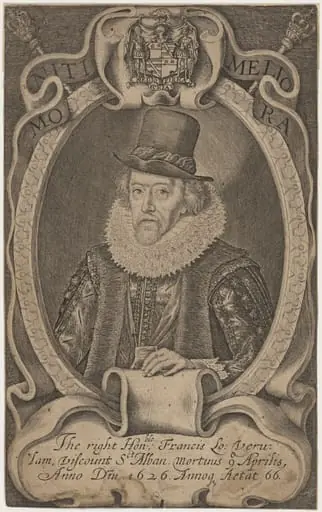
This 1621 engraving depicts William Knollis, then Viscount Wallingford, later Earl of Banbury, as a nobleman of high standing. Rendered in monochrome by Simon van de Passe, the portrait emphasizes status through formal attire and heraldic inscriptions. The technique relies on incised lines on a metal plate, inked and pressed onto paper, producing fine, detailed imagery typical of early 17th-century printmaking.
Subject & Meaning
The sitter is portrayed with solemn dignity, his white beard and fur-lined collar suggesting age and authority. He holds a rolled document, possibly a title or commission, reinforcing his official role. Surrounding his head are engraved scrolls listing his titles—Baron of Grayes and Knight of the Garter—visually anchoring his identity within the hierarchy of the English aristocracy.
Technique & Style
Simon van de Passe employed fine, controlled engraving lines to model the face and fabric, creating subtle gradations of shadow and texture. The fur collar and hat brim are rendered with dense cross-hatching, while the paper scroll is left relatively smooth for contrast. The composition is tightly framed, focusing attention on the sitter’s expression and regalia, typical of portrait prints of the period.
History & Provenance
Created in 1621, the print likely served as a circulating image of nobility, distributed among courtiers and collectors. Van de Passe, a Dutch engraver active in England, produced numerous portraits of the English elite. This work survives in institutional collections, its provenance tied to early modern print networks that disseminated aristocratic imagery across Europe.
Context
In early Jacobean England, engraved portraits were tools of social visibility, allowing nobles to project their status beyond court circles. The inclusion of heraldic titles reflects the era’s emphasis on lineage and honor. Van de Passe’s style, rooted in Northern European traditions, blended precision with symbolic detail, aligning with the period’s interest in visual documentation of rank.
Legacy
The engraving remains a documented example of how aristocratic identity was visually codified in print. Though not widely reproduced today, it contributes to understanding the role of print media in early modern elite culture. Its survival in archives underscores the importance of engraving as a medium for preserving and transmitting social status across generations.
Artist & collection