Artwork
Frances Howard, Duchess of Richmond
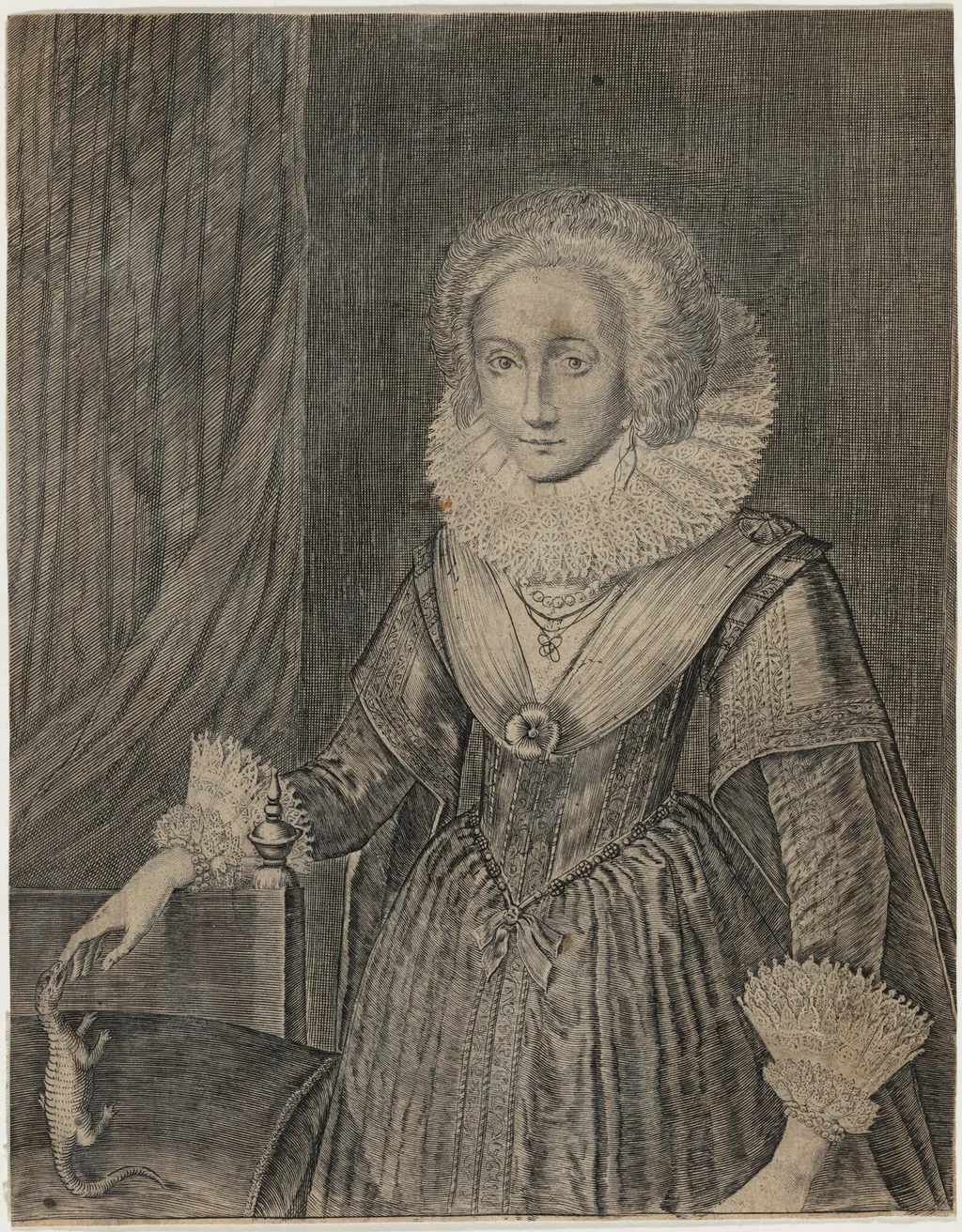
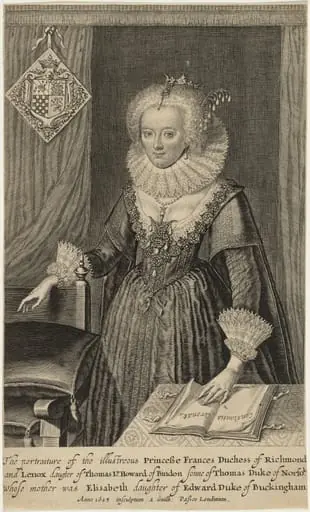
Frances Howard, Duchess of Richmond is an ink print by the Baroque artist Willem de Passe. It dates from 1623 and is held in the collection of the National Gallery of Art.
About this work
She is depicted wearing a dark-colored dress with a high neckline and a lace collar, and her hair is styled in an updo.
The painting is a portrait of a woman, likely from the 17th century, with a formal and elegant atmosphere. She is depicted wearing a dark-colored dress with a high neckline and a lace collar, and her hair is styled in an updo. The woman's face is turned slightly to the right, and her expression is serene and calm.
The background of the painting is a dark, muted color, which helps to focus attention on the subject. The overall effect is one of quiet dignity and refinement.
This painting is reminiscent of the work of artist Passe, Willem de.
Overview
This 1623 engraving, executed by the Dutch printmaker Willem de Passe, portrays Frances Howard, who held the title Duchess of Richmond. Rendered in fine line work, the image presents the noblewoman in a composed pose, her gaze directed slightly to the right, conveying a sense of calm authority.
Subject & Meaning
The portrait captures the Duchess in a dark, high‑necked dress trimmed with lace, her hair arranged in an up‑do typical of early‑seventeenth‑century aristocratic fashion. The restrained expression and dignified bearing reflect the social expectations of noble femininity during the Stuart period.
Technique & Style
De Passe employed the intaglio engraving method, using a burin to incise delicate lines into a copper plate. The contrast between the richly detailed costume and the muted, almost black background is achieved through varying line density, creating depth while keeping the focus on the sitter.
History & Provenance
Created in 1623, the print was likely intended for circulation among the English court and its affiliates, serving both as a record of the Duchess’s status and as a collectible image. Copies of the engraving have survived in several European print collections, attesting to its distribution in the early modern print market.
Artist & collection

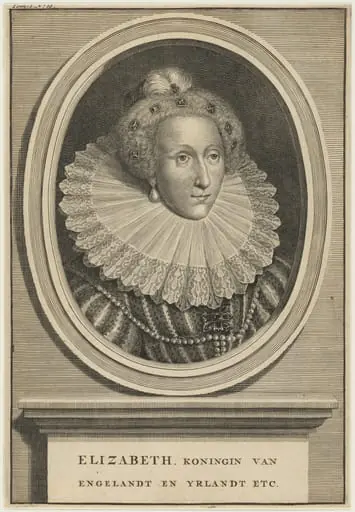 Queen Elizabeth
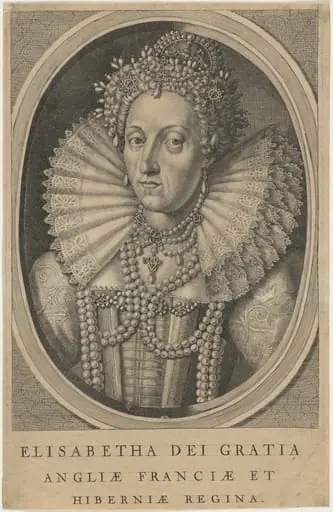 Queen Elizabeth
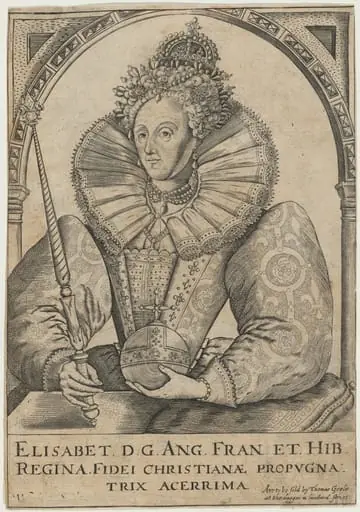 Queen Elizabeth
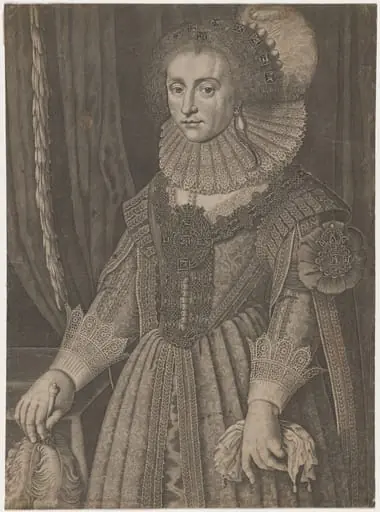 Elizabeth, Queen of Bohemia
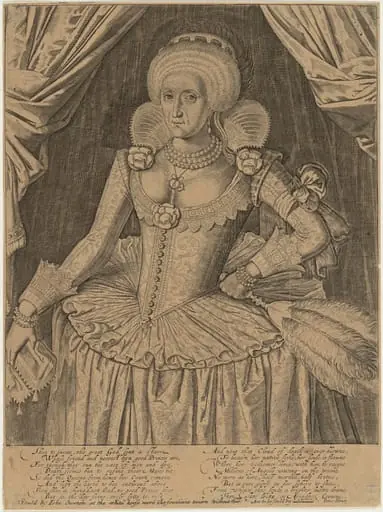 Anne of Denmark
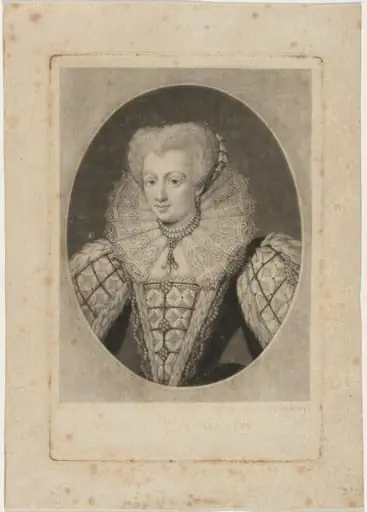 Princess Elizabeth
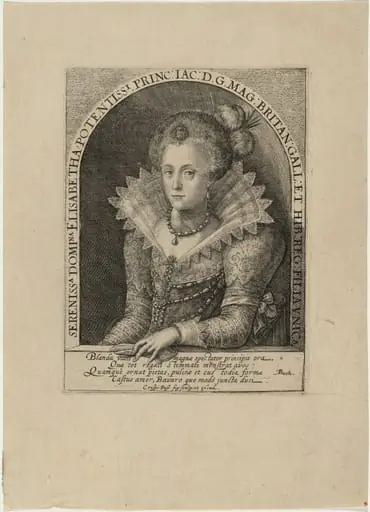 Elizabeth, Princess, Wife of the Elector Palatine Frederick V, King of Bohemia
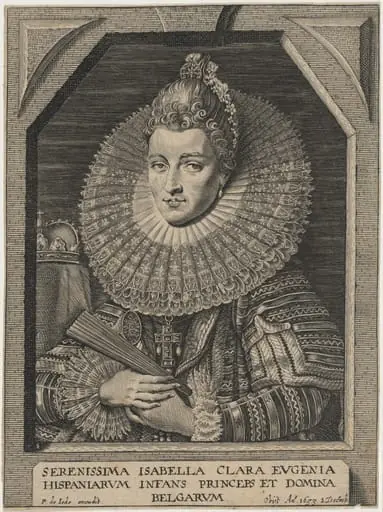 Isabella Clara Eugenia
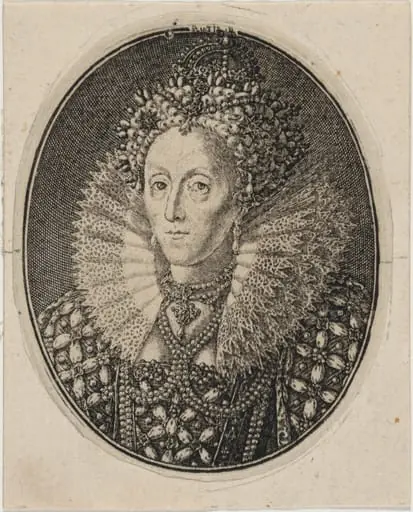 Elizabeth, Queen of England
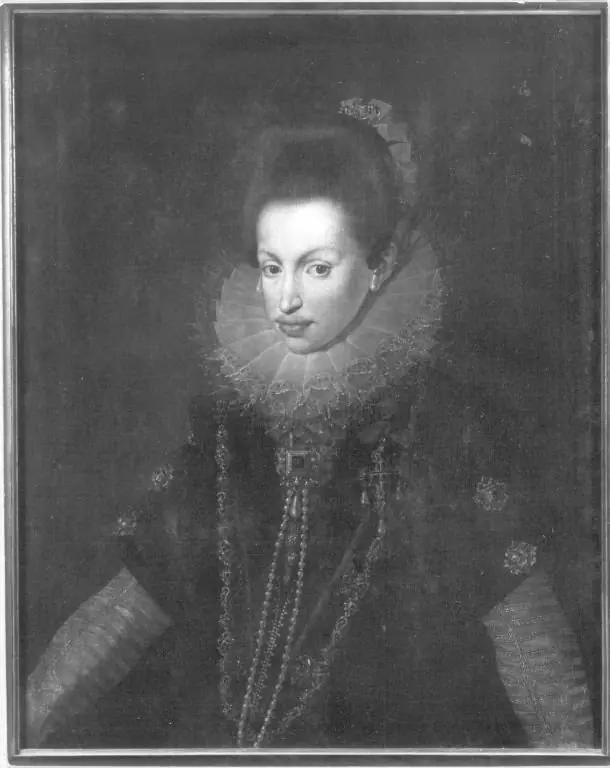 Bildnis der Erzherzogin Maria Anna (Kopie nach)
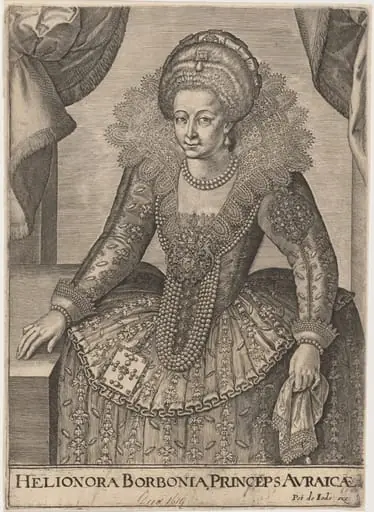 Eleanora, Princess of Orange
 Frances Howard, Duchess of Richmond