Artwork
Thomas Cromwell, Earl of Essex
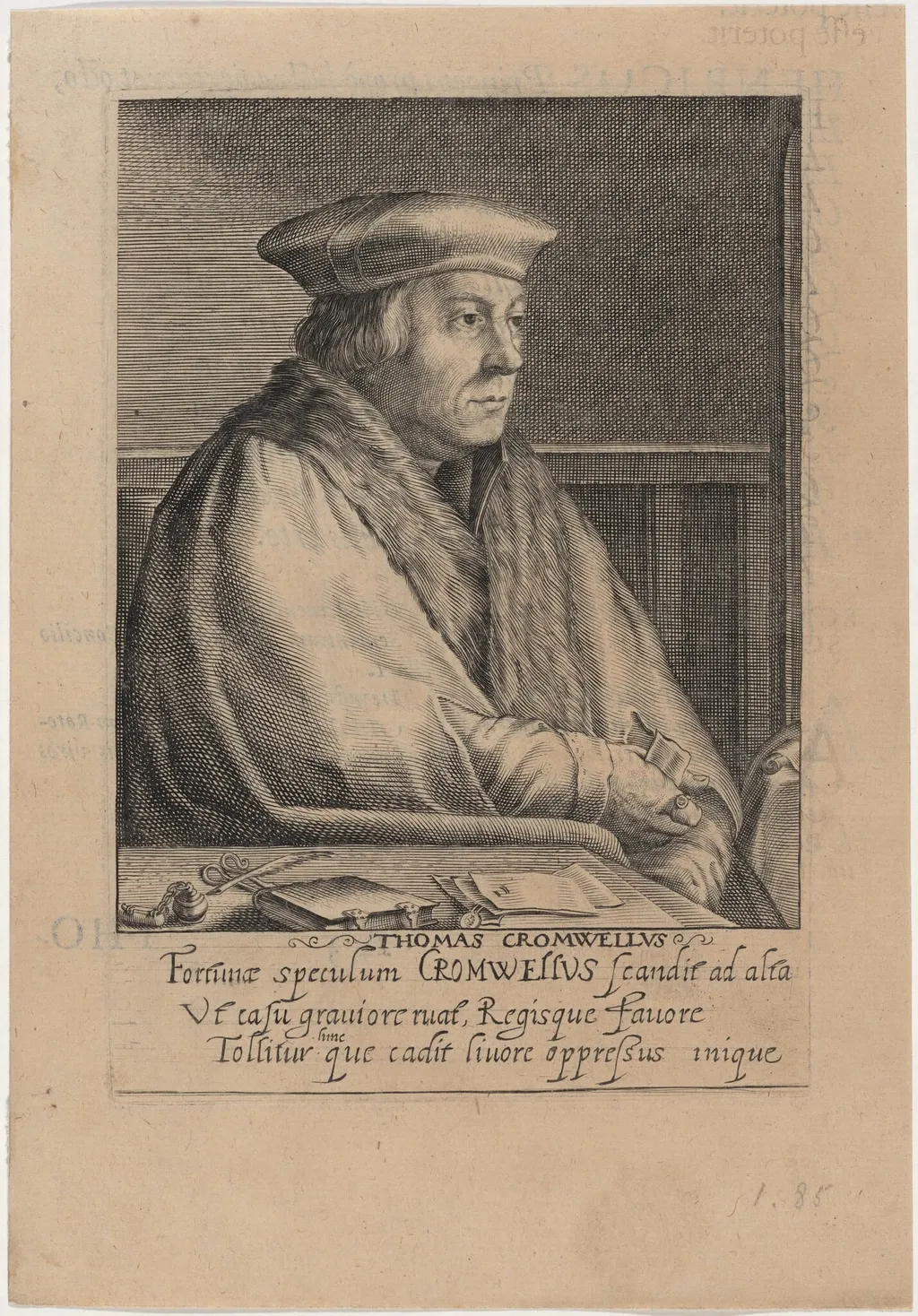
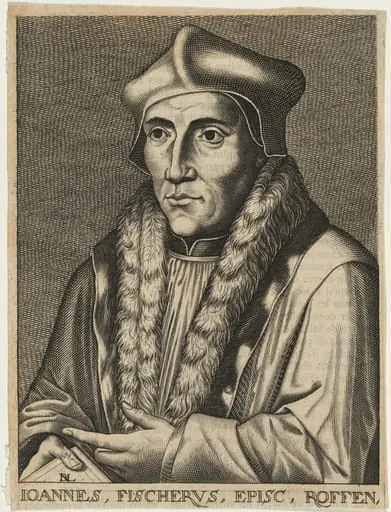
Thomas Cromwell, Earl of Essex is an ink print by the Baroque artist Willem de Passe. It dates from 1620 and is held in the collection of the National Gallery of Art.
About this work
Overview
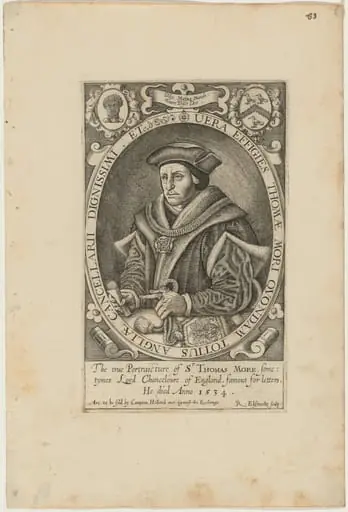
Rendered in fine line work, the image captures him at a desk, surrounded by writing implements and documents.
This 1620 engraving by Willem de Passe depicts Thomas Cromwell, Earl of Essex, in a formal seated pose. Rendered in fine line work, the image captures him at a desk, surrounded by writing implements and documents. The medium emphasizes precision and detail, typical of early 17th-century printmaking. The composition reflects the conventions of portraiture used to convey authority and intellectual presence.
Subject & Meaning
Cromwell, a key political figure in Tudor England, is portrayed not as a noble in ceremonial attire but as a man of administration. His fur-trimmed coat and hat suggest status, while the papers and quill emphasize his role in governance. The serious expression and focused gaze reinforce his reputation for diligence and political acumen, aligning the image with ideals of bureaucratic competence.
Technique & Style
De Passe employed fine cross-hatching to model form and texture, creating subtle gradations of light and shadow. The engraving’s meticulous lines define the folds of fabric, the texture of fur, and the contours of the face with precision. Though influenced by Northern Renaissance traditions, the work’s controlled realism and attention to detail reflect the emerging Baroque preference for psychological depth over idealization.
History & Provenance
Created in 1620, the engraving was produced decades after Cromwell’s execution in 1540, likely as part of a series documenting prominent English figures. It was made in the Netherlands, where de Passe operated a successful print workshop. The image circulated among collectors and scholars, serving as a visual reference for Cromwell’s legacy during a period of renewed interest in Tudor history.
Context
In early 17th-century Europe, engraved portraits were widely distributed as tools of political memory and cultural documentation. De Passe’s work fits within a broader trend of publishing likenesses of historical figures, often based on earlier paintings or drawings. The engraving reflects the Dutch print trade’s role in shaping continental perceptions of English political figures beyond their lifetimes.
Legacy
This engraving remains one of the most recognizable visual representations of Thomas Cromwell, despite being created long after his death. Its widespread reproduction in historical texts and collections has cemented its role as a standard reference. While not a contemporary likeness, it helped define the public image of Cromwell for later generations.
Artist & collection