Artwork
Michaeas
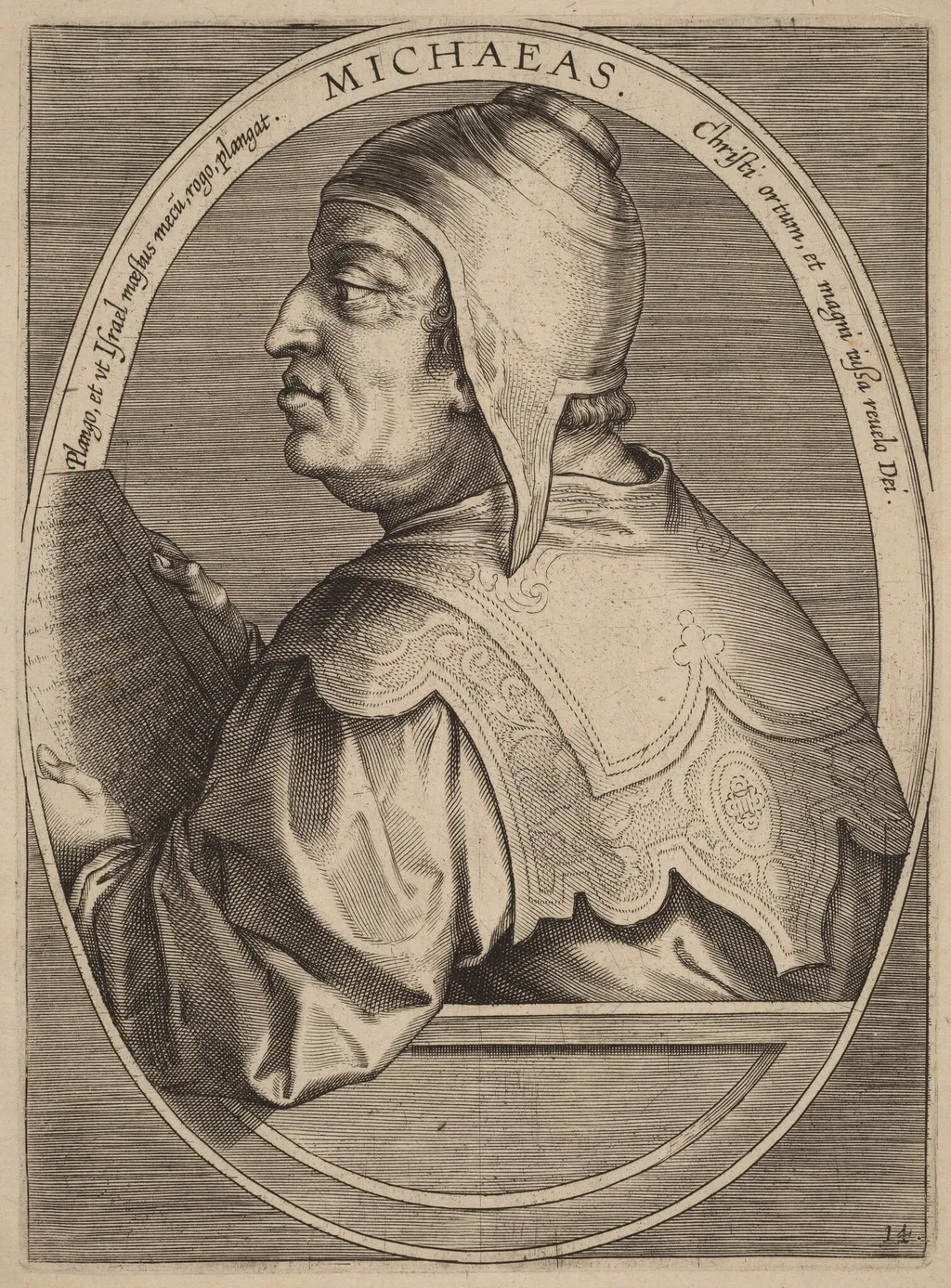
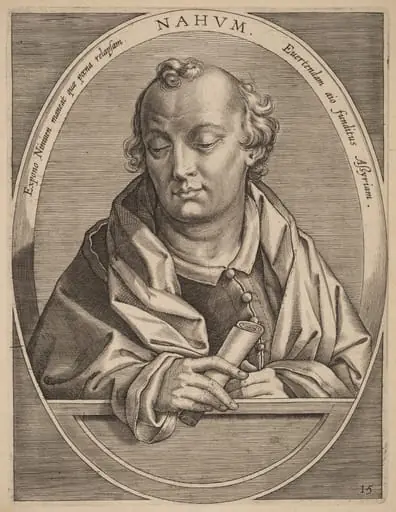
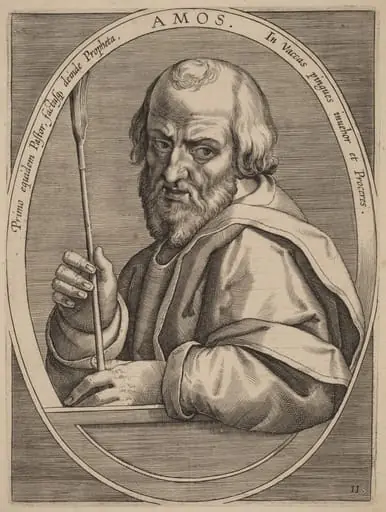
Michaeas is an ink print by the Baroque artist Theodor Galle. It dates from 1613 and is held in the collection of the National Gallery of Art. The work is a black‑and‑white engraving on laid paper, measuring the typical size for portrait prints of the early seventeenth century.
About this work
Overview
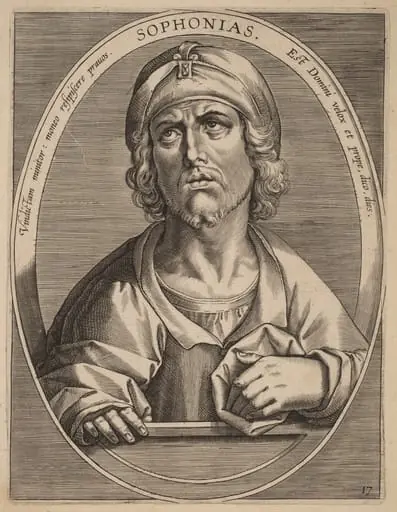
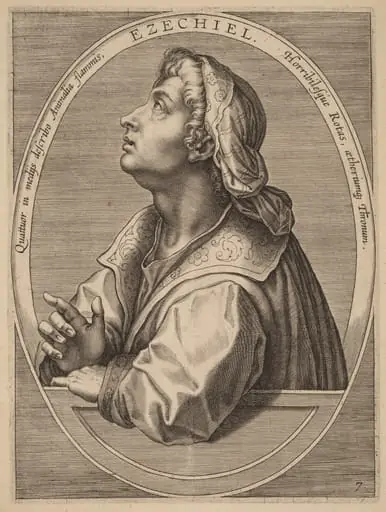
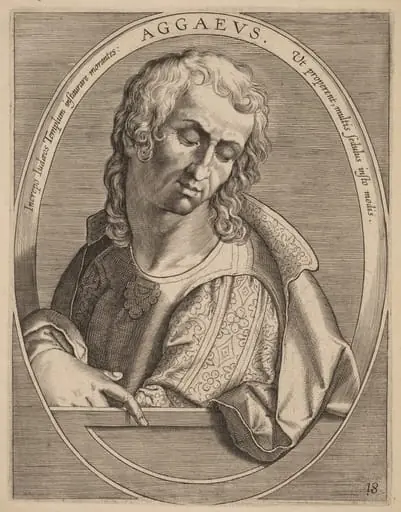
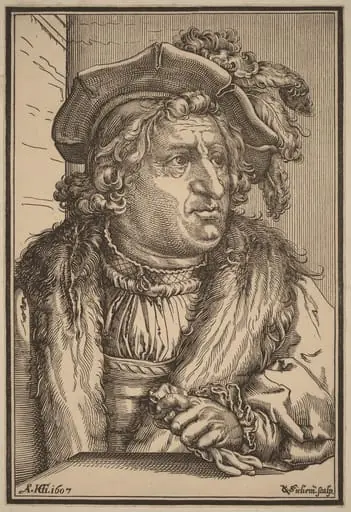
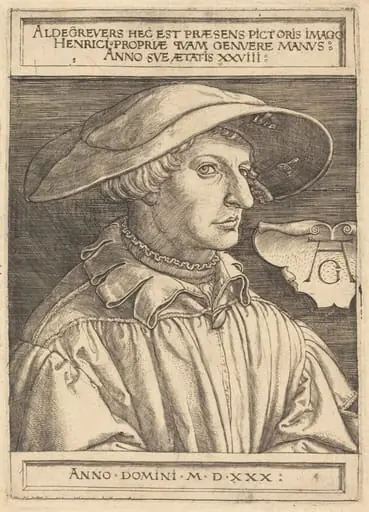
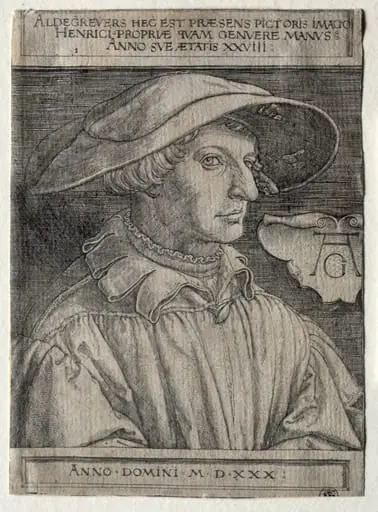
The work is a black‑and‑white engraving on laid paper, measuring the typical size for portrait prints of the early seventeenth century. It presents a single male figure framed within a circular border, his face and upper torso rendered with meticulous detail against an unadorned background that directs attention to his expression and attire.
Subject & Meaning
The sitter is depicted wearing a dark, ruffled collar and a loosely draped shirt, a chain visible across his chest suggesting a position of modest rank or affiliation. His left hand rests on a ledge, while the right hand holds a small object that may be a book or document, hinting at literacy or scholarly activity, though the identity of the individual named "Michaeas" remains unknown.
Technique & Style
The engraving employs dense cross‑hatching, a method of intersecting fine lines that creates tonal variation and a sense of three‑dimensionality. This approach allows the artist to model facial features, fabric folds, and the chain’s metallic sheen without the use of color. The crisp line work and careful modulation of light reflect the precision characteristic of early Baroque printmaking.
History & Provenance
Created in 1613 by Theodor Galle, a noted engraver of the Flemish tradition, the print is part of a broader corpus of portrait engravings that circulated among collectors and scholars of the period. While the original patron or intended audience is not documented, the work survives in several museum collections, attesting to its continued relevance as a historical portrait source.
Artist & collection