Artwork
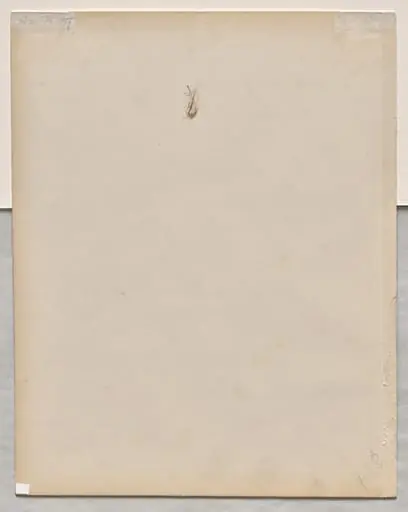
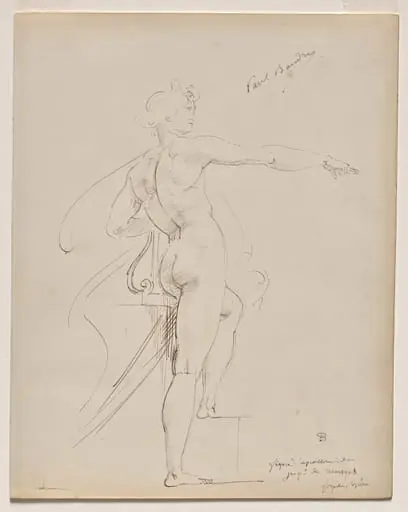
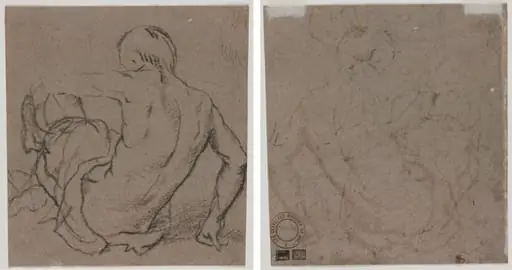
Study of Apollo for Marsyas (recto); Face in Profile (verso)
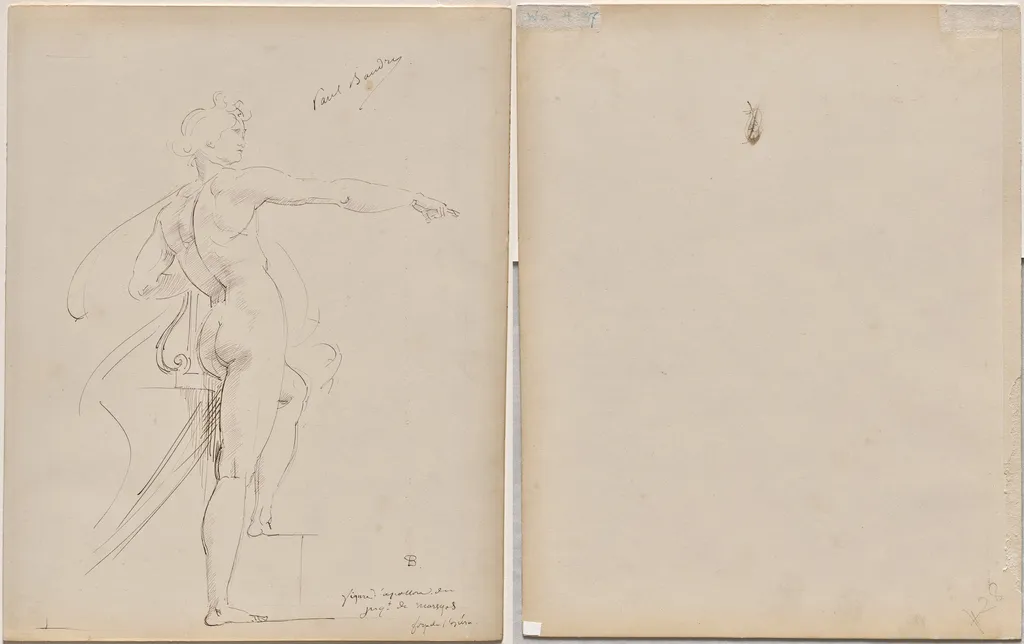
Study of Apollo for Marsyas (recto); Face in Profile (verso) is a drawing by the Impressionist artist Paul-Jacques-Aimé Baudry. It dates from 1864 and is held in the collection of the Cleveland Museum of Art.
About this work
You see a man’s face turned sideways, his curly hair lit from behind. It’s a quick sketch, not a polished painting. One eye catches the light while the other hides in shadow.
Baudry drew this while working on Paris Opéra ceilings. He copied Michelangelo’s strong figures after visiting the Sistine Chapel. The pose feels like a live model, not stiff or flat.
Look up Paul Baudry (French, 1828–1886).
Overview
This double-sided drawing by Paul-Jacques-Aimé Baudry was made during his preparation for the ceiling decorations of the Paris Opéra’s Grand Foyer.
This double-sided drawing by Paul-Jacques-Aimé Baudry was made during his preparation for the ceiling decorations of the Paris Opéra’s Grand Foyer. One side shows a study of Apollo from behind, meant for a mythological scene involving Marsyas; the reverse bears a quick profile sketch of a male face, rendered with loose, observant lines. Both sheets reflect Baudry’s direct engagement with Renaissance models during his study trip to Italy.
Subject & Meaning
The recto depicts Apollo, the Greek god of music, in a dynamic rear view, poised to confront the satyr Marsyas after their musical contest. The figure’s muscular form and bent posture suggest tension and divine authority, aligning with the narrative of judgment and punishment. The drawing served as a compositional reference, not a finished image, grounding the opera’s decorative program in classical myth and moral contrast.
Technique & Style
Baudry employed charcoal or black chalk with swift, confident strokes, emphasizing volume through light and shadow rather than outline. The profile sketch on the verso captures subtle modeling of the brow, cheek, and curling hair, with one eye illuminated and the other lost in shadow. The handling is immediate and observational, betraying the influence of Michelangelo’s sculptural forms while retaining the spontaneity of on-site study.
History & Provenance
Created in 1864–65 during Baudry’s commission for the Paris Opéra, the drawing emerged from his extended visit to Italy, where he studied Michelangelo’s frescoes in the Sistine Chapel and sculptures in Florence. It remained in the artist’s possession until his death in 1886, later entering a private collection before being acquired by a public institution. Its dual-sided format reflects the practical nature of preparatory work in 19th-century academic studios.
Context
Baudry’s work for the Opéra was part of a broader 19th-century French effort to align public architecture with historical grandeur. His reliance on Michelangelo’s figures was not mere imitation but a deliberate invocation of Renaissance ideals of human form and heroic narrative. The drawing situates him within a tradition of artists using classical antiquity to legitimize modern cultural institutions.
Legacy
Though Baudry’s Opéra ceiling paintings are now less widely known, this drawing preserves the intensity of his engagement with Renaissance art. It stands as a testament to the enduring influence of Michelangelo on academic training and the methodical process behind large-scale decorative projects. The sketch’s vitality reveals how historical models were absorbed, not copied, through direct observation and personal interpretation.
Artist & collection
Artist
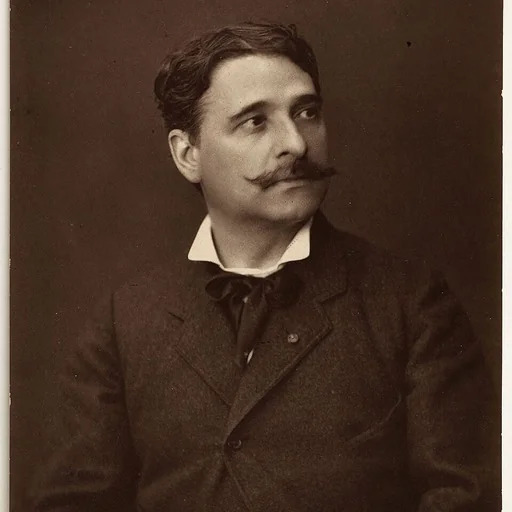
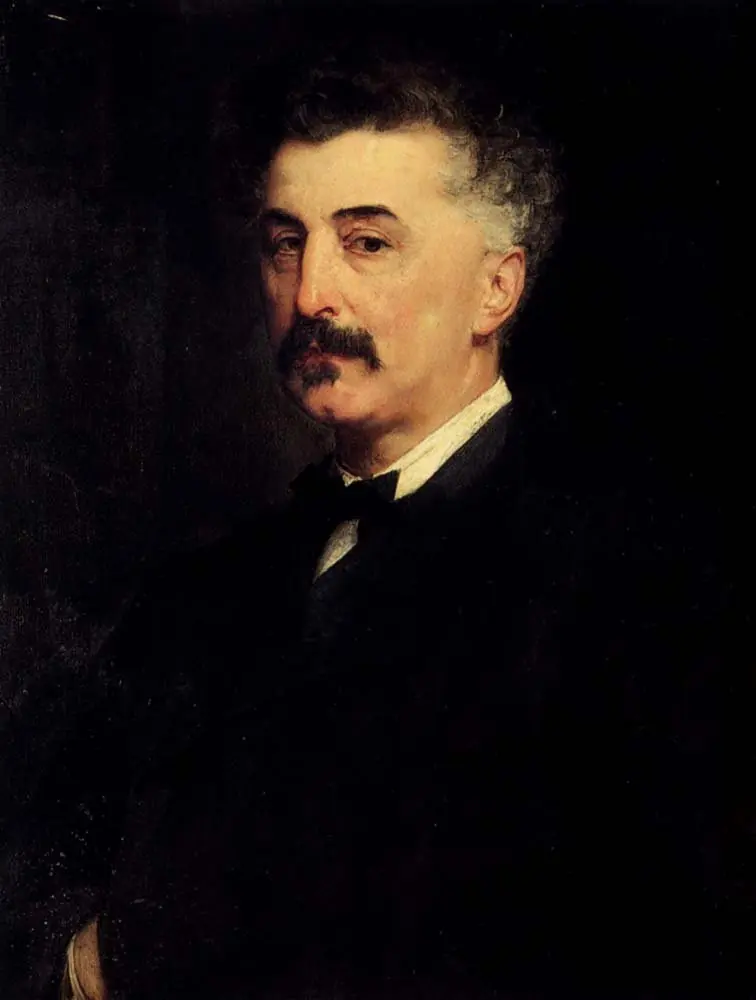
Paul-Jacques-Aimé Baudry (1828–1886) was a French artist, born in La Roche-sur-Yon.

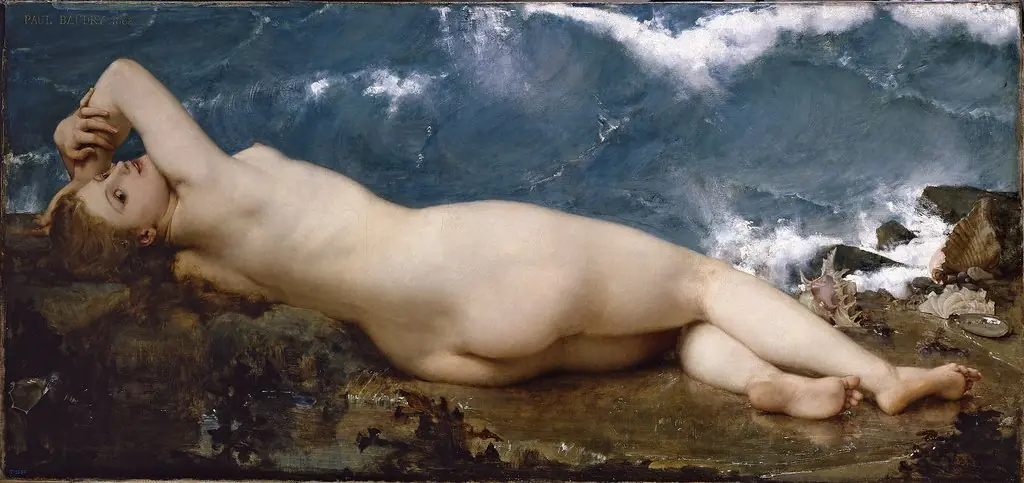
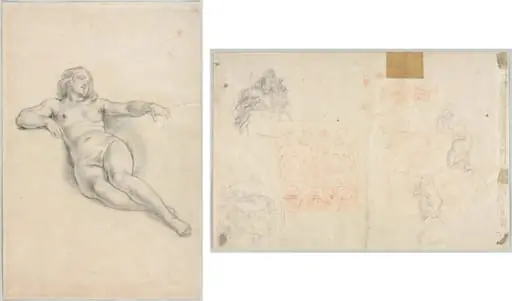 Reclining Female Nude (recto); Various Sketches of Figures and Plants (verso)
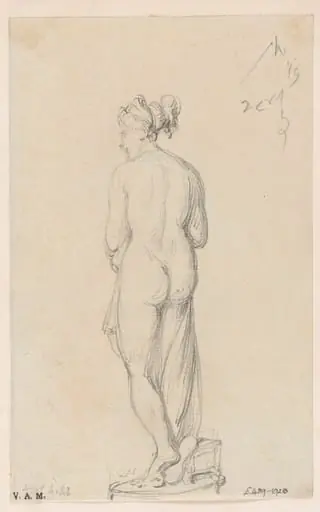 A classical statue
 Man Seated on the Ground, Seen from Behind (recto); Sketch (verso)
 Study of the Allegorical Figure of Health in Rubens' "The Birth of Louis XIII"
 Designs for Decorative Vases
 Study of the Allegorical Figure Bellona in Rubens' "The Apotheosis of Henri IV"
 Crochiu 7
 Drapery Study; Two Figures Pulling a Pole
 Spanish Dancers
 Studies for Dorchester House
 A Nude and Foliage