Artwork
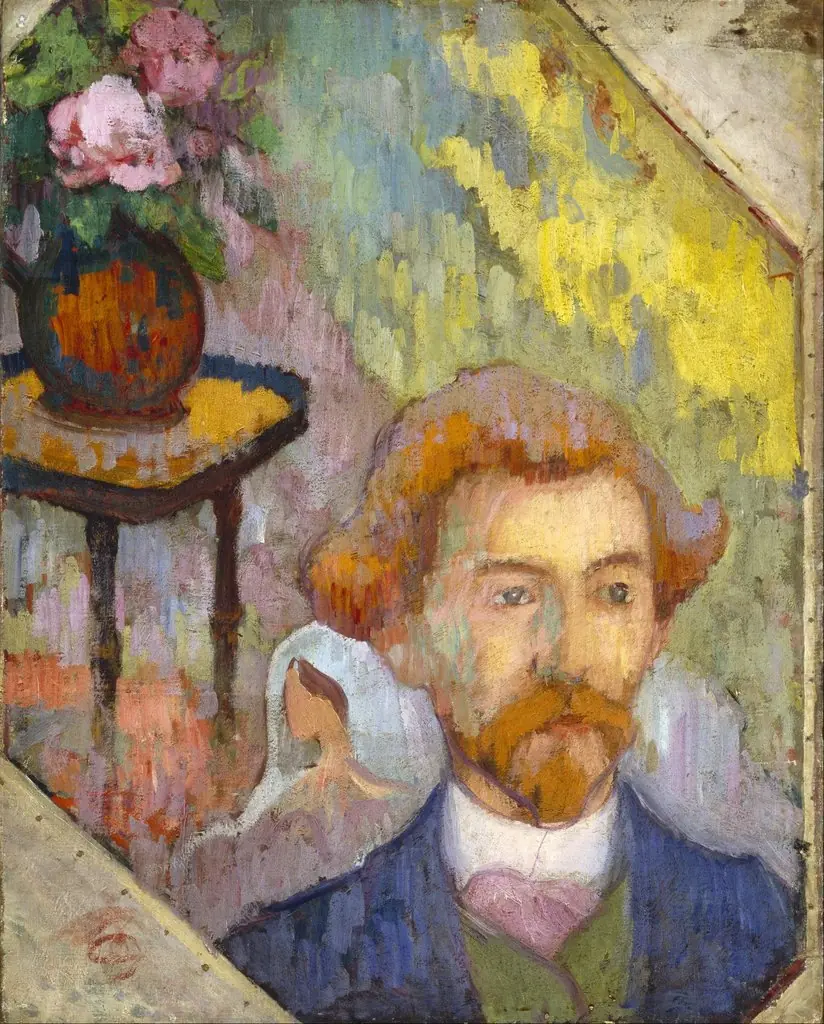
Portrait of the Painter Slewinski
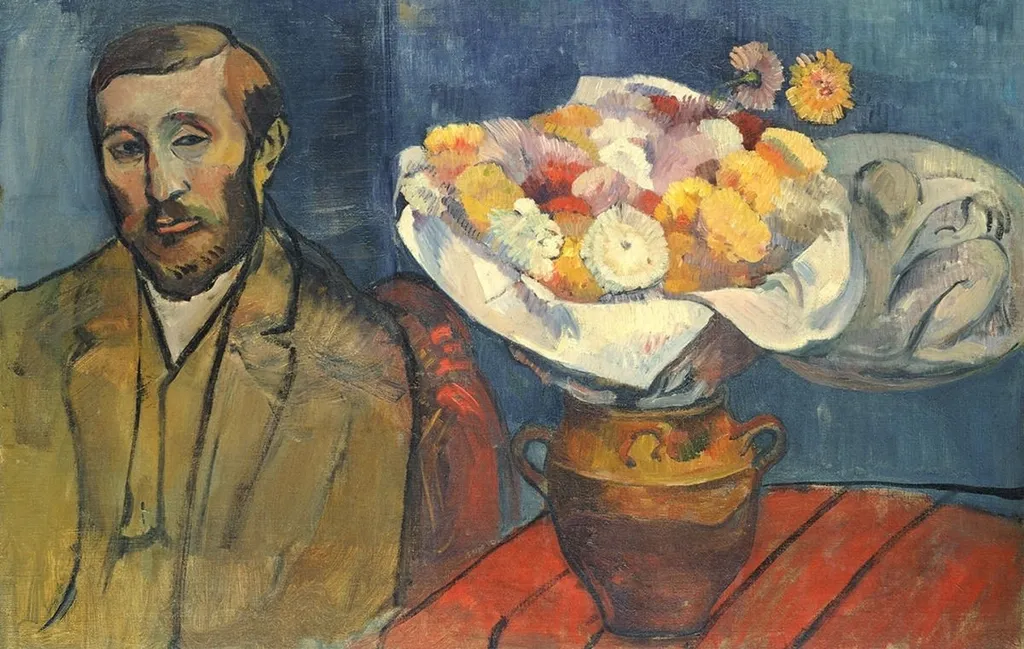
Portrait of the Painter Slewinski is an oil painting by the Post-Impressionist artist Paul Gauguin. It dates from 1896 and is held in the collection of the National Museum of Western Art.
About this work
Overview
Executed during Gauguin’s time in Brittany, the work reflects his evolving approach to form and color outside the conventions of naturalism.
Painted in 1896, this oil portrait captures the Polish artist Władysław Ślewiński, a contemporary and associate of Paul Gauguin. Executed during Gauguin’s time in Brittany, the work reflects his evolving approach to form and color outside the conventions of naturalism. It is part of the National Museum of Western Art’s collection in Tokyo, where it remains a quiet testament to Gauguin’s engagement with fellow artists during his later years.
Subject & Meaning
The subject, Ślewiński, is depicted seated at a table, gazing directly at the viewer with a composed expression. His presence is neither idealized nor dramatic, suggesting a personal, almost candid encounter. The inclusion of a vase of flowers—painted with loose, vibrant strokes—hints at domestic tranquility and the quiet dignity of artistic life. The portrait functions less as a formal commission and more as a gesture of mutual respect between two painters.
Technique & Style
Gauguin employs flat planes of color and bold, simplified contours, characteristic of his Synthetist approach. The yellow jacket, blue background, and earthy vase create a restrained but resonant palette. Brushwork is deliberate yet expressive, with visible strokes defining form without detailed modeling. The flowers and facial features are rendered with minimal refinement, emphasizing emotional tone over realism, aligning with Symbolist ideals of inner experience over outward appearance.
History & Provenance
Created during Gauguin’s stay in Brittany, the painting was likely made in the company of Ślewiński, who was also working in the region. It remained in private hands for decades before entering the collection of the National Museum of Western Art in Tokyo. Its journey to Japan reflects broader 20th-century interest in Post-Impressionist works outside Europe, particularly among collectors and institutions seeking non-academic modernism.
Context
In 1896, Gauguin was distancing himself from Parisian art circles, seeking alternative modes of expression in rural France. Ślewiński, a Polish painter influenced by Gauguin’s ideas, was part of a small circle of artists exploring spiritual and decorative approaches to painting. This portrait emerges from a moment when Gauguin was refining his visual language—prioritizing emotional resonance, symbolic color, and the autonomy of the artist’s inner vision.
Legacy
Though less widely known than Gauguin’s Tahitian works, this portrait exemplifies his commitment to personal expression and the rejection of academic norms. It influenced later generations of artists interested in expressive color and simplified form. Its presence in Tokyo underscores the global reach of Post-Impressionism and the enduring value of intimate, artist-to-artist portraits in modern art history.
Artist & collection
Artist
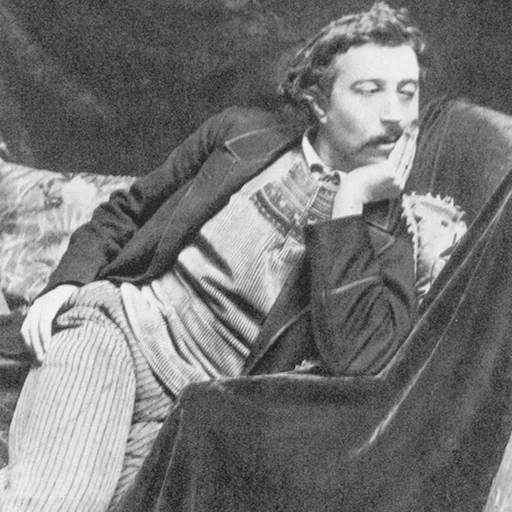
Eugène Henri Paul Gauguin (; French: ; 7 June 1848 – 8 May 1903) was a French painter, sculptor, printmaker, ceramist, and writer, whose work has been primarily associated with the Post-Impressionist and Symbolist movements.

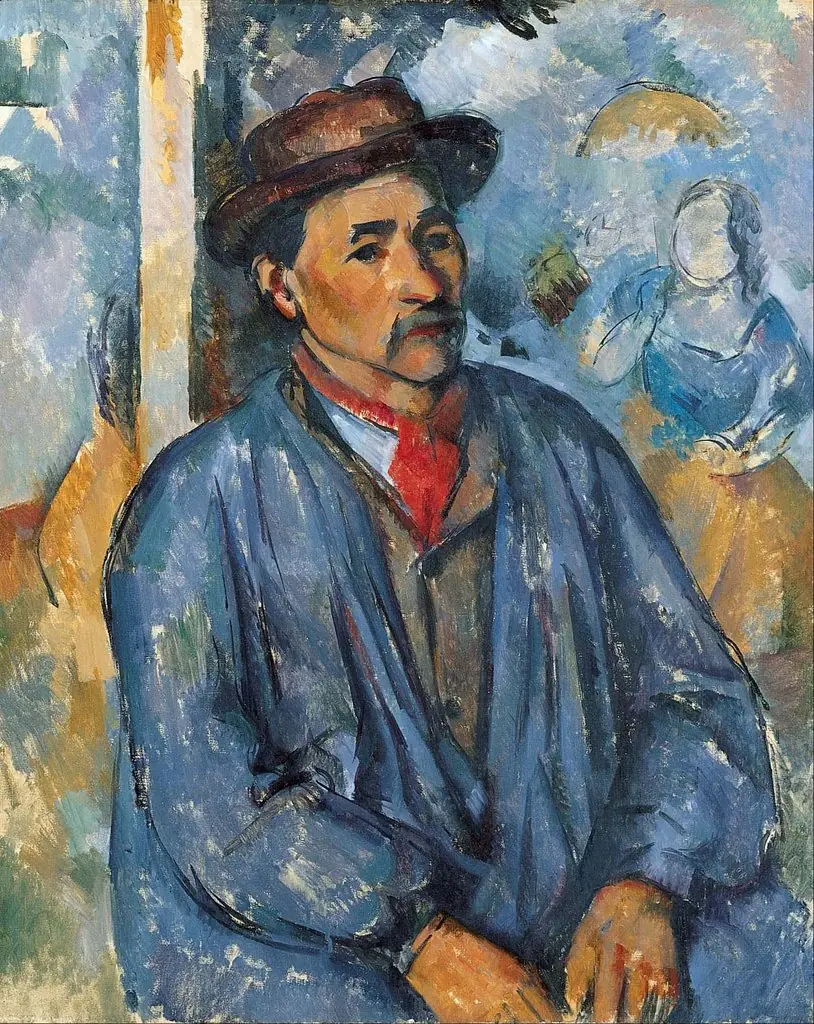 Man in a Blue Smock
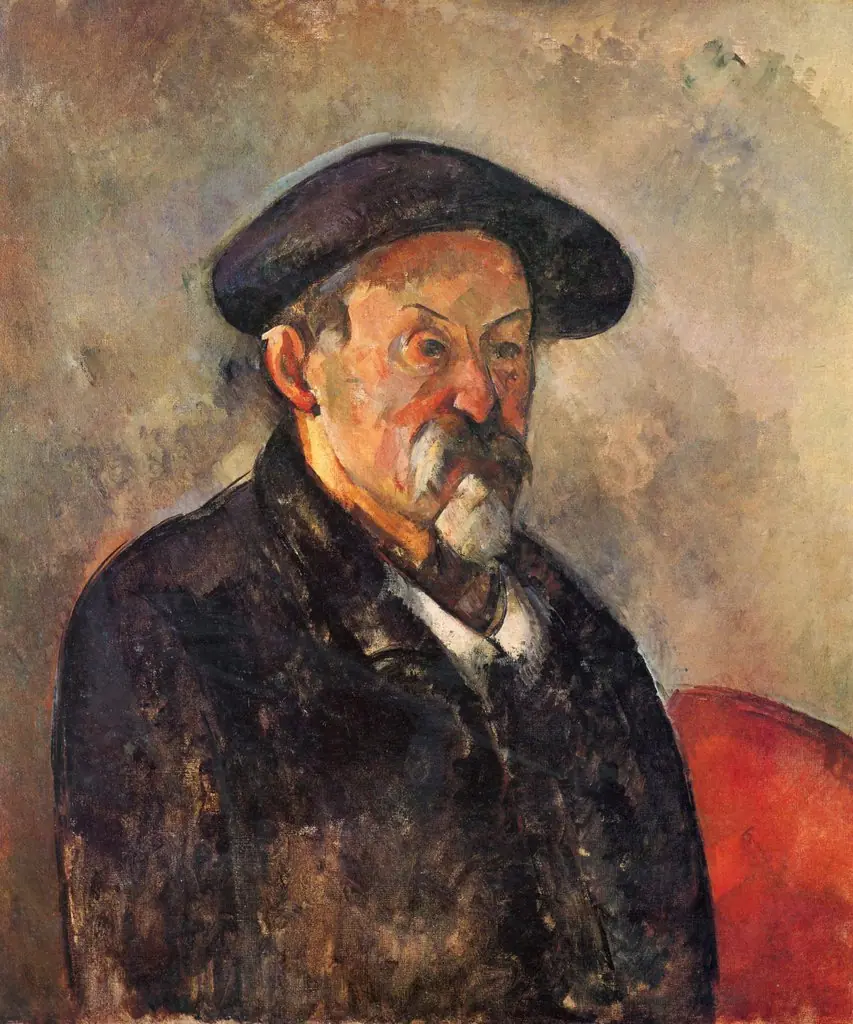 Autoportrait au béret (Self-Portrait with a Beret)
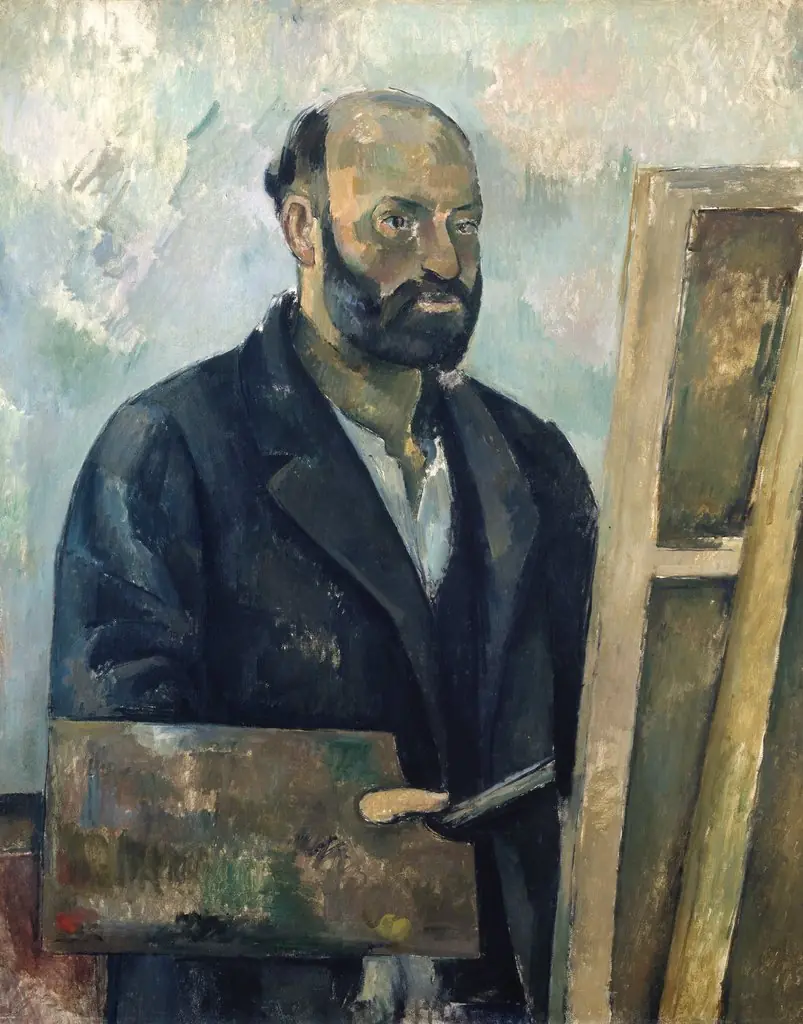 Self-Portrait with Palette
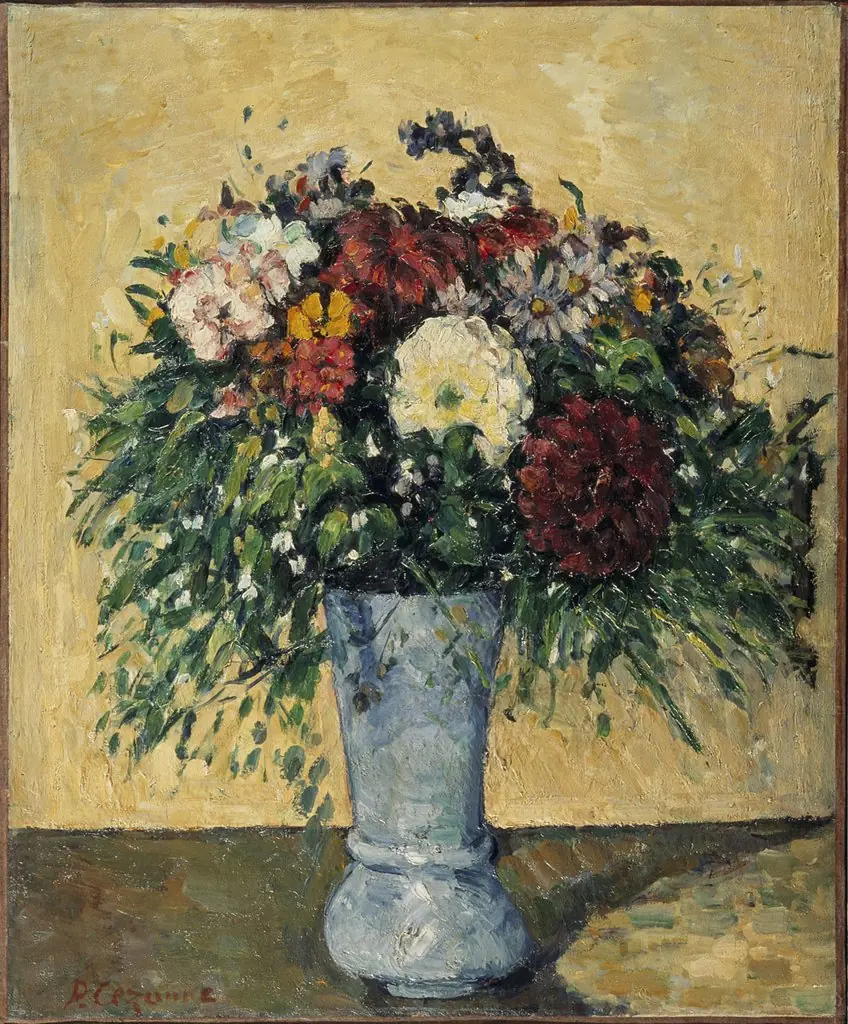 Flowers in a blue vase
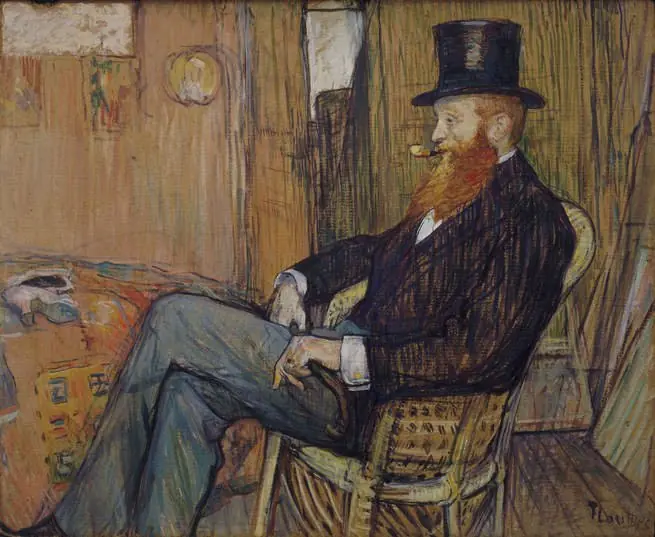 M. de Lauradour
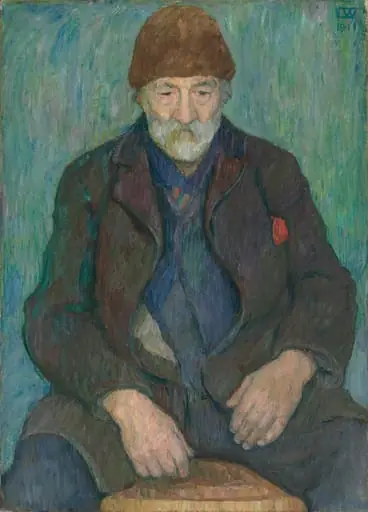 Vanha mies karvalakki päässä
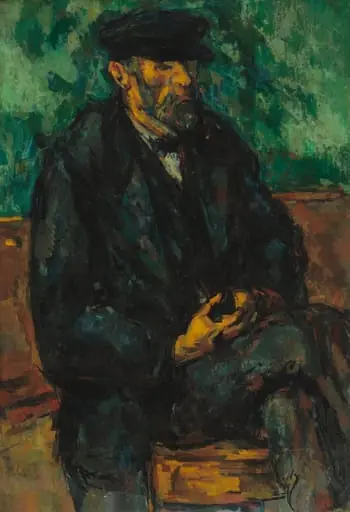 The Gardener Vallier
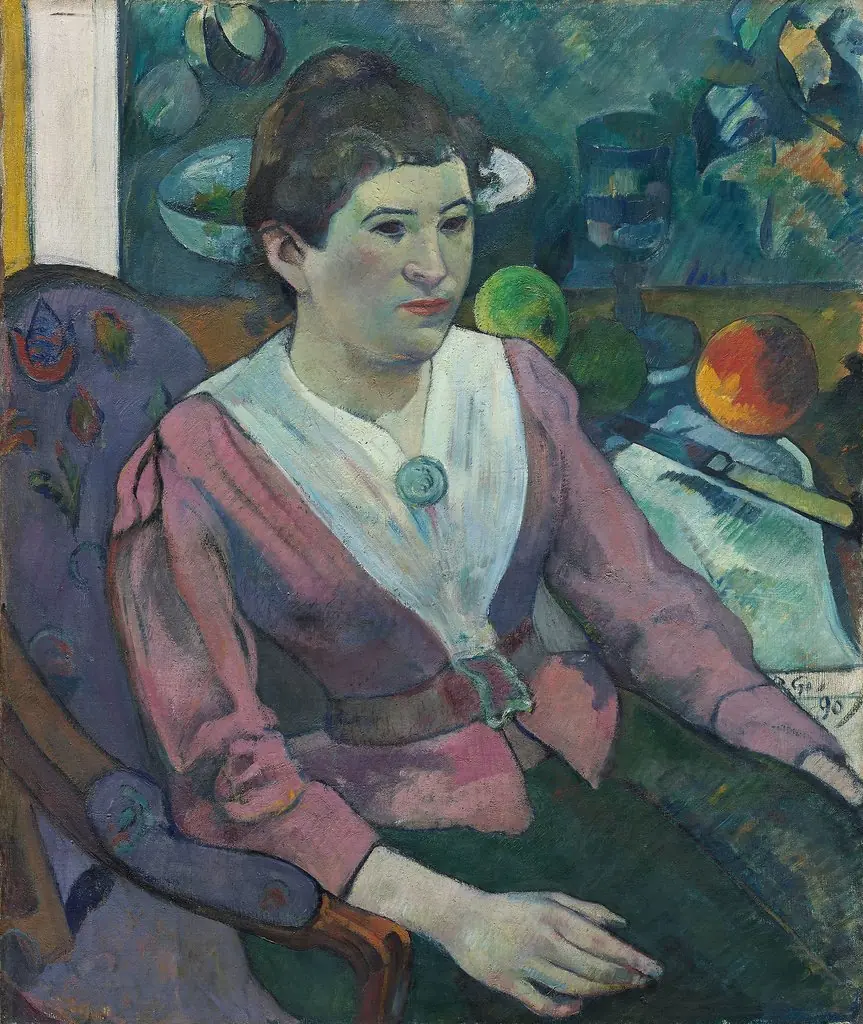 Woman in Front of a Still Life by Cézanne
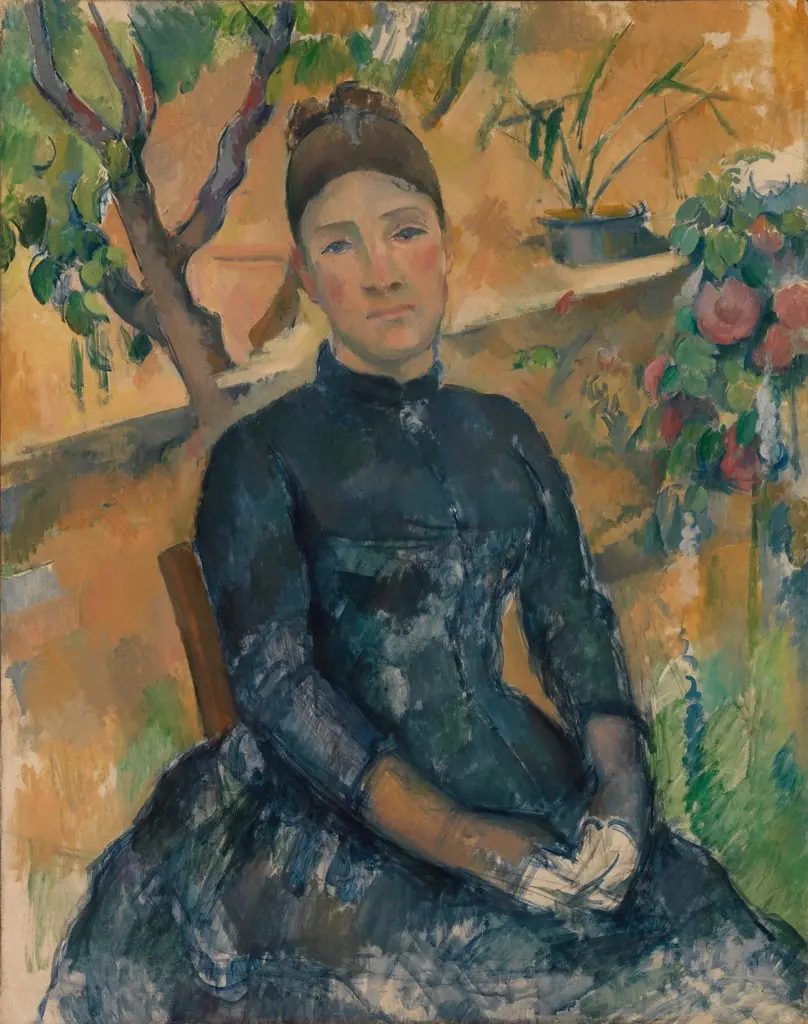 Madame Cézanne (Hortense Fiquet, 1850–1922) in the Conservatory
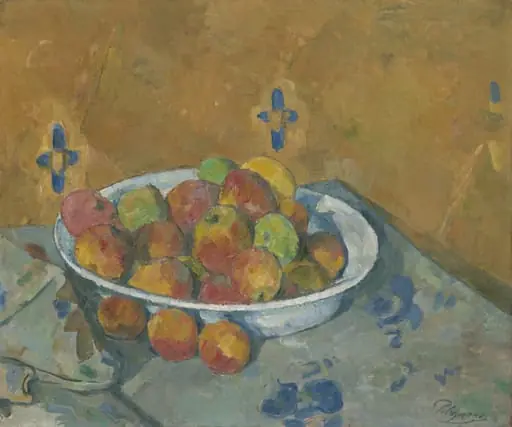 The Plate of Apples
 Émile Bernard
 Sunflowers