Artwork
Woman at the beach
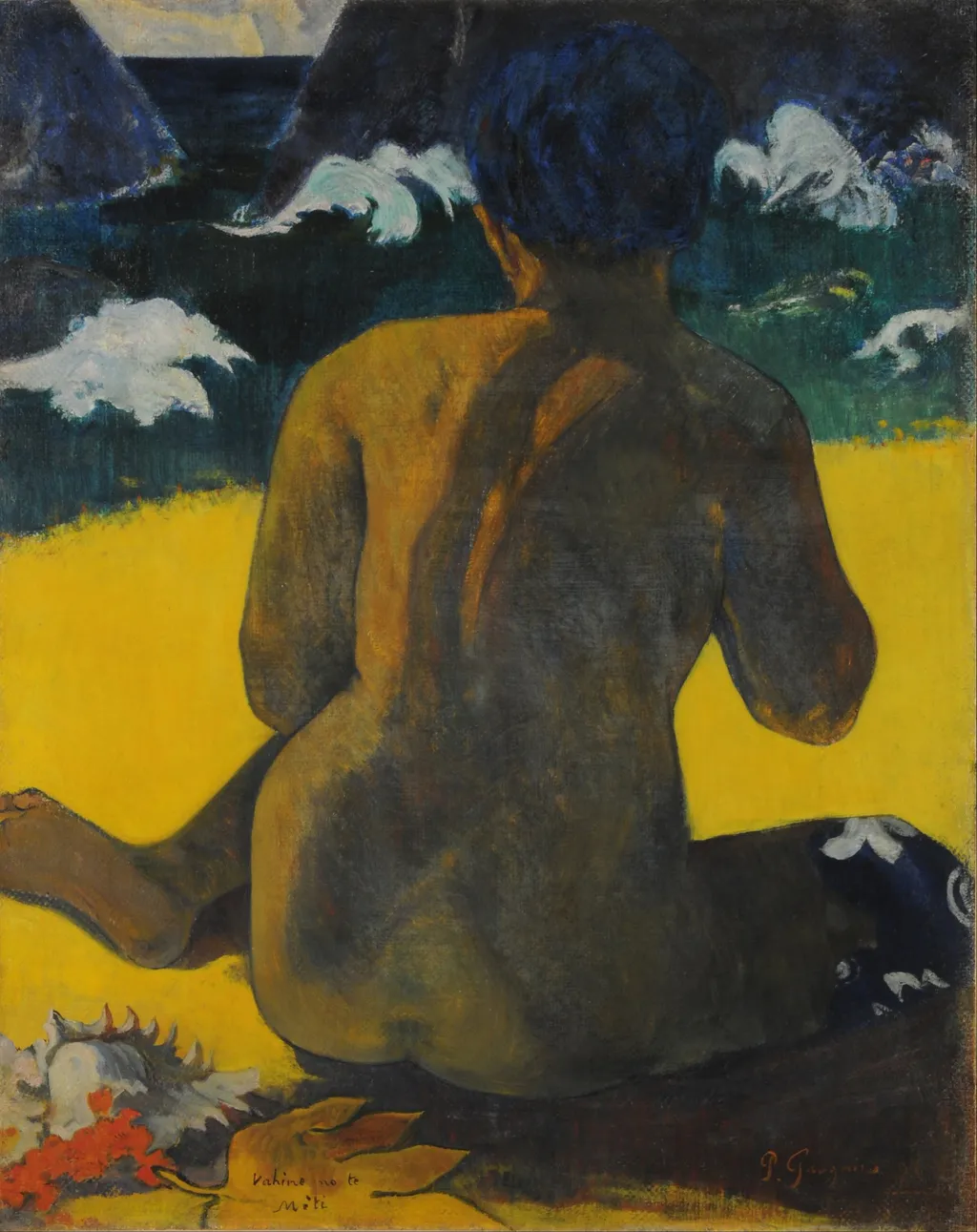
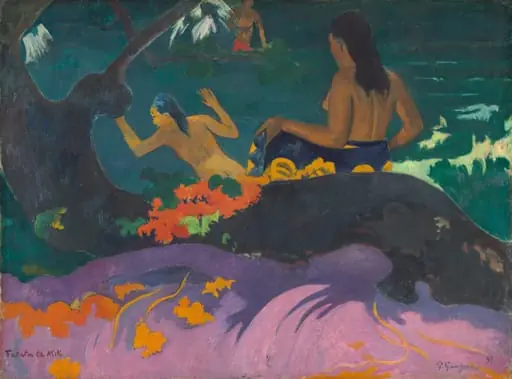
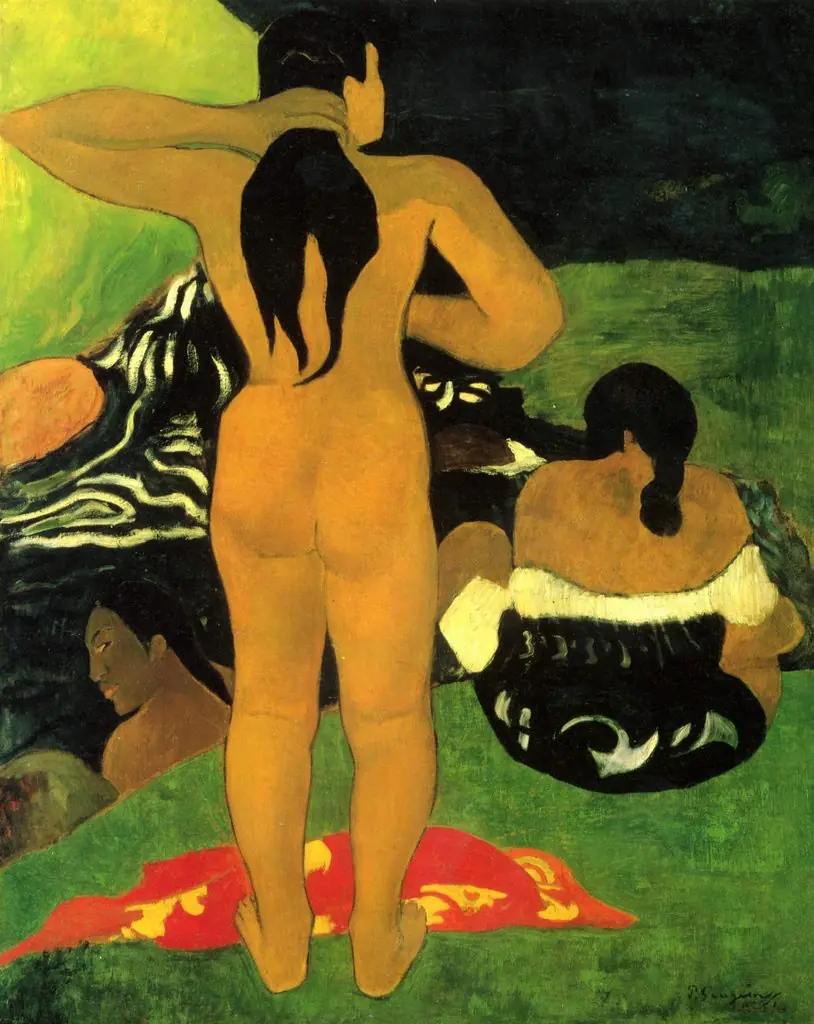
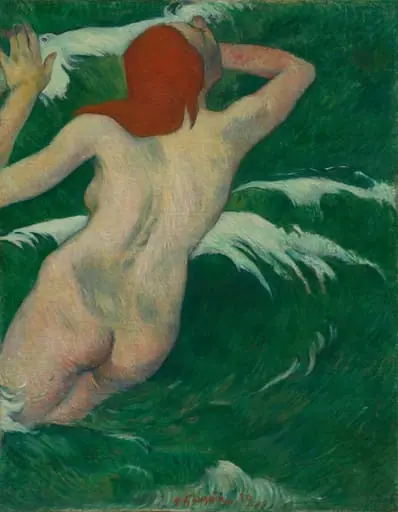
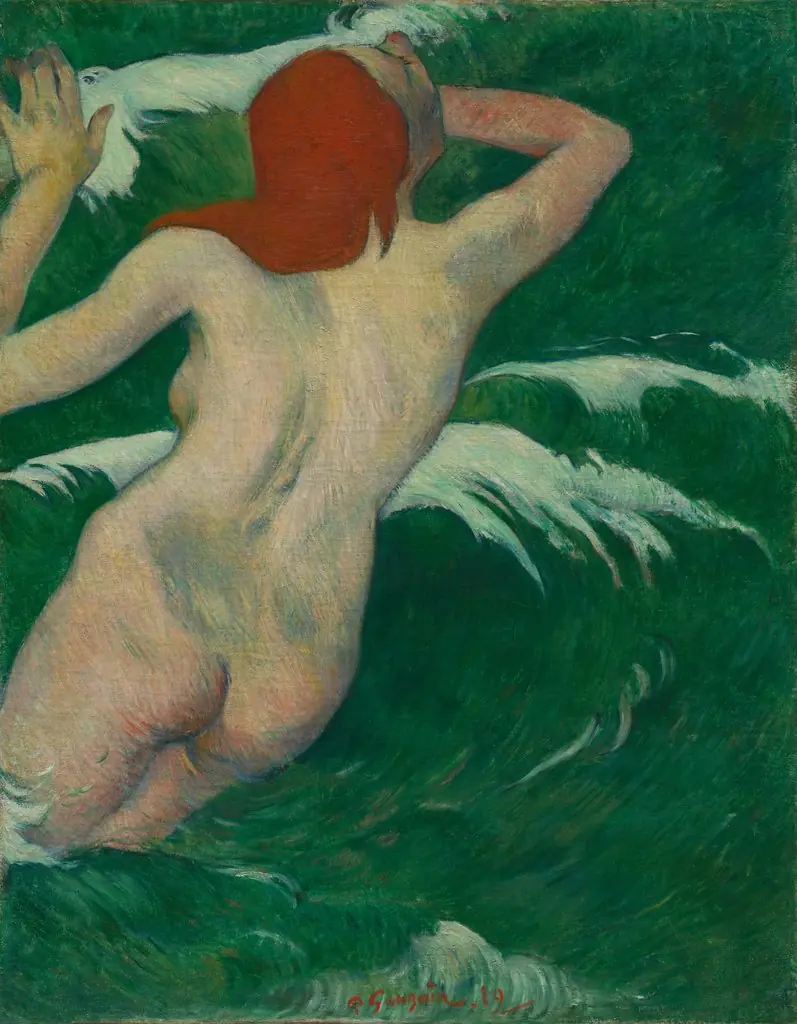
Woman at the beach is an oil painting by the Post-Impressionist artist Paul Gauguin. It dates from 1896 and is held in the collection of the National Museum of Fine Arts, Argentina.
About this work
Overview
The painting is part of the permanent collection at the National Museum of Fine Arts in Buenos Aires, where it stands as an example of his mature style.
Painted in 1896, *Woman at the Beach* is an oil on canvas work by Paul Gauguin, created during his time in French Polynesia. It reflects his departure from Western academic traditions and his pursuit of a more symbolic, emotionally charged visual language. The painting is part of the permanent collection at the National Museum of Fine Arts in Buenos Aires, where it stands as an example of his mature style.
Subject & Meaning
The figure is a nude woman seated on a shoreline, her back turned to the viewer, evoking introspection and distance. Her form is not rendered for realism but as a quiet emblem of harmony with nature. Gauguin often used such figures to represent idealized, non-Western femininity, drawing from local cultures he encountered. The isolation of the figure enhances a sense of stillness and spiritual contemplation.
Technique & Style
Gauguin employed flat planes of unmodulated color and strong outlines, characteristic of Synthetism. The woman’s body is simplified into smooth, sculptural forms, while the landscape is reduced to broad bands of yellow sand, blue-green sea, and pale clouds. Brushwork is deliberate and expressive, with no attempt at atmospheric perspective. Color is used symbolically rather than descriptively, reinforcing mood over realism.
History & Provenance
Created during Gauguin’s second stay in Tahiti, the painting emerged from a period of intense personal and artistic experimentation. After leaving Europe, he sought to escape industrial modernity and engage with indigenous life. The work entered the collection of the National Museum of Fine Arts in Buenos Aires in the 20th century, likely through acquisition or donation, though its exact path from Tahiti to Argentina remains undocumented.
Context
Gauguin’s work in the Pacific was shaped by colonial-era fascination with the 'exotic,' though he presented his subjects with a reverence uncommon among contemporaries. His rejection of naturalism aligned with broader Symbolist interests in inner experience over external appearance. This painting reflects his broader project: to construct a visual language rooted in myth, memory, and non-European aesthetics.
Legacy
Though not among Gauguin’s most widely reproduced works, *Woman at the Beach* exemplifies his influence on modern art’s move toward abstraction and emotional expression. Its bold color and simplified forms prefigure later developments in Expressionism and Primitivism. The painting continues to prompt discussion about representation, cultural appropriation, and the artist’s complex relationship with the societies he depicted.
Own this work as a print
Artist & collection
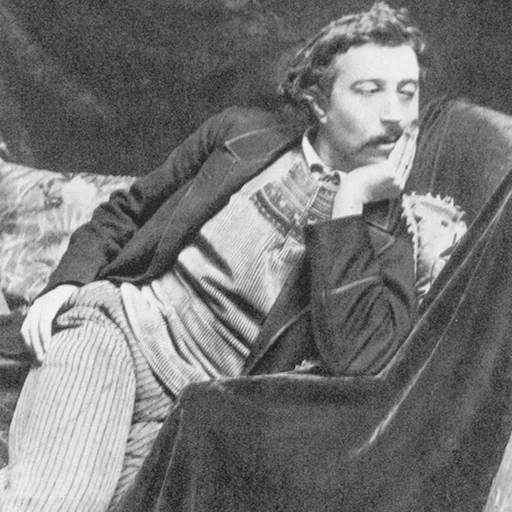
Artist
Eugène Henri Paul Gauguin (; French: ; 7 June 1848 – 8 May 1903) was a French painter, sculptor, printmaker, ceramist, and writer, whose work has been primarily associated with the Post-Impressionist and Symbolist movements.

Museum
National Museum of Fine Arts, Argentina
Continue through works from the same source collection.