Artwork
Women and a White Horse
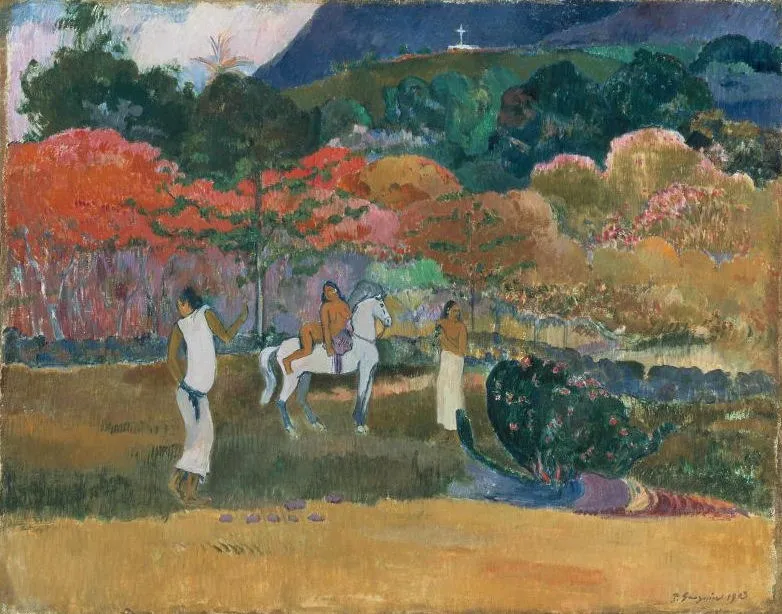
Women and a White Horse is an oil painting by the Post-Impressionist artist Paul Gauguin. It dates from 1903 and is held in the collection of the Museum of Fine Arts Boston.
About this work
Overview
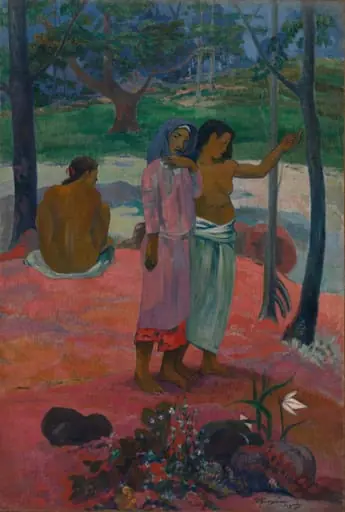
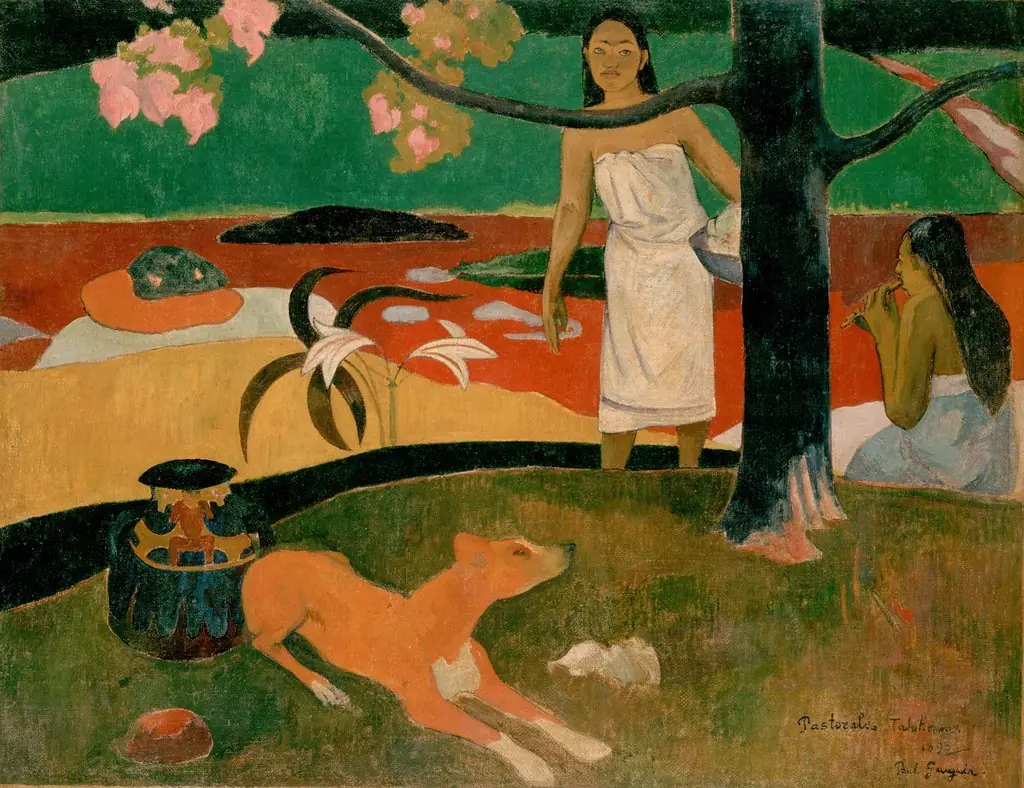
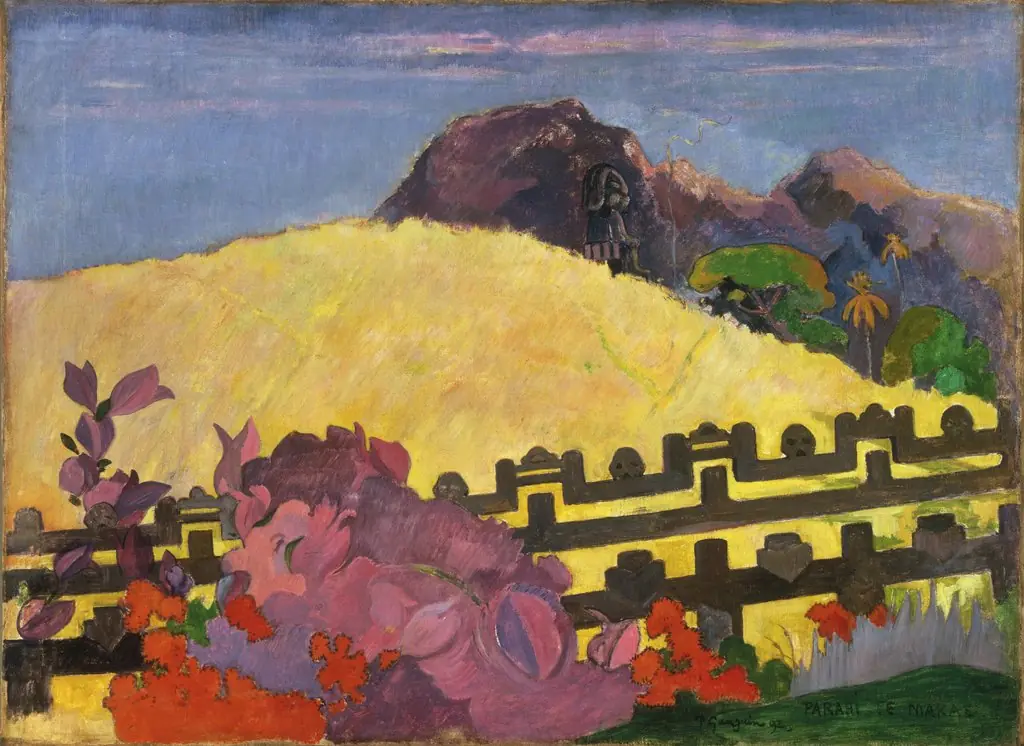
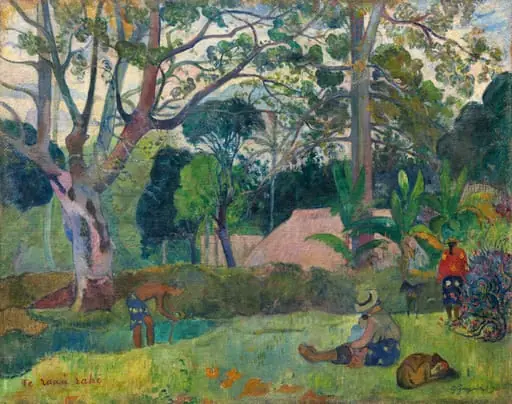
Painted in 1903, *Women and a White Horse* is an oil painting by French artist Paul Gauguin, characteristic of the Post-Impressionist movement. The scene features a white horse as a central element amidst a group of women in a natural setting.
Subject & Meaning
The painting depicts a serene outdoor moment with women in simple white attire gathered around a white horse. The composition conveys a sense of tranquility, evoking a secluded, peaceful atmosphere.
Technique & Style
Gauguin employed loose, expressive brushstrokes and a muted color palette dominated by greens, browns, and beiges. This style, reminiscent of Synthetism, emphasizes emotional expression over realistic representation.
History & Provenance
*Women and a White Horse* is part of the collection at the Museum of Fine Arts, Boston.
Context
Created during Gauguin's experimental period, this work reflects his broader artistic explorations across mediums, including painting, sculpture, printmaking, and ceramics, characterized by innovative color use.
Legacy
As a Post-Impressionist piece, *Women and a White Horse* contributes to the movement's shift towards subjective, emotionally charged art, influencing subsequent artistic developments.
Artist & collection
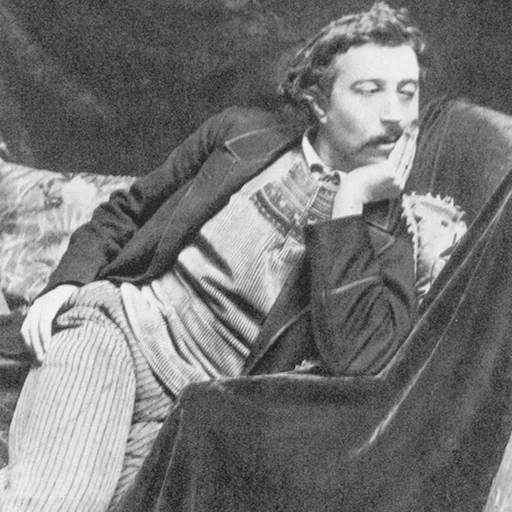
Artist
Eugène Henri Paul Gauguin (; French: ; 7 June 1848 – 8 May 1903) was a French painter, sculptor, printmaker, ceramist, and writer, whose work has been primarily associated with the Post-Impressionist and Symbolist movements.