Artwork
Lancelot Andrewes
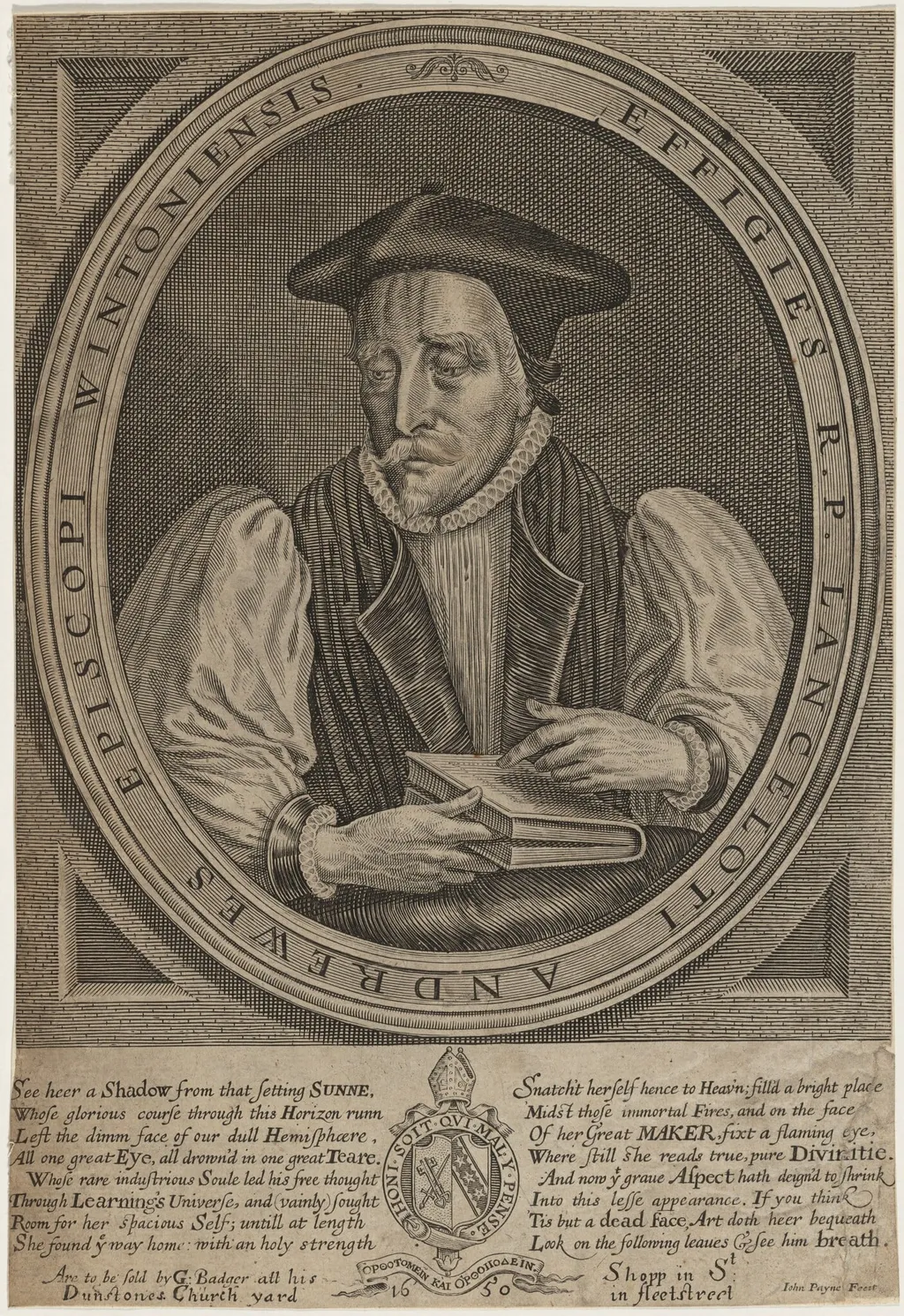
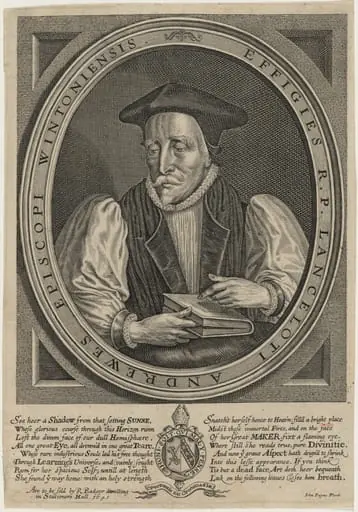
Lancelot Andrewes is an ink print by the Baroque artist John Payne. It is held in the collection of the National Gallery of Art.
About this work
Overview
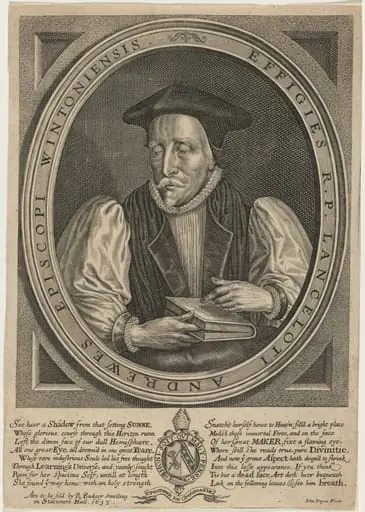
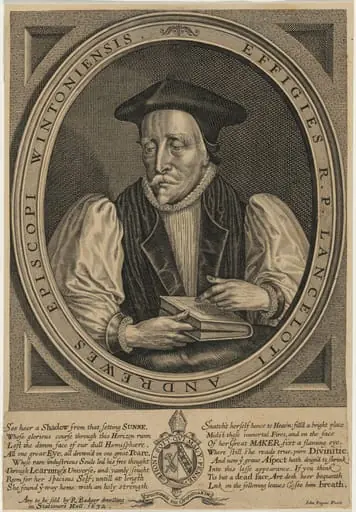
This 1650 engraving by John Payne portrays Lancelot Andrewes, a leading Anglican bishop and theologian. It is among the rare surviving prints by Payne, an English engraver active during the reign of Charles I. The work exemplifies the precision and restrained elegance characteristic of mid-17th-century British portraiture, executed in fine line work on paper.
Subject & Meaning
Andrewes is depicted as a learned cleric, his serious gaze and formal attire reflecting his scholarly and ecclesiastical authority. The book he holds symbolizes his theological scholarship and devotion to scripture. The absence of ornate background or symbolic objects directs focus to his intellectual presence, reinforcing his identity as a key figure in Anglican doctrine.
Technique & Style
Payne employed fine, controlled engraving lines to render texture in the ruffled collar and the weight of the hat, while the dark, unmodeled background enhances the subject’s three-dimensionality. The composition follows the conventions of portrait engraving of the period, emphasizing clarity and dignified stillness over dramatic flair, aligning with the understated aesthetic of English Baroque printmaking.
History & Provenance
Created in 1650, the engraving emerged during a period of political and religious upheaval in England. Payne’s work was relatively uncommon among native engravers, making this piece a rare example of domestic print production before the rise of continental influence. Its survival suggests it was valued by collectors or institutions connected to the Church of England.
Context
Lancelot Andrewes was a central figure in the translation of the King James Bible and a defender of Anglican orthodoxy. His portrait, produced during the Interregnum, likely served to preserve his legacy amid the suppression of episcopal authority. The engraving reflects the enduring cultural importance of religious scholars even when their institutions were under threat.
Legacy
As one of the few known works by John Payne, this engraving stands as a testament to the skill of early English printmakers. It contributes to the historical record of Anglican leadership and the visual culture of 17th-century religious identity. The image continues to be referenced in studies of ecclesiastical portraiture and the material history of the English Reformation.
Artist & collection
Artist
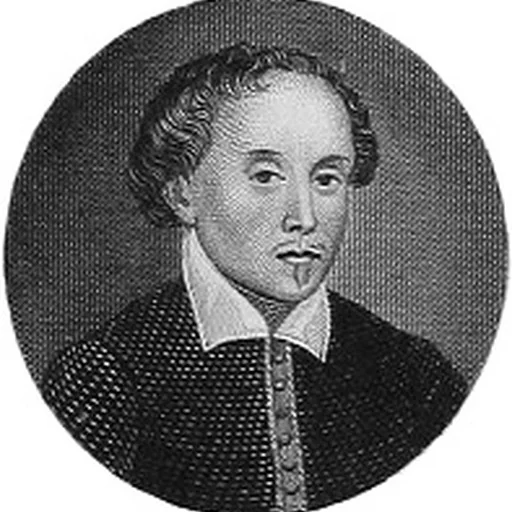
John Payne (1607–1647) was an English engraver, who was one of the earliest exponents of the art of engraving in England. His best work was the finest produced by a native-born engraver working during the reign of Charles I.

 Lancelot Andrewes
 Lancelot Andrewes, Bishop of Winchester
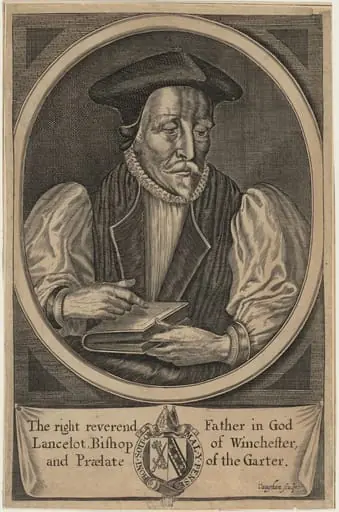 Lancelot Andrewes, Bishop of Winchester
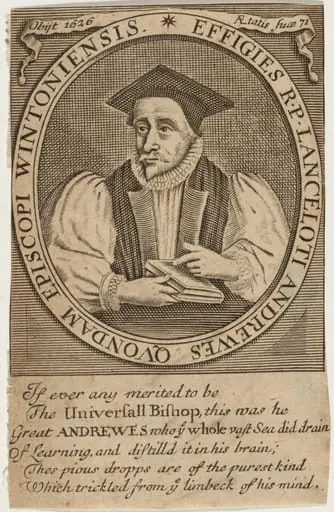 Lancelot Andrewes
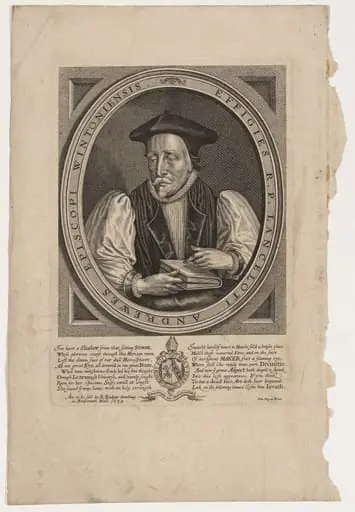 Lancelot Andrewes, Bishop of Winchester
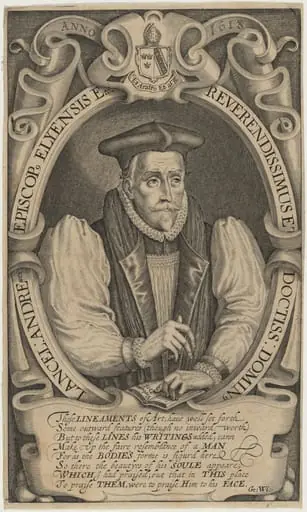 Lancelot Andrewes, Bishop of Winchester
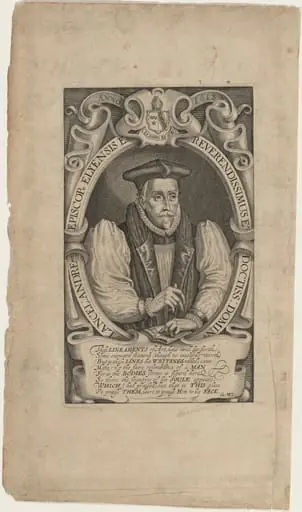 Lancelot Andrews, Bishop of Ely and Winchester
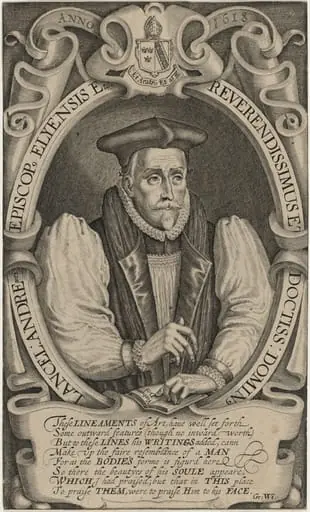 Lancelot Andrews, Bishop of Ely and Winchester
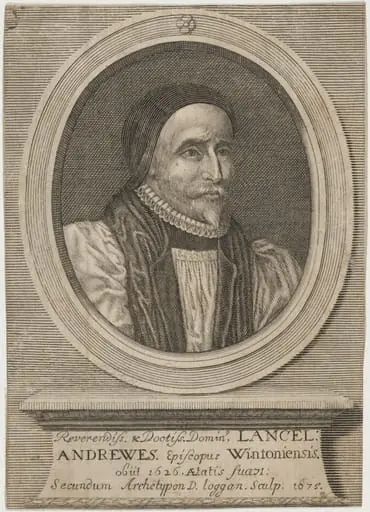 Lancelot Andrewes, Bishop of Winchester