Artwork
Sir Edward Coke
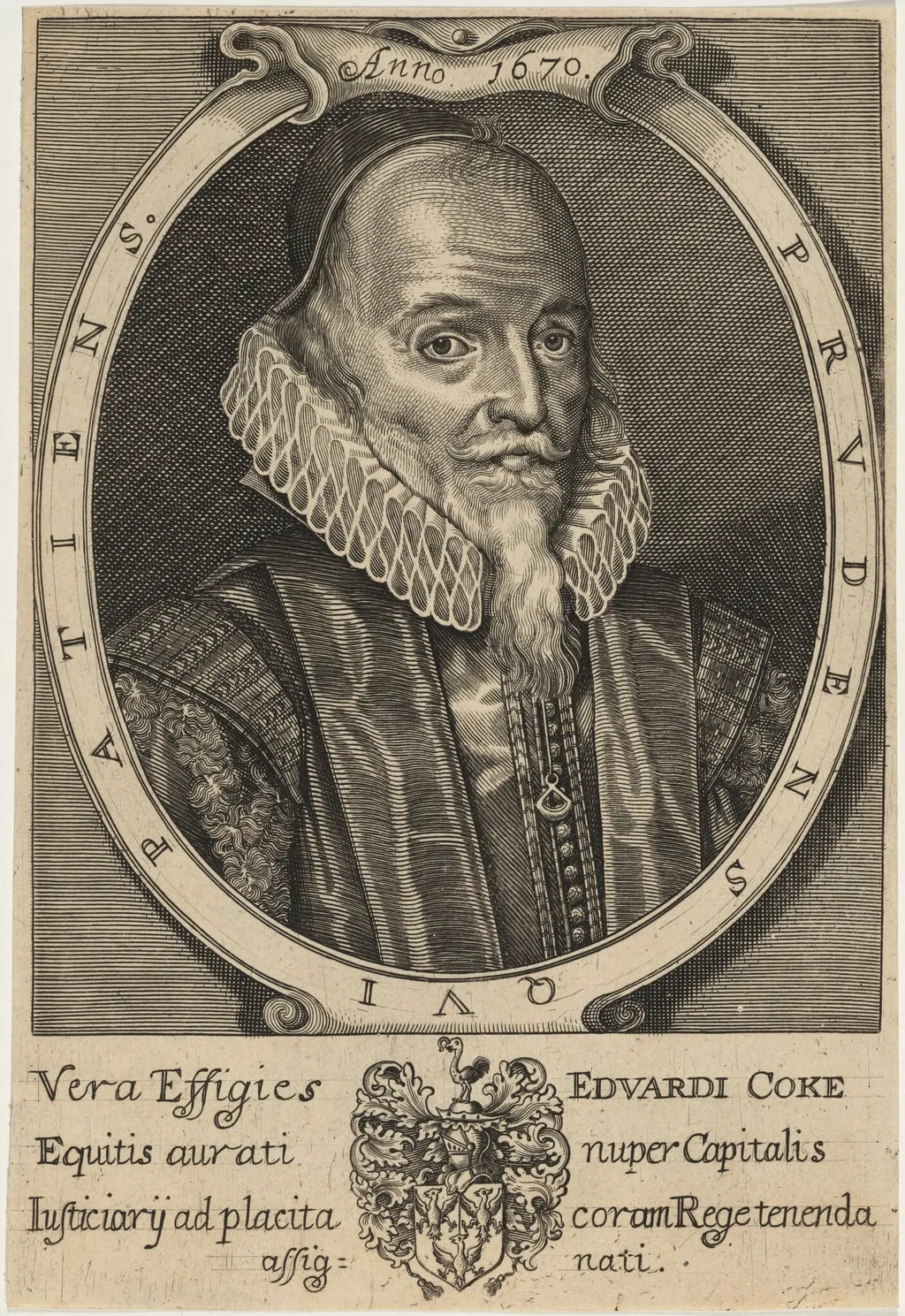
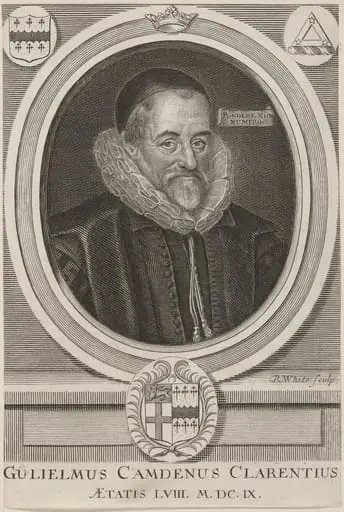
Sir Edward Coke is an ink print by the Baroque artist John Payne. It is held in the collection of the National Gallery of Art.
About this work
The background is plain, but the edges of the frame are decorated with letters and swirls.
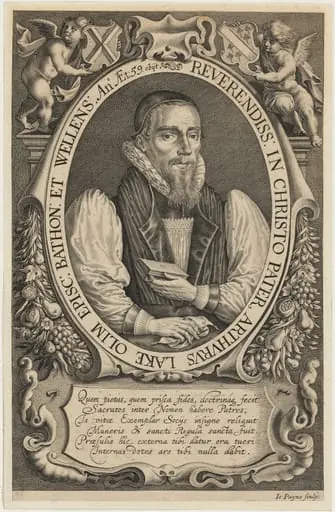
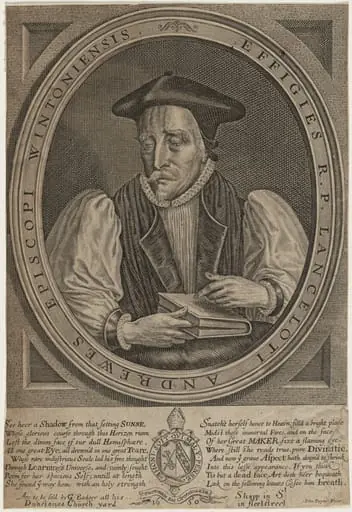
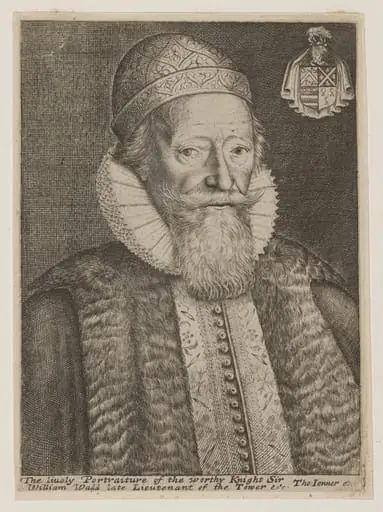
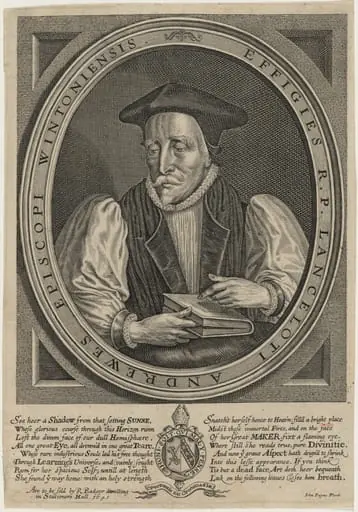
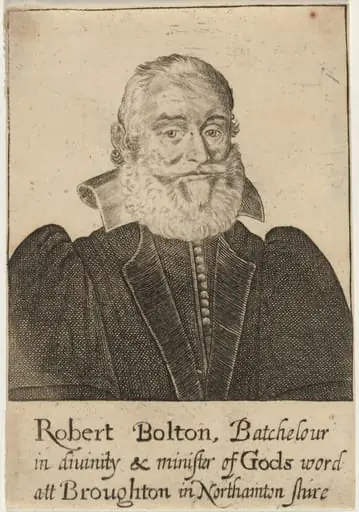
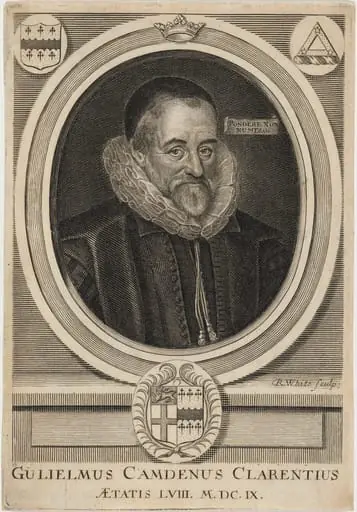
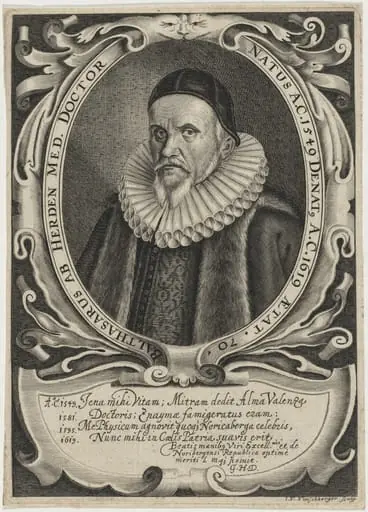
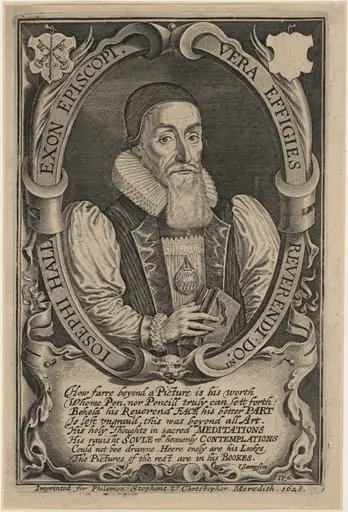
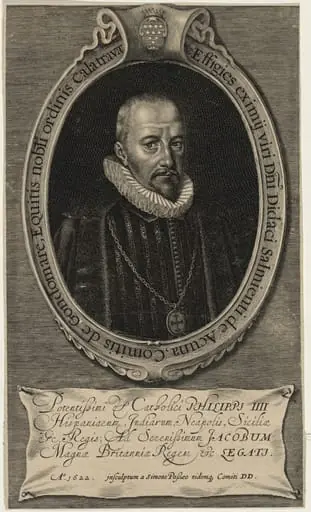
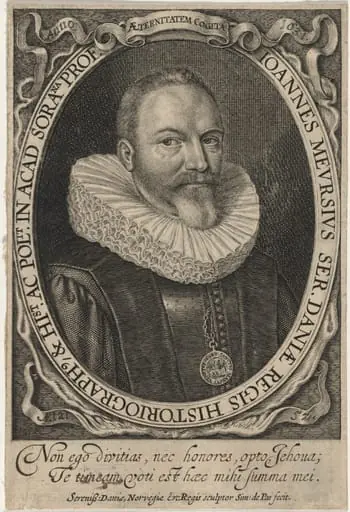
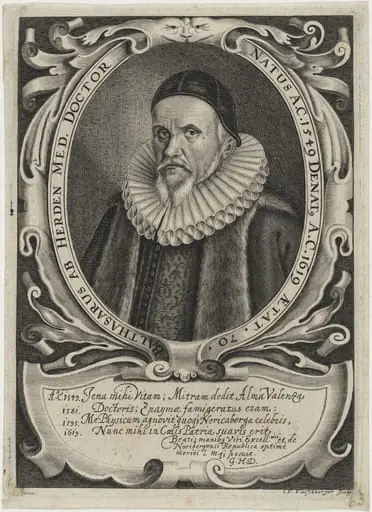
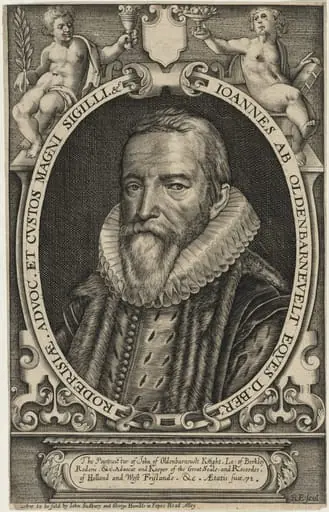
This is a black-and-white portrait of a man with a serious expression. He has a thick beard and mustache, and his hair is short. His collar is high, and he’s wearing a chain around his neck. The background is plain, but the edges of the frame are decorated with letters and swirls.
The text below says this is a "true likeness" of someone important, likely a judge. The date 1670 is written at the top. This kind of careful detail was common in portraits from that time.
Next, look up engraving to see how artists created sharp, precise images like this one.
Overview
This 1670 copperplate engraving presents Sir Edward Coke, the eminent 17th‑century English jurist and parliamentarian. Rendered in stark black and white, the portrait shows Coke with a solemn expression, a full beard, short hair, and a high‑collared shirt accented by a chain. The plain background is framed by ornamental lettering and scrollwork, emphasizing the sitter’s status as a figure of authority.
Subject & Meaning
Sir Edward Coke (1552–1634) is celebrated for his foundational legal treatises and his vigorous defense of parliamentary privilege. The engraving captures his dignified bearing, reflecting his reputation as a steadfast defender of common law and constitutional limits on royal power. The inscription describing the image as a “true likeness” underscores the contemporary desire to memorialize his judicial gravitas.
Technique & Style
Executed by the hand of John Payne, an early native‑born English engraver, the print demonstrates the fine line work characteristic of mid‑17th‑century engraving. Payne’s skillful use of cross‑hatching creates depth in the facial features and fabric, while the crisp ornamental border showcases the period’s penchant for decorative framing in portrait prints.
History & Provenance
Although the plate bears the date 1670, its creator John Payne had died in 1647, indicating that the work was likely printed posthumously from his original copper. Payne was active during the reign of Charles I, a time when English engraving began to develop a distinct national style separate from continental influences.
Context
The portrait belongs to a broader tradition of legal and political portraiture that circulated among the educated elite in Restoration England. Such prints served both as visual records of prominent figures and as didactic tools, reinforcing the authority of jurists like Coke amid ongoing debates over the balance of power between Crown and Parliament.
Artist & collection
Artist
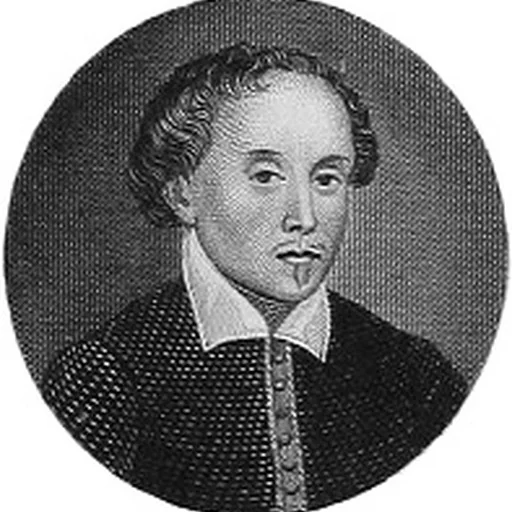
John Payne (1607–1647) was an English engraver, who was one of the earliest exponents of the art of engraving in England. His best work was the finest produced by a native-born engraver working during the reign of Charles I.