Artwork
Title Page to John Boys' Works
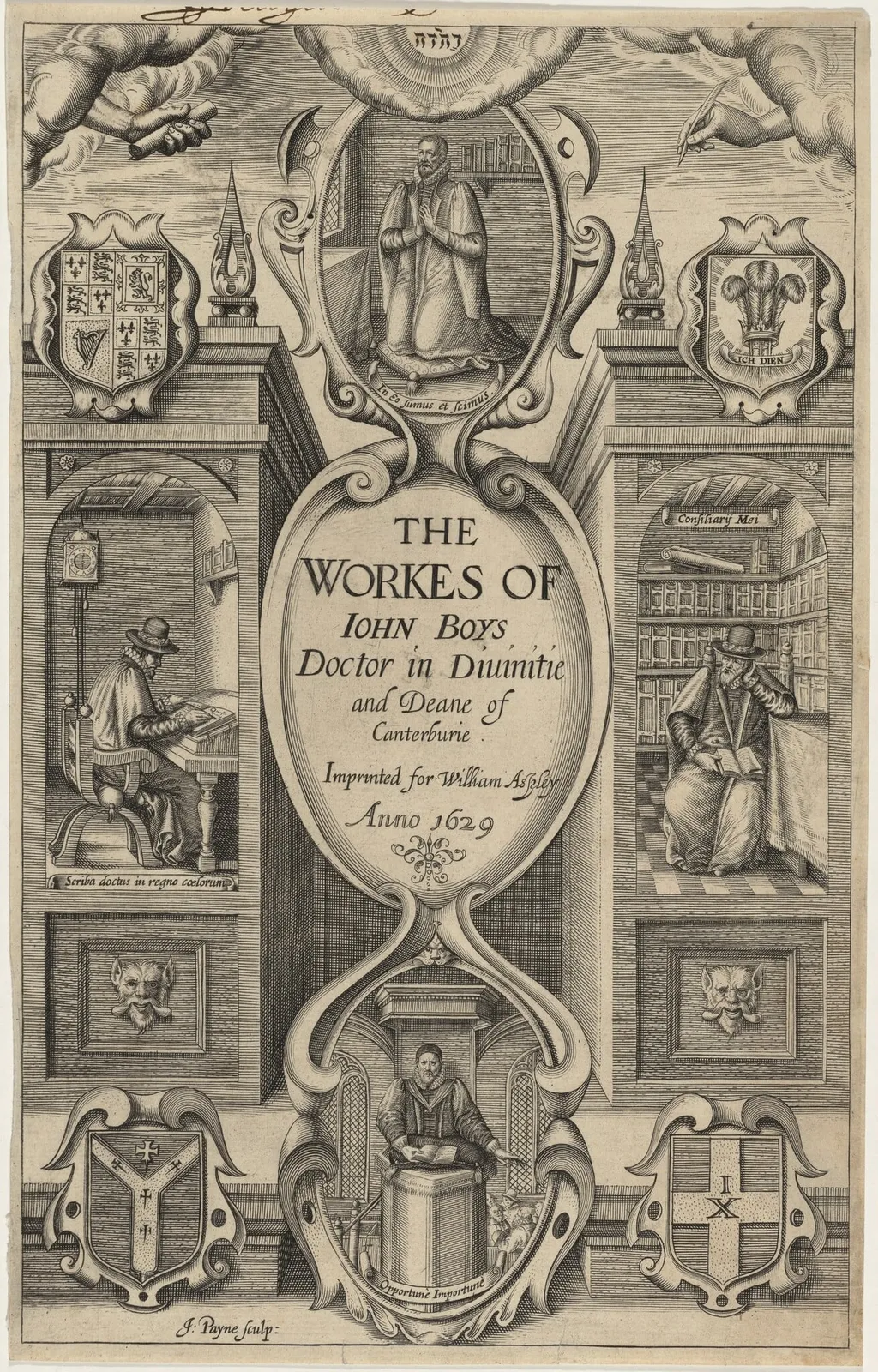
Title Page to John Boys' Works is an ink print by the Baroque artist John Payne. It dates from 1627 and is held in the collection of the National Gallery of Art.
About this work
Overview
This 1627 engraving by John Payne functioned as the title page for *The Workes of Iohn Boys*, introducing the collected works of John Boys, a doctor and dean. The intricate design, characteristic of early 17th-century English engraving, features a central figure on a pedestal surrounded by ornate details and symbolic elements.
Subject & Meaning
The engraving's central figure, a robed man on a pedestal, is flanked by smaller scenes of scholarly pursuits (a scholar at a desk and another reading by a window) and heraldic shields with symbolic motifs. These elements collectively signify the scholarly and ecclesiastical stature of John Boys.
Technique & Style
Executed using the engraving technique, where lines are carved into metal, the print showcases Payne's mastery of this method. The result is a densely detailed composition with precise lines, reflecting the stylistic precision of early English engraving under royal patronage.
History & Provenance
Created in 1627 by John Payne, an early prominent English engraver, this work was produced during the reign of Charles I, highlighting Payne's role in the burgeoning English engraving tradition under royal support.
Context
As a title page, this engraving served a functional role in 17th-century book design, while its artistic quality represented the growing sophistication of English engraving, distinguishing it from imported works.
Legacy
While specific long-term impacts of this engraving on subsequent art are not well-documented, it remains a notable example of early 17th-century English engraving and the patronage of the time, contributing to the historical record of the medium's development in England.
Artist & collection
Artist
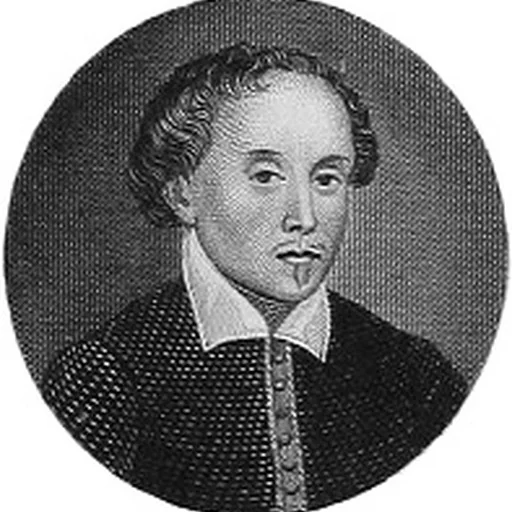
John Payne (1607–1647) was an English engraver, who was one of the earliest exponents of the art of engraving in England. His best work was the finest produced by a native-born engraver working during the reign of Charles I.

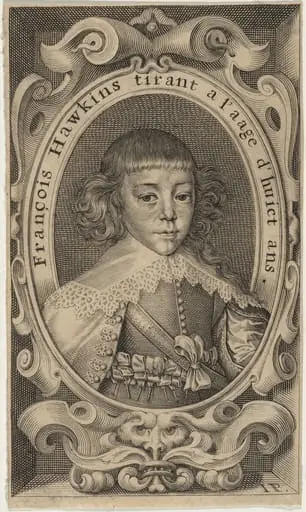
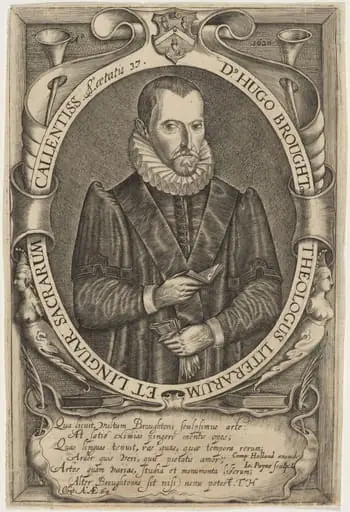
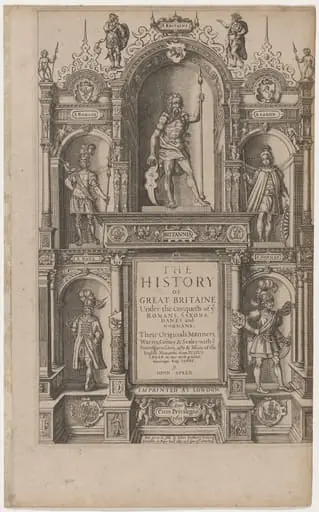 Title Page to "The History of Great Britaine" by John Speed
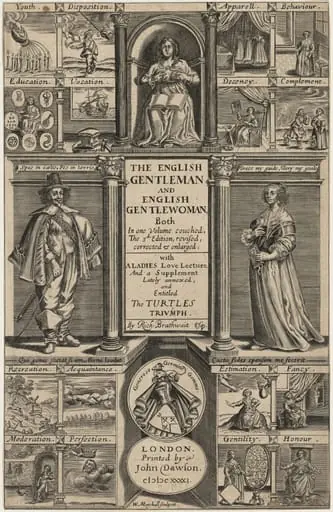 Title page to Richard Brathwait, English Gentleman and English Gentlewoman
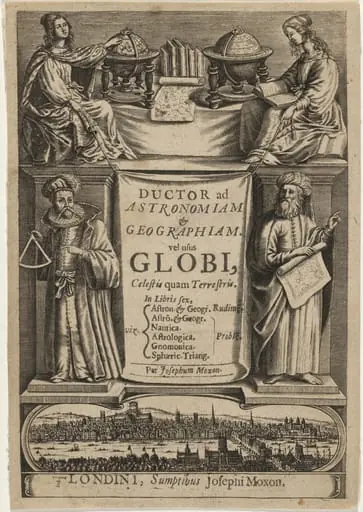 Title Page to J. Moxon, Ductor ad Astronomianet Geographiam
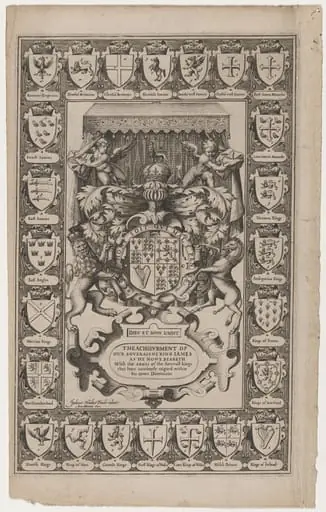 Title Page for the Achievement of our Soveraigne King James
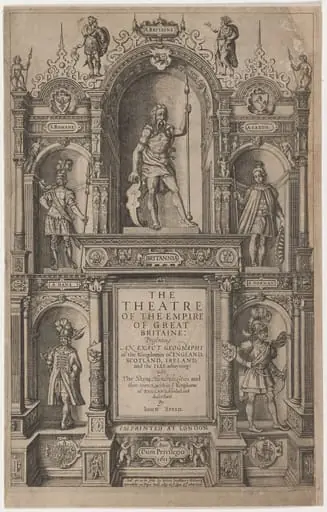 Title Page to "The Theatre of the Empire of Great Britaine" by John Speed
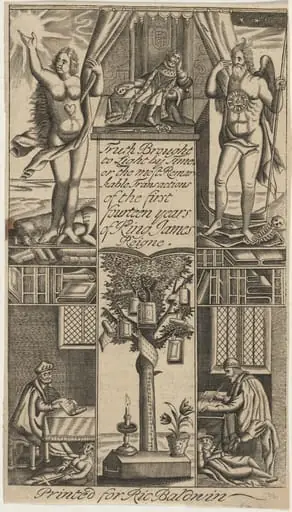 Frontispiece to Truth Brought to Light by Time
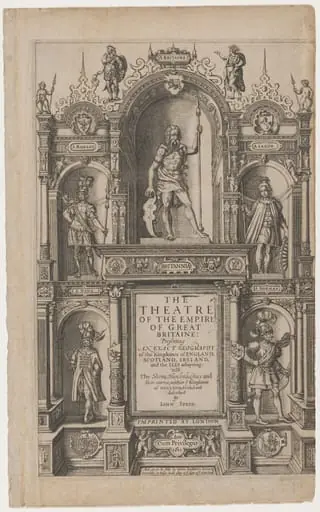 Title Page to "The Theatre of the Empire of Great Britaine" by John Speed
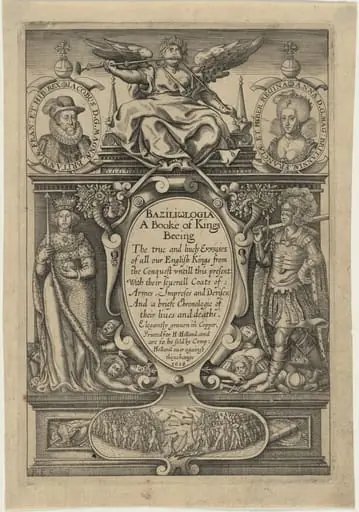 Title page, Baziliologia
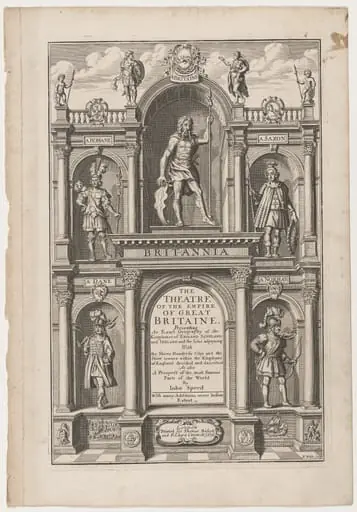 Title Page to "The Theatre of the Empire of Great Britaine" by John Speed
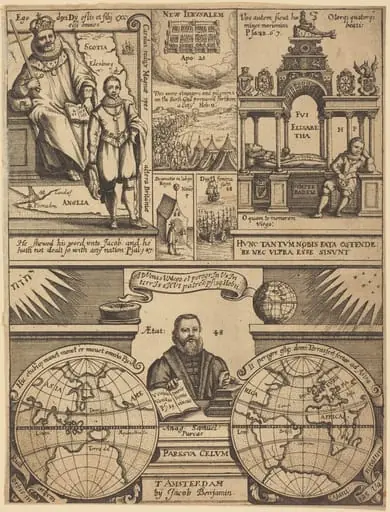 Frontispiece
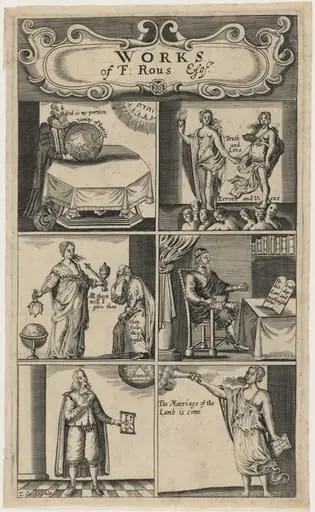 Title Page to F. Rous' Works
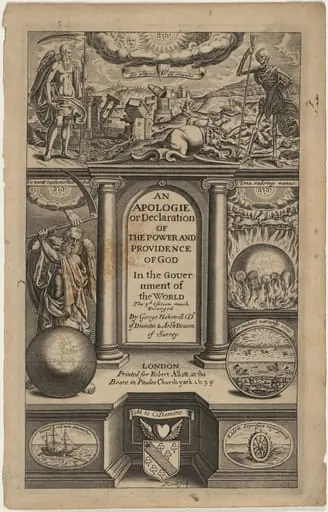 Title Page to An Apologie, or Declaration of the Power and Providence of God