Artwork
Arthur Lake, Bishop of Bath and Wells
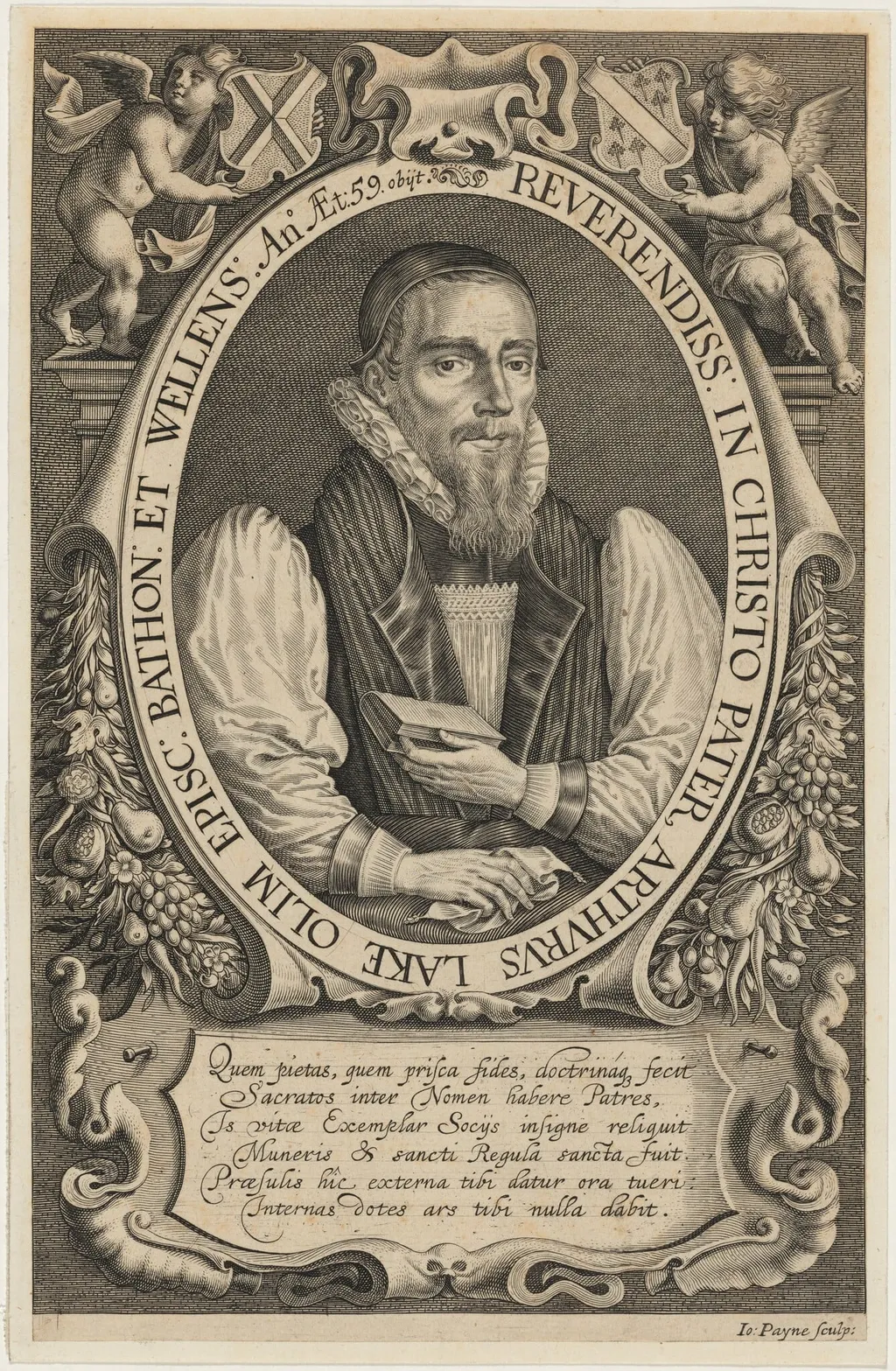
Arthur Lake, Bishop of Bath and Wells is an ink print by the Baroque artist John Payne. It dates from 1629 and is held in the collection of the National Gallery of Art.
About this work
Overview
This engraving by John Payne, produced in 1629, portrays Arthur Lake, Bishop of Bath and Wells, as a dignified ecclesiastical figure.
This engraving by John Payne, produced in 1629, portrays Arthur Lake, Bishop of Bath and Wells, as a dignified ecclesiastical figure. Executed in fine line work, the portrait is framed within an ornate border featuring cherubs and floral motifs. Payne, among England’s earliest skilled native engravers, used this piece to demonstrate technical precision and compositional control, aligning with the growing demand for portrait prints during the early Stuart period.
Subject & Meaning
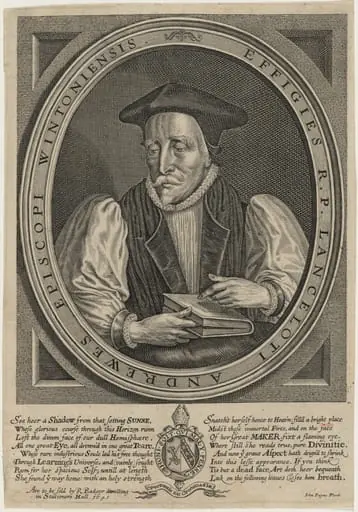
Arthur Lake, a prominent bishop in the Church of England, is depicted in formal clerical attire: a dark outer garment, white shirt with full sleeves, and a high collar. The elaborate frame, adorned with cherubs and fruit, signals his status and the institutional authority of his office. The portrait does not idealize or allegorize; instead, it presents a sober, authoritative presence, reflecting the bishop’s role as both spiritual leader and public figure.
Technique & Style
Payne employed fine cross-hatching to model the bishop’s face and fabric, creating subtle gradations of light and shadow. The texture of the shirt’s ruffles and the depth of the dark coat are rendered through carefully layered lines, demonstrating mastery of tonal control. The ornamental border, though decorative, is engraved with equal precision, reinforcing the print’s formal structure and the engraver’s attention to detail.
History & Provenance
Created during the reign of Charles I, the engraving emerged in a period when portrait prints were becoming tools of social and religious representation. As one of the first English engravers to achieve technical distinction without foreign training, Payne’s work was circulated among clergy and aristocracy. The print’s survival suggests it was valued as both a likeness and a symbol of ecclesiastical legitimacy.
Context
In early 17th-century England, engraving was still developing as a native art form, often reliant on continental models. Payne’s work helped establish a domestic tradition of portrait engraving, particularly for ecclesiastical subjects. The inclusion of elaborate framing, common in continental prints, was adapted here to suit English tastes, blending imported aesthetics with local subject matter.
Legacy
John Payne’s engraving of Arthur Lake stands as an early example of English engraving’s growing technical confidence. While not widely reproduced, it influenced subsequent portrait engravers by demonstrating that native artists could produce refined, authoritative images without foreign models. The work remains a reference point in the history of British printmaking, illustrating the transition from imitation to original execution.
Artist & collection
Artist
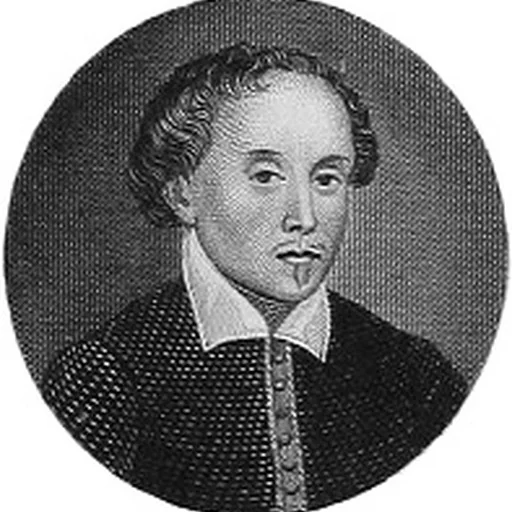
John Payne (1607–1647) was an English engraver, who was one of the earliest exponents of the art of engraving in England. His best work was the finest produced by a native-born engraver working during the reign of Charles I.

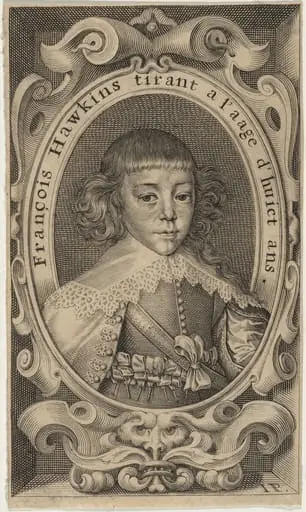
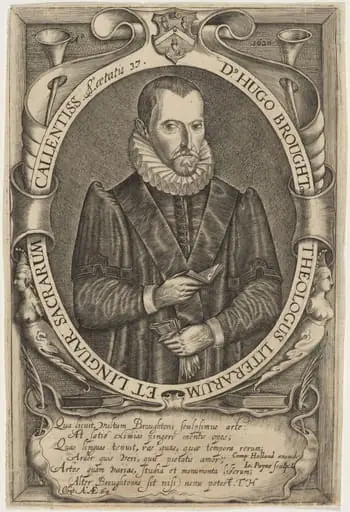
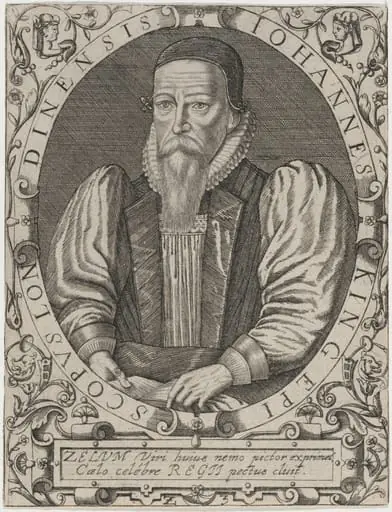 John King, Bishop of London
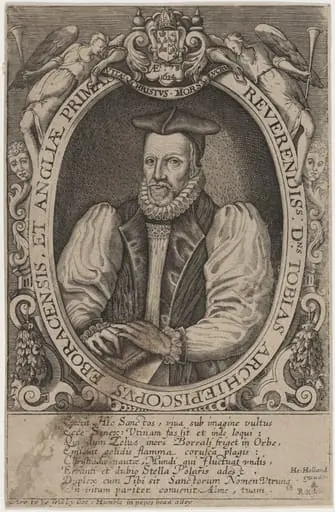 Tobias Matthew, Archbishop of York
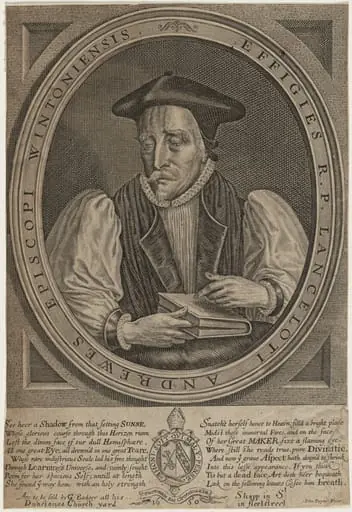
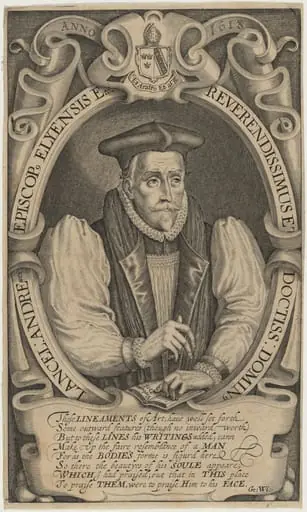 Lancelot Andrewes, Bishop of Winchester
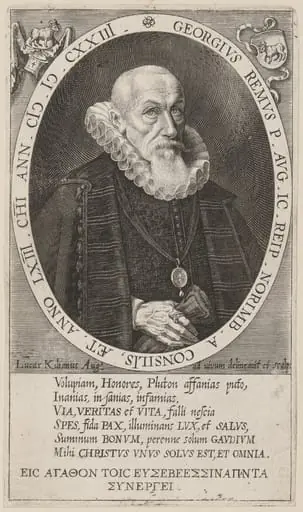 Georgius Remus
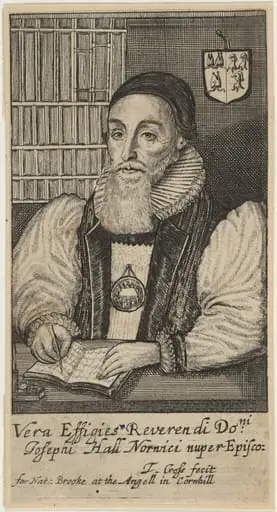 Reverendi Doni: Josephi Hall Norwici Nuper Episco. (Joseph Hall, Bishop of Norwich)
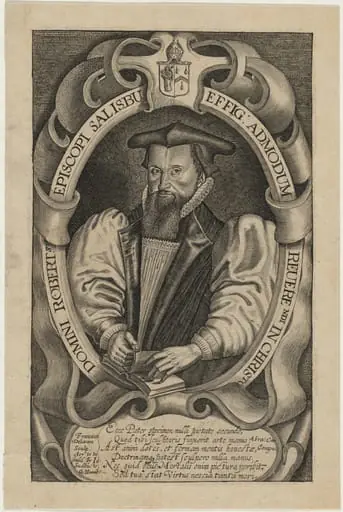 Domini Robert Episcopi Salisbury (Robert Abbot, Bishop of Salisbury)
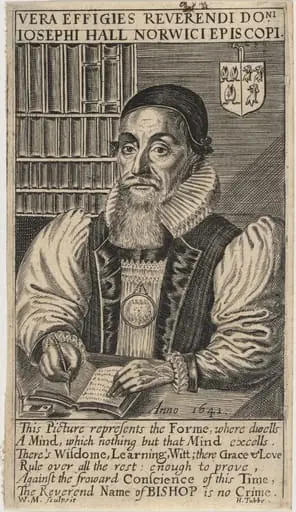 Joseph Hall, Bishop of Norwich
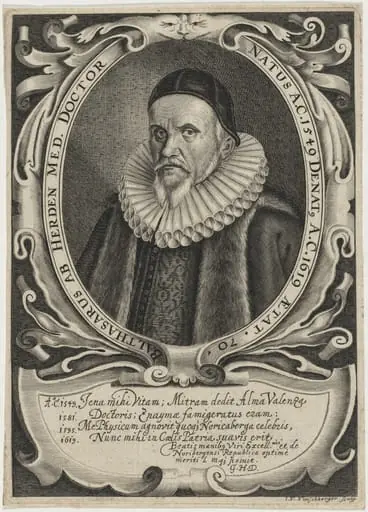 Balthasarus ab Herden Med. Doctor
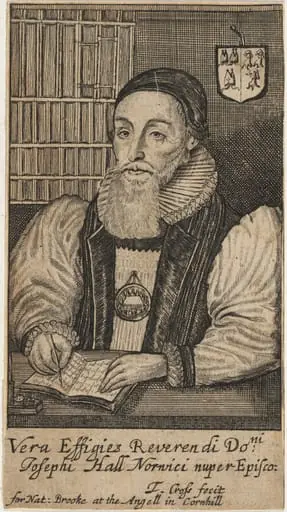 Reverendi Doni: Josephi Hall Norwici Nuper Episco. (Joseph Hall, Bishop of Norwich)
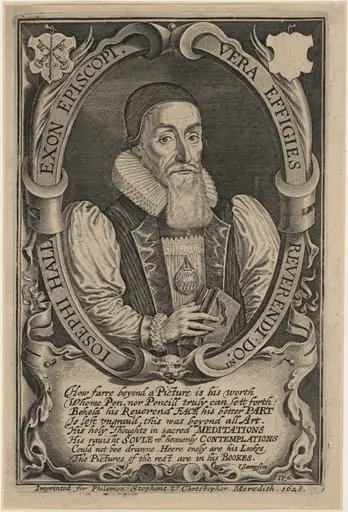 Joseph Hall, Bishop of Exeter and Norwich