Artwork
Llyn Cwellyn, near Beddgelert
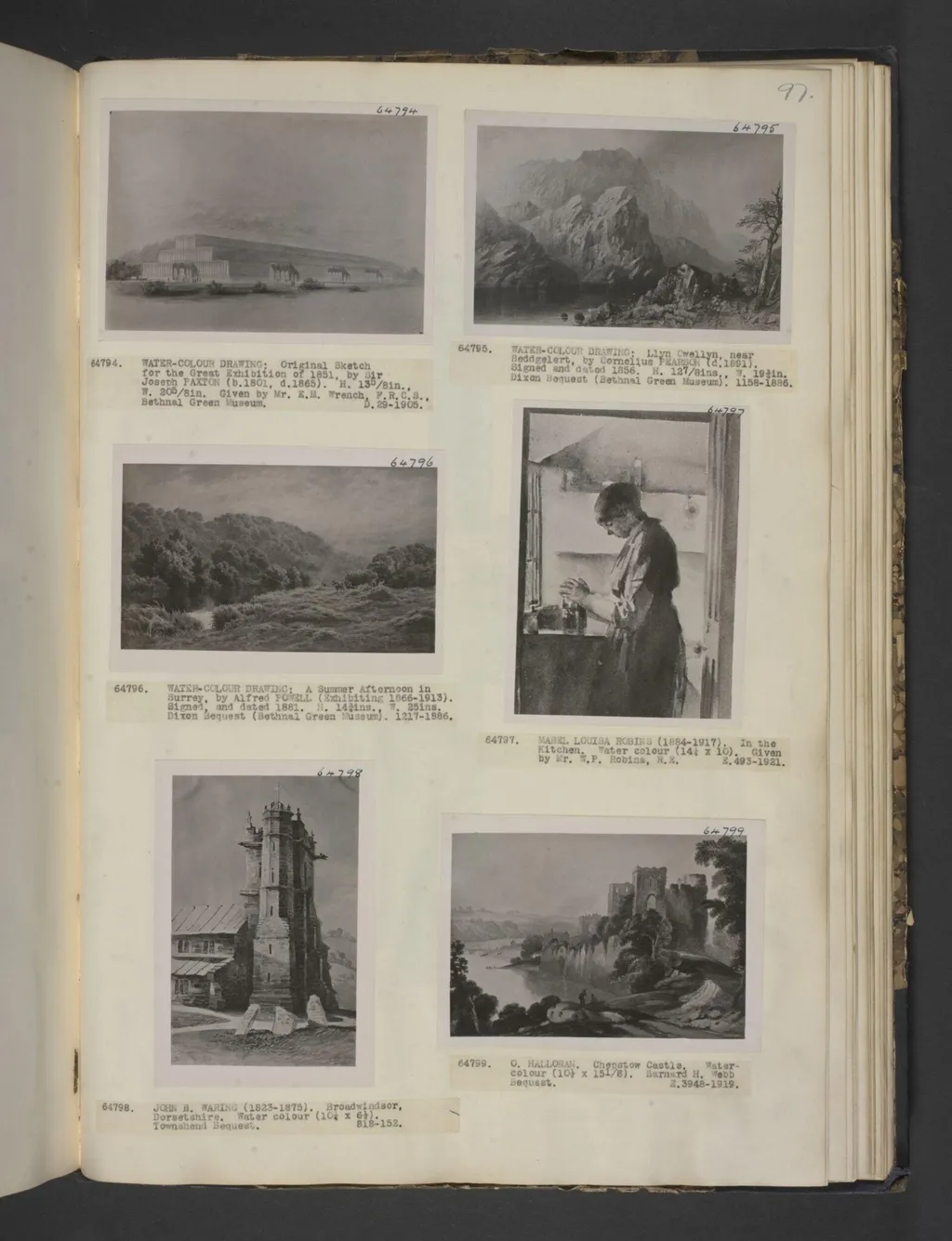
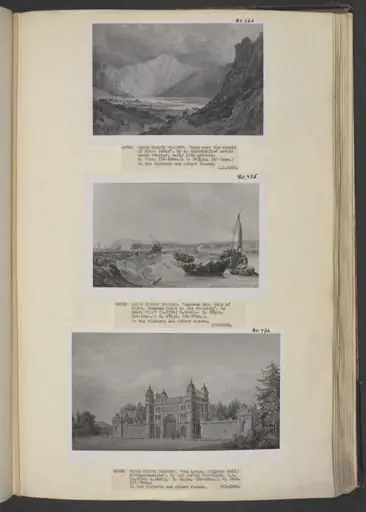
Llyn Cwellyn, near Beddgelert is a watercolor work on paper by the British Romanticist artist Cornelius Pearson. It dates from 1856 and is held in the collection of the Victoria and Albert Museum.
About this work
Overview
Rendered in delicate washes, the piece conveys a sense of stillness and solitude, characteristic of mid-nineteenth-century British landscape watercolours.
Painted in 1856, this watercolour by Cornelius Pearson captures a tranquil mountain lake in North Wales, near Beddgelert. The work is signed and dated by the artist, affirming its origin and timing. Rendered in delicate washes, the piece conveys a sense of stillness and solitude, characteristic of mid-nineteenth-century British landscape watercolours. Its modest scale and intimate perspective invite quiet contemplation rather than grand spectacle.
Subject & Meaning
The scene depicts Llyn Cwellyn, a remote lake framed by steep, rocky cliffs and sparse vegetation. The absence of human figures or structures emphasizes nature’s quiet dominance. The mist softens the horizon, blurring the boundary between land and sky, suggesting a moment suspended in time. This portrayal reflects a Romantic sensibility, valuing solitude and the subtle beauty of untamed landscapes over dramatic narrative.
Technique & Style
Pearson employed light, translucent washes to suggest atmospheric depth and the damp coolness of the air. Soft, blended strokes model the mist clinging to the cliffs, while minimal detail in the distant peaks enhances their ethereal quality. The palette is restrained—cool blues, greys, and muted greens—avoiding saturation to preserve the scene’s hushed tone. The paper’s texture subtly contributes to the sense of moisture and stillness.
History & Provenance
Created in 1856, the watercolour was likely made during a period when British artists increasingly traveled to Wales for its rugged scenery. While its early ownership is undocumented, its preservation and signature suggest it was kept as a personal study or gift. It entered institutional collection later, aligning with the Victorian era’s growing interest in preserving topographical and amateur watercolours as cultural records.
Context
In mid-19th century Britain, watercolour was widely practiced by both professionals and amateurs as a medium for recording landscapes. Artists like Pearson were influenced by the Picturesque movement and the rise of tourism in Wales. This work fits within a broader trend of documenting remote natural sites, often with scientific or sentimental intent, reflecting a cultural shift toward valuing wilderness as a source of aesthetic and emotional resonance.
Legacy
Though not widely exhibited during Pearson’s lifetime, this watercolour contributes to the historical record of Welsh landscape representation. It exemplifies the quiet, observational approach favored by many Victorian watercolourists who prioritized mood over spectacle. Today, it remains a modest but authentic example of how artists engaged with the natural world before the dominance of photography and modernist abstraction.
Artist & collection
Artist
British watercolor artist Cornelius Pearson spent years painting distant landscapes and scenes after 1849.

 Llyn-y- Cau, the tarn near the summit of Cader Idris, Merionethshire, North Wales
 The Challenge: A Lady Interposing Between Two Cavaliers
 Snowdon : Evening
 Castle, lake and mountains
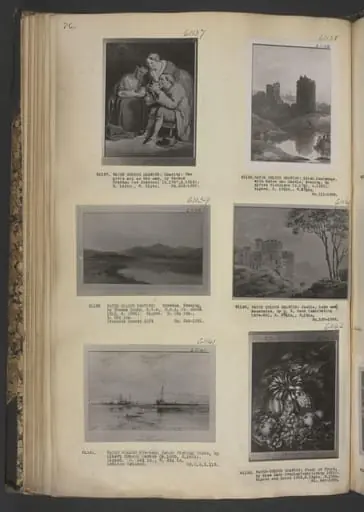 Two Girls and an Old Man
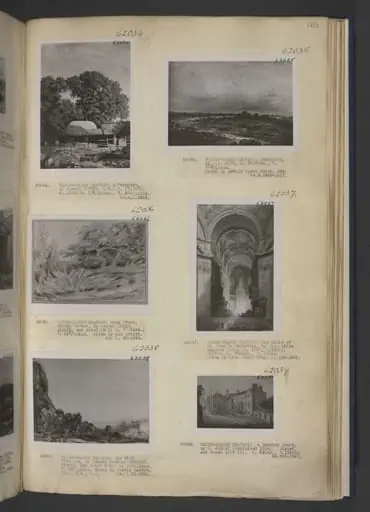 The View from Eze
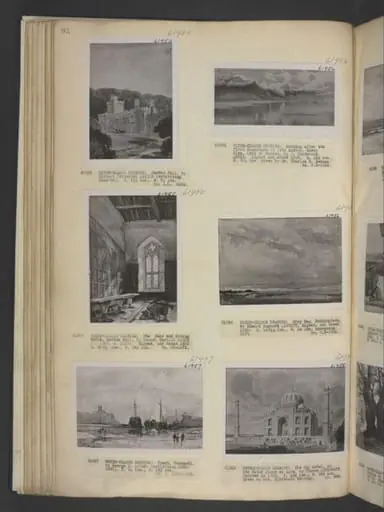 Grey Day, Rottingdean
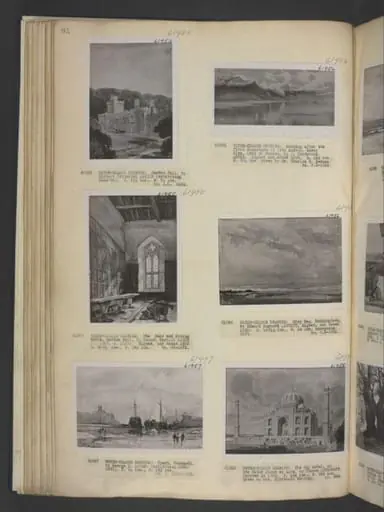 Morning after the first snowstorm in late autumn, Savoy Alps, Lake of Geneva
 Town and lake of Como, Italy