Artwork
Theodore Agrippa d'Aubigné
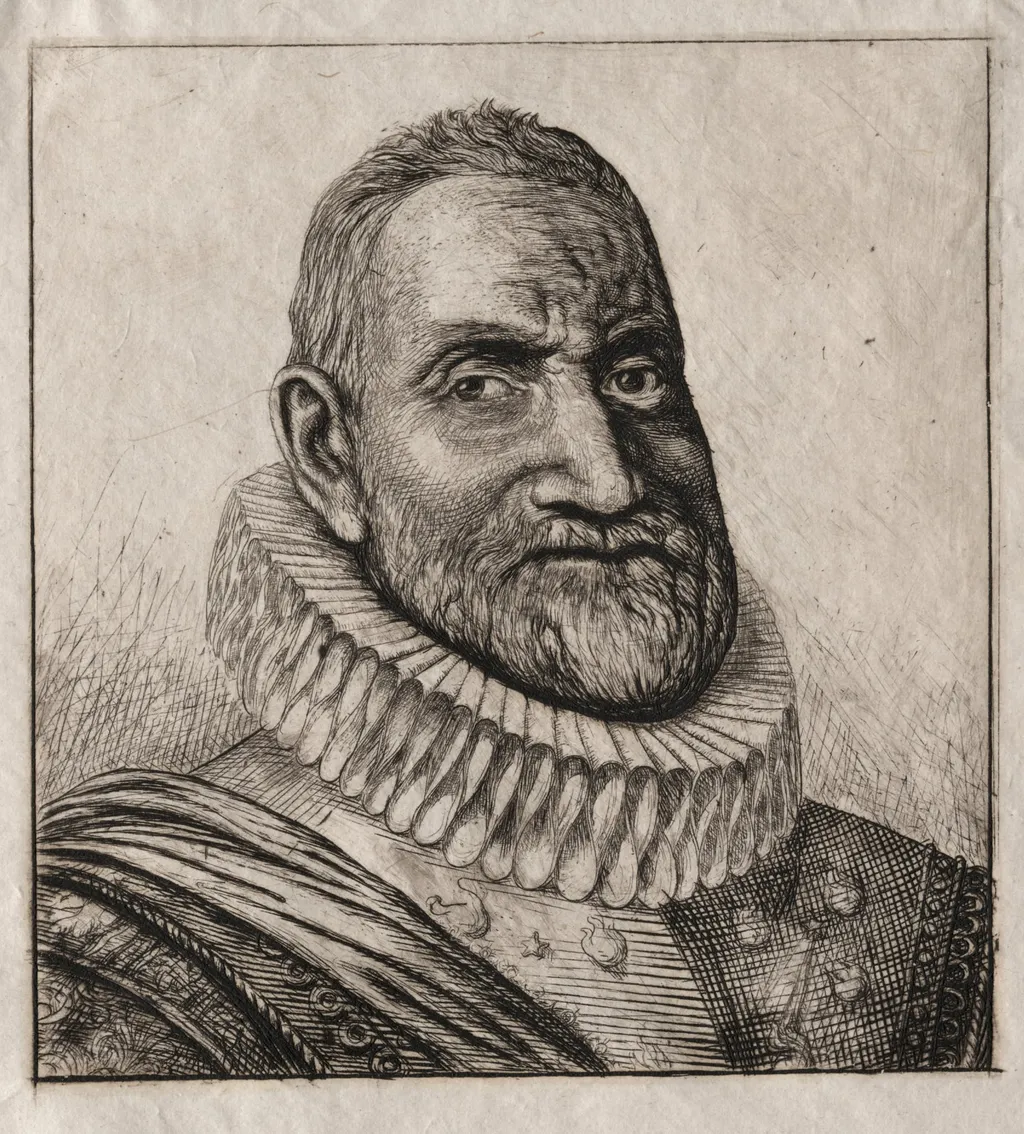
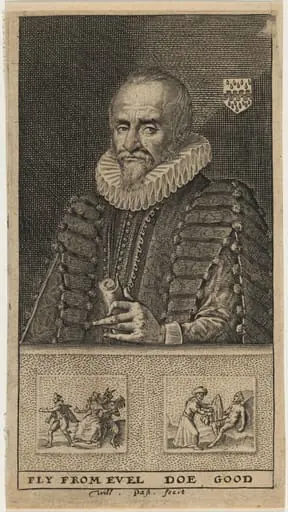
Theodore Agrippa d'Aubigné is a print by the Impressionist artist Charles Meryon. It dates from 1862 and is held in the collection of the Cleveland Museum of Art.
About this work
Overview
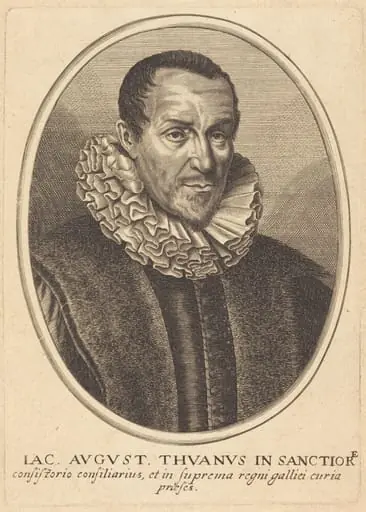
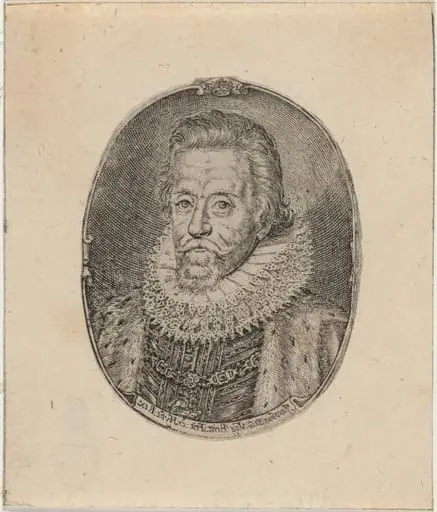
Charles Meryon's 1862 etching, *Theodore Agrippa d'Aubigné*, is a portrait of the renowned French poet and historian, rendered in sharp, high-contrast lines characteristic of Meryon's Gothic-inspired style.
Subject & Meaning
The subject, Agrippa d'Aubigné, was a key figure in the Protestant Reformation. Meryon's portrayal captures the intensity and wisdom of the older man through expressive facial wrinkles and a contemplative pose, with hands resting on his chest.
Technique & Style
Executed in etching—a medium Meryon favored due to his colour blindness—the work showcases his mastery of chiaroscuro, with deep shadows around the face contrasting sharply with lighter areas, and meticulous attention to texture, notably in the three-dimensional appearance of the beard and starched, ruffled collar.
History & Provenance
Created in 1862, this etching solidifies Meryon's position as 19th-century France's most significant etcher, despite the limited biographical information available on the piece's specific provenance or exhibition history.
Context
Part of a broader body of work where Meryon applied his distinctive Gothic vision to Parisian and historical subjects, *Theodore Agrippa d'Aubigné* reflects the artist's interest in capturing the essence of influential figures through his unique, heavily shaded etching technique.
Legacy
This portrait contributes to Meryon's legacy as a premier etcher, highlighting his ability to evoke depth and character through stark contrasts and textured detail, influencing subsequent generations of printmakers with his expressive, high-contrast style.
Artist & collection
Artist
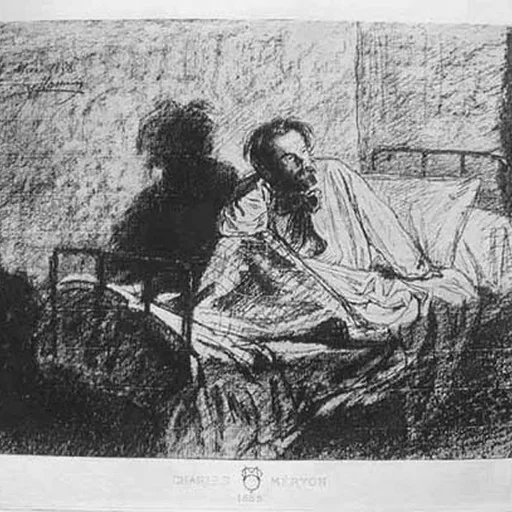
Charles Meryon (sometimes Méryon, 23 November 1821 – 14 February 1868) was a French artist who worked almost entirely in etching, as he had colour blindness.