Artwork
In memoriam
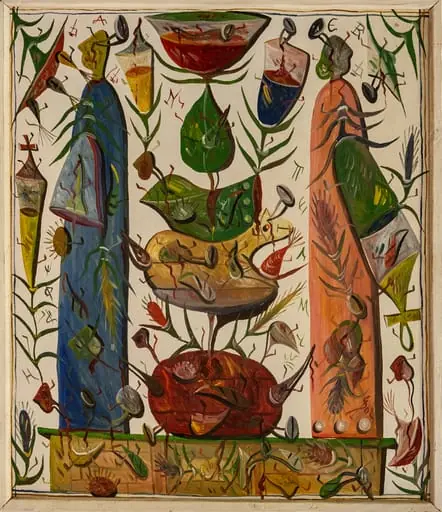
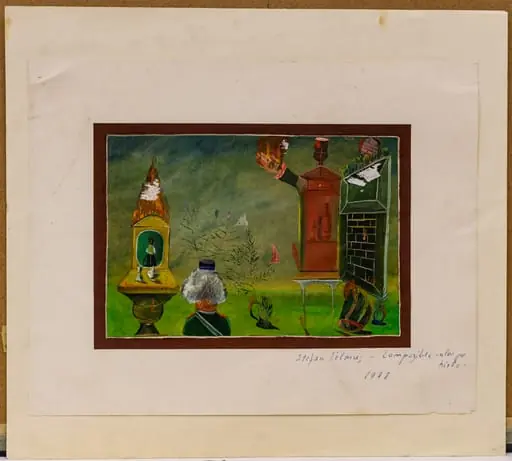
In memoriam is an unspecified painting by Ștefan Pelmuș. It dates from 1977 and is held in the collection of the Gavrila Simion Eco-Museum Research Institute Tulcea.
About this work
If you’re curious about artists who use blankness or absence in their work, look up Pelmuș, Ștefan.
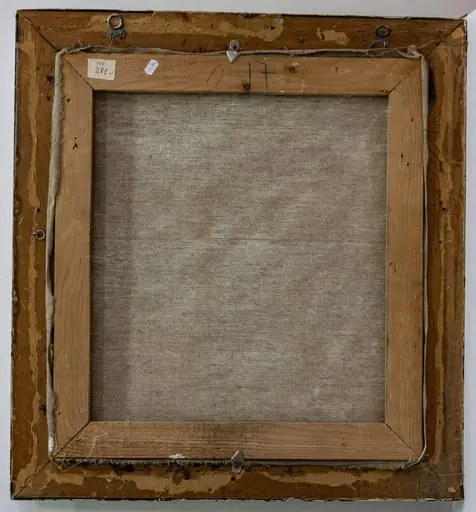
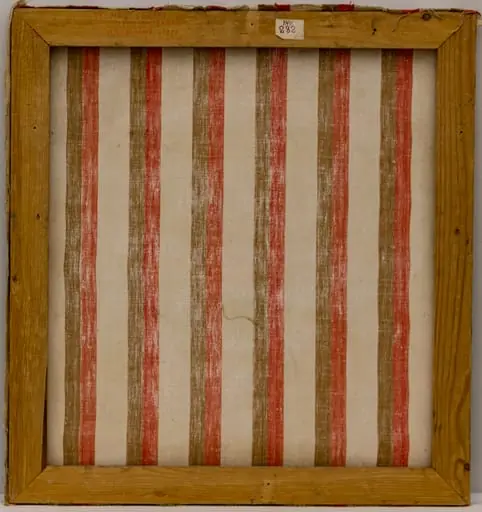
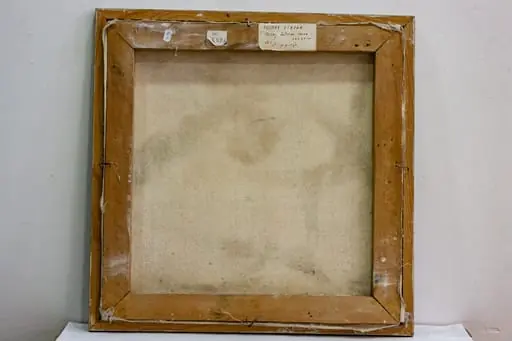
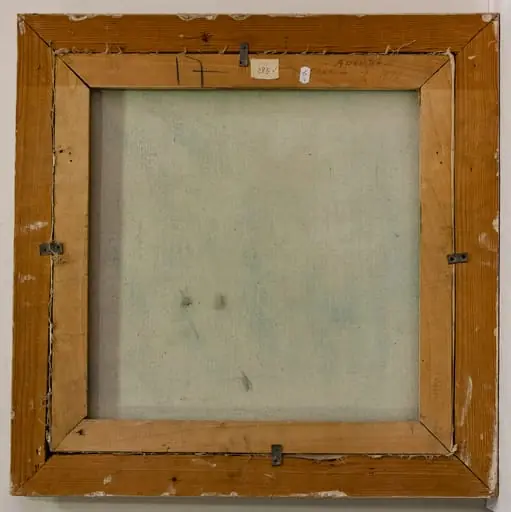
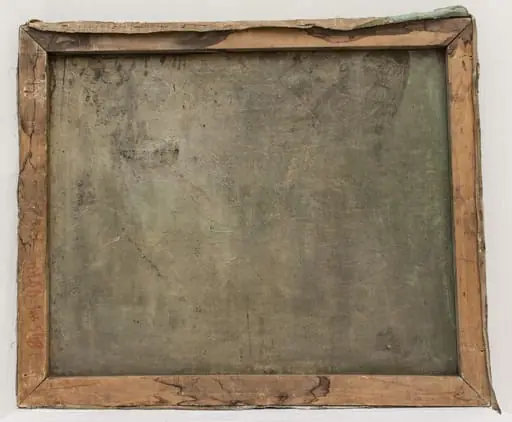
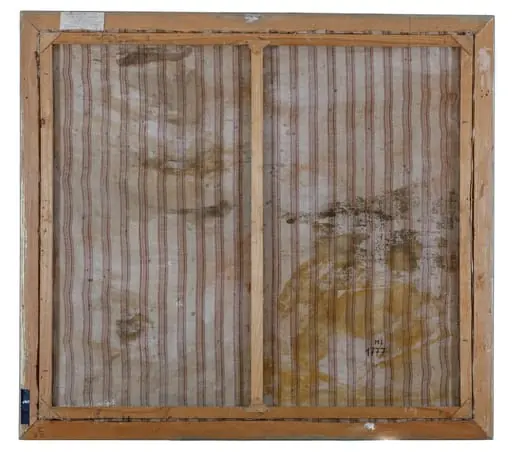
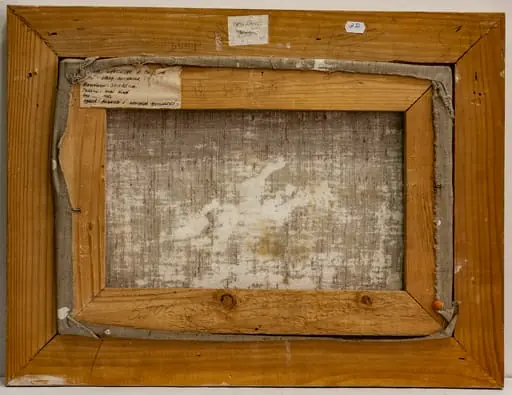
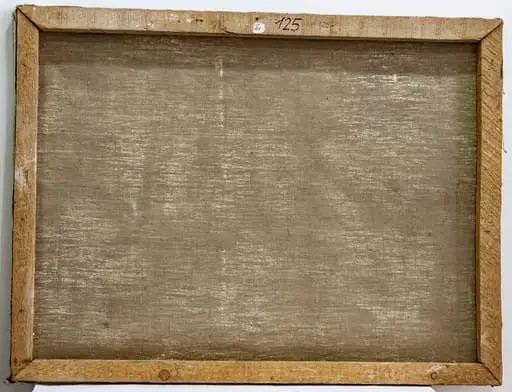
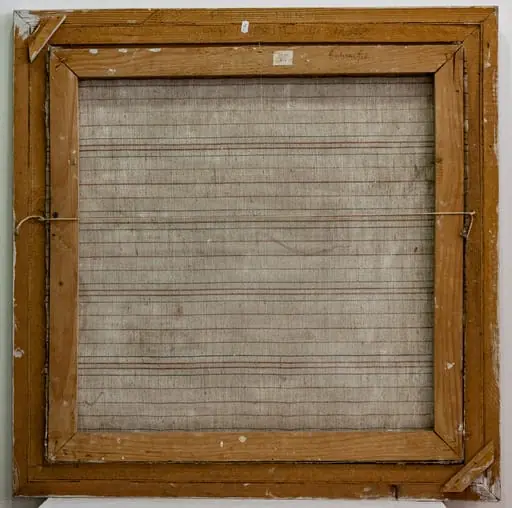
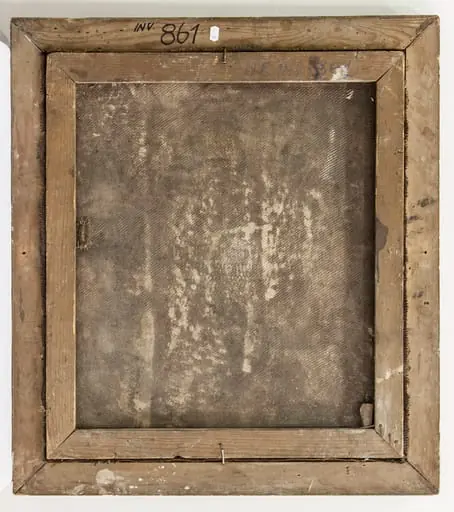
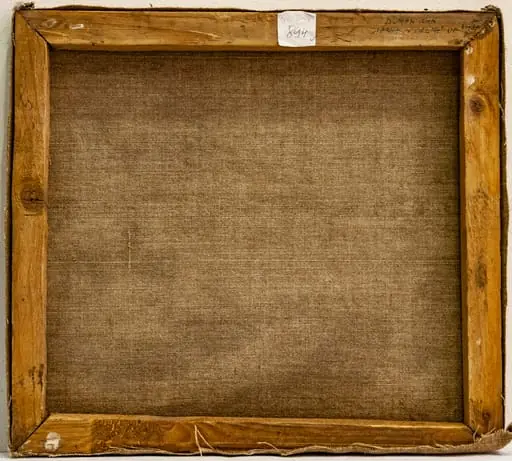
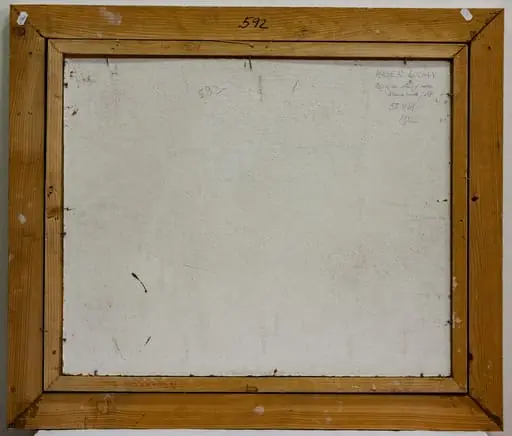
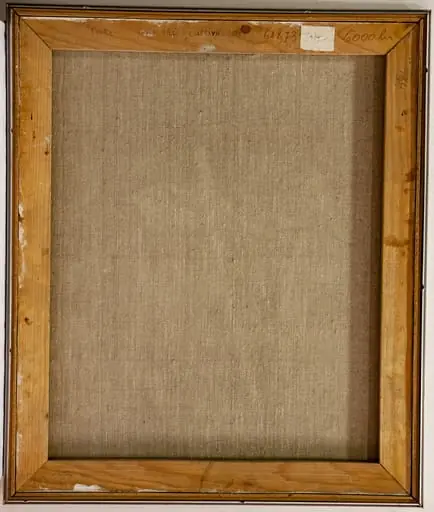
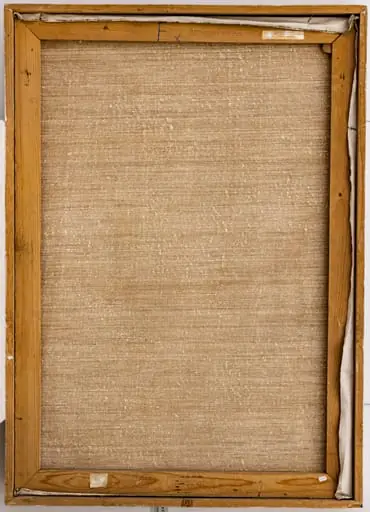
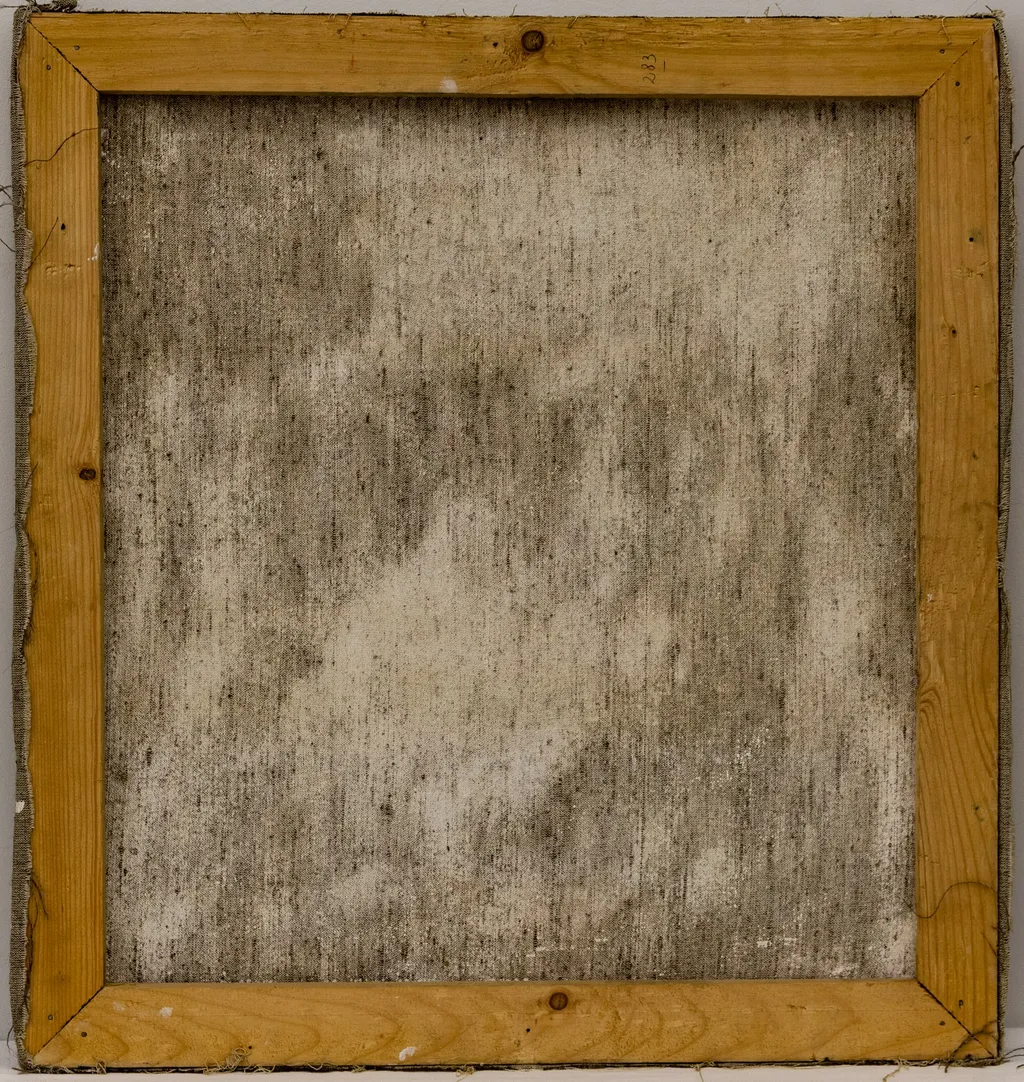
This is a blank canvas stretched over a wooden frame. The wood is light brown, rough in spots, and looks old. The canvas itself is a dull gray, with no paint or image on it at all.
It’s called *In memoriam*, made in 1977 by an artist who often worked with simple, stark forms. The emptiness feels intentional—like a deliberate choice to leave something unsaid.
If you’re curious about artists who use blankness or absence in their work, look up Pelmuș, Ștefan.
Overview
In memoriam, produced in 1977 by Romanian artist Ștefan Pelmuș, consists of an unadorned canvas mounted on a light‑brown wooden stretcher. The canvas bears a uniform, muted gray surface without any pigment, drawing attention to its stark emptiness. The work is part of the collection of the Museum of Ethnography, where it is displayed as an example of the artist’s minimalist approach.
Subject & Meaning
The title suggests a commemorative intent, yet the visual field is deliberately void of representational content. By presenting a blank, gray plane, Pelmuș invites contemplation of absence, memory, and the limits of visual representation, allowing viewers to project personal associations onto the unmarked surface.
Technique & Style
Pelmuș employed a simple construction: a traditional wooden frame covered with a stretched canvas that has been uniformly toned to a dull gray. No brushwork or applied imagery is evident, emphasizing materiality and the tension between the raw wood and the smooth, inert fabric, hallmarks of his austere, reductive aesthetic.
History & Provenance
Created in the late 1970s, In memoriam entered the Museum of Ethnography’s holdings shortly after its completion, though exact acquisition details remain sparse. The piece reflects a period when Pelmuș explored concepts of emptiness and the phenomenology of space within a politically charged Romanian art scene.
Context
The work aligns with broader minimalist tendencies emerging in the 1970s, where artists across Europe and North America employed reduction and silence to question traditional narrative art. Pelmuș’s focus on plain surfaces resonates with contemporaneous practices that foregrounded the object’s physical presence over pictorial illusion.
Artist & collection
Artist
Ștefan Pelmuș worked in mid-20th-century Romania, best known for prints and paintings that lean into quiet winter scenes and faint, ghost-like figures.
Museum
Gavrila Simion Eco-Museum Research Institute Tulcea
Continue through works from the same source collection.