Artwork
Pomi înfloriți
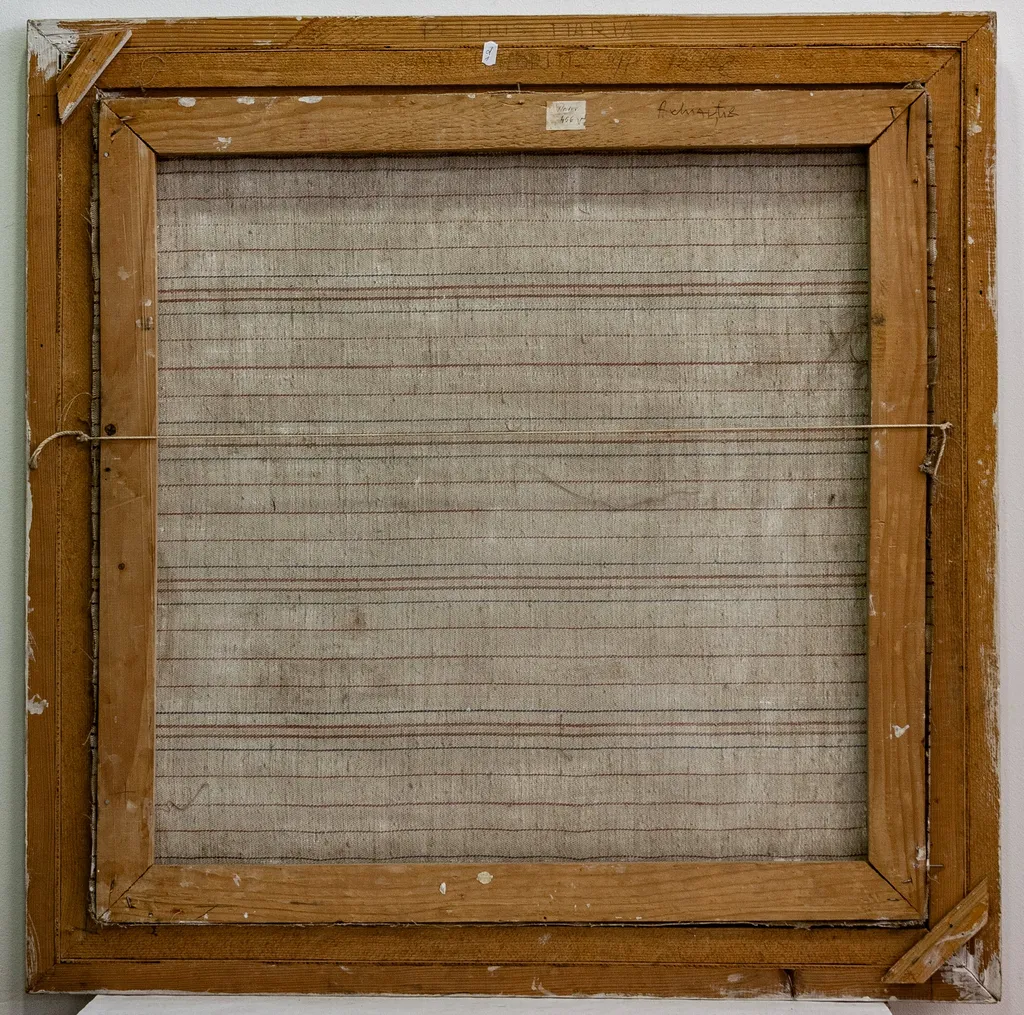
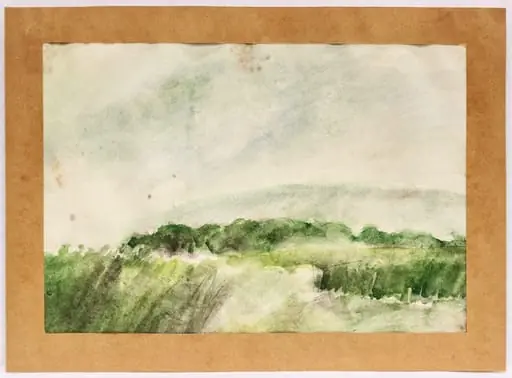
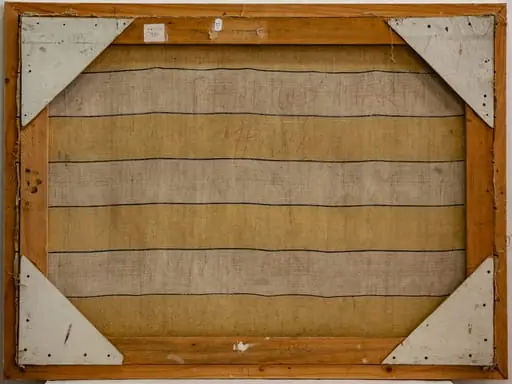
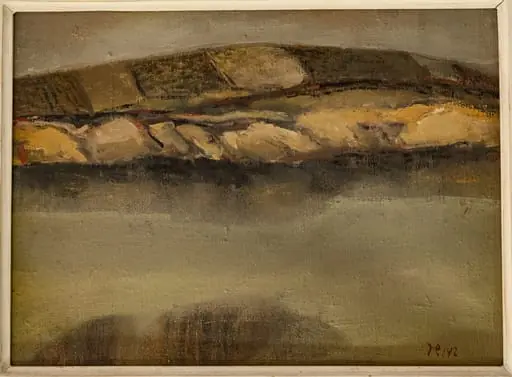
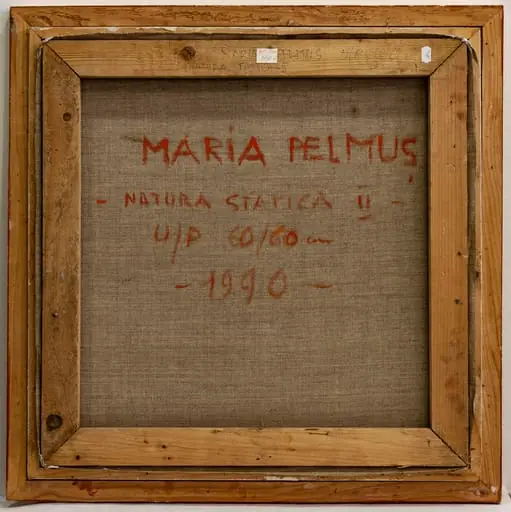
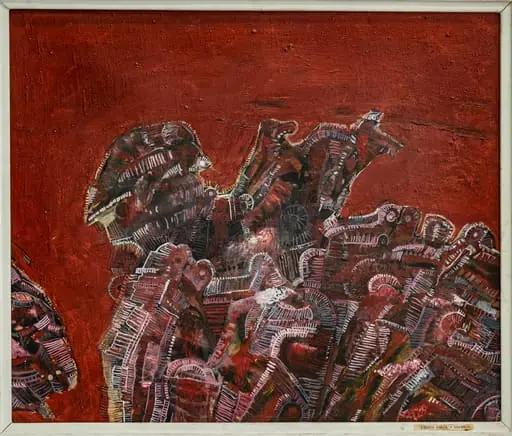
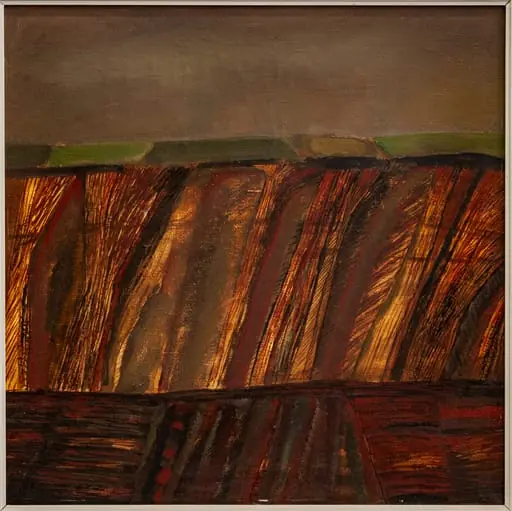
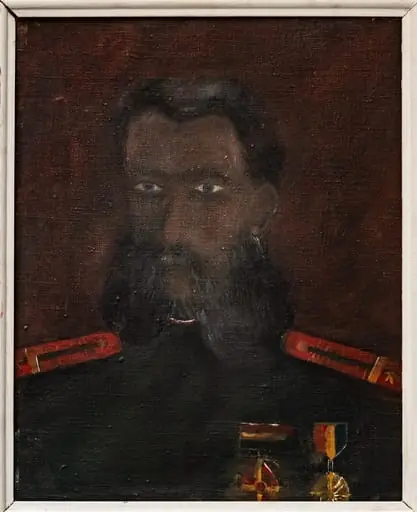
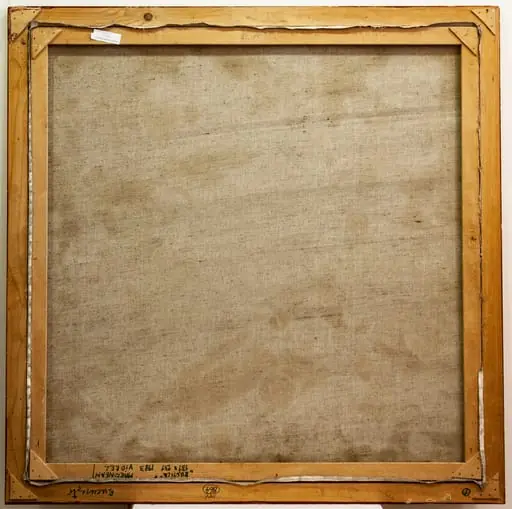
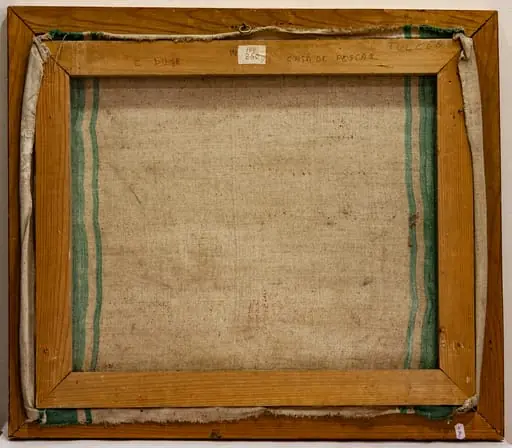
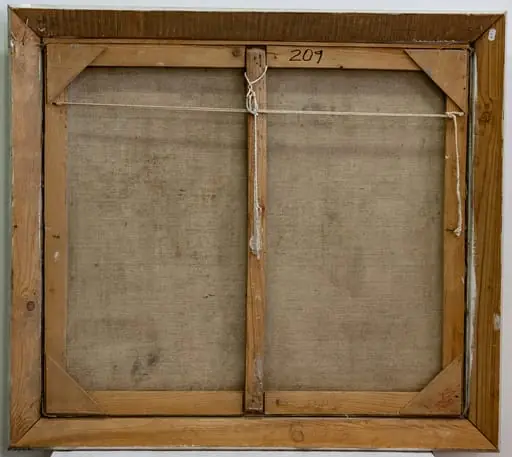
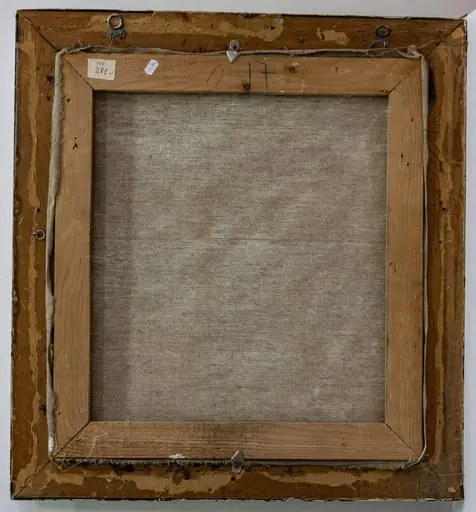
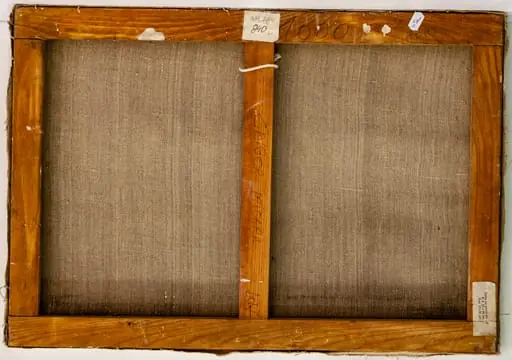
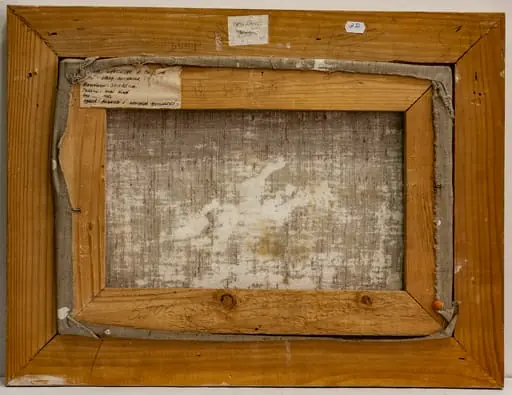
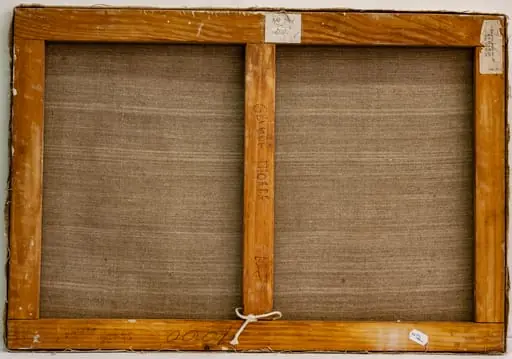
Pomi înfloriți is a print by Maria Pelmuș. It is held in the collection of the Gavrila Simion Eco-Museum Research Institute Tulcea. This work is a faded test print on paper, mounted in a worn wooden frame.
About this work
Overview
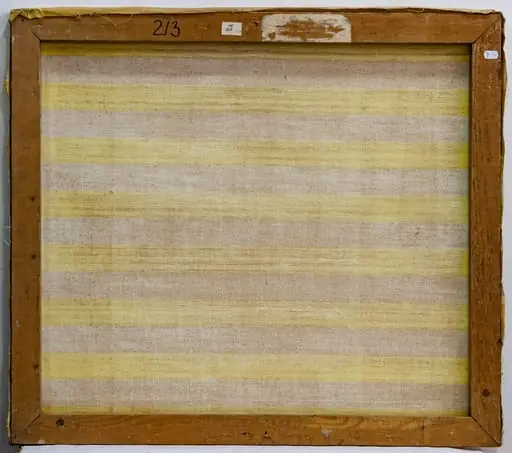
It displays no figurative elements, only faint horizontal lines that suggest a grid of light and shadow.
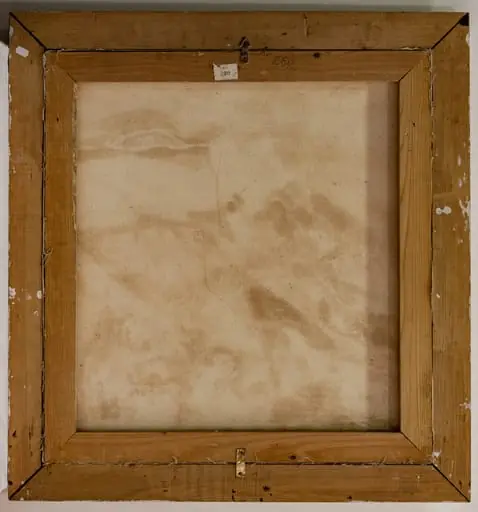
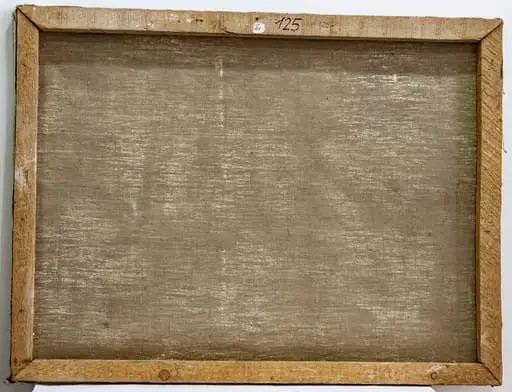
This work is a faded test print on paper, mounted in a worn wooden frame. It displays no figurative elements, only faint horizontal lines that suggest a grid of light and shadow. The surface lacks color or defined forms, indicating it was not intended as a final composition. Its condition—cracked wood, dulled backing—points to age and use, not display. It functions as a preparatory study, not a finished artwork.
Subject & Meaning
The image holds no representational subject. Its minimal structure—thin, even lines—serves as a technical trial, not a symbolic statement. The absence of form invites attention to process rather than content. It reflects an artist’s inquiry into material behavior: how ink settles, how light interacts with surface. Meaning arises from its function as a silent experiment in perception and medium.
Technique & Style
The work was produced using a printing method that relies on controlled ink distribution, likely to test tonal gradation. The horizontal lines result from repeated, uniform pressure or plate alignment. No brushwork or pigment variation is present, emphasizing uniformity over expression. The style is stripped of ornament, focusing purely on the physical properties of the medium under controlled conditions.
History & Provenance
The frame and paper show signs of decades of storage, not exhibition. The wood’s cracks and the dull underpaint suggest it was kept in a studio, not a gallery. Its origin is likely tied to an artist’s private workflow—used to calibrate printing plates or ink consistency. No documented ownership or exhibition history exists, reinforcing its role as an internal tool.
Context
In early 20th-century printmaking, artists routinely produced such test sheets to evaluate ink viscosity, paper absorption, and plate wear. These were discarded or retained privately, rarely preserved as art. This piece belongs to that quiet tradition—part of the unseen labor behind published prints. Its survival is accidental, not intentional.
Legacy
Though never exhibited or signed, this print contributes to understanding the hidden processes of printmaking. It exemplifies how artistic innovation often emerges from routine trials. Today, it offers insight into the material discipline behind visual art, reminding viewers that meaning can reside in preparation, not presentation.
Artist & collection
Artist
Maria Pelmuș painted scenes of the Danube delta and everyday life around it. Her brush captured wide skies and watery horizons in works like *Delta* and *Peisaj*, while her prints and paintings of local people and…
Museum
Gavrila Simion Eco-Museum Research Institute Tulcea
Continue through works from the same source collection.