Artwork
The French Emigré François-Emmanuel Guignard (1735–1821), Comte de Saint Priest
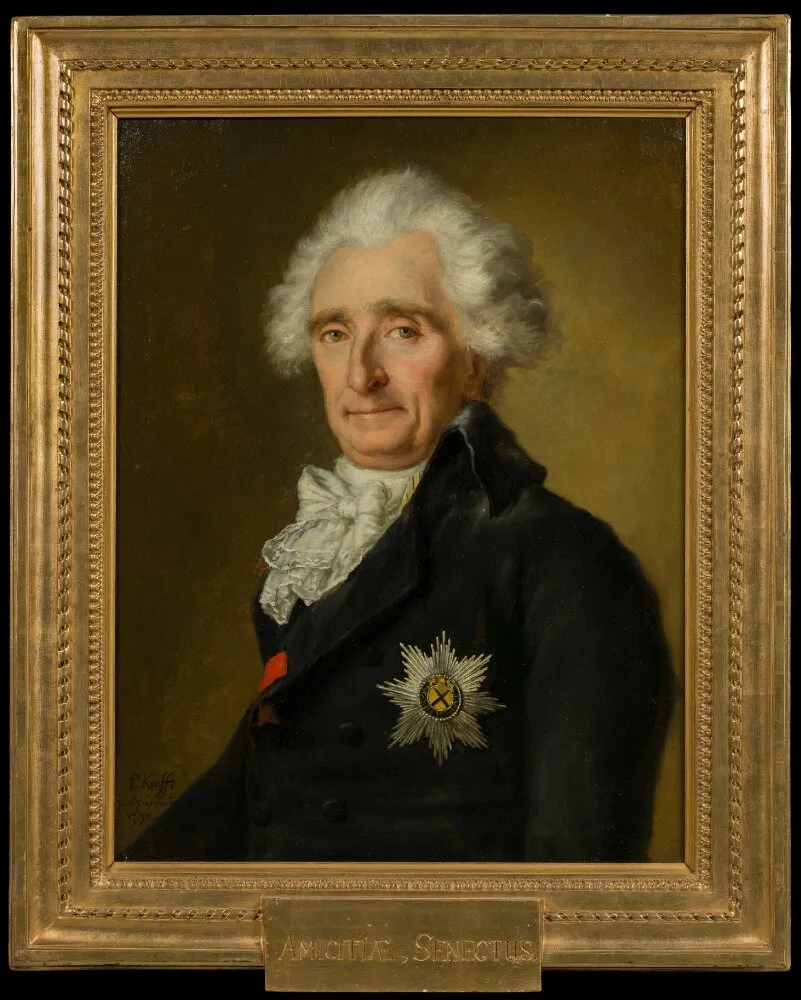
The French Emigré François-Emmanuel Guignard (1735–1821), Comte de Saint Priest is an oil painting by Per Krafft the Younger. It dates from 1798 and is held in the collection of the Nationalmuseum.
About this work
Overview
The work is part of the Nationalmuseum’s collection in Stockholm, reflecting Krafft’s role as a portraitist to European elites in exile.
Painted in 1798 by Per Krafft the Younger, this oil portrait captures François-Emmanuel Guignard, Comte de Saint-Priest, a French nobleman who left his homeland during the Revolution. The work is part of the Nationalmuseum’s collection in Stockholm, reflecting Krafft’s role as a portraitist to European elites in exile. Its restrained composition and precise rendering align with late 18th-century conventions of dignified representation.
Subject & Meaning
Guignard, a former minister under Louis XVI, is depicted in the aftermath of his emigration, his attire signaling his retained status despite political displacement. The silver star on his coat likely denotes membership in a royal order, reinforcing his aristocratic identity. His subtle smile and composed posture convey quiet resilience rather than overt grandeur, suggesting a man navigating loss with dignity.
Technique & Style
Krafft employed oil paint with meticulous attention to texture—fine brushwork defines the lace of the collar, the sheen of the coat, and the softness of white hair. The palette is muted, dominated by black, gray, and cream, enhancing the portrait’s solemn tone. Lighting is even and naturalistic, avoiding theatricality to emphasize the subject’s measured presence.
History & Provenance
The portrait was commissioned during Guignard’s years in Sweden, where he sought refuge after the French Revolution. Krafft, then active in Stockholm, painted several exiled French nobles. The work entered the Nationalmuseum’s collection in the 19th century, likely through state acquisition or donation, preserving a visual record of aristocratic displacement during the revolutionary era.
Context
In the late 1790s, Sweden became a haven for French royalists fleeing violence and confiscation. Portraits like this served both personal and political functions—affirming identity abroad and maintaining networks among exiled elites. Krafft’s work reflects a broader trend in Nordic courts of documenting European refugees, blending local artistic traditions with continental portraiture norms.
Legacy
The portrait remains a key example of Krafft’s skill in capturing the psychological nuance of displaced aristocrats. It contributes to historical understanding of how exiled nobility preserved their status through visual culture. While not widely known outside Sweden, it is studied for its testimony to the personal consequences of revolutionary upheaval.
Artist & collection
Artist
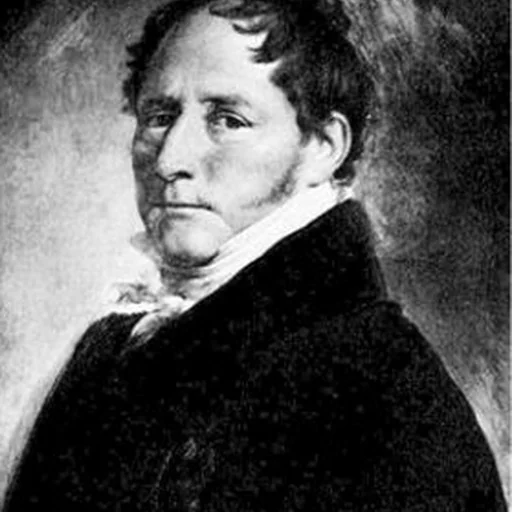
Per Krafft the Younger (1777–1863) was an artist, born in Klara Church Parish.

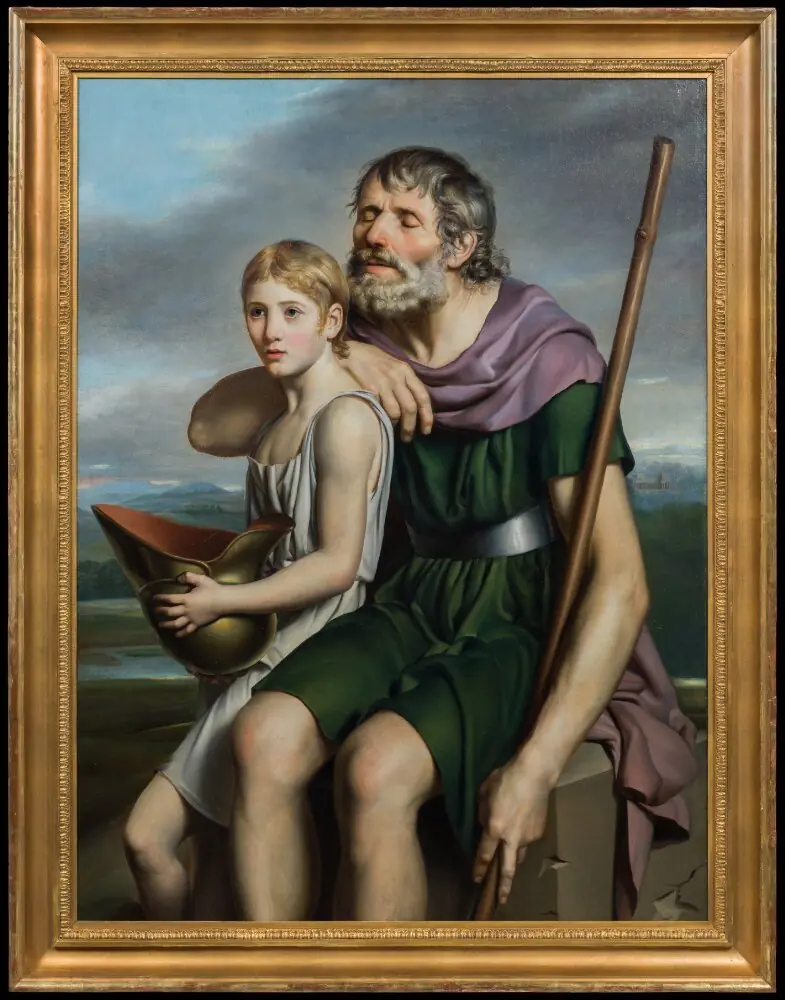
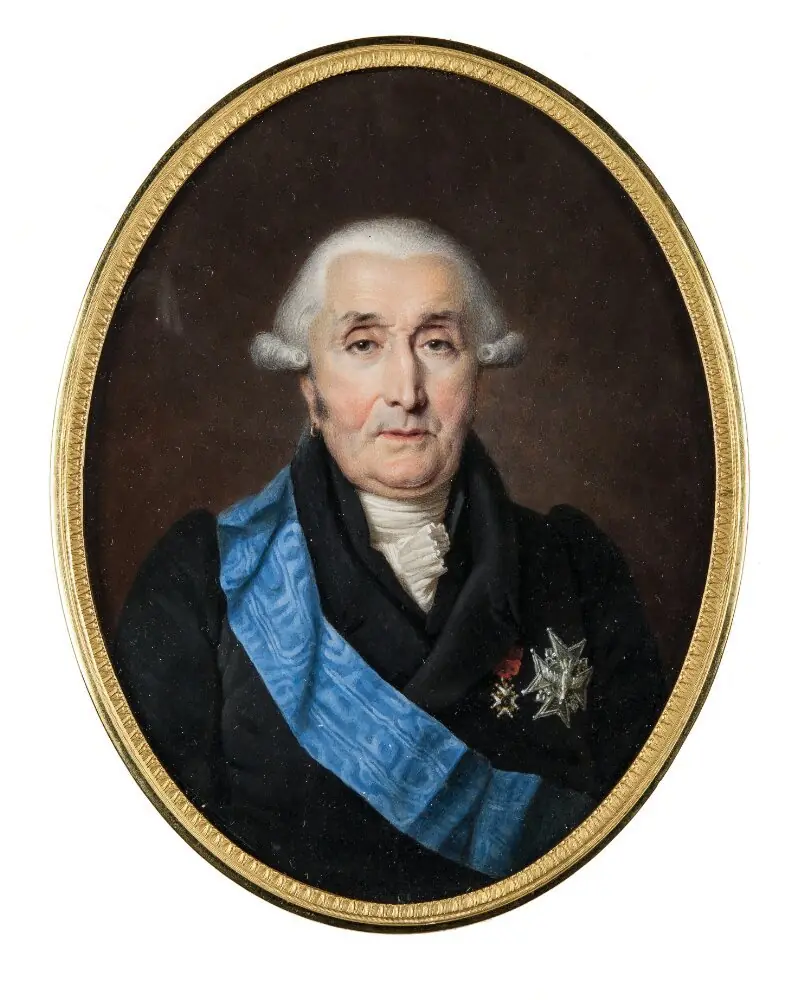 Louis Henri Joseph, Count of Bourbon, Prince of Condé
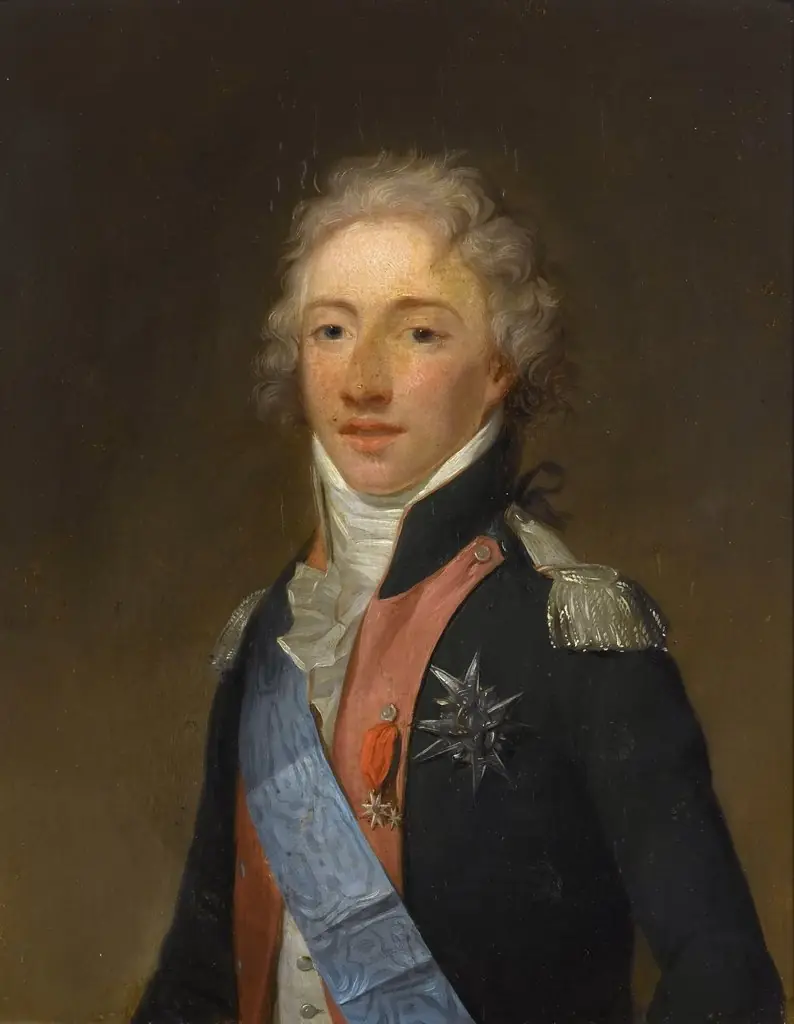 Louis-Antoine d’Artois, duc d’Angoulême (1775-1844)
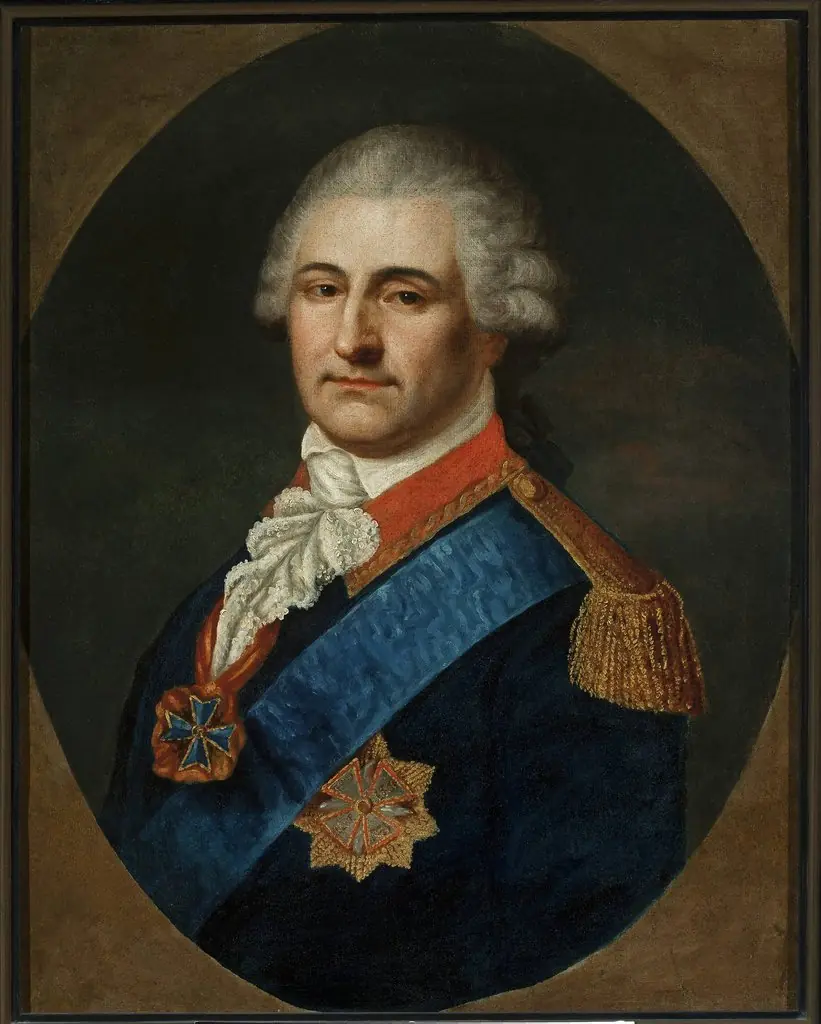 Portrait of Stanisław August Poniatowski in the general’s uniform
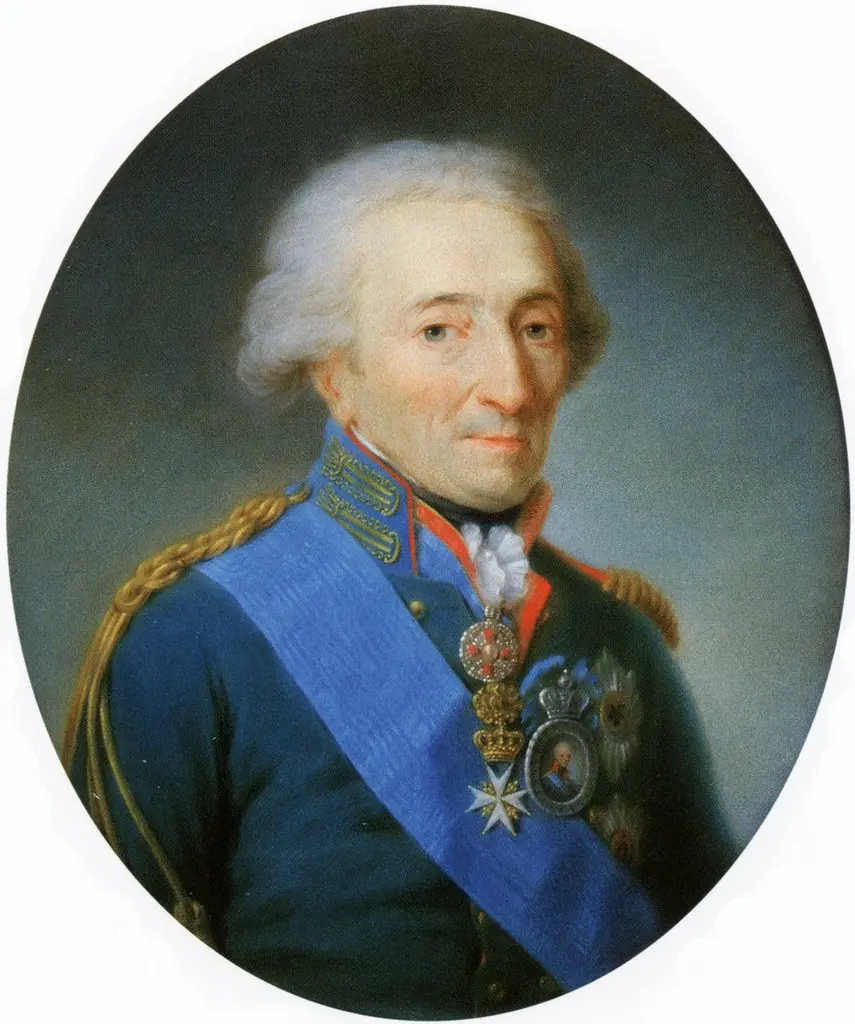 Porträt des Nikolay Ivanovich Saltykov (1736-1816)
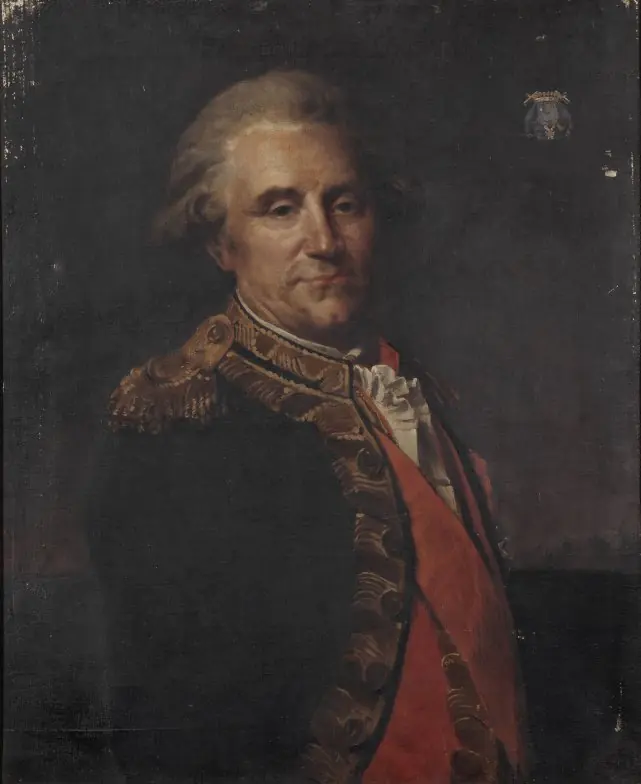 L'amiral Antoine-Jean-Marie Thévenard (1733-1815)
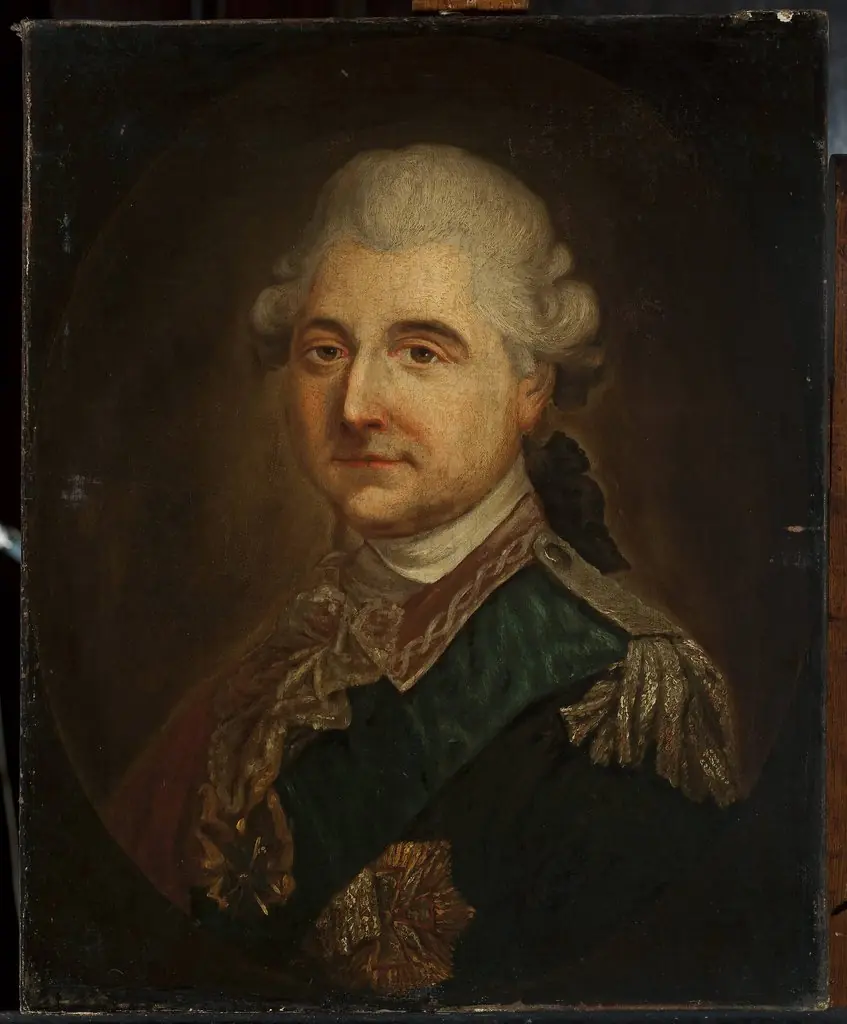 Portrait of Stanisław August Poniatowski in the uniform of the head of the Corps of Cadets
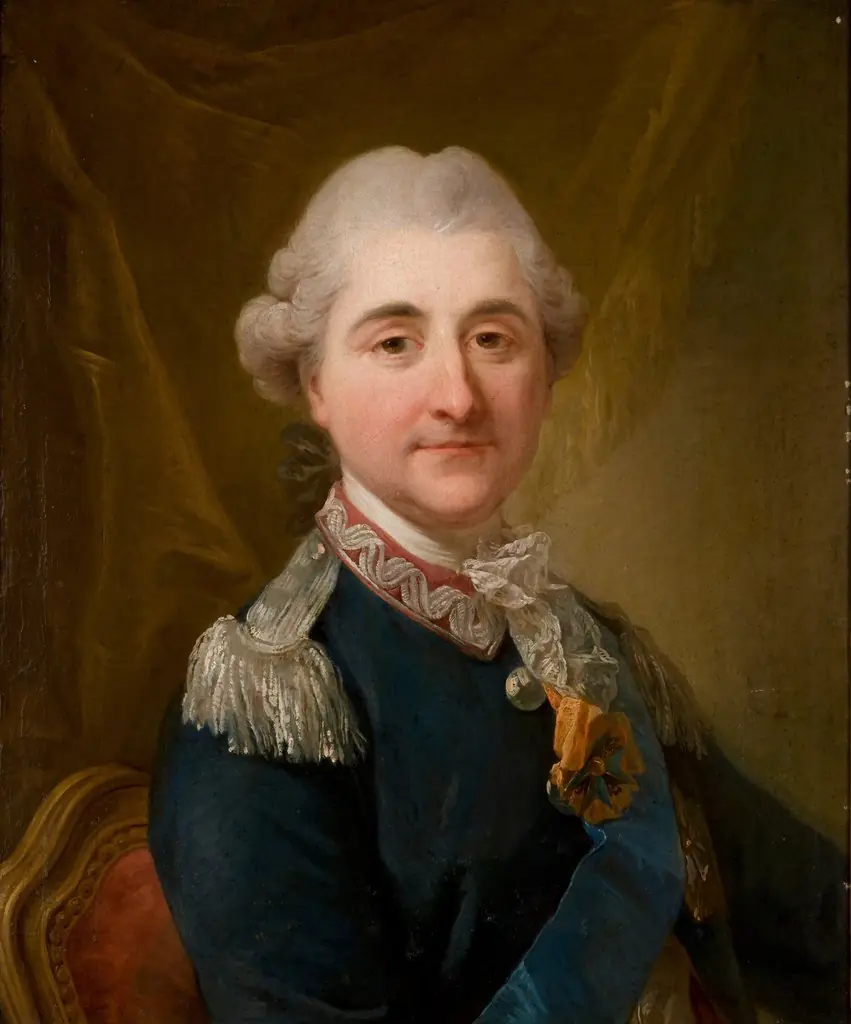 Portrait of King Stanislaus Augustus Poniatowski
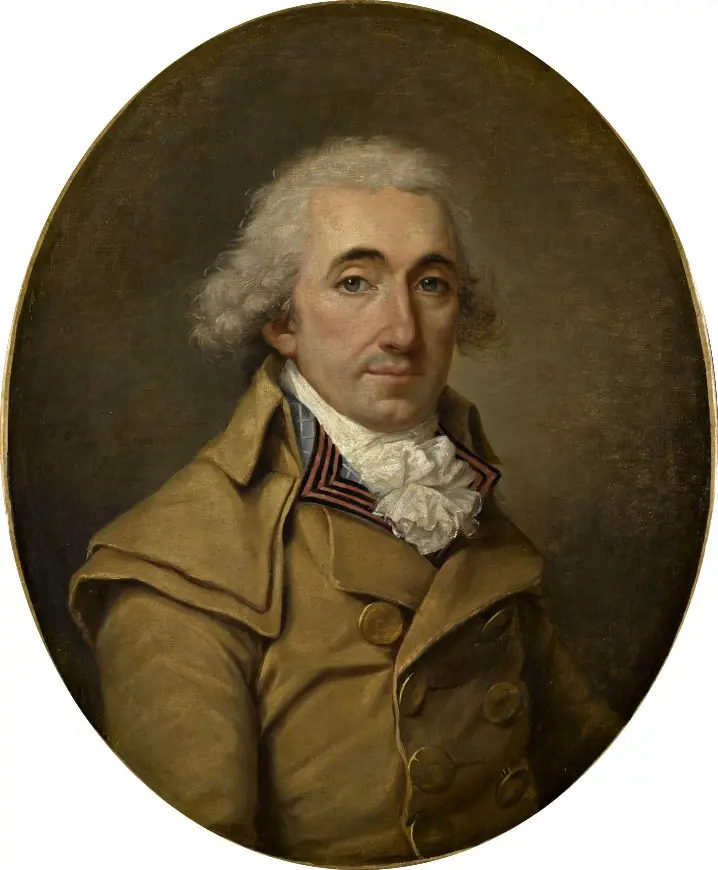 Charles-Antoine d'Artenay
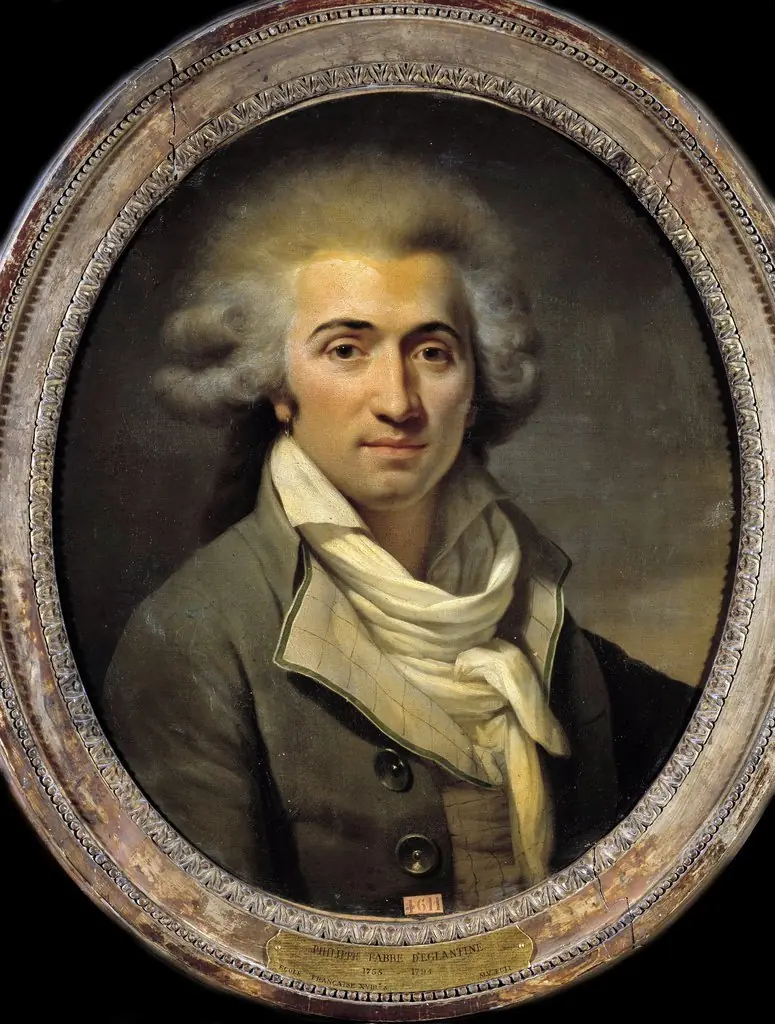 Philippe François Nazaire Fabre named 'Eglantine' (1750-1794)