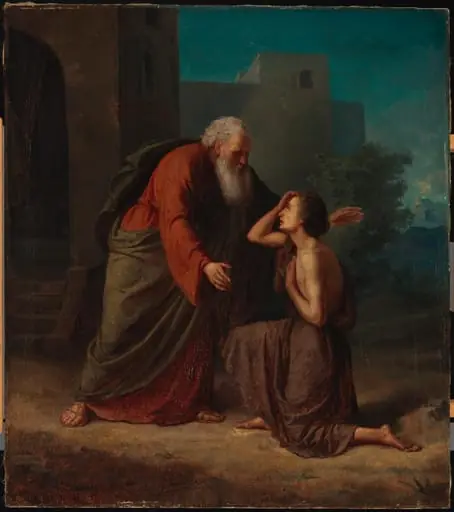
Artwork
Belisarius
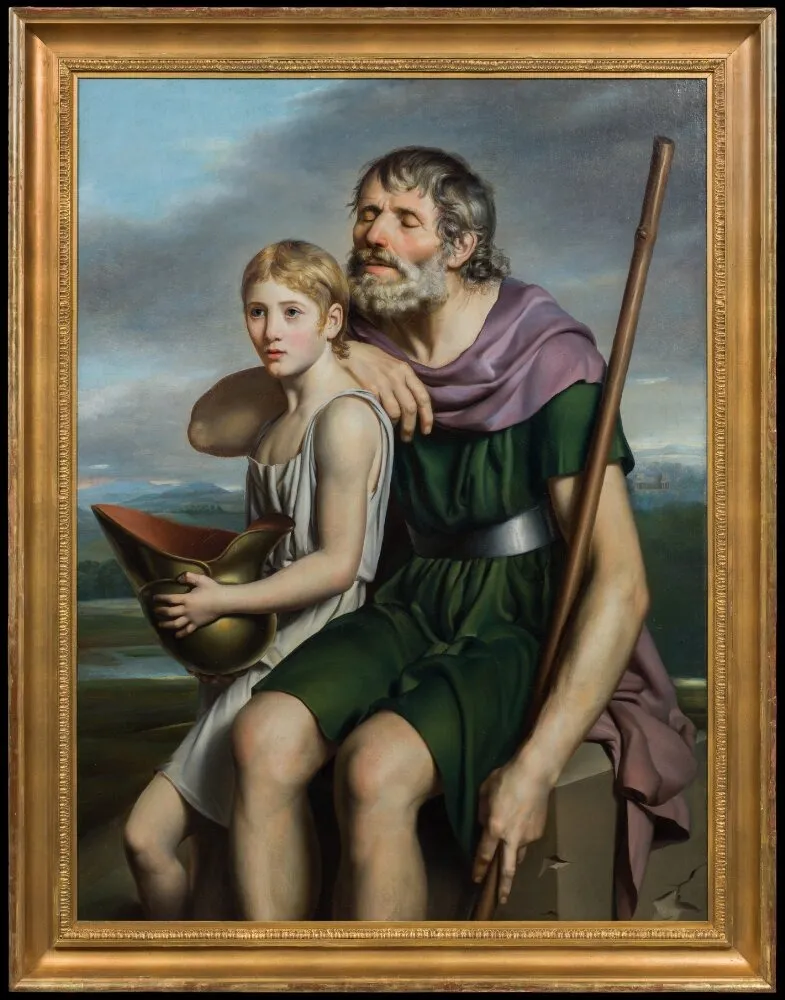
Belisarius is an oil painting by Per Krafft the Younger. It dates from 1800 and is held in the collection of the Nationalmuseum.
About this work
Overview
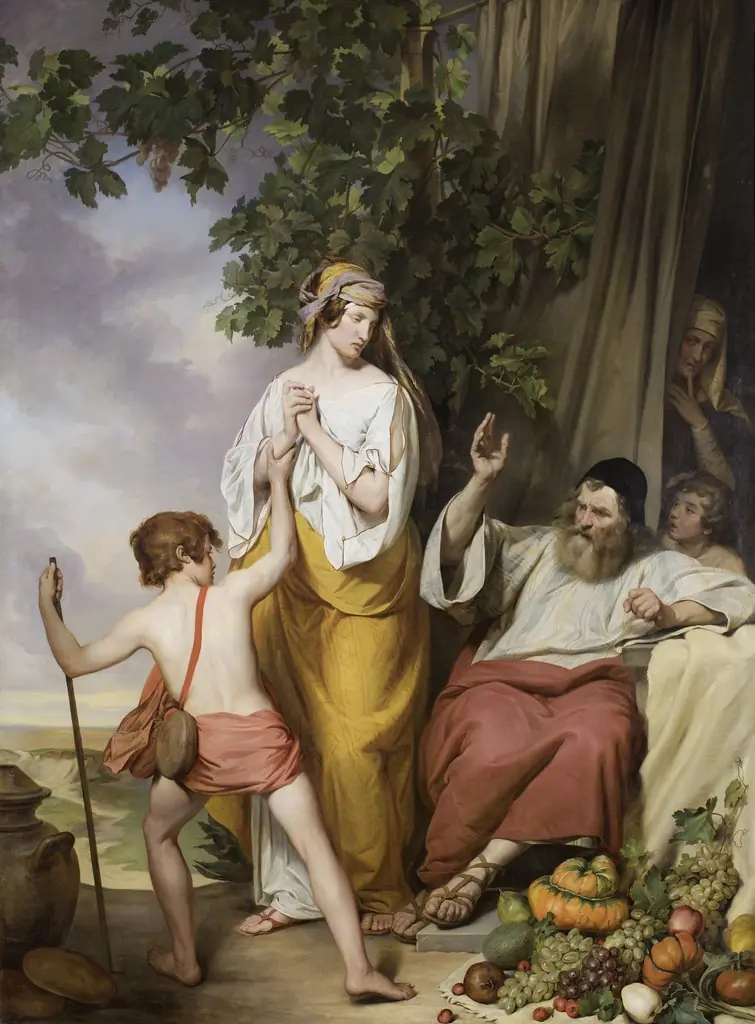
Per Krafft the Younger's 1800 oil painting, Belisarius, resides in the Nationalmuseum. The work portrays a poignant interaction between an elderly blindfolded man and a young boy, set against a serene landscape.
Subject & Meaning
The painting depicts Belisarius, a historical figure known for being blinded and reduced to begging, accompanied by a youth. The scene conveys vulnerability and emotional connection, with the boy's presence and the golden helmet (symbolizing Belisarius' past glory) underscoring the subject's fallen state.
Technique & Style
Krafft employs contrasting color temperatures to create depth: warm tones for the figures (green tunic, purple shawl, white tunic) juxtaposed with cool background hues (rolling hills, cloudy sky). The composition focuses attention on the intimate, emotionally charged relationship between the two.
History & Provenance
Created in 1800, Belisarius is part of the Nationalmuseum's collection, though specific acquisition details are not provided here.
Context
Painted during a time of historical and artistic reflection in Europe, Belisarius may tap into contemporary interests in classical history and the human condition, though direct contextual influences are not specified.
Legacy
While specific lasting impacts or notable exhibitions of Belisarius are not detailed, the painting remains a notable work in the Nationalmuseum, offering insights into early 19th-century artistic interpretations of historical themes.
Artist & collection
Artist
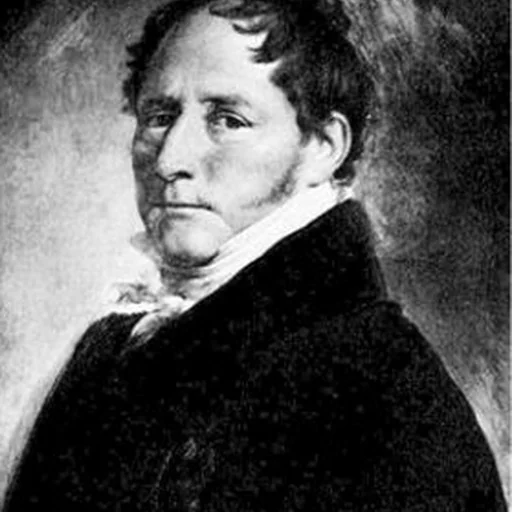
Per Krafft the Younger (1777–1863) was an artist, born in Klara Church Parish.