Artwork
Portrait of Prince Rupert
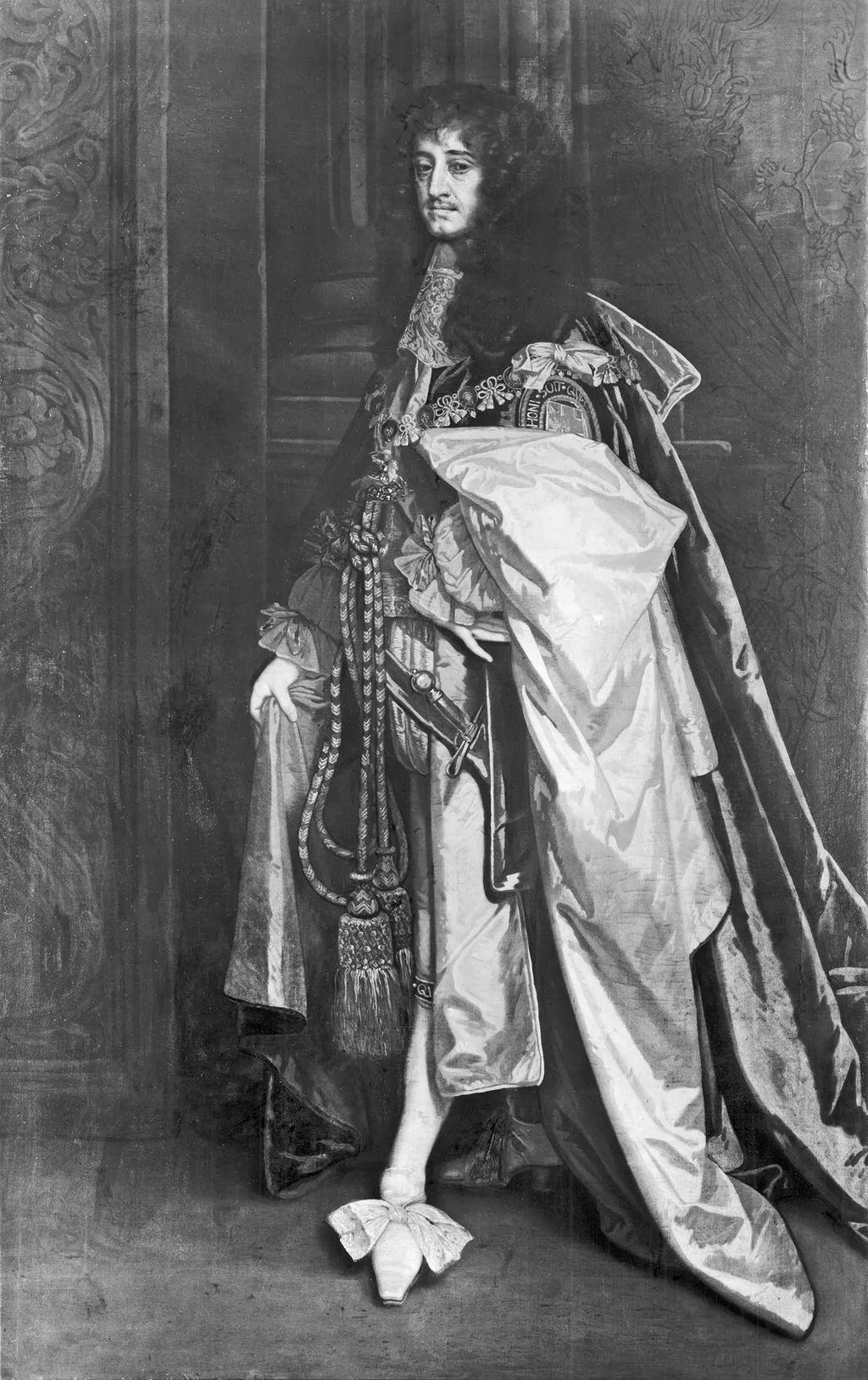
Portrait of Prince Rupert is an oil painting by the Flemish Baroque painting artist Peter Lely. It dates from 1667 and is held in the collection of the Walters Art Museum.
About this work
Overview
Created in 1667 by Peter Lely, *Portrait of Prince Rupert* is an oil painting depicting a prominent figure of the English royal court. Lely, a Dutch-born artist, was the leading portraitist at the English court, later knighted by King Charles II in 1680.
Subject & Meaning
The subject, Prince Rupert, is portrayed with solemnity, dressed in elaborate attire including a long, shiny coat and a hat, with his right hand resting on a sword. The depiction emphasizes his individuality and status within the royal court.
Technique & Style
The painting exemplifies Flemish Baroque characteristics: detailed realism and strong emphasis on likeness. Lely utilizes chiaroscuro, contrasting a dark, shadowy background with meticulously rendered, light-captured folds and creases of the prince's clothing to achieve depth and dramatic effect.
History & Provenance
Painted in 1667, the work reflects Lely's established position as a premier court portraitist. While specific ownership history before its current location is not detailed here, its creation coincides with Lely's peak influence at the English court.
Context
*Portrait of Prince Rupert* sits within the broader Flemish Baroque movement, notable for its realism and use of light. The piece also reflects the artistic preferences of the English royal court during the Restoration period, emphasizing grandeur and individual portraiture.
Legacy
Through *Portrait of Prince Rupert*, Lely's mastery of chiaroscuro and detailed portraiture contributes to the enduring legacy of Flemish Baroque influence in English art. The work remains a significant example of 17th-century courtly portraiture, highlighting both the artist's skill and the subject's historical importance.
Artist & collection
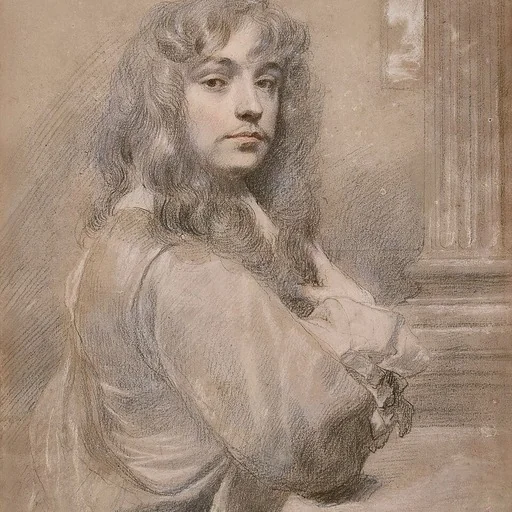
Artist
Sir Peter Lely (Dutch: ; 14 September 1618 – 30 November 1680) was a painter of Dutch origin whose career was nearly all spent in England, where he became the dominant portrait painter to the court.

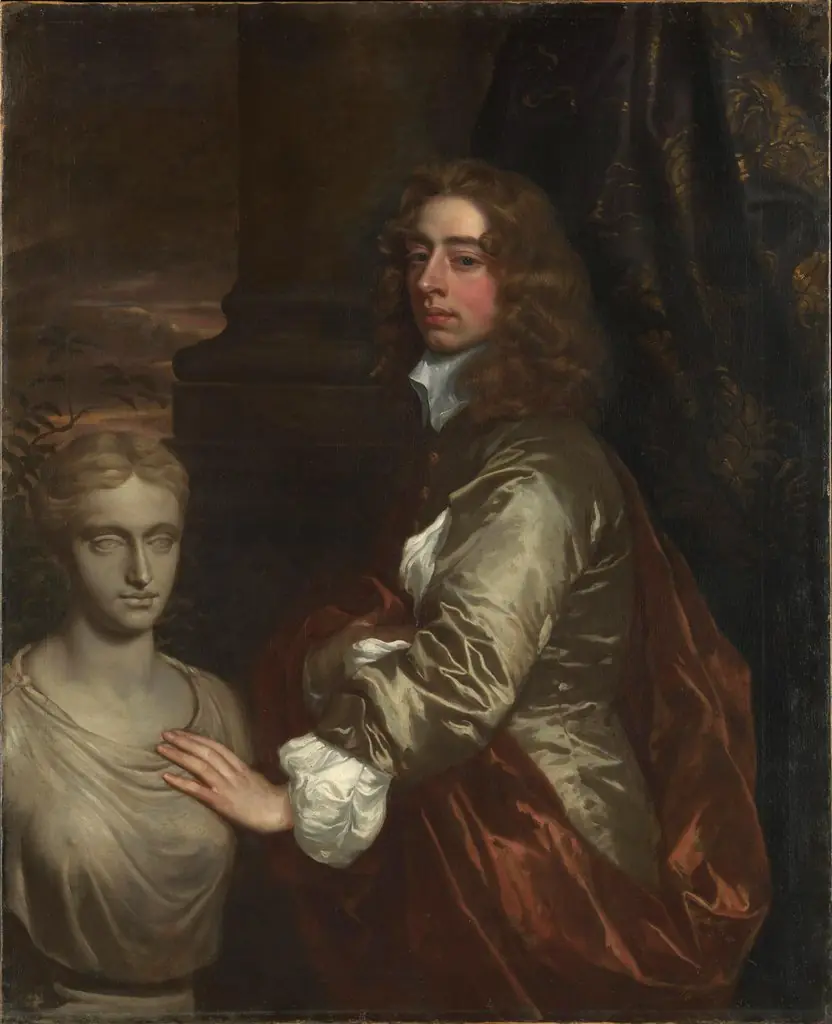 Sir Henry Capel (1638–1696)
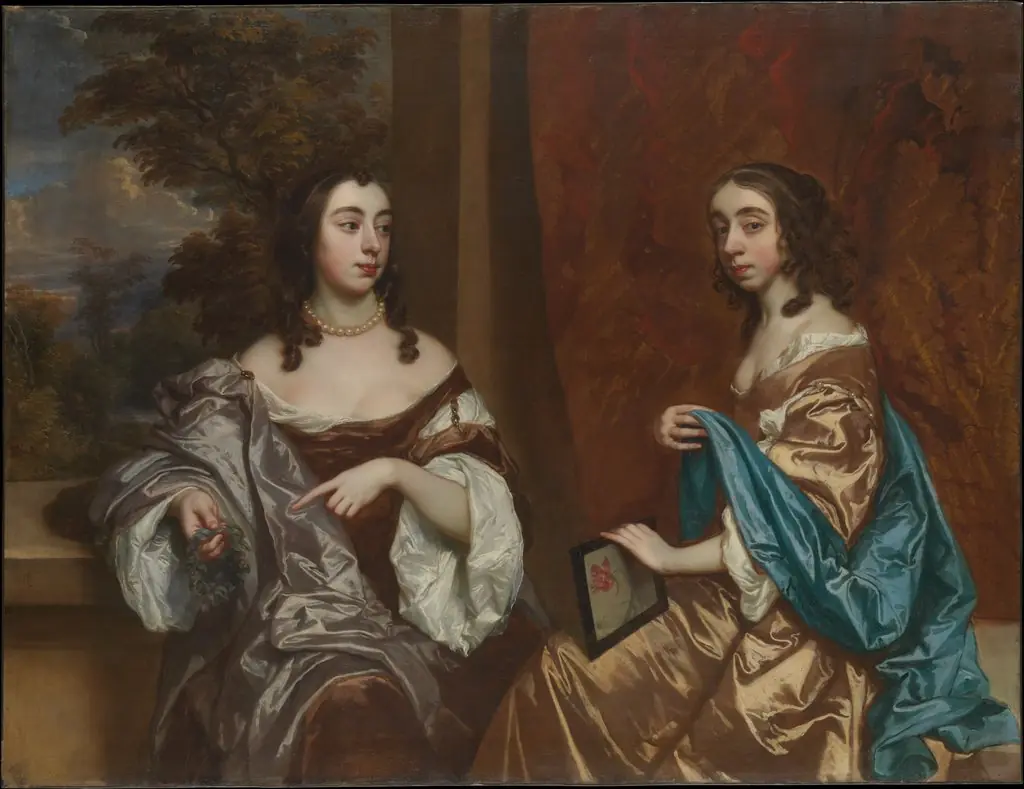 Mary Capel (1630–1715), Later Duchess of Beaufort, and Her Sister Elizabeth (1633–1678), Countess of Carnarvon
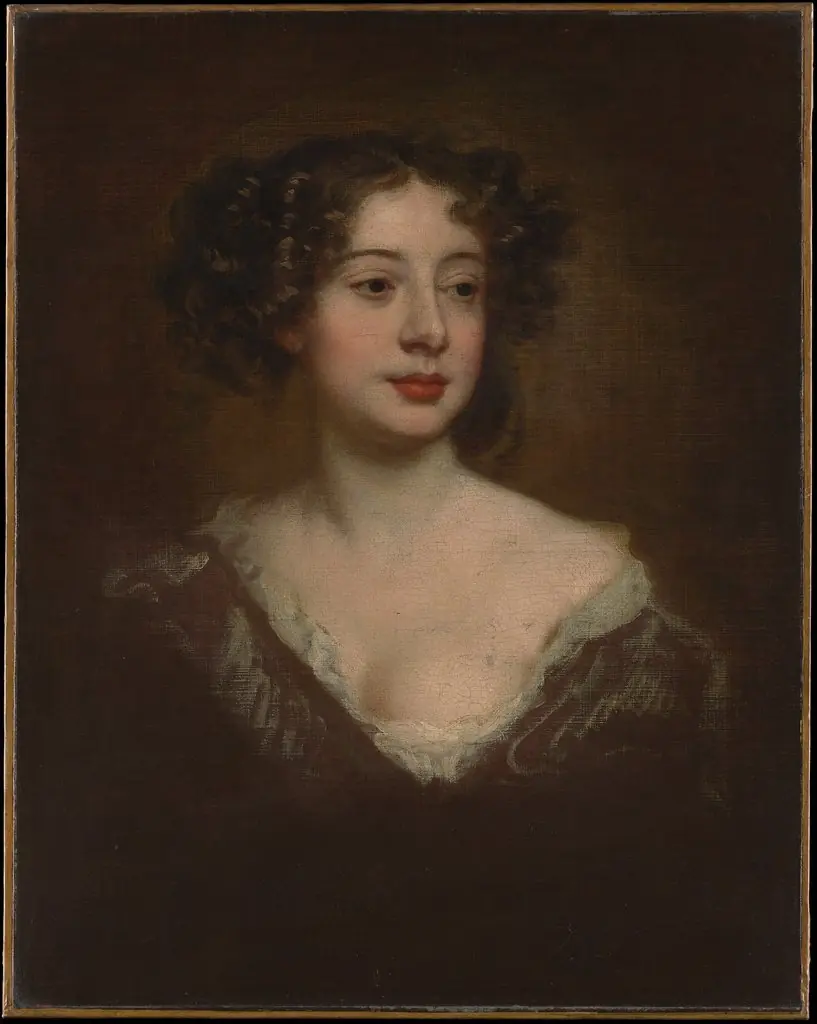 Study for a Portrait of a Woman
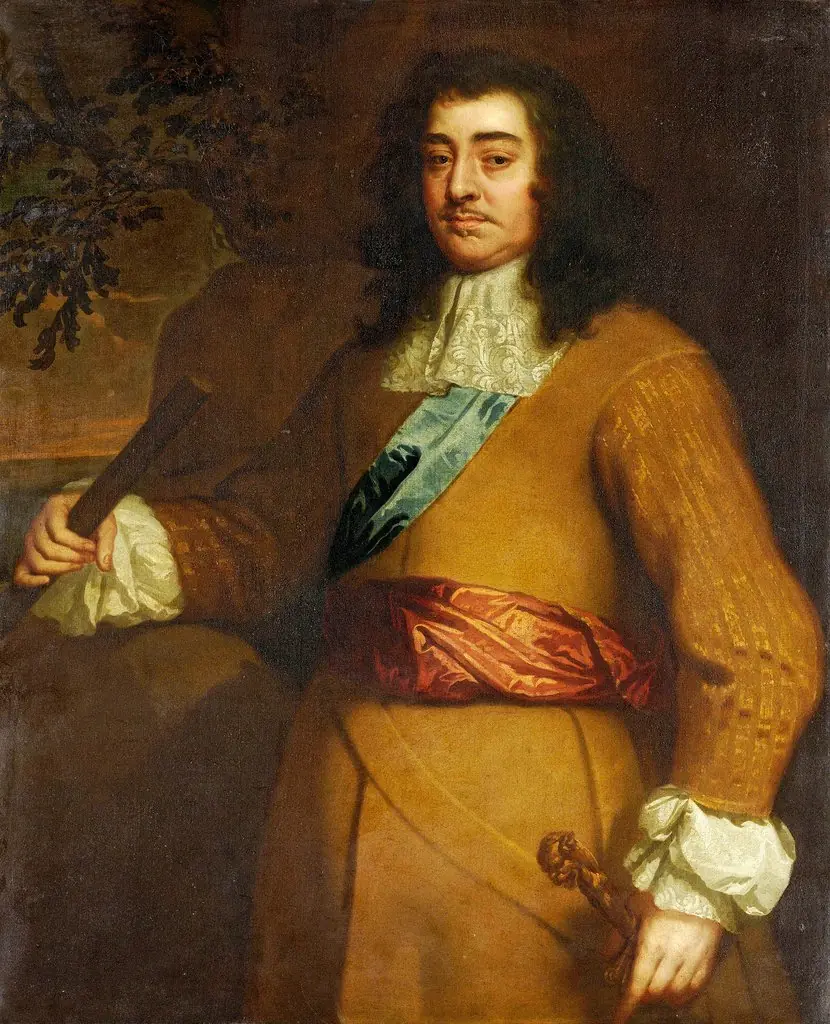 Portrait of George Monck, 1st Duke of Albemarle, English Admiral and Statesman
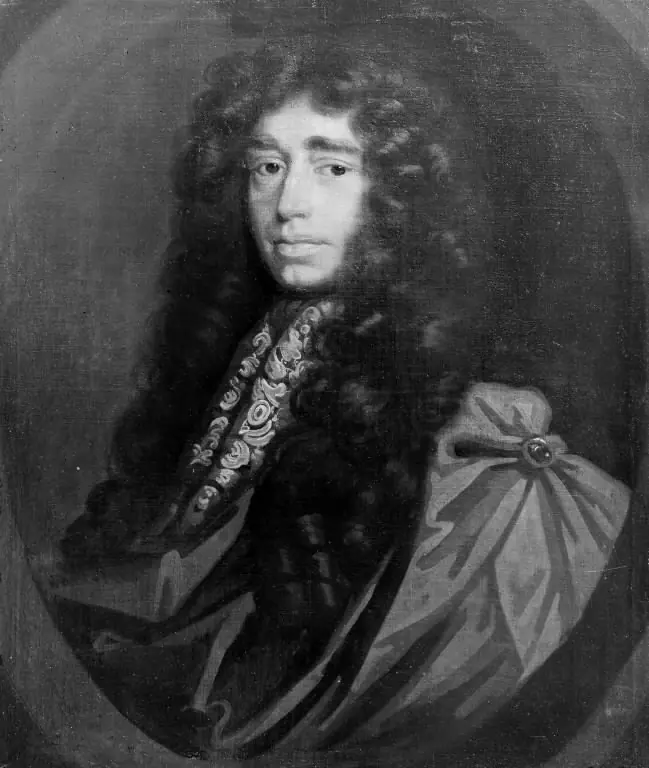 Portrait of a Man
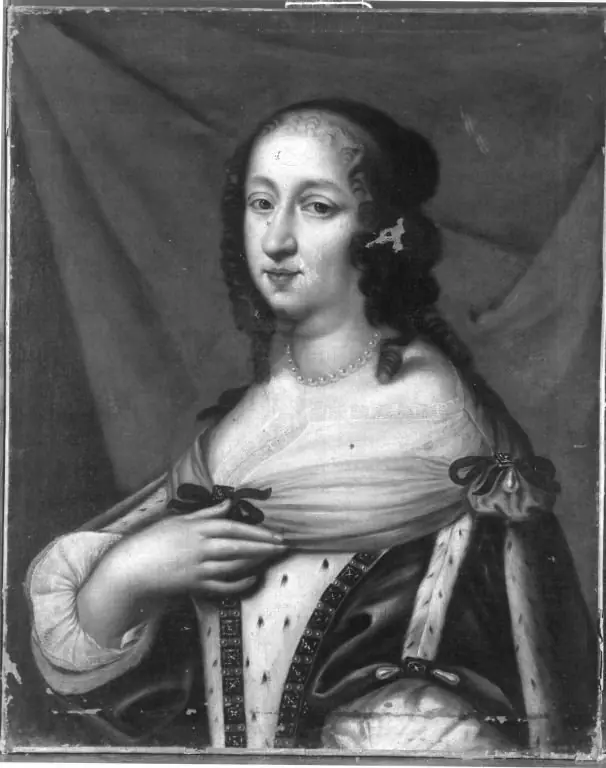 Portrait of a Woman
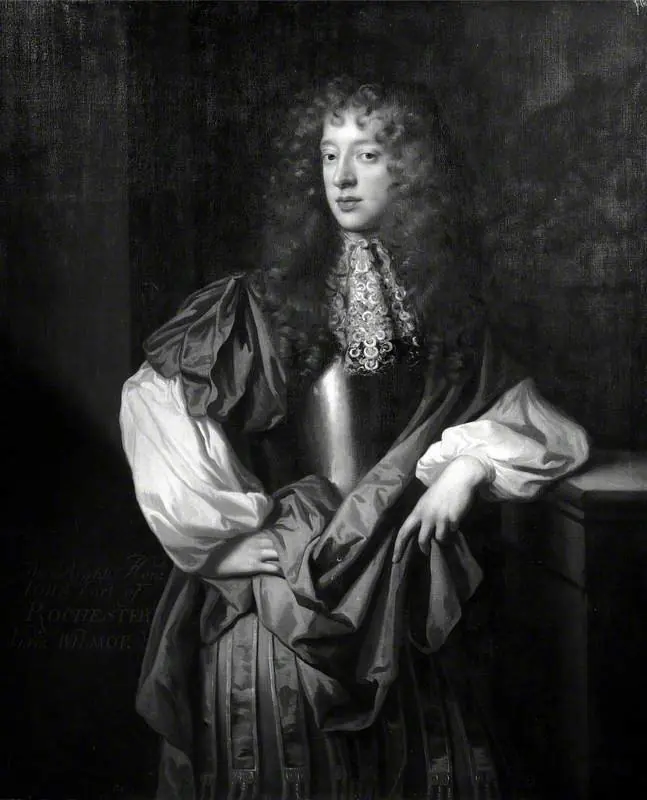 John Wilmot (1647–1680), 2nd Earl of Rochester
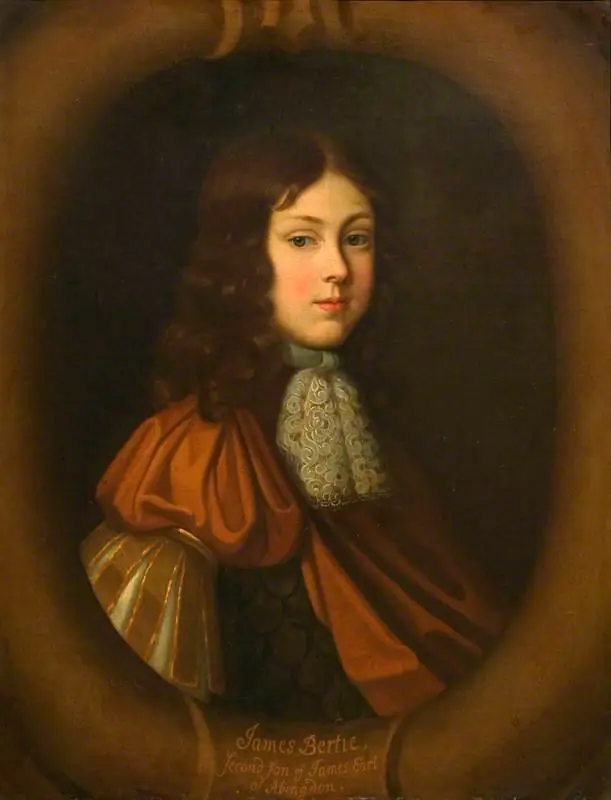 James Bertie (1653–1699), 2nd Son of James, Earl of Abingdon
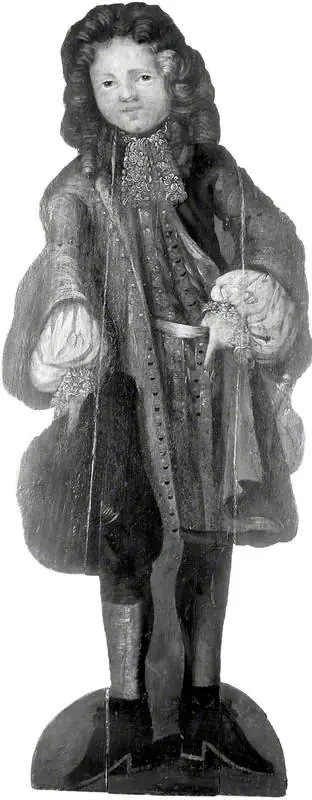 Boy with a Lace Collar (dummy board)
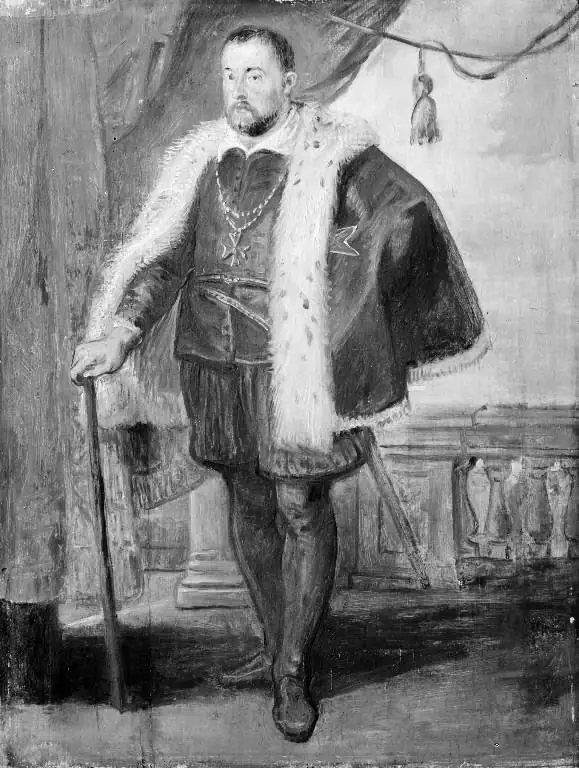 Portrait of Francesco I de' Medici (1541-1587), the father of Maria de' Medici
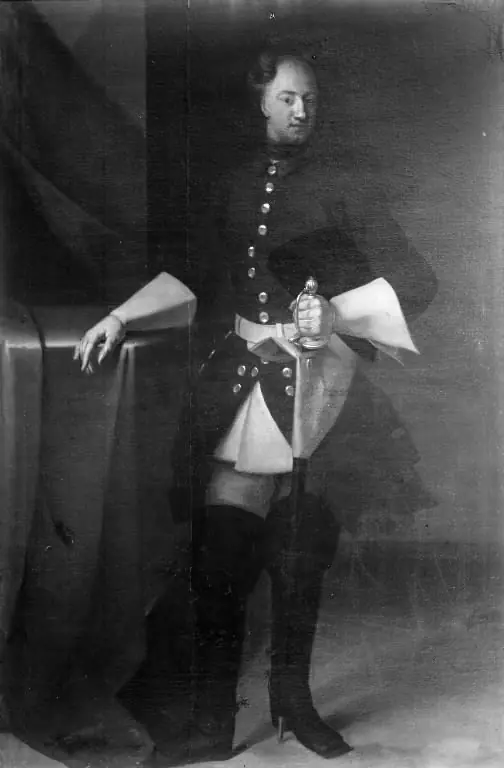 Portrait of Carl XII of Sweden
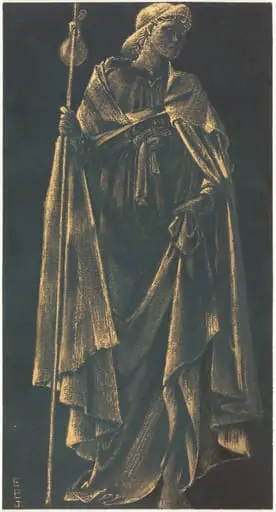 Angelus Ministrans
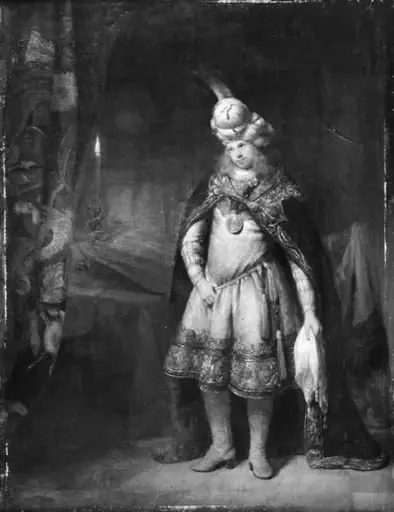 Joseph Crying in his Chamber after Having Seen his Brother Benjamin Again
 Portrait of Carl XII of Sweden
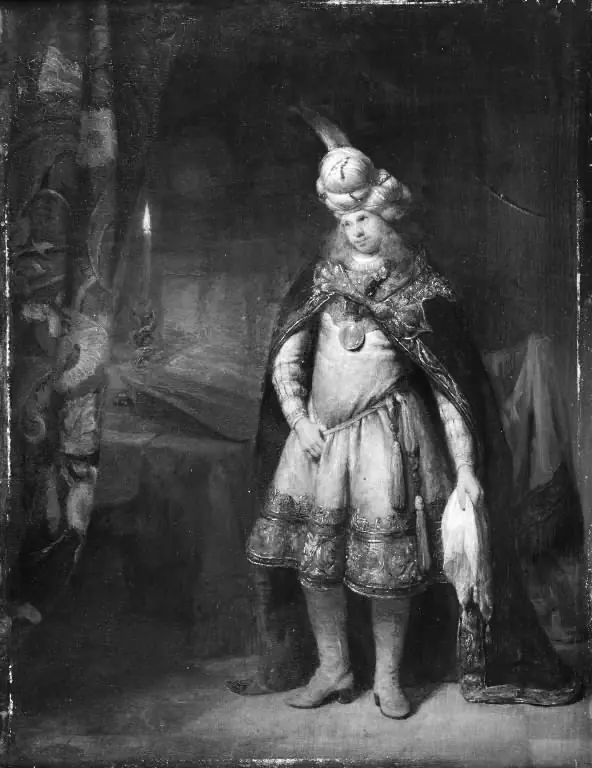 Joseph Crying in his Chamber after Having Seen his Brother Benjamin Again
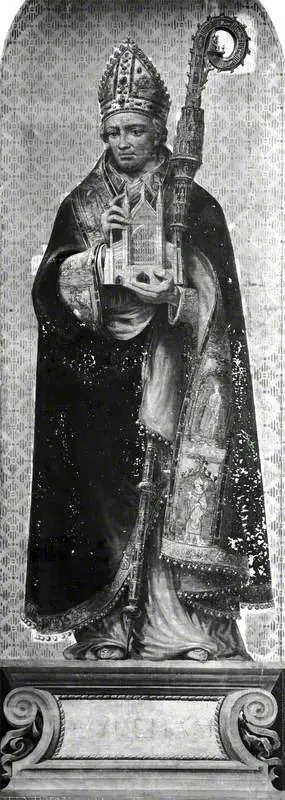 William of Wykeham (1320–1404) (design for a mosaic in the Victoria and Albert Museum)
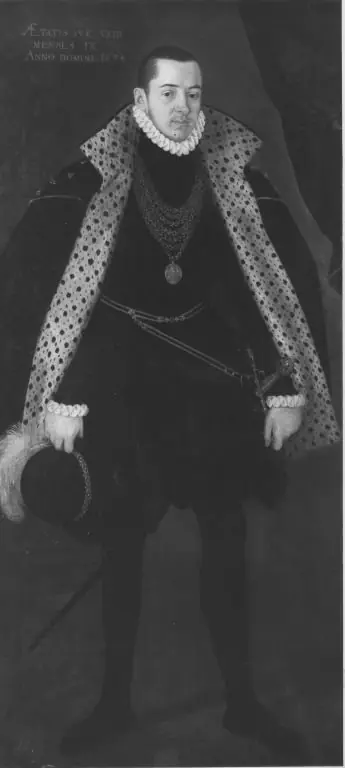 Prinz Johann I.
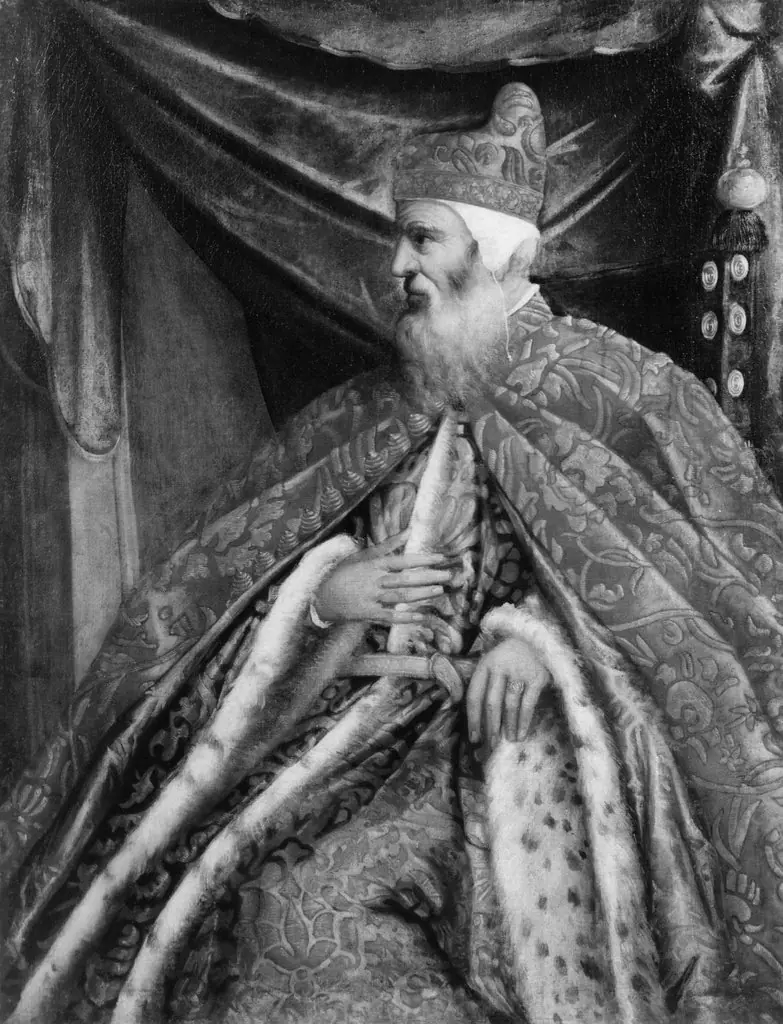 Portrait of Doge Marino Grimani
 Portrait of a Knight of the Order of Santiago
 William Torrel (1291–1303) (design for a mosaic in the Victoria and Albert Museum)