Artwork
Apollo and the Python
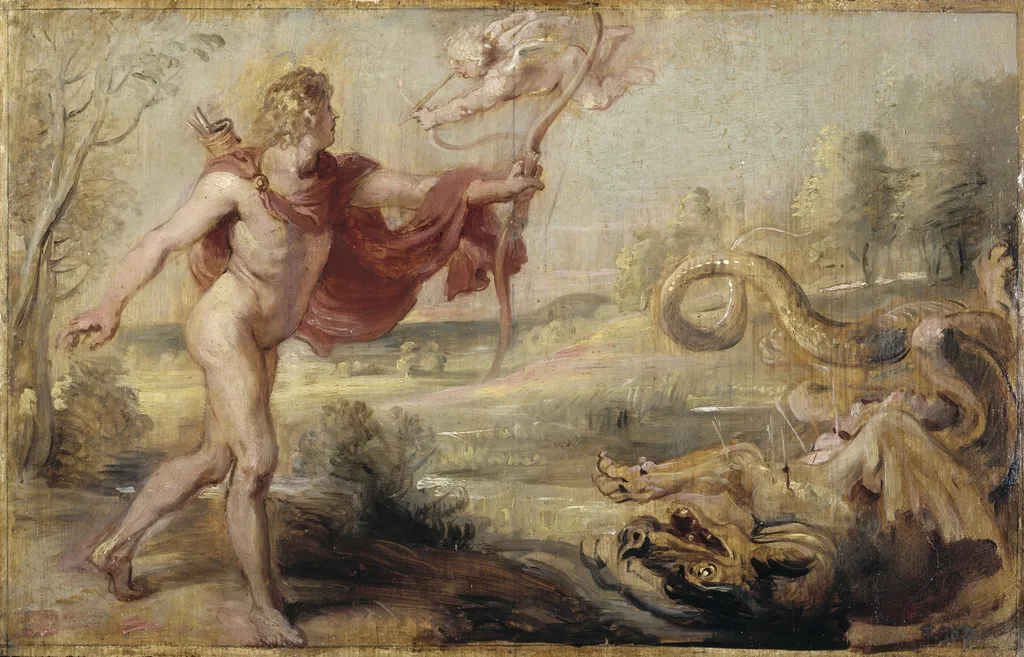
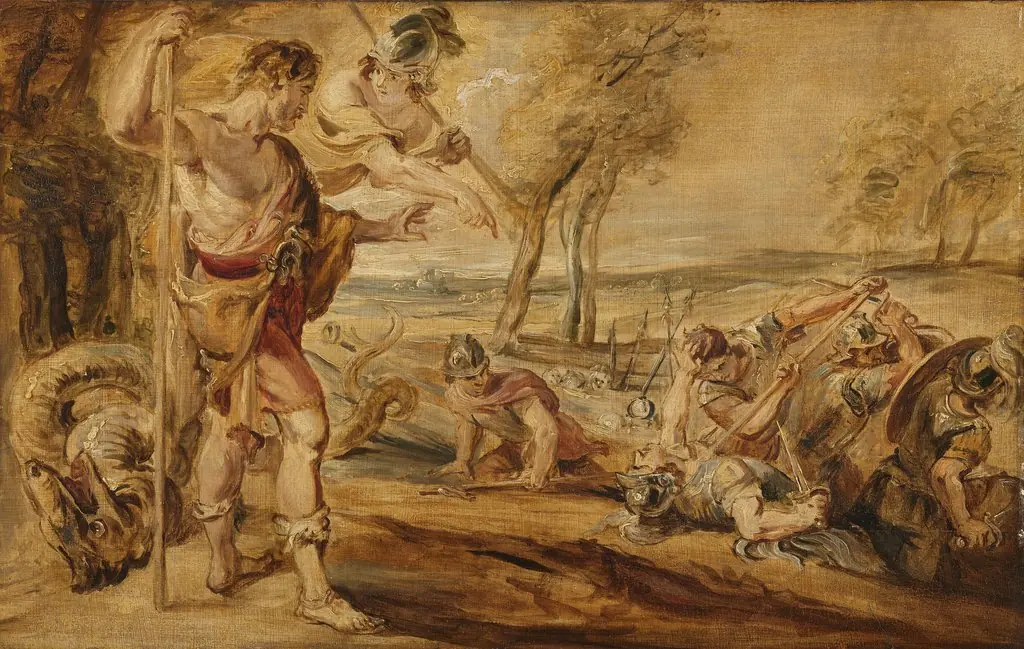
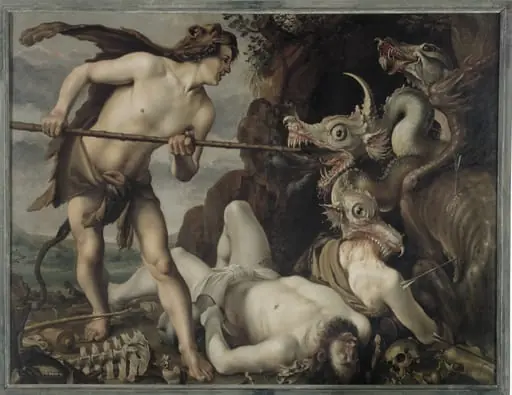
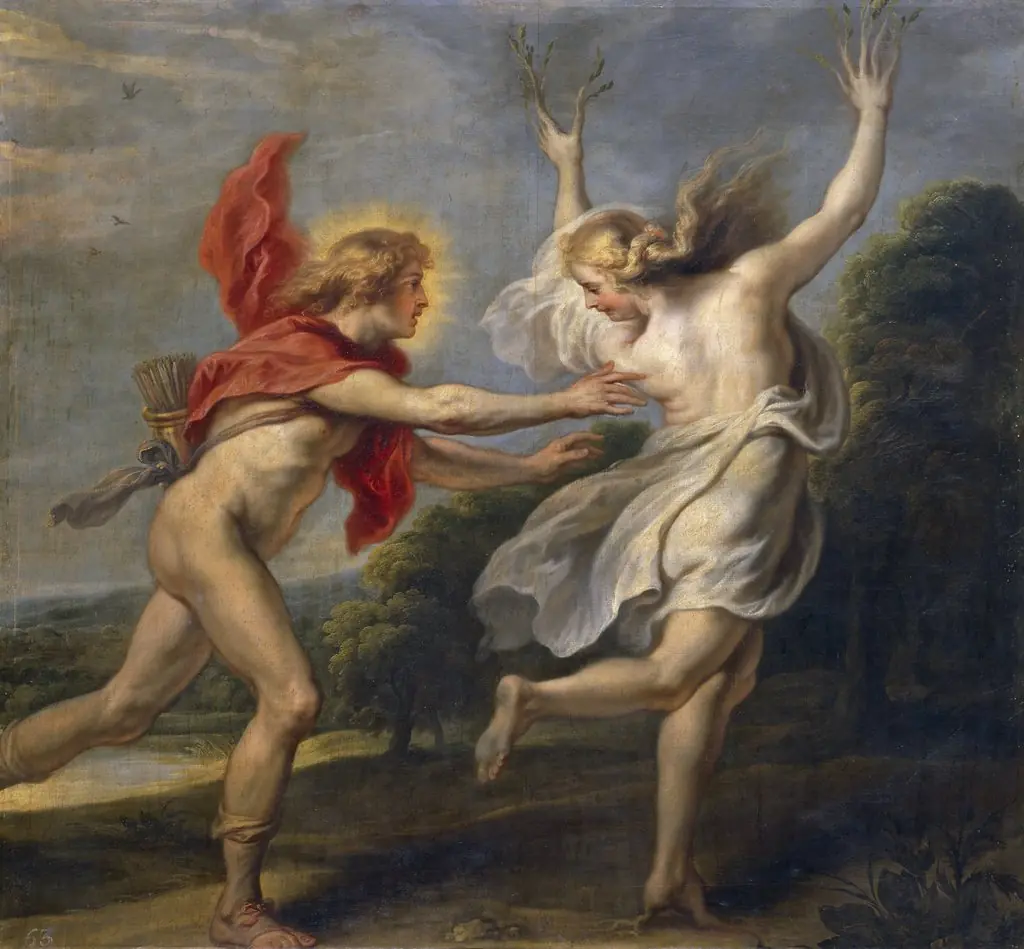
Apollo and the Python is an oil painting by the Flemish Baroque painting artist Peter Paul Rubens. It dates from 1636 and is held in the collection of the Museo del Prado.
About this work
Overview
Apollo and the Python is a 1636 oil painting by Peter Paul Rubens, exemplifying the Flemish Baroque style through its dynamic composition and vivid color palette. The work is part of the Museo del Prado's collection.
Subject & Meaning
The painting depicts a pivotal moment from mythology: Apollo, identifiable by his blonde hair, bare feet, and bow and arrow, confronts a menacing Python. The tense pose and open-mouthed snake suggest the instant before the mythological hero's victorious strike.
Technique & Style
Rubens employs characteristic Flemish Baroque techniques, leveraging expressive color and lighting to amplify tension and drama. Warm hues, such as the figure's red cloth, contrast with the serene landscape backdrop, heightening the scene's emotional intensity.
History & Provenance
Created in 1636, the painting showcases Rubens' mastery of historical and mythological themes, solidifying his status as a leading Flemish Baroque artist. It is now housed at the Museo del Prado as part of its esteemed collection.
Context
Within Rubens' oeuvre, Apollo and the Python reflects his fascination with classical mythology, often used to explore themes of heroism and conflict. This work aligns with the broader Baroque interest in dynamic, emotionally charged narratives.
Legacy
As a work by the influential Peter Paul Rubens, Apollo and the Python contributes to the enduring legacy of Flemish Baroque painting, continuing to be studied for its artistic and thematic contributions to the period's visual culture.
Own this work as a print
Artist & collection
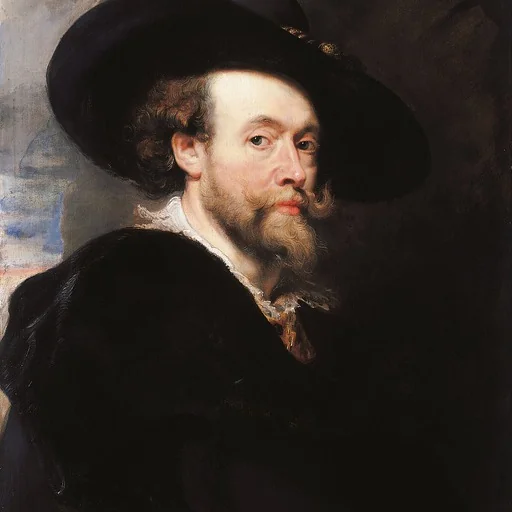
Artist
Sir Peter Paul Rubens ( ROO-bənz; Dutch: ; 28 June 1577 – 30 May 1640) was a Flemish artist and diplomat.