Artwork
The Union of Earth and Water
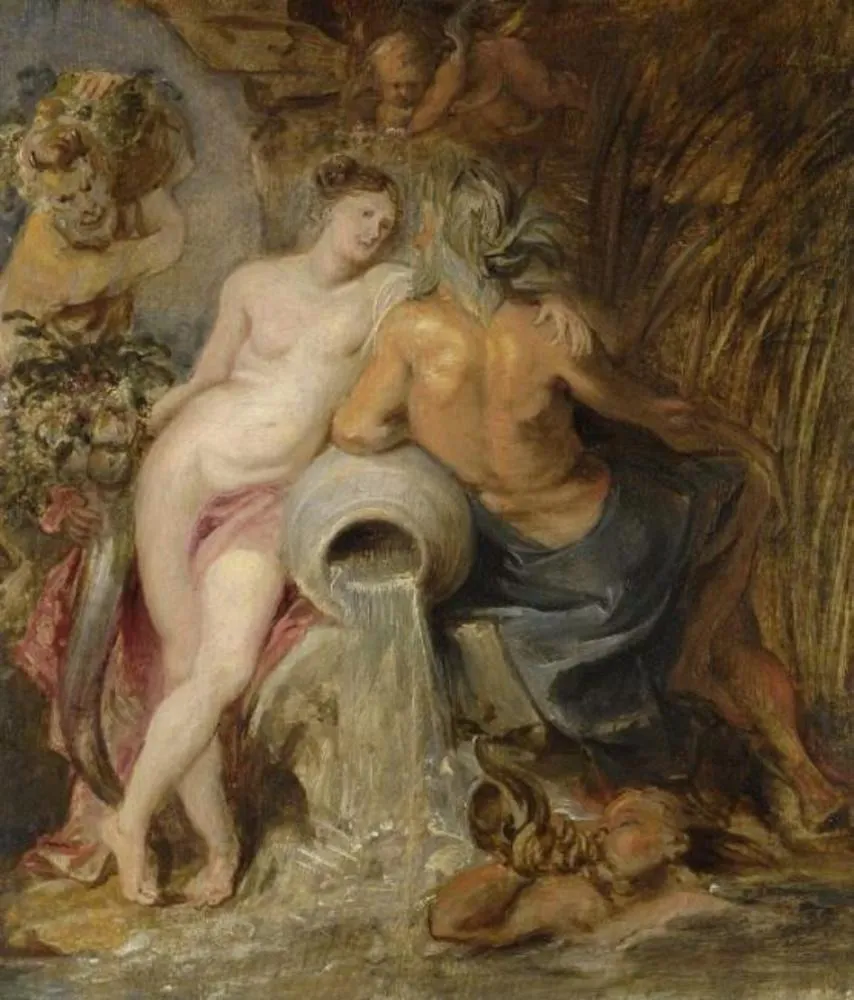
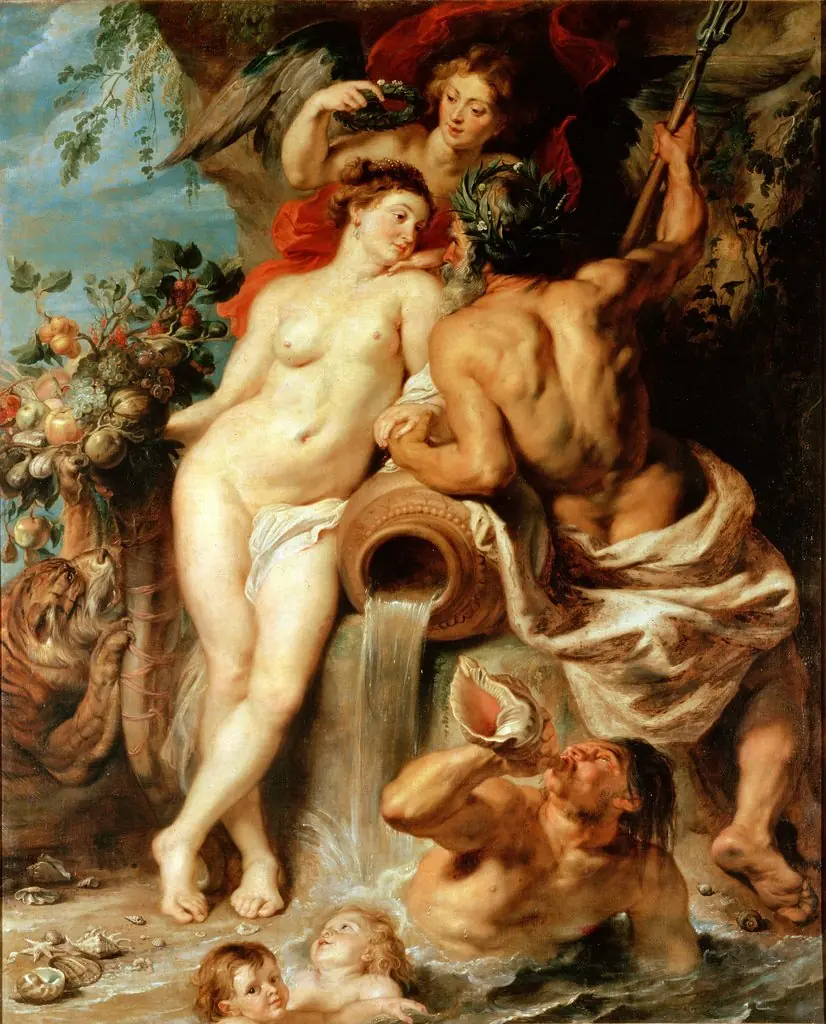
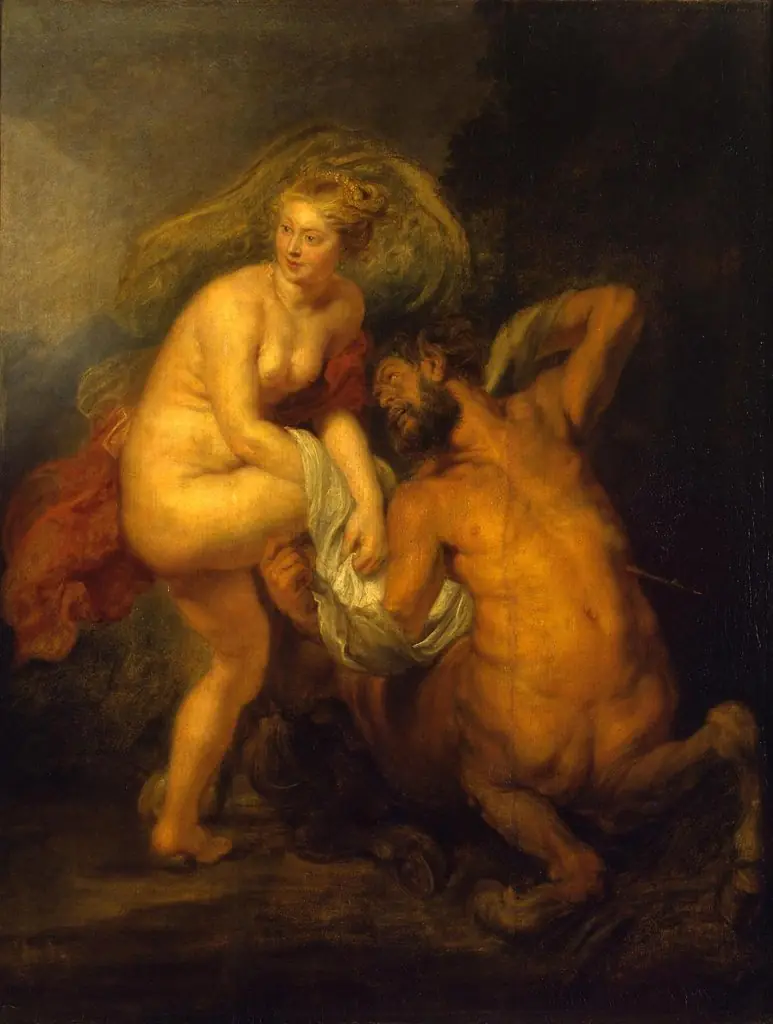
The Union of Earth and Water is an oil painting by the Flemish Baroque painting artist Peter Paul Rubens. It dates from 1615 and is held in the collection of the Fitzwilliam Museum.
About this work
Overview
Painted in 1615 by Peter Paul Rubens, this oil-on-canvas work is an allegorical composition that personifies the union of Earth and Water through human figures.
Painted in 1615 by Peter Paul Rubens, this oil-on-canvas work is an allegorical composition that personifies the union of Earth and Water through human figures. Executed during Rubens’s early maturity, it reflects his engagement with classical mythology and the Baroque aesthetic favored in Habsburg-controlled Flanders. The painting remains in the Fitzwilliam Museum’s collection, where it has been since the 19th century.
Subject & Meaning
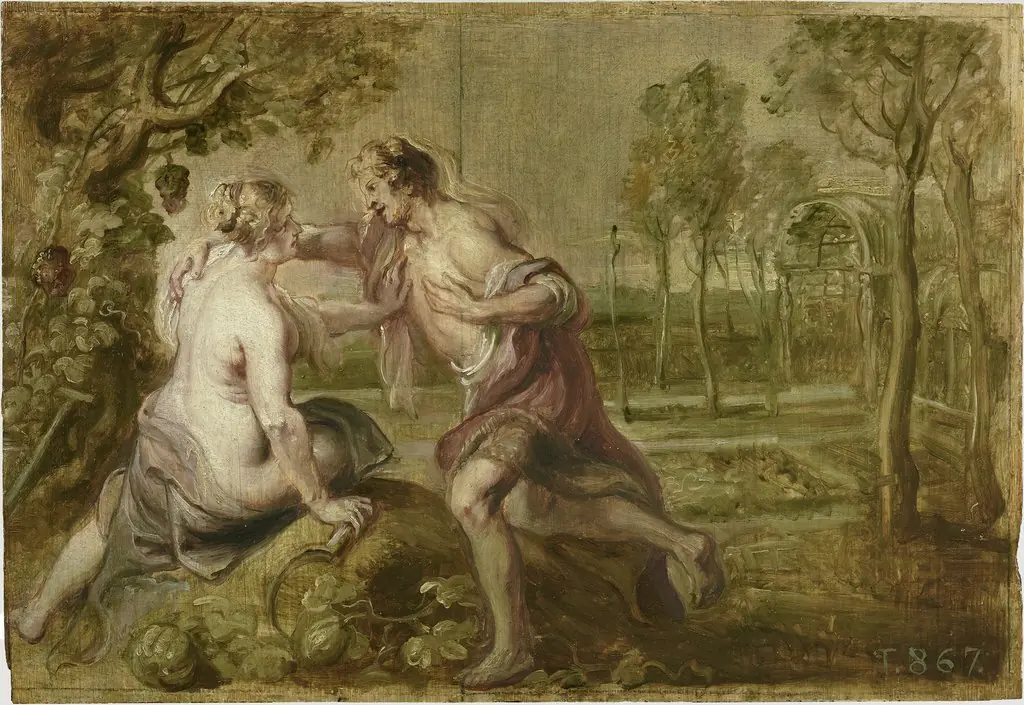
The central figures represent Earth, depicted as a nude woman holding flowers, and Water, a draped male figure. Their intimate embrace symbolizes the harmonious blending of natural elements, a theme rooted in Renaissance humanism and classical allegory. The turbulent sea behind them suggests Water’s power, while the fertile land beneath implies Earth’s generative force. The faint figures in the distance may allude to mythological attendants or civic benefactors.
Technique & Style
Rubens employs dynamic brushwork and rich, saturated hues to animate the scene. The figures are rendered with sculptural volume and fluid contours, emphasizing physicality and motion. The contrast between the warm tones of the skin and the cool blues and greens of the landscape enhances spatial depth. His handling of light and texture reflects a synthesis of Venetian colorism and Flemish detail, characteristic of his mature style.
History & Provenance
Commissioned likely for a private patron in Antwerp, the painting entered the collection of the Fitzwilliam Museum in the 19th century after passing through several European hands. Its early documentation is sparse, but its stylistic features align with other works Rubens produced during his tenure as court painter to the Archdukes of Austria. It has remained largely intact, with no major alterations recorded.
Context
Created during the Counter-Reformation, the painting aligns with Catholic efforts to use art as a vehicle for moral and cosmic order. Rubens, fluent in classical literature and diplomatic circles, often encoded political and philosophical ideals within mythological scenes. This work reflects the era’s fascination with nature’s harmony as a metaphor for stable governance and divine balance.
Legacy
The painting exemplifies Rubens’s influence on 17th-century European allegorical painting. Its integration of classical form with emotional intensity became a model for later Baroque artists. Though less famous than his large-scale religious works, it remains a key example of his ability to convey abstract concepts through vivid, human-centered imagery, shaping the trajectory of Western allegorical art.
Artist & collection
Artist
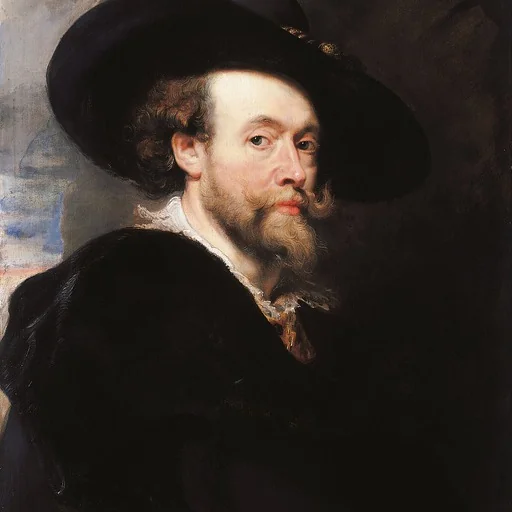
Sir Peter Paul Rubens ( ROO-bənz; Dutch: ; 28 June 1577 – 30 May 1640) was a Flemish artist and diplomat.