Artwork
Deksel van een klavecimbel
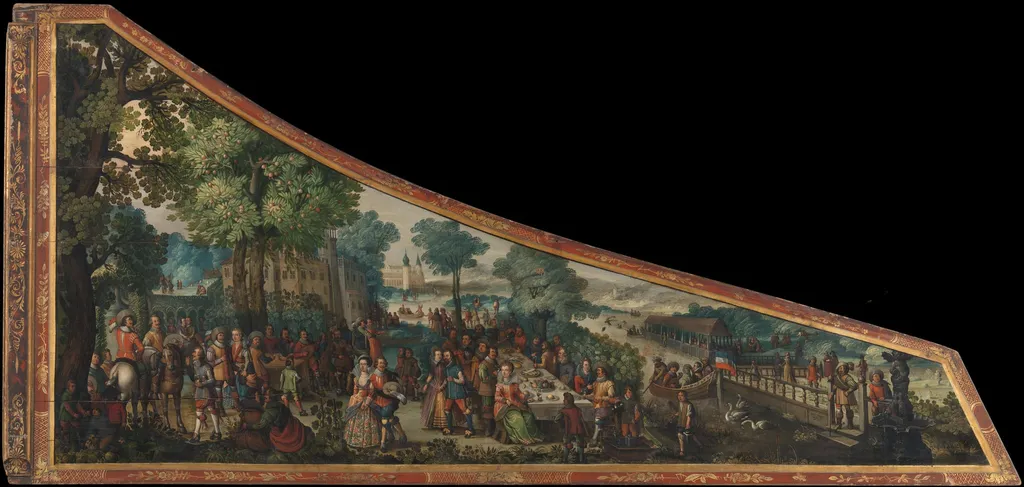
Deksel van een klavecimbel is an unspecified painting by the Dutch Golden Age artist Philip Schey. It dates from 1626 and is held in the collection of the Rijksmuseum.
About this work
Overview
Deksel van een klavecimbel is a painted still‑life executed in 1626 by the Dutch artist Philip Schey. The work forms part of the Rijksmuseum’s collection in Amsterdam, where it is displayed among other 17th‑century Dutch paintings.
Subject & Meaning
The composition depicts the lid of a harpsichord, rendered with careful attention to the instrument’s decorative panels and surrounding objects. By focusing on a musical instrument, the painting reflects the period’s interest in domestic culture and the visual celebration of music as a refined pastime.
Technique & Style
Schey employs a restrained palette of muted greens, browns and ochres, characteristic of early Dutch still‑life painting. Fine brushwork conveys the texture of wood grain and the subtle sheen of lacquer, while the controlled lighting creates a modest three‑dimensional effect without dramatic chiaroscuro.
History & Provenance
Created in the early seventeenth century, the painting entered the Rijksmuseum’s holdings through acquisition in the 20th century, though specific details of its earlier ownership remain undocumented in public records.
Context
During the 1620s, Dutch artists increasingly explored still‑life subjects that highlighted everyday objects, aligning with a broader cultural emphasis on material prosperity and the moral symbolism of music and craftsmanship.
Artist & collection
Artist
Philip Schey painted playful scenes on harpsichord lids, turning the inside of the instrument into a tiny party.

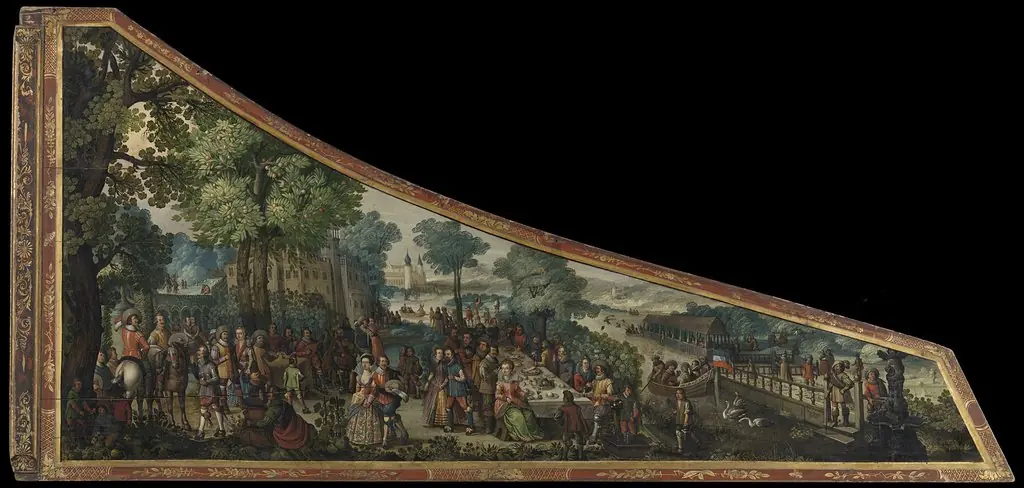 A painting on a harpsichord lid with a party by a river
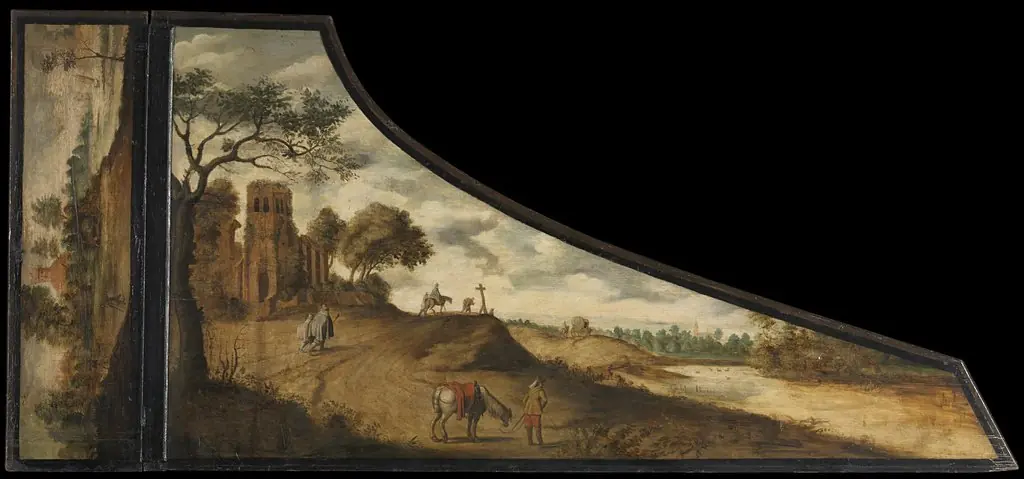 A painting on a harpsichord lid with a hilly landscape and travelers
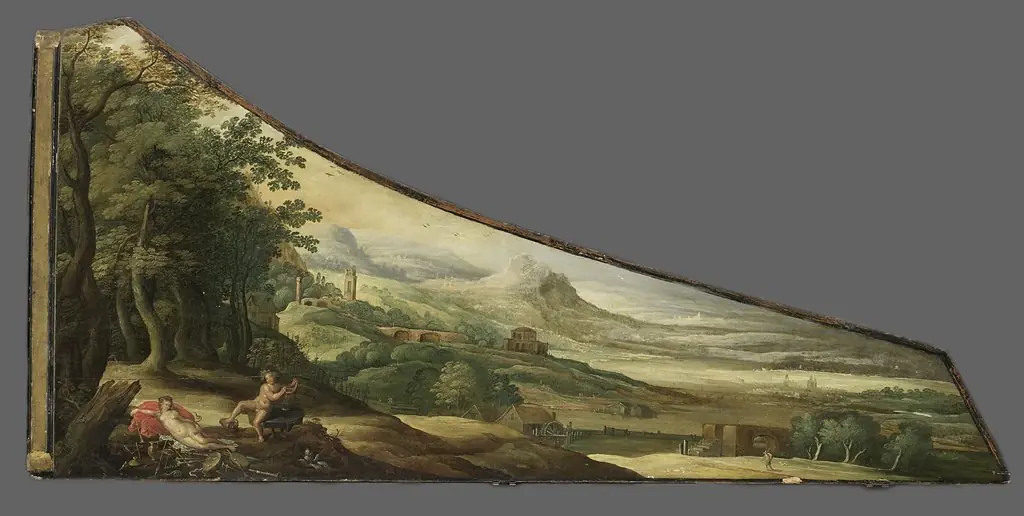 Death of Euridice
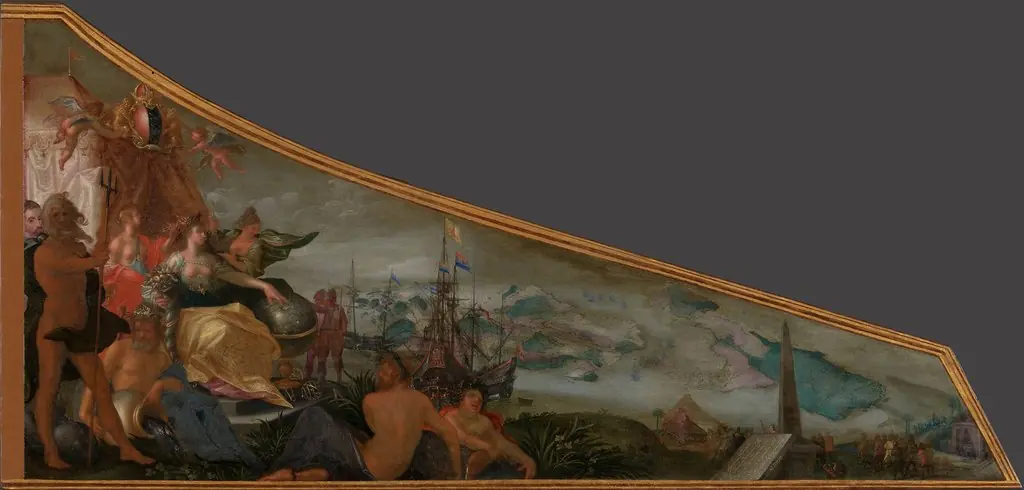 Harpsichord Lid showing an Allegory of Amsterdam as the Center of World Trade
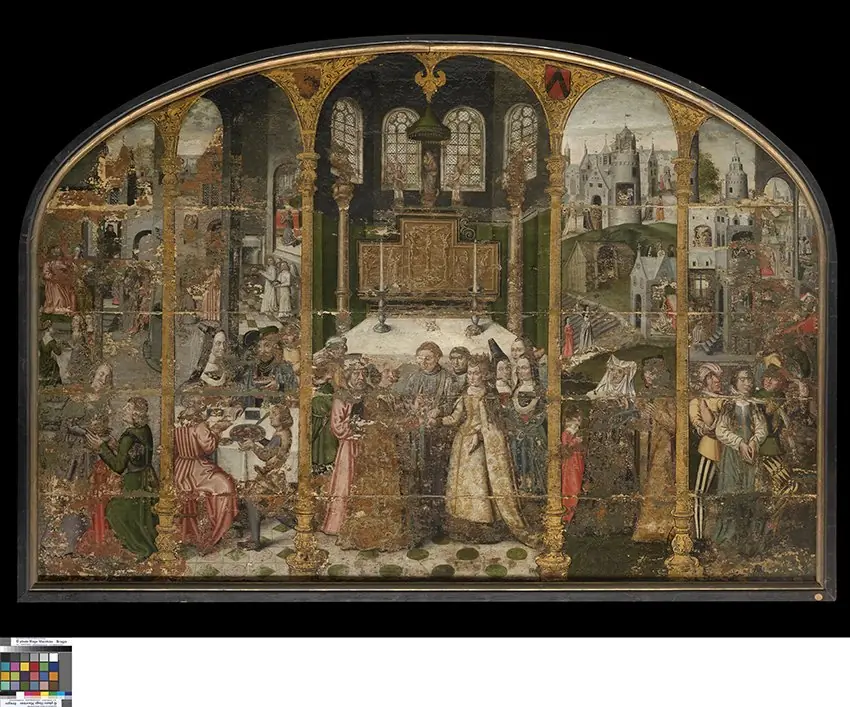 Legende van de heilige Godelieve
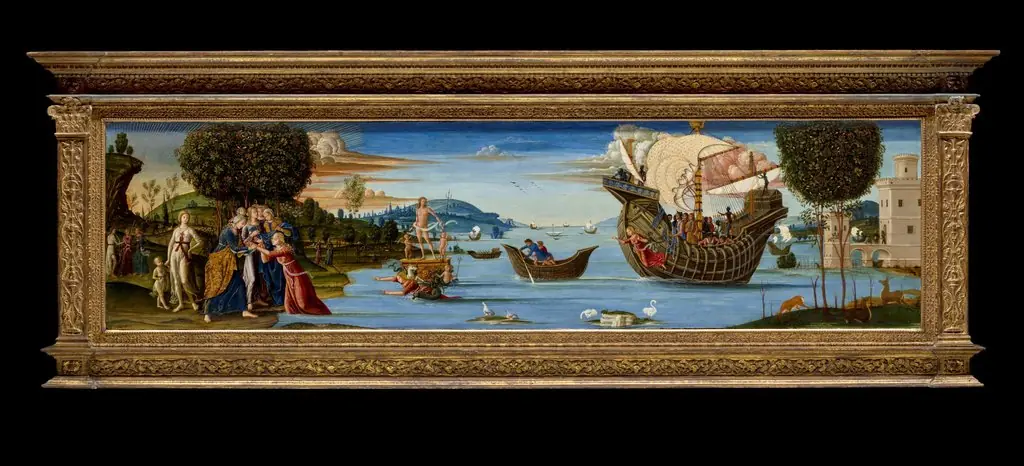 The Beloved of Enalus Sacrificed to Poseidon and Spared
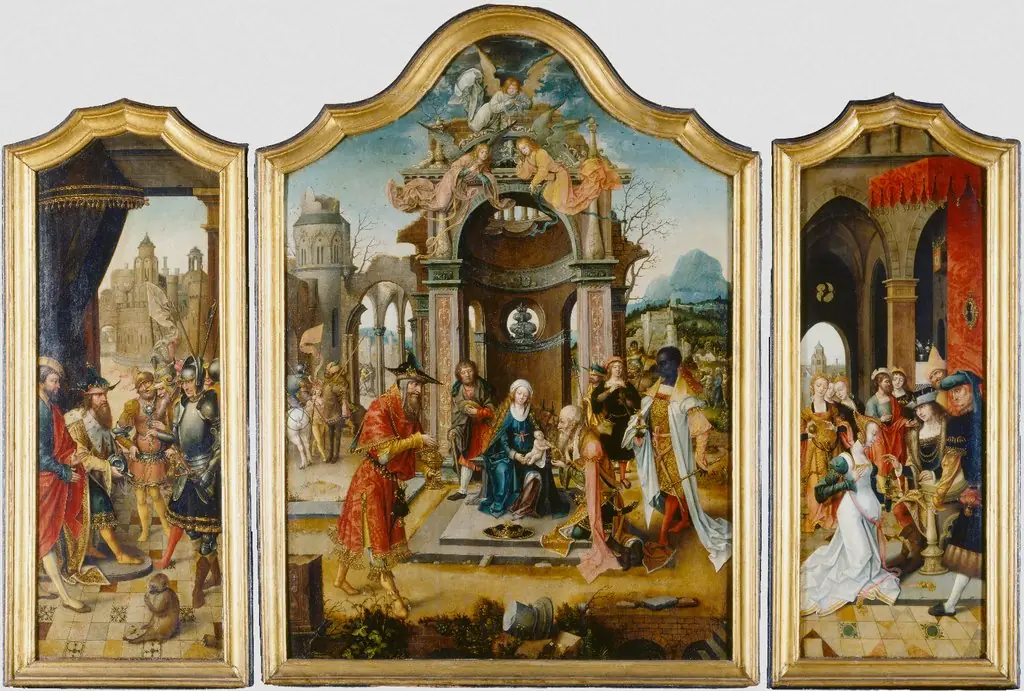 Triptych of the Adoration of the Magi
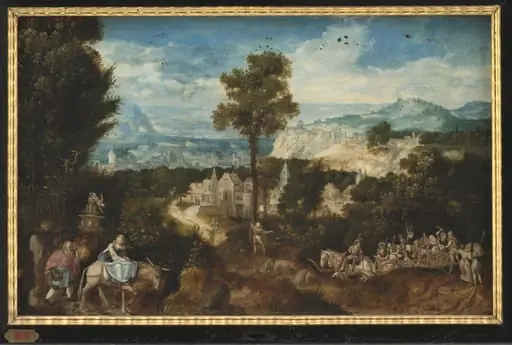 Landscape with the Flight into Egypt
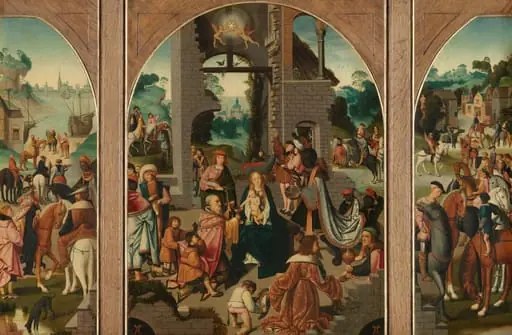 Triptych with Adoration of the Magi (center and inner wings), Saint Antony Abbot (left, outer wing) and Saint Adrian (right, outer wing)
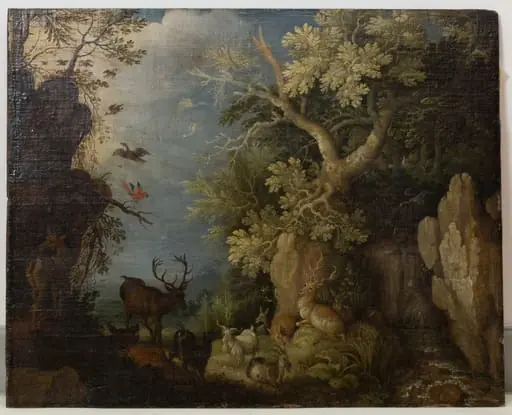 Waldlandschaft mit Tieren
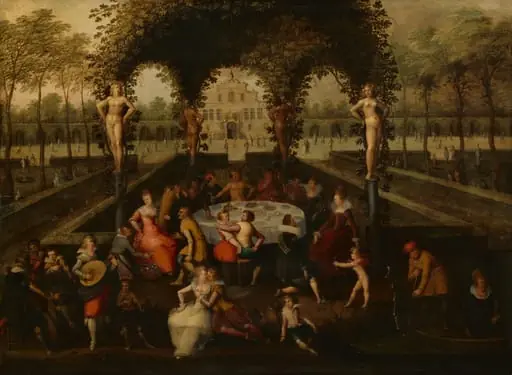 Venus, Bacchus and Ceres with Mortals in a Garden of Love
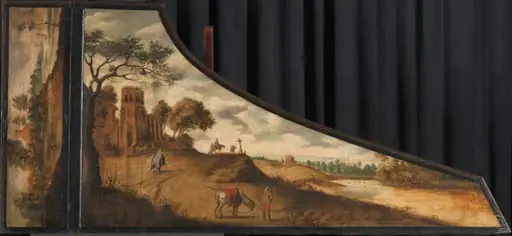 Deksel van een klavecimbel