Artwork
Allegory of Russia
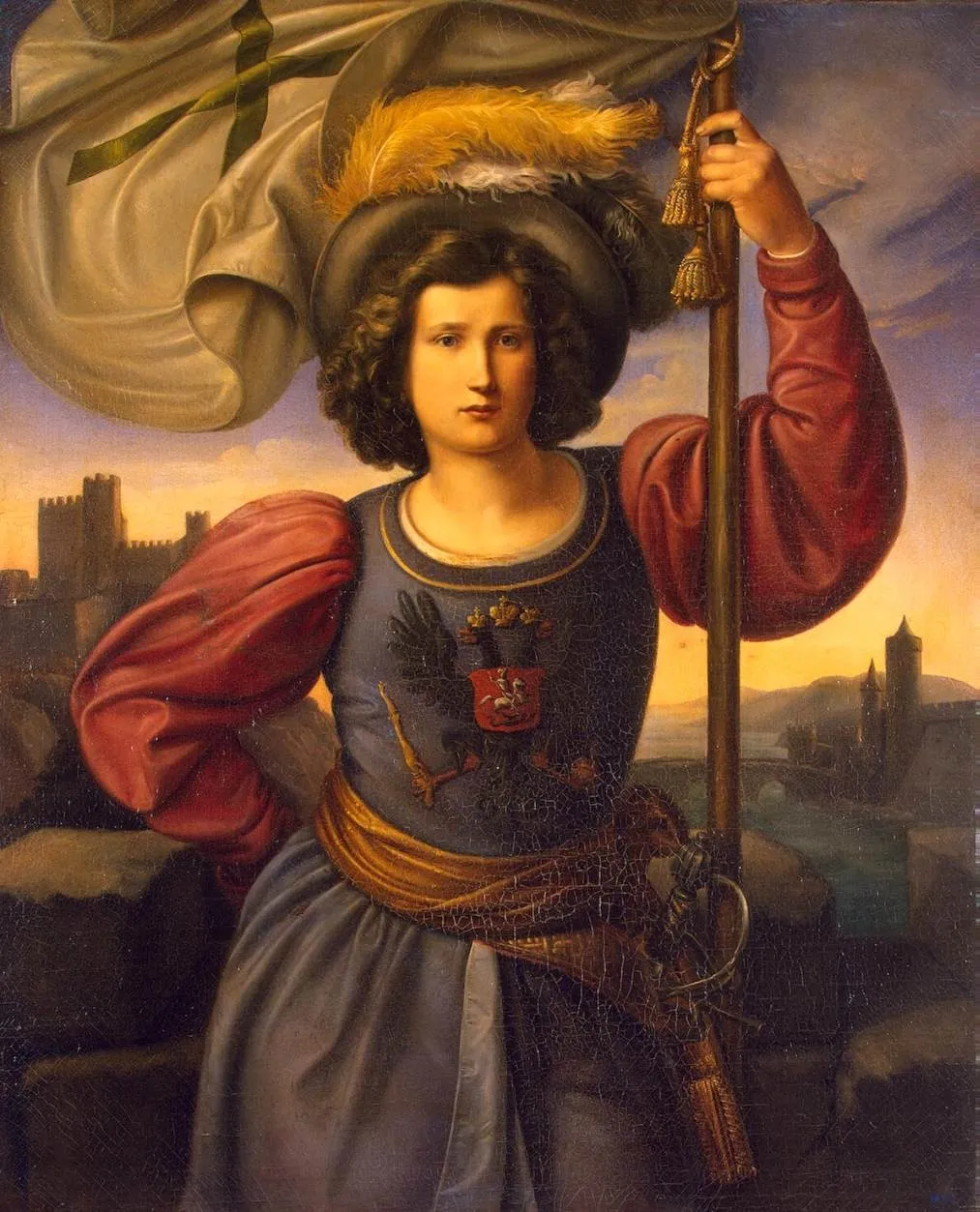
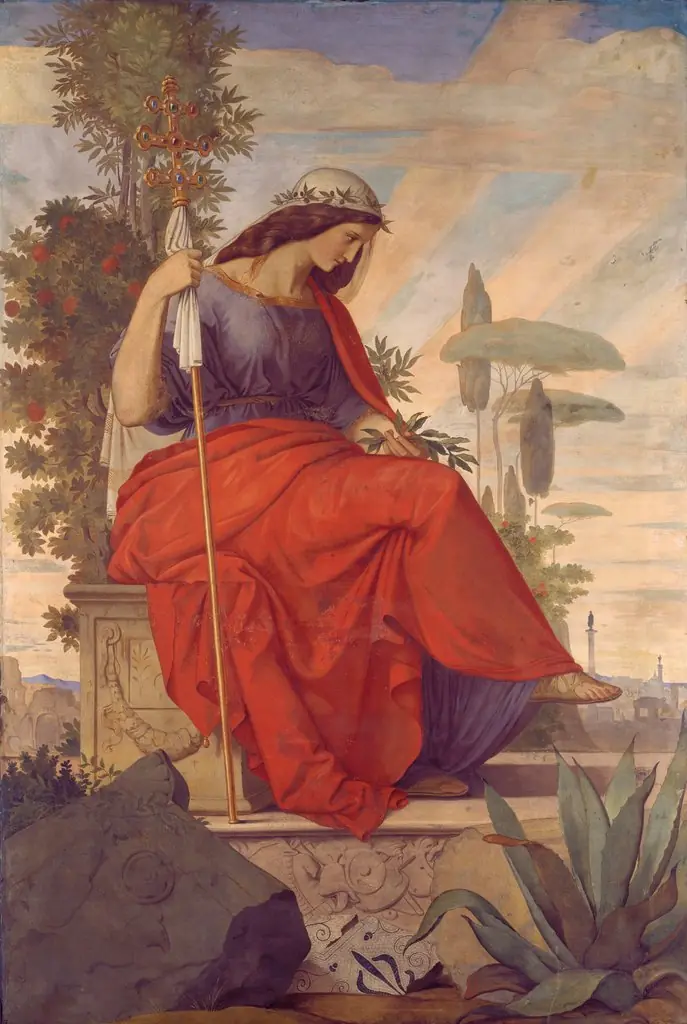
Allegory of Russia is an oil painting by Philipp Veit. It dates from 1840 and is held in the collection of the Hermitage Museum.
About this work
Overview
Painted in 1840 by German artist Philipp Veit, this oil-on-canvas work presents a symbolic representation of Russia. Veit, associated with the Nazarene movement, infused the piece with a sense of solemn grandeur, drawing on his experience with fresco techniques to achieve clarity and structural harmony. The painting is part of the collection at the State Hermitage Museum in Saint Petersburg.
Subject & Meaning
The golden staff and red cushion suggest authority and readiness for leadership, while the twilight landscape behind evokes transition or enduring strength.
The central figure, dressed in dark blue and red with a feathered hat, embodies Russia as a dignified, watchful presence. The golden staff and red cushion suggest authority and readiness for leadership, while the twilight landscape behind evokes transition or enduring strength. The composition avoids literal narrative, instead inviting contemplation of national identity through symbolic form rather than historical reference.
Technique & Style
Veit employed precise brushwork and controlled chiaroscuro to isolate the figure against a luminous sky, enhancing her presence through contrast. The rich textures of fabric and metal are rendered with restraint, reflecting Nazarene ideals of clarity and moral seriousness. The palette—deep blues, muted reds, and gold accents—creates a somber yet regal atmosphere, emphasizing symbolic weight over decorative flourish.
History & Provenance
Commissioned during a period of heightened interest in national allegories across Europe, the painting entered the Hermitage collection shortly after its completion. Veit’s reputation as a fresco revivalist lent credibility to his allegorical works, and this piece was likely acquired as part of broader efforts to document cultural symbolism in imperial Russia’s artistic circles.
Context
Created in the aftermath of the Napoleonic Wars and during Russia’s consolidation as a continental power, the painting reflects contemporary European tendencies to personify nations as idealized female figures. Veit, though German, engaged with Russian cultural themes through his Nazarene network, aligning with a broader trend of romanticized national imagery in mid-19th-century art.
Legacy
While not widely exhibited outside Russia, the painting remains a quiet example of how German Romanticism intersected with Slavic symbolism. It illustrates the Nazarenes’ influence beyond religious subjects, extending into secular national allegory. Its preservation in the Hermitage underscores its role as a historical document of artistic diplomacy in 19th-century Europe.
Artist & collection
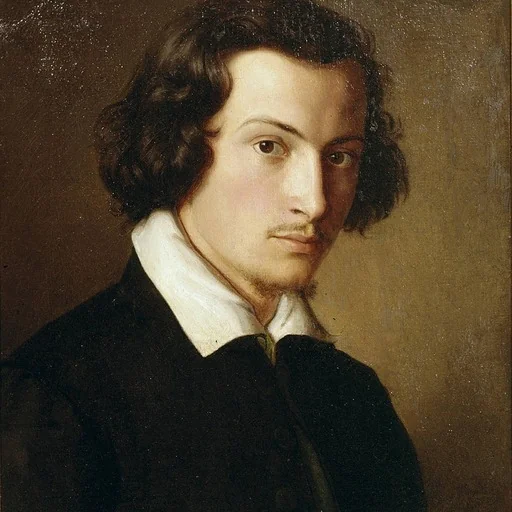
Artist
Philipp Veit (13 February 1793 – 18 December 1877) was a German Romantic painter and one of the main exponents of the Nazarene movement.