Artwork
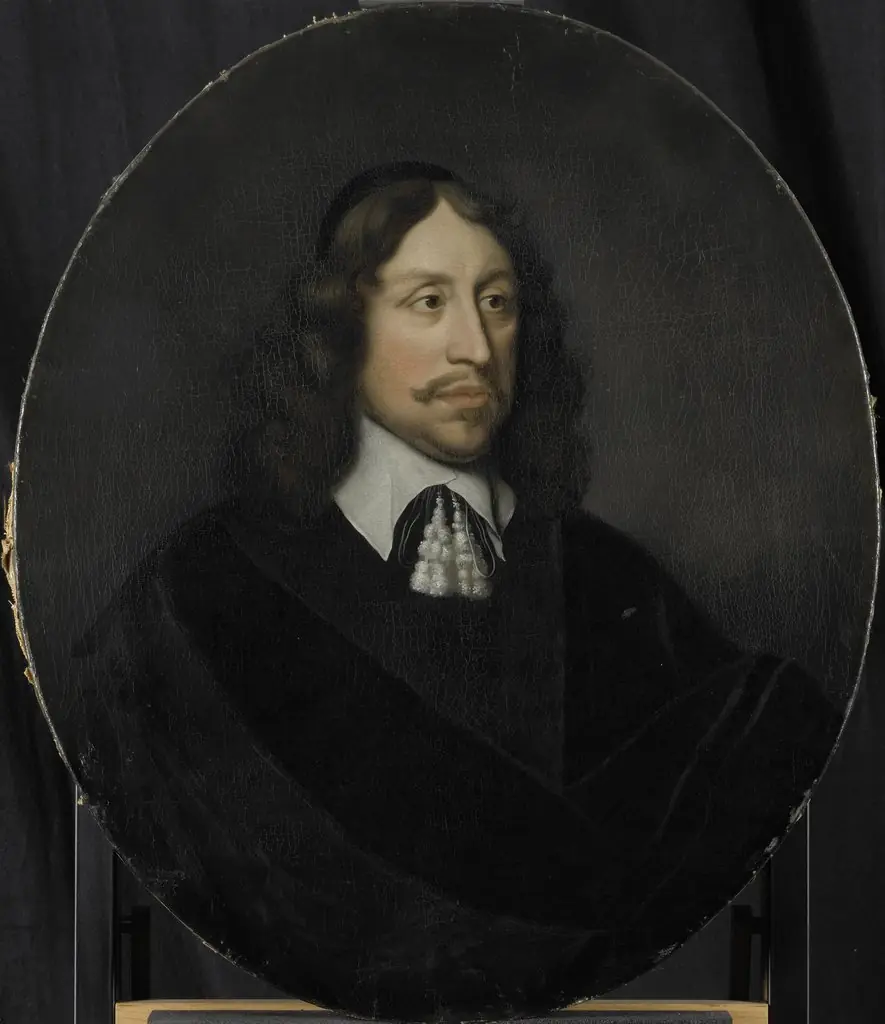
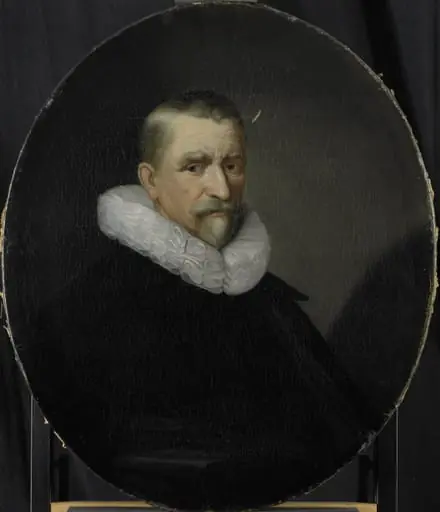
Portrait of Johan de Vries, Director of the Rotterdam Chamber of the Dutch East India Company, elected 1667
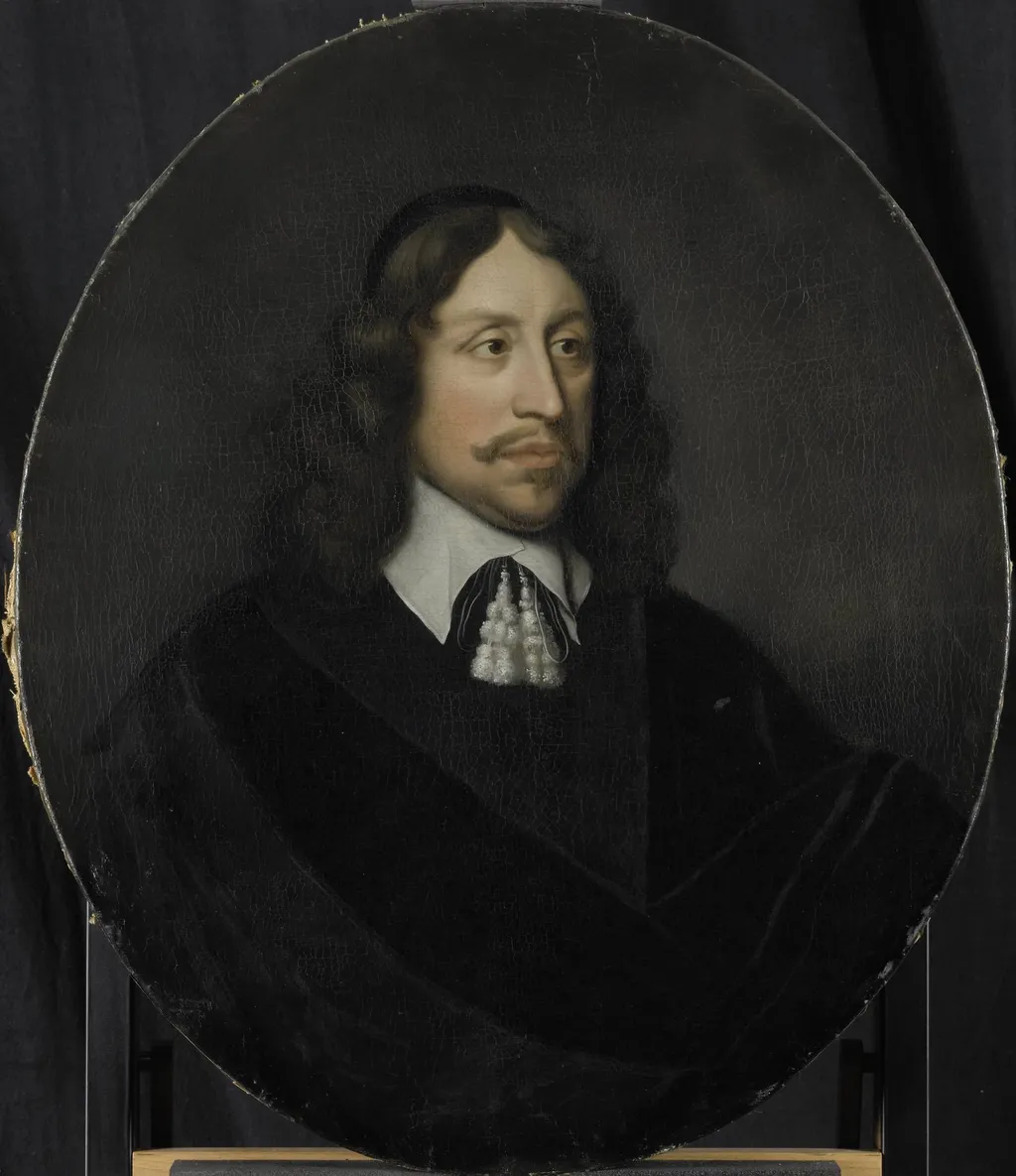
Portrait of Johan de Vries, Director of the Rotterdam Chamber of the Dutch East India Company, elected 1667 is an unspecified painting by the Dutch Golden Age artist Pieter van der Werff. It dates from 1708 and is held in the collection of the Rijksmuseum.
About this work
The man died twenty years before the picture was painted, so the artist worked from an older portrait or a death mask.
This is a stiff, three-quarter portrait of a man in a black coat and white collar. His face is half-lit, half-shadowed inside an oval frame.
The painting is one of about fifty made for the new East India Company headquarters in Rotterdam. Every director got the same pose, same oval, same light—like a corporate headshot from 1700. The man died twenty years before the picture was painted, so the artist worked from an older portrait or a death mask.
If you like these no-nonsense Dutch faces, spend time with the Rijksmuseum.
Overview
The work is a three‑quarter bust portrait of Johan de Vries, a director of the Rotterdam Chamber of the Dutch East India Company elected in 1667. Rendered within an oval frame that turns toward the viewer’s right, the painting forms part of a larger series of roughly fifty portraits created for the new East India Company headquarters on the Boompjes in Rotterdam, completed in 1698.
Subject & Meaning
Johan de Vries (1607–1677) is shown in a sober black coat with a white collar, his face divided between light and shadow. The restrained composition emphasizes his official status rather than personal character, reflecting the corporate identity of the VOC’s governing body during the late seventeenth century.
Technique & Style
Executed in oil on canvas, the portrait employs a limited palette and a flat, even lighting scheme that was replicated across the series. The oval format and the half‑lit facial modeling create a uniform visual language, giving each director a comparable, almost bureaucratic presence.
History & Provenance
Although the painting was installed in the 1698 headquarters, de Vries had died two decades earlier. The artist therefore relied on an earlier likeness—perhaps a portrait or a death mask—to render his features, a common practice for posthumous official portraits in the period.
Context
The series was commissioned to adorn the Nieuw Oost‑Indisch Huis, the Rotterdam VOC chamber’s new administrative building. By presenting all directors in identical poses and lighting, the collection projected continuity and collective authority, aligning the company’s commercial power with a visual program of institutional stability.
Artist & collection
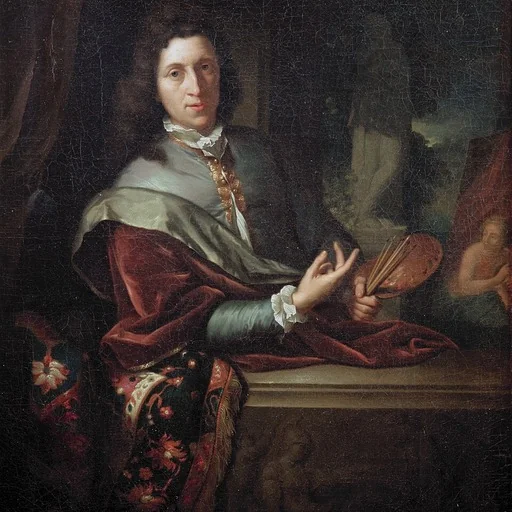
Artist
Pieter van der Werff (1665 – 26 September 1722) was a Dutch Golden Age painter. He assisted his older brother, Adriaen van der Werff.

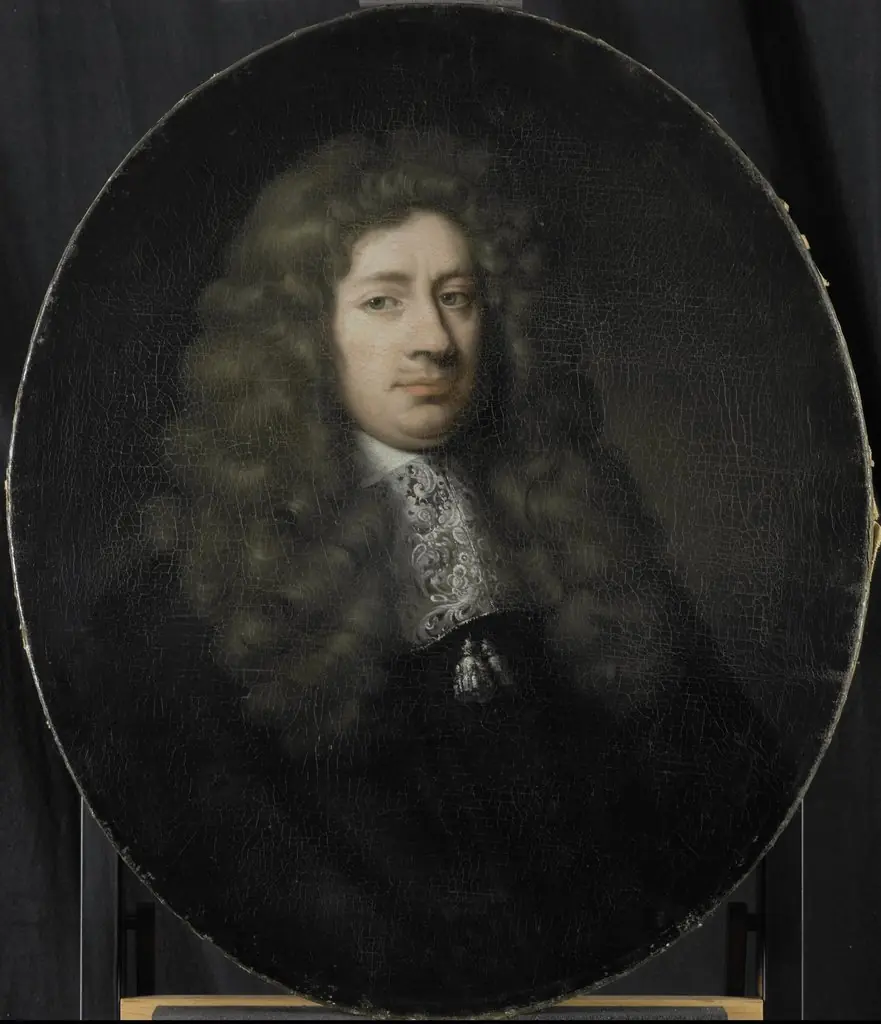 Portrait of Dominicus Rosmale, Director of the Rotterdam Chamber of the Dutch East India Company, elected 1677
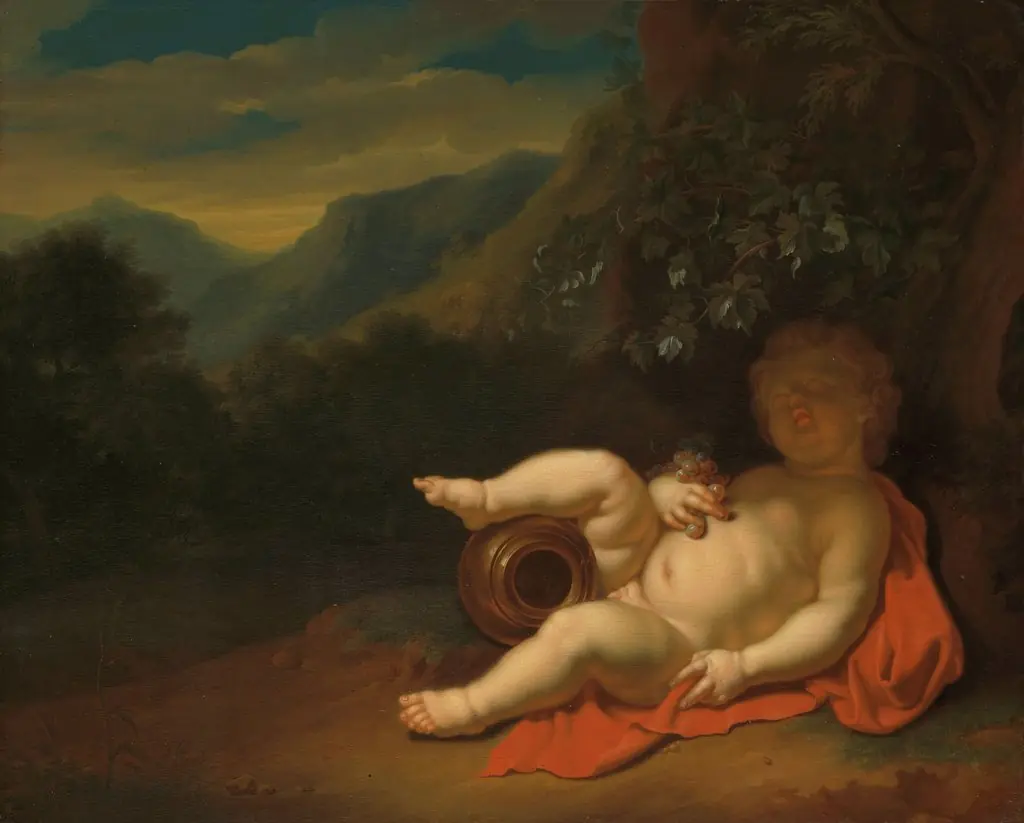 The Infant Bacchus
 Portrait of Johan de Vries, Director of the Rotterdam Chamber of the Dutch East India Company, elected 1667
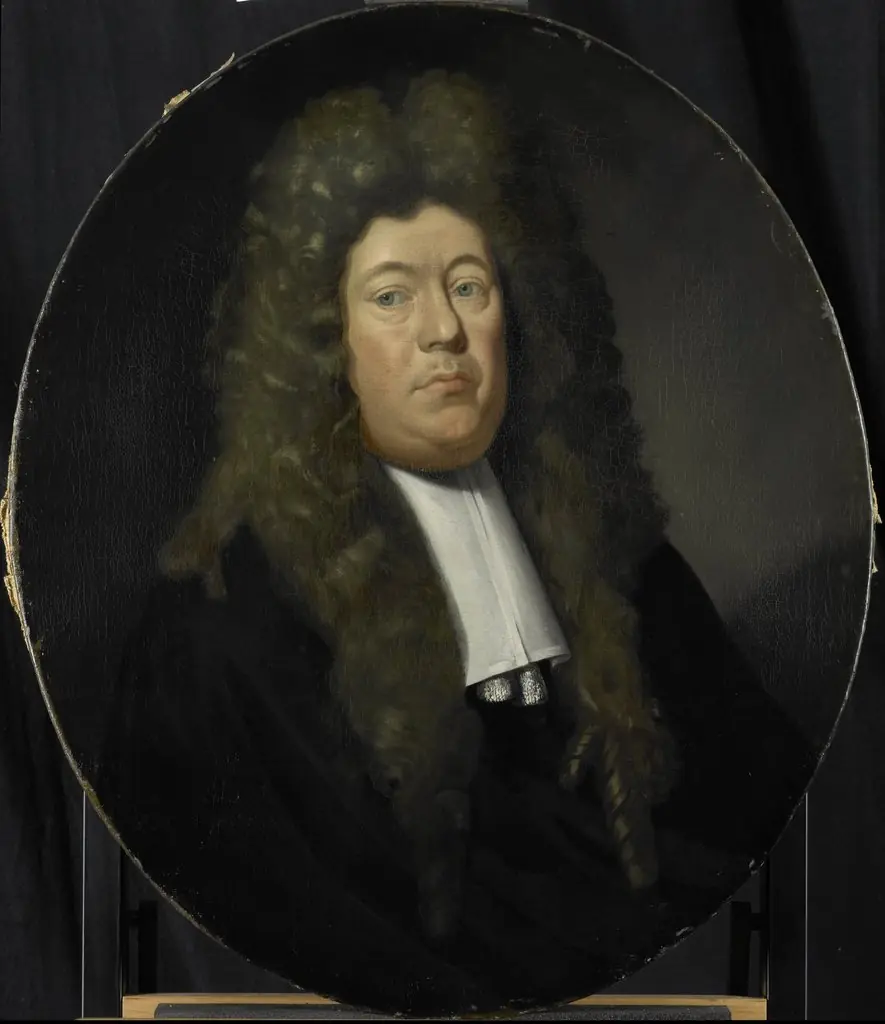 Portrait of Adriaen Paets, Director of the Rotterdam Chamber of the Dutch East India Company, elected 1668
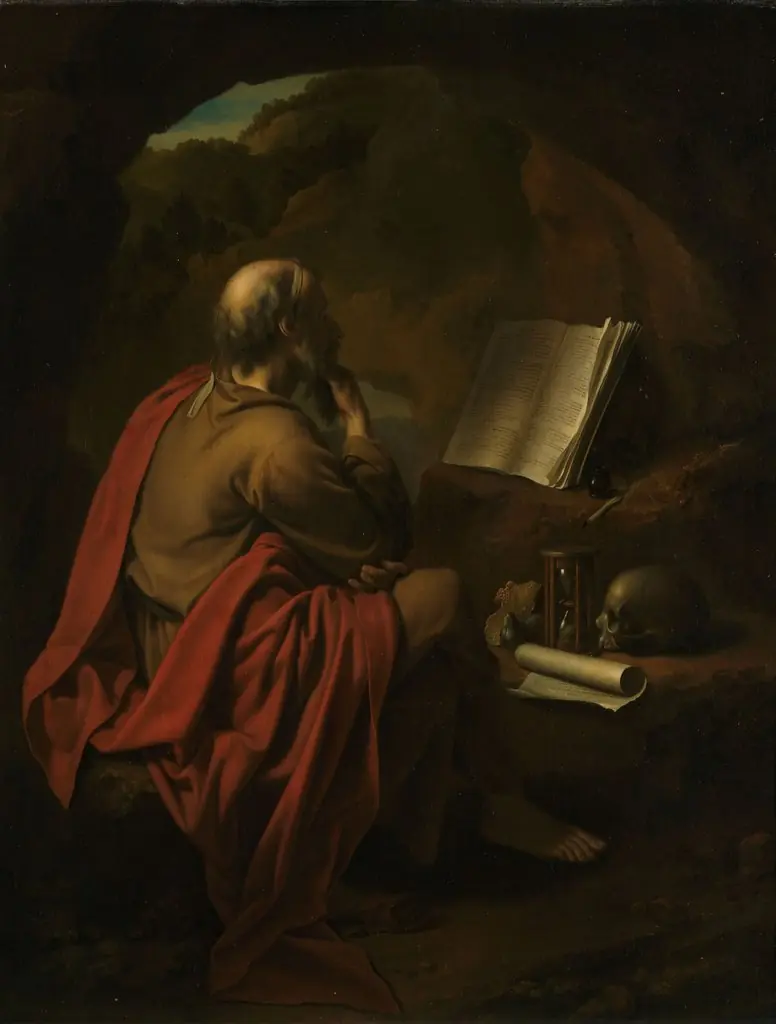 Saint Jerome
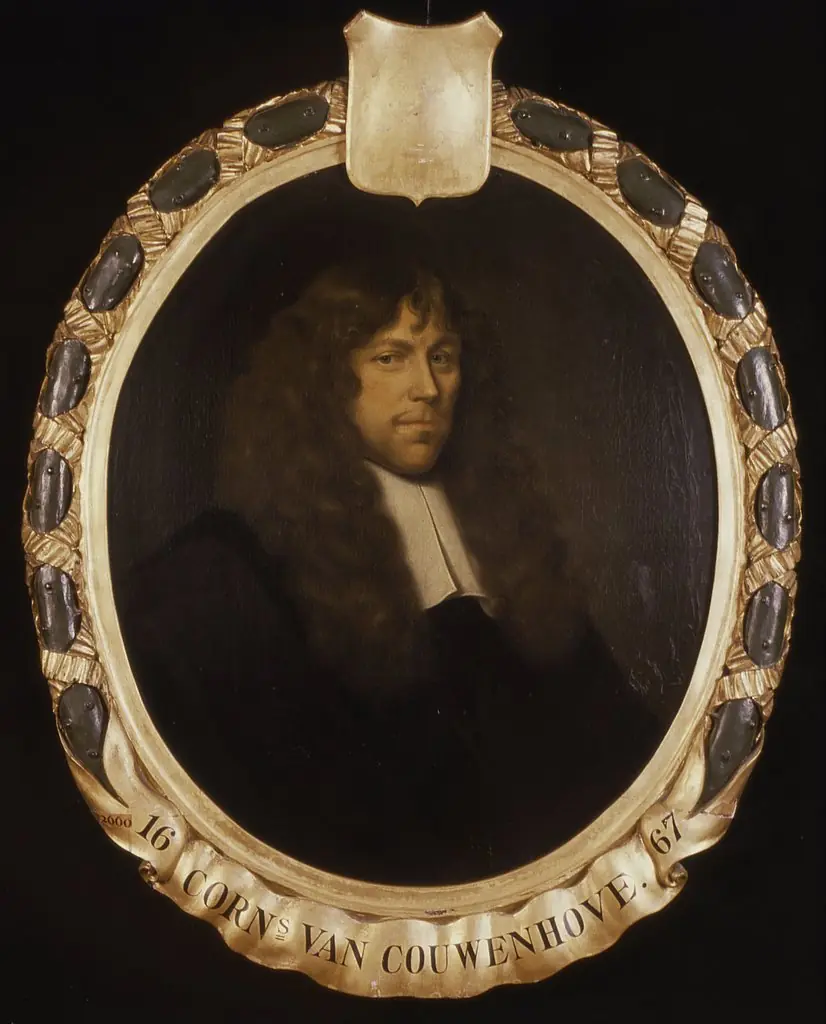 Portrait of Cornelis van Couwenhove, Director of the Rotterdam Chamber of the Dutch East India Company, elected 1667
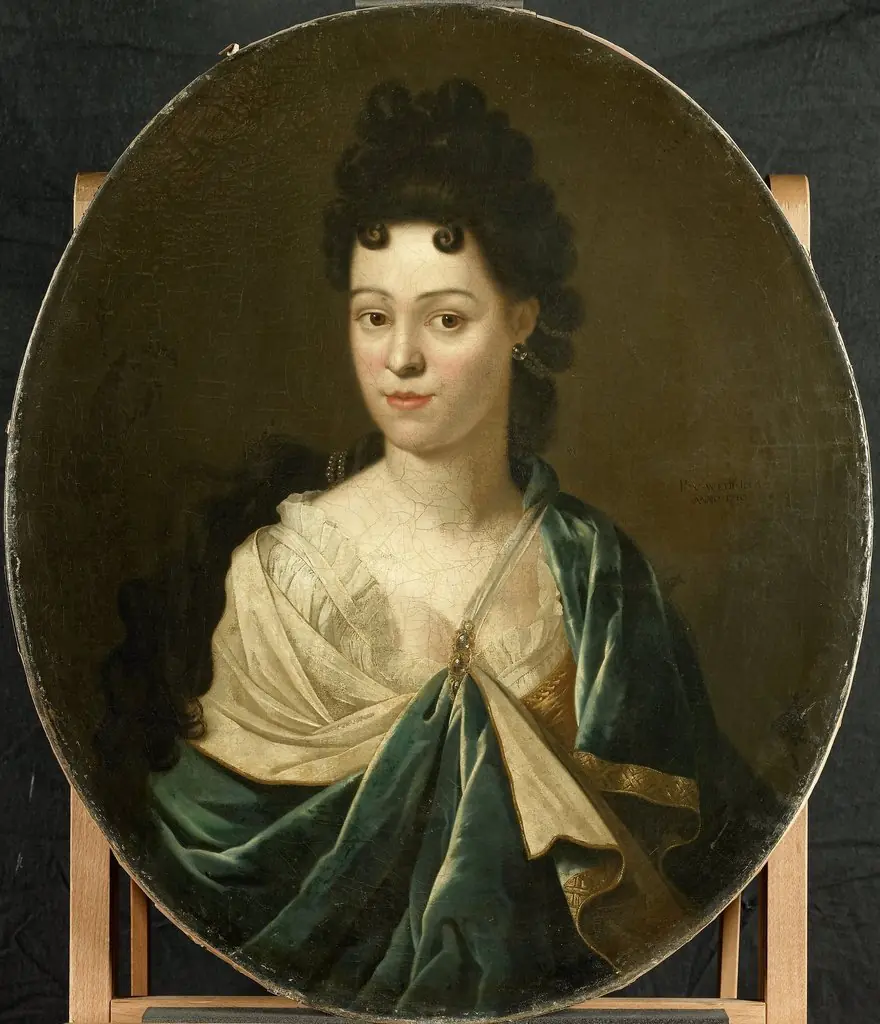 Portrait of Mrs. Brust-Batailhy
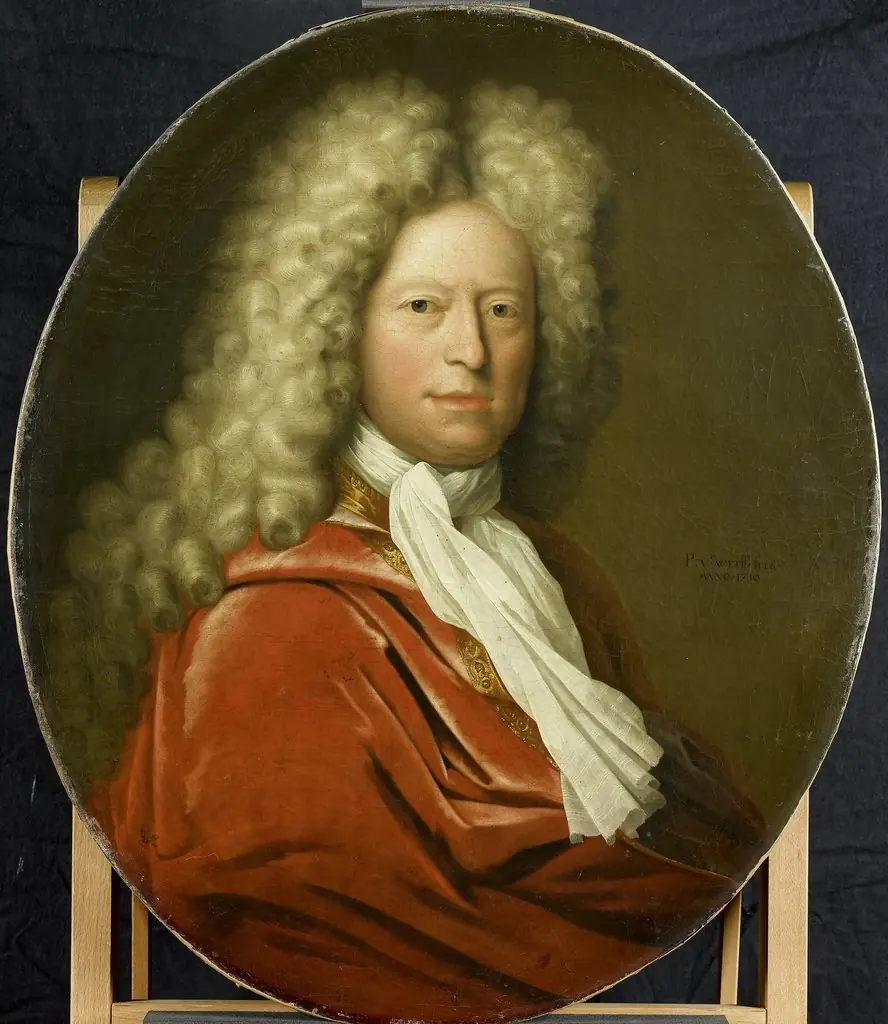 Portrait of Mr. Brust
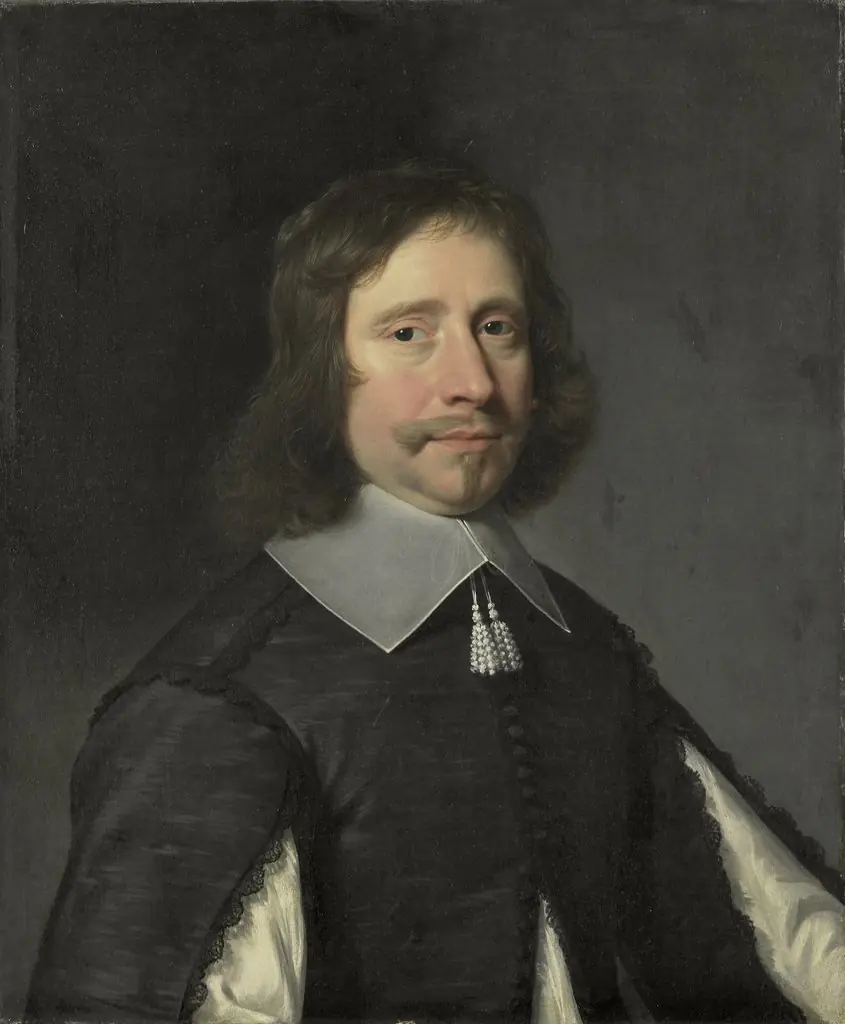 Portrait of a man, perhaps Philippe de la Trémoïlle (1596-?), count of Olonne
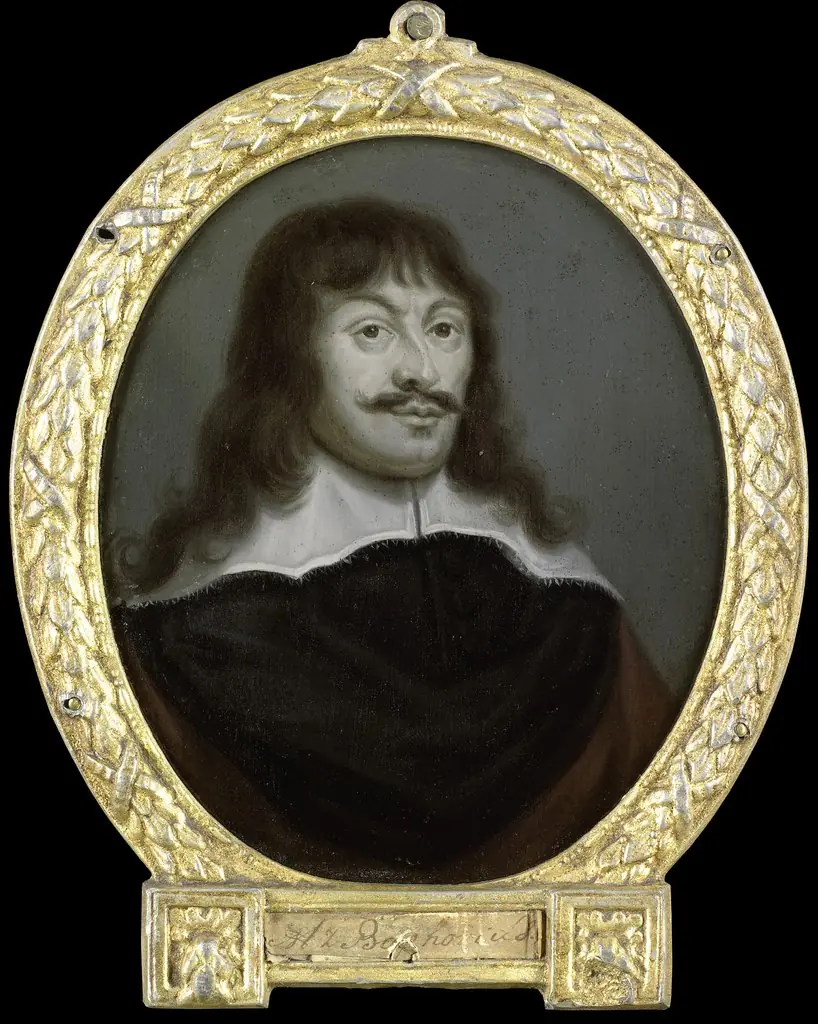 Portrait of Marcus Zuërius van Boxhorn, Historian and Professor at Leiden
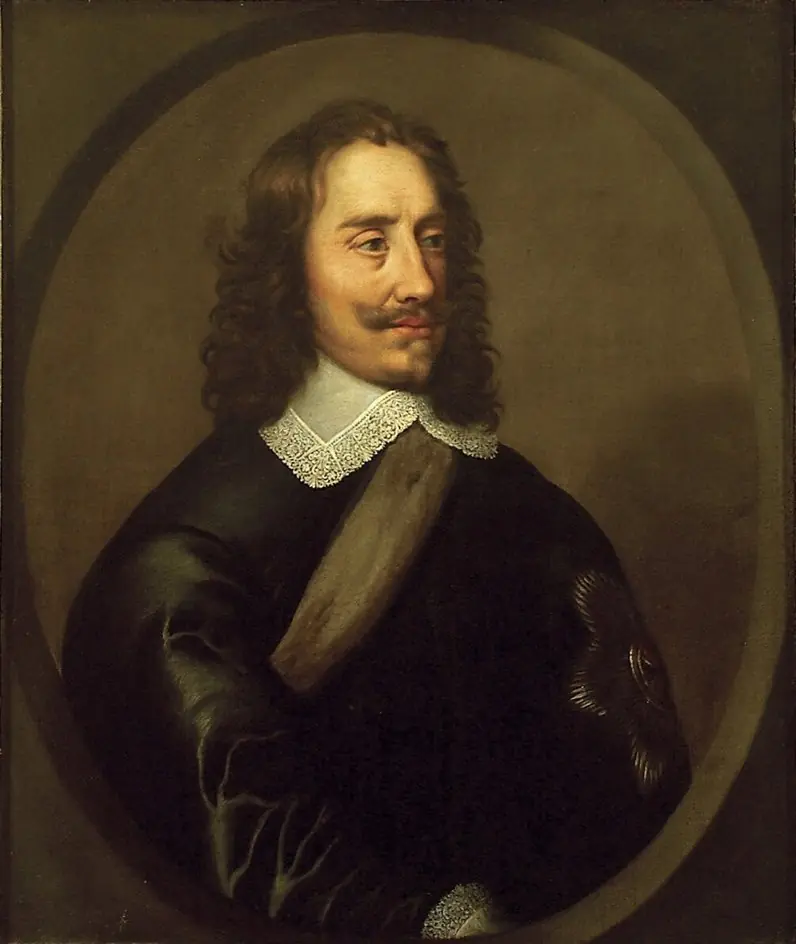 Charles I
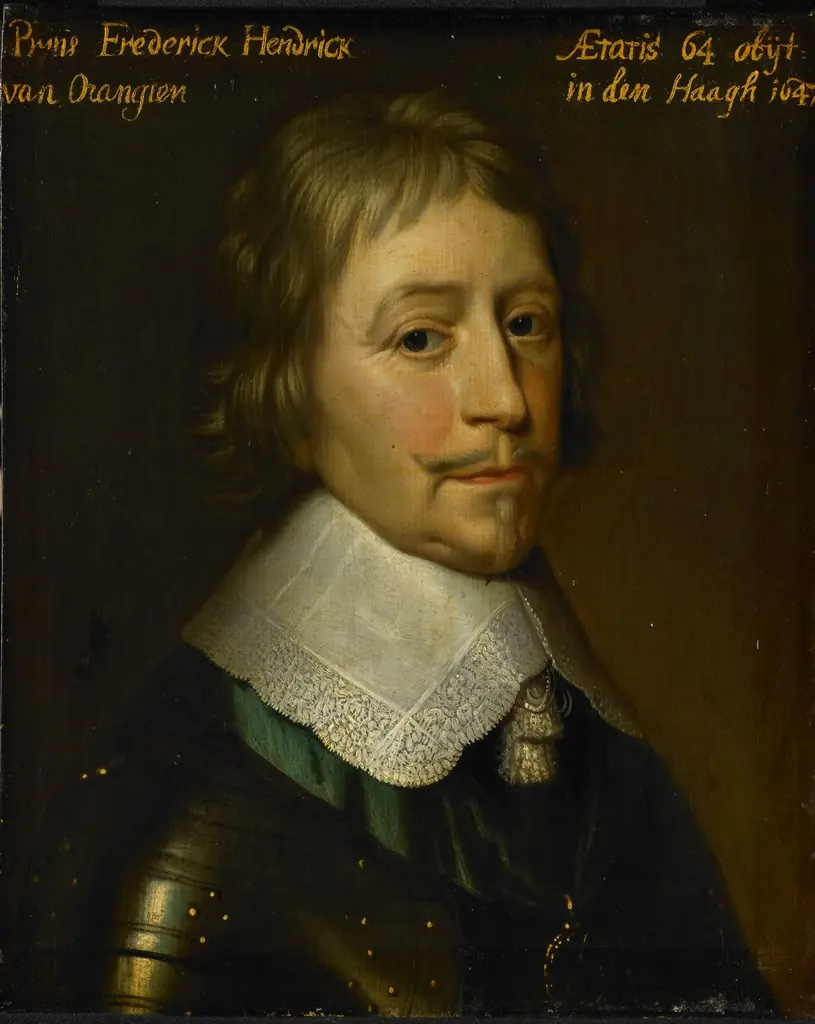 Portrait of Frederik Hendrik (1584-1647), Prince of Orange
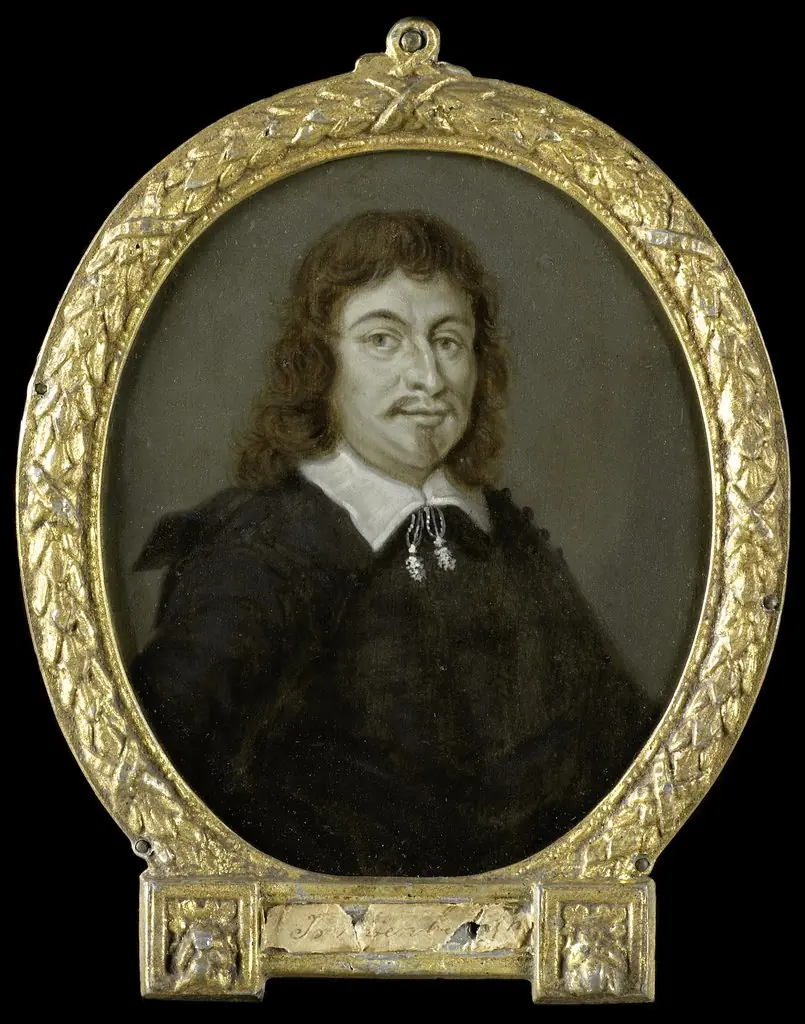 Portrait of Johan van Nijenborgh, Poet in Groningen
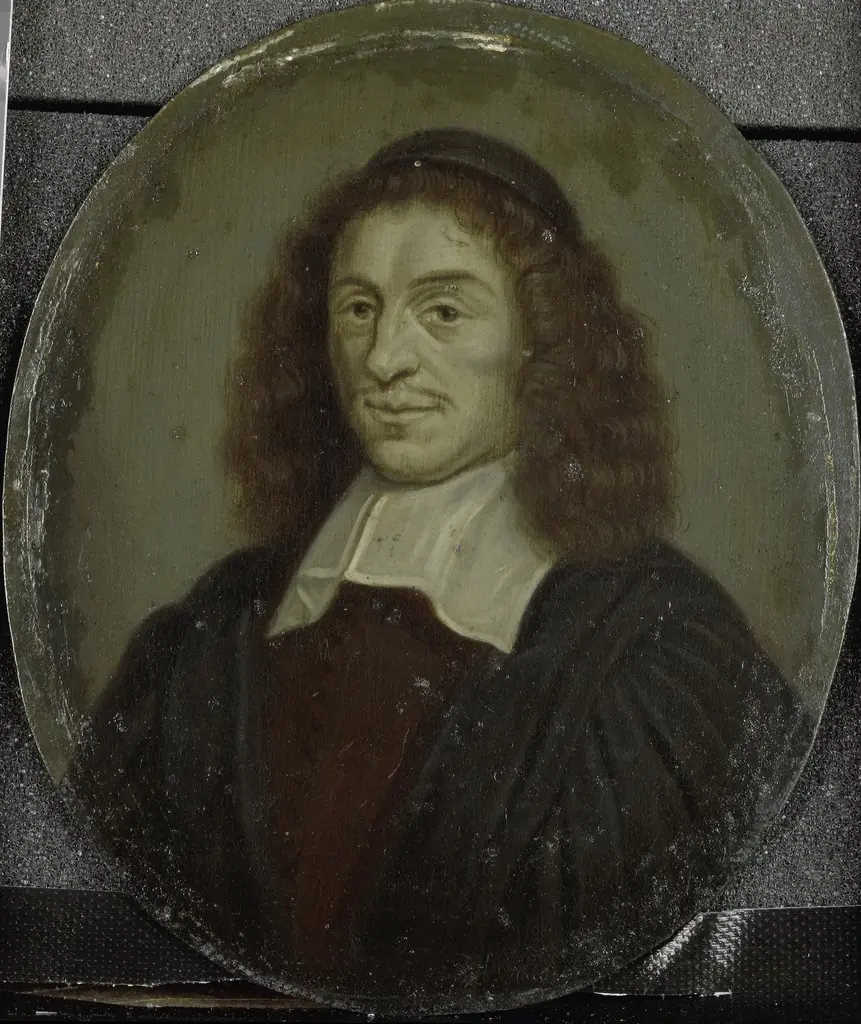 Portrait of Alexander Morus, Professor at Amsterdam
 Portrait of Cornelis Jansz Hartigsvelt, Director of the Rotterdam Chamber of the Dutch East India Company, elected 1639