Artwork
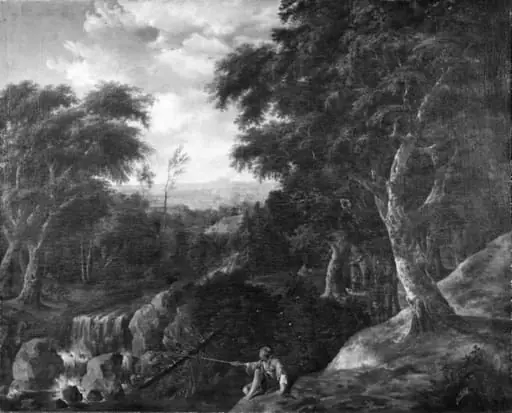
Landscape with Sleeping Woman
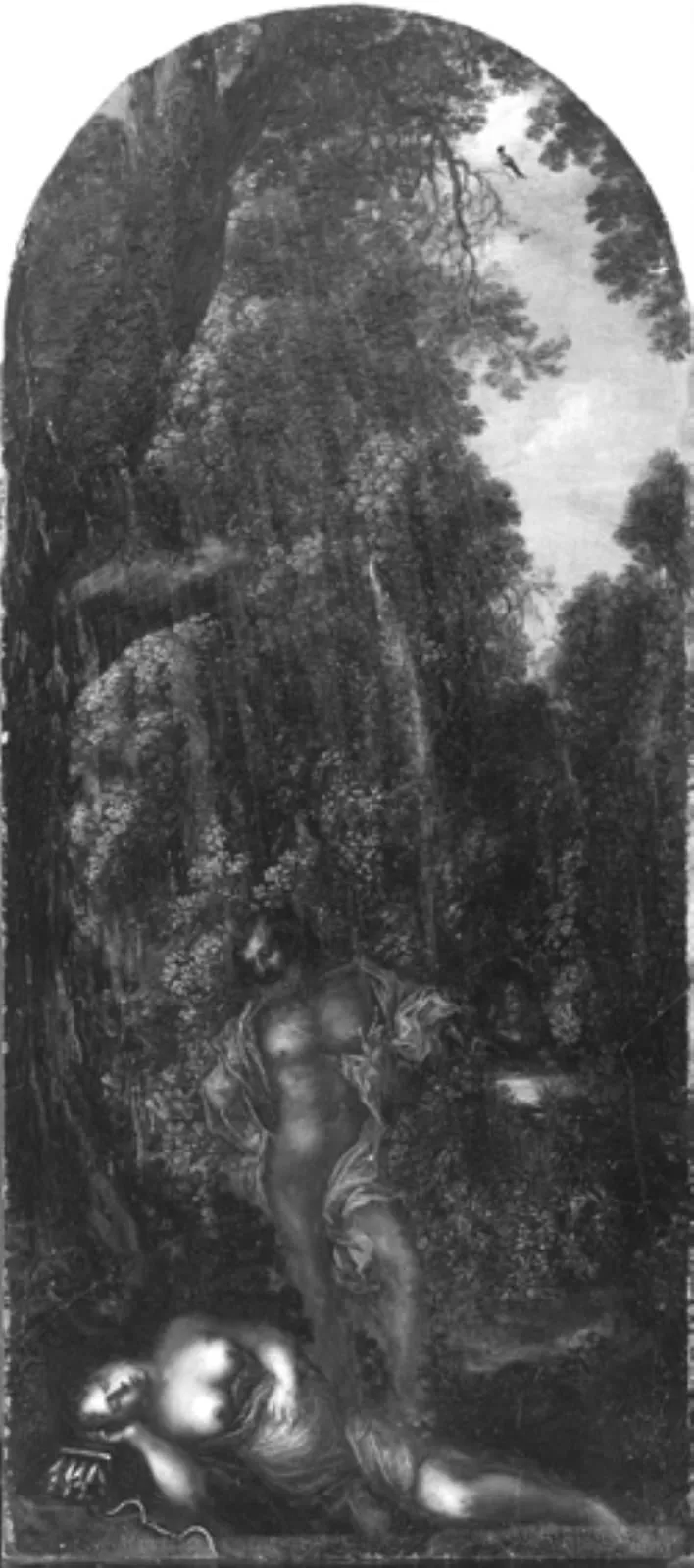
Landscape with Sleeping Woman is an unspecified painting by Unknown. It dates from 1750 and is held in the collection of the Statens Museum for Kunst.
About this work
Overview
The work is part of the collection at the Museum of Ethnography, where it is preserved as an example of 18th-century figurative landscape painting.
Created around 1750, Landscape with Sleeping Woman is a landscape painting attributed to 965_person. It depicts a tranquil natural setting with a reclining female figure at its center. The work is part of the collection at the Museum of Ethnography, where it is preserved as an example of 18th-century figurative landscape painting. Its quiet composition and attention to atmospheric detail distinguish it within the artist’s known oeuvre.
Subject & Meaning
The painting centers on a woman asleep on the ground, her body relaxed amid dense foliage. Her loose hair and flowing gown suggest a moment of vulnerability or repose, unguarded by human structures. The scene evokes a contemplative harmony between the human form and the natural world, without overt narrative or symbolic reference. The stillness of the figure invites quiet observation rather than interpretation.
Technique & Style
The artist employs a realistic approach with careful rendering of textures in leaves, fabric, and skin. Light filters through the canopy in soft gradients, casting subtle shadows that define form and space. Chiaroscuro is used sparingly but effectively to highlight the woman’s face and upper body, anchoring her within the landscape. The brushwork remains unobtrusive, favoring naturalism over dramatic expression.
History & Provenance
The painting’s early history is undocumented, but it entered the Museum of Ethnography’s collection in the late 19th or early 20th century. Its attribution to 965_person is based on stylistic comparison with other works from the same period. There is no record of prior ownership or exhibition prior to its acquisition by the museum, suggesting it may have remained in private hands for much of its existence.
Context
Created during a period when landscape painting increasingly incorporated human figures as elements of mood rather than narrative, this work aligns with broader European trends favoring serene, introspective scenes. Unlike mythological or pastoral allegories common in earlier decades, this painting avoids symbolic content, reflecting a growing interest in quiet, observed reality over idealized storytelling.
Legacy
Though not widely reproduced or studied, the painting contributes to understanding how 18th-century artists integrated the human figure into natural settings without narrative distraction. Its preservation in an ethnographic museum, rather than a fine arts institution, reflects shifting curatorial priorities in the 20th century, where such works were valued for their cultural and aesthetic documentation over artistic fame.
Artist & collection

 Domestic Scene
 Giacomo and Cardinal Marco, investing Andrea, Abbot of San Zeno, with his Benefice
 The Nymph of Fontainebleau
 Portrait of a Woman
 Madonna and Child with Saints in the Enclosed Garden
 Venus and Minerva
 Family Group of Four on Sofa
 Wall painting from Room H of the Villa of P. Fannius Synistor at Boscoreale
 Hl. Magdalena
 Waldlandschaft mit Personenstaffage und Architektur
 Wanderfahrt nach dem Süden
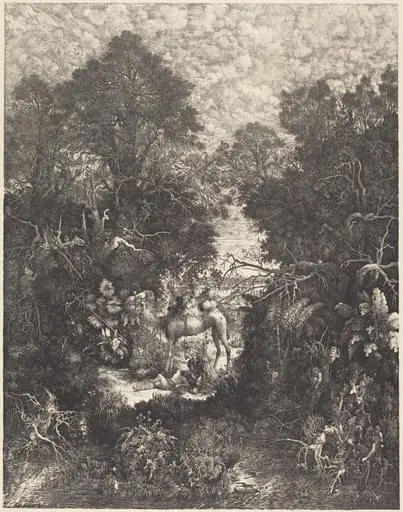 The Good Samaritan (Le Bon Samaritain)
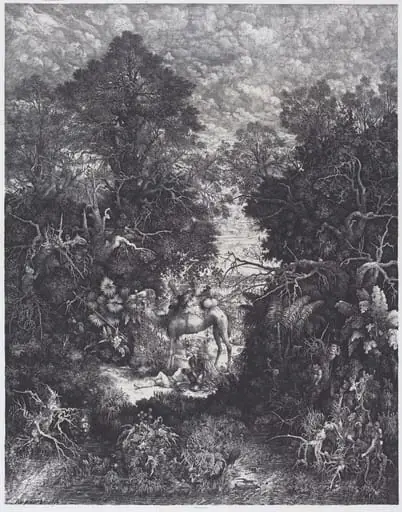 The Good Samaritan
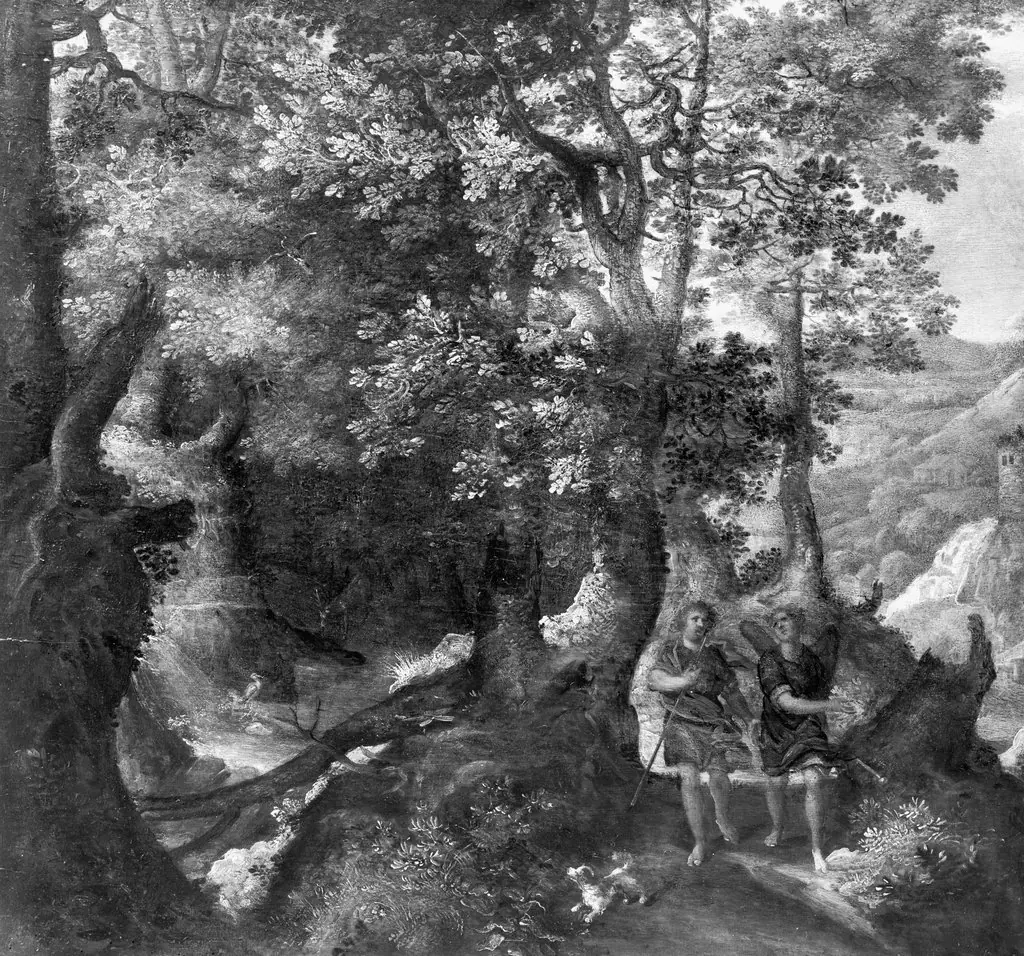 Wooded landscape with Tobias and the angel
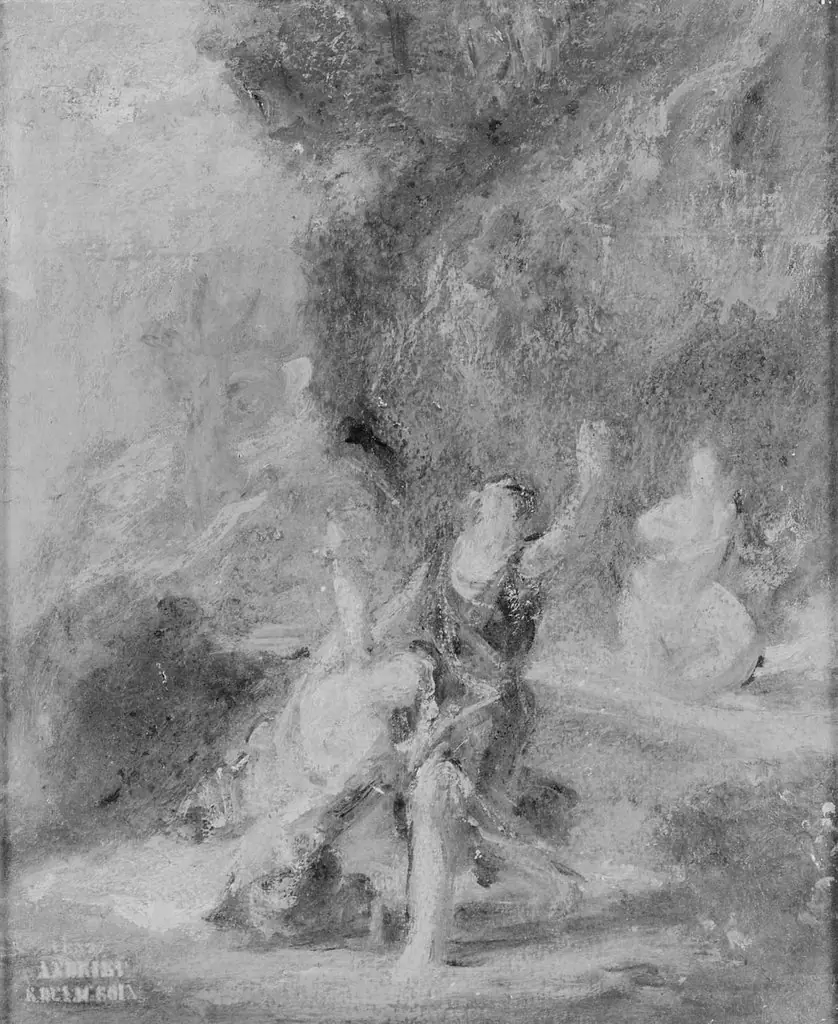 Spring: Orpheus Coming to the Aid of Eurydice
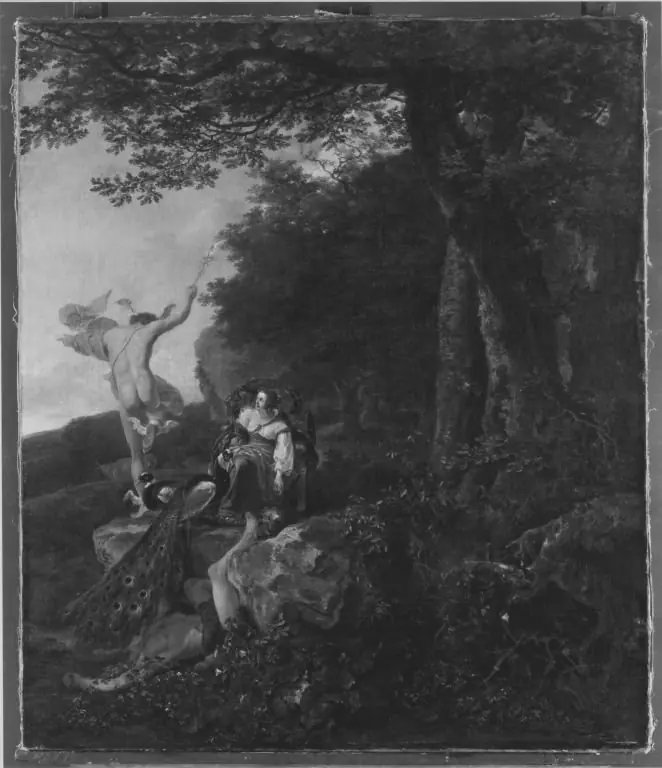 Landschaft mit Merkur, Juno und dem toten Argus
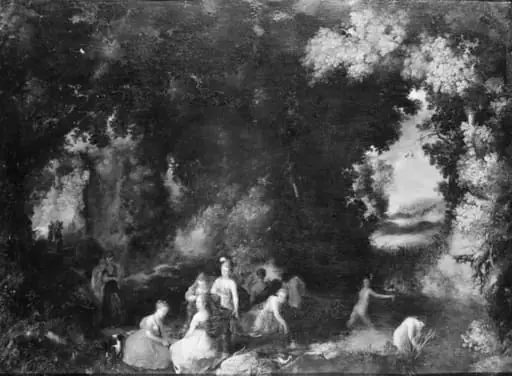 Diana, omgivet af sine nymfer
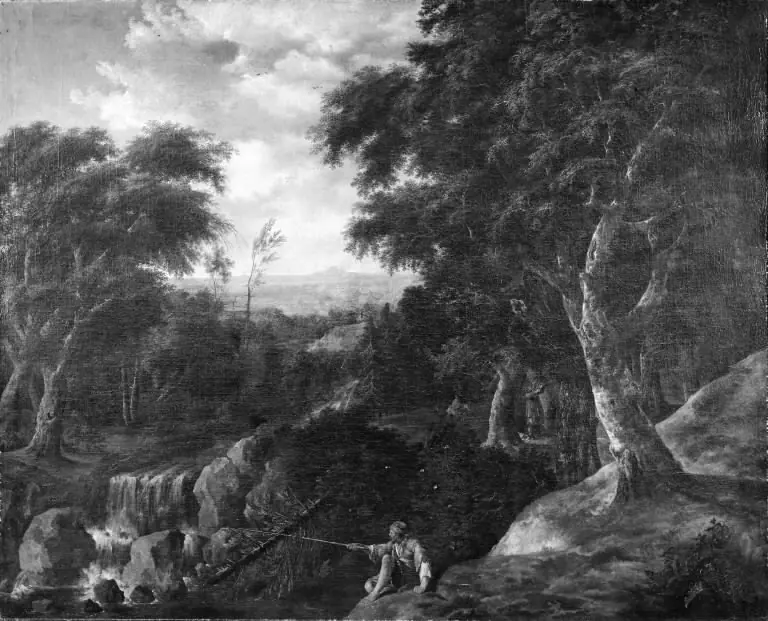 The Angler at the Forest Brook
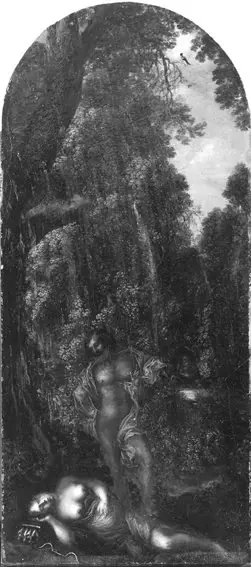 Landscape with Sleeping Woman
 The Angler at the Forest Brook