Artwork
Portrait of Antoine Mangin
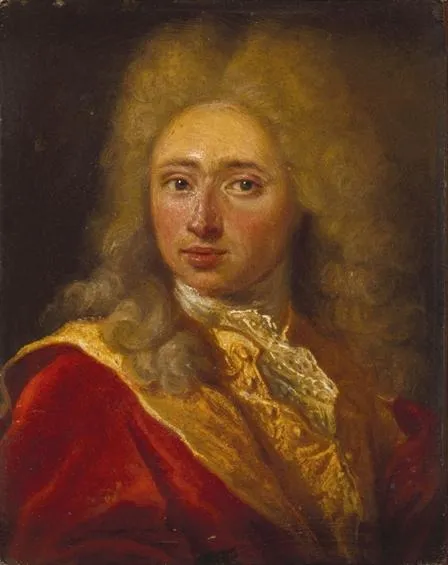
Portrait of Antoine Mangin is an oil painting by the Rococo painting artist Pierre-Antoine Quillard. It dates from 1720 and is held in the collection of the National Museum of Ancient Art.
About this work
Overview
Quillard, a French artist active in both France and Portugal, employed ivory’s smooth surface to achieve subtle tonal gradations and intricate textures.
Created in 1720, this small ivory portrait by Pierre-Antoine Quillard captures Antoine Mangin d'Oins in a refined, intimate format. Executed in a medium typically reserved for miniatures and personal keepsakes, the work reflects the Rococo era’s preference for delicate, finely detailed portraiture. Quillard, a French artist active in both France and Portugal, employed ivory’s smooth surface to achieve subtle tonal gradations and intricate textures.
Subject & Meaning
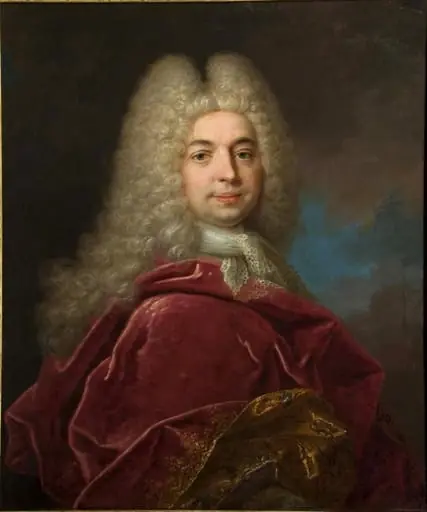
The sitter, Antoine Mangin d'Oins, is portrayed with composed dignity, gazing directly at the viewer. His elaborate attire—red velvet with gold lining and a lace cravat—signals status and fashion-consciousness, typical of aristocratic or upper-bourgeois identity in early 18th-century France. The serious expression and formal pose suggest a desire to convey personal gravitas rather than casual familiarity, aligning with conventions of elite portraiture.
Technique & Style
Quillard exploited ivory’s natural luminosity to render the sitter’s skin with a soft, lifelike glow. Fine brushwork captures the curl of blonde hair, the sheen of silk, and the crispness of lace, demonstrating meticulous attention to material detail. The dark, unmodeled background isolates the figure, enhancing focus on texture and form. This approach reflects Rococo’s emphasis on elegance and tactile richness over narrative or symbolic depth.
History & Provenance
The portrait entered the collection of the National Museum of Ancient Art in Lisbon, where it remains today. Its presence there likely stems from Quillard’s later career in Portugal, where he worked under royal patronage. The work’s survival in good condition suggests it was carefully preserved, possibly within a private collection before institutional acquisition, though specific provenance prior to the 20th century remains undocumented.
Context
In the early 1700s, ivory miniatures were popular among European elites as portable, luxurious tokens of identity. Quillard’s work aligns with a tradition of intimate portraiture that flourished alongside larger oil paintings, often commissioned for personal or familial use. The choice of medium and style reflects both aesthetic trends and the social function of portraiture as a marker of refinement and connection to courtly culture.
Legacy
While Quillard is less widely known than his contemporaries, this portrait exemplifies the skill required in miniature ivory painting—a technique demanding precision and patience. The work contributes to understanding how portraiture functioned in smaller, private spheres during the Rococo period. Its preservation in a major museum underscores its value as a representative artifact of early 18th-century artistic practice in Iberia and France.
Artist & collection
Artist
Pierre-Antoine Quillard, (; c. 1700 – 25 November 1733) was a French portrait painter and engraver who worked in Portugal.

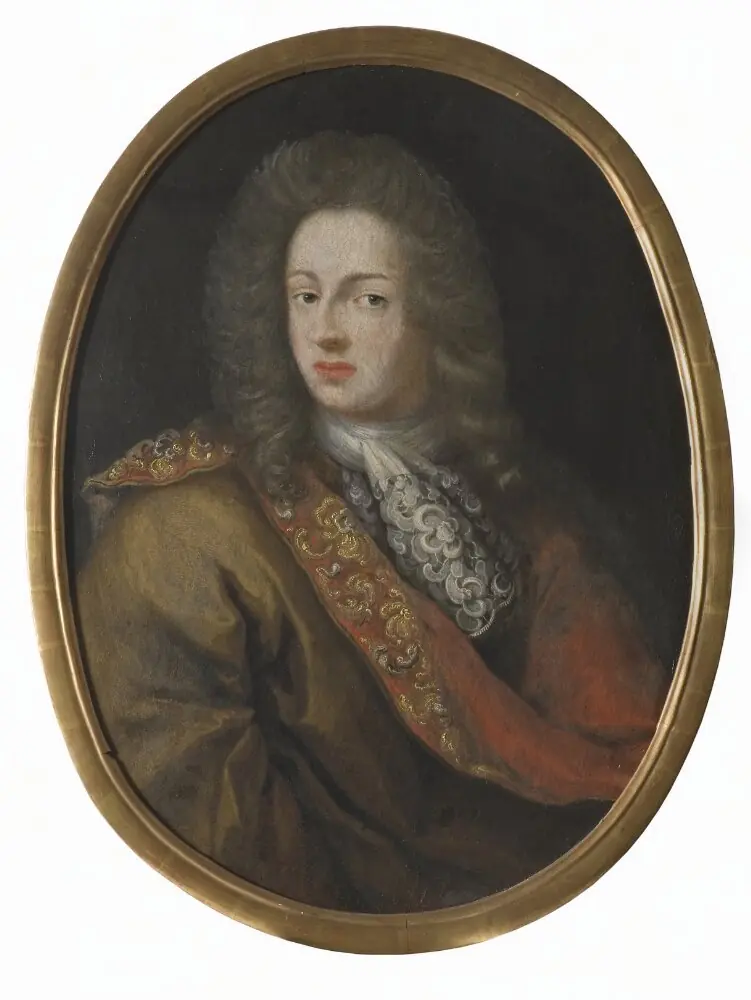 Philip Christopher von Königsmarck (1665-1694), greve, generalmajor i kursachisk tjänst
 Michel Corneille l'Aîné (1642-1708)
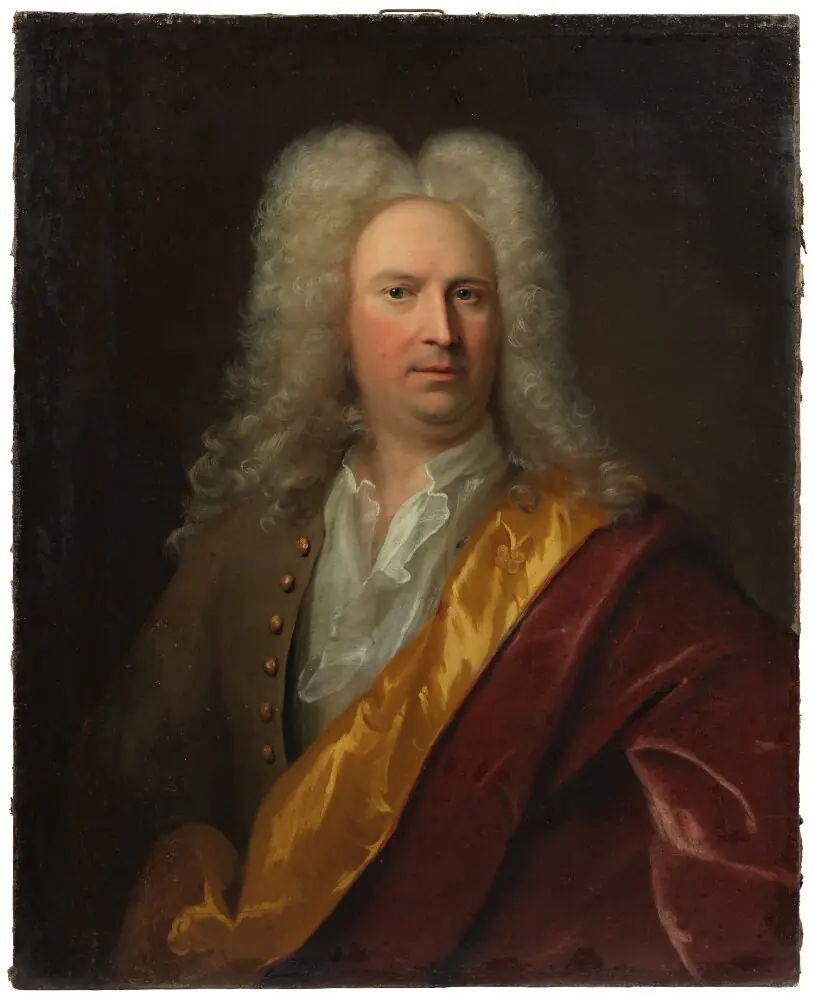 Abraham Grill the Older
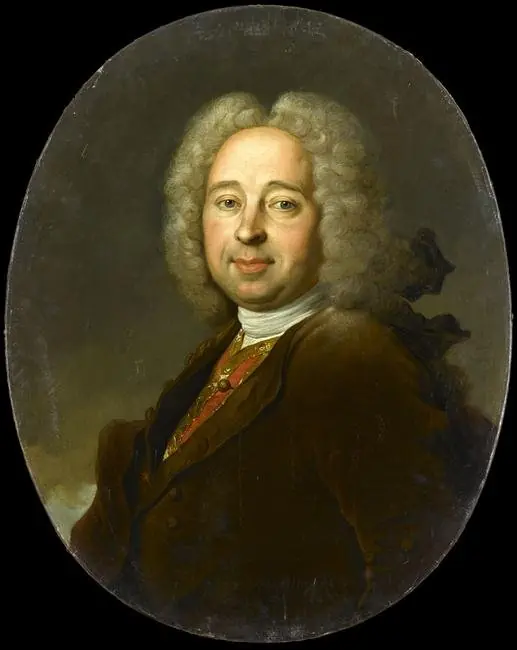 Jean-Baptiste Oudry (1686-1755)
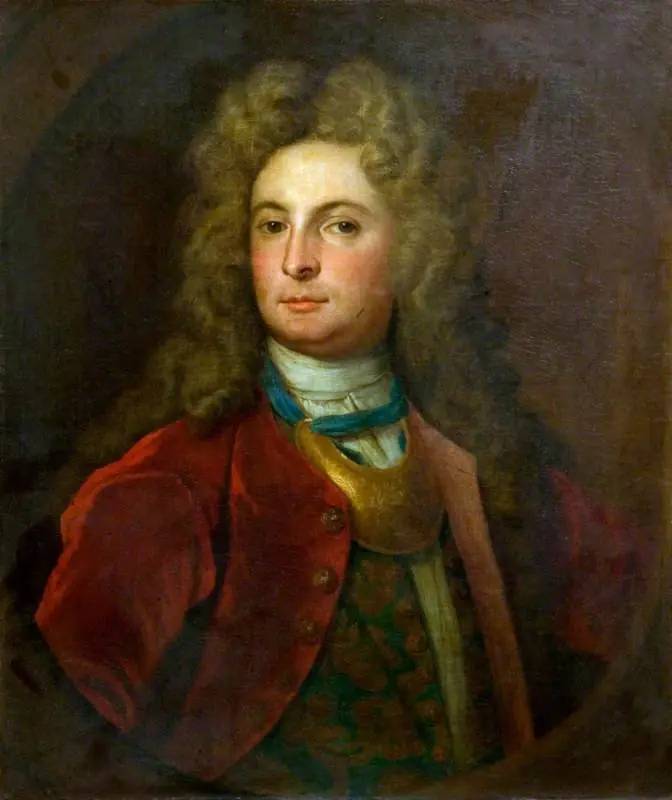 Captain Thomas Church
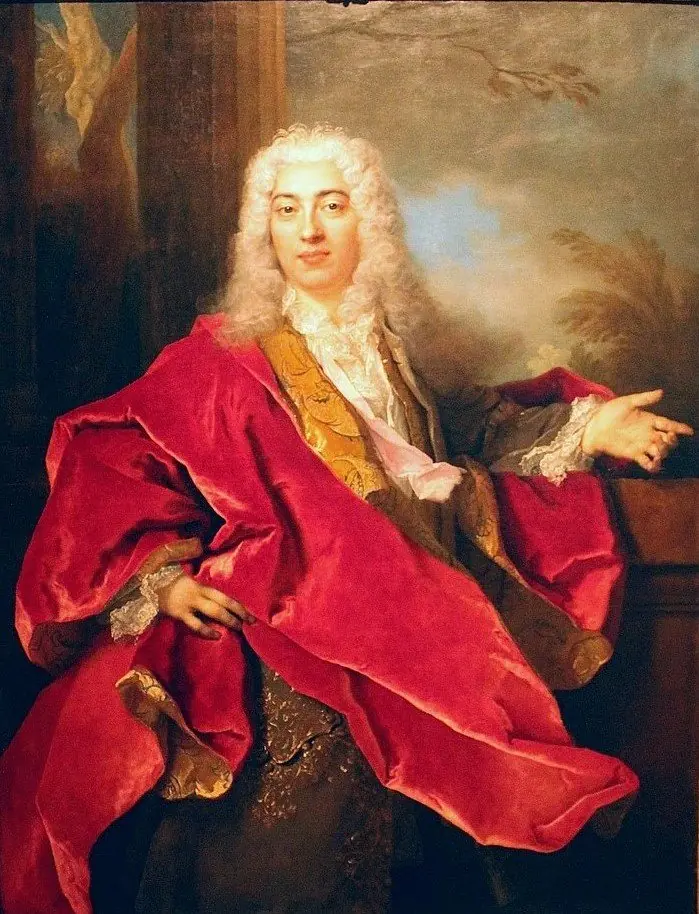 Portrait of Monsieur de Noirmont
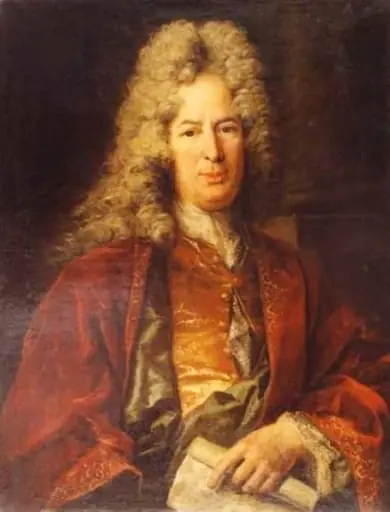 Johann Traugott von Seilen din Brașov
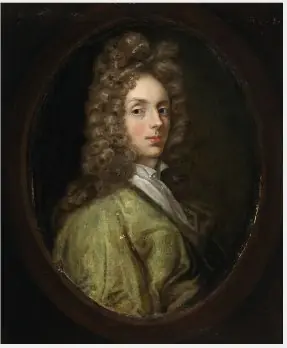 Portrait of a Young Man
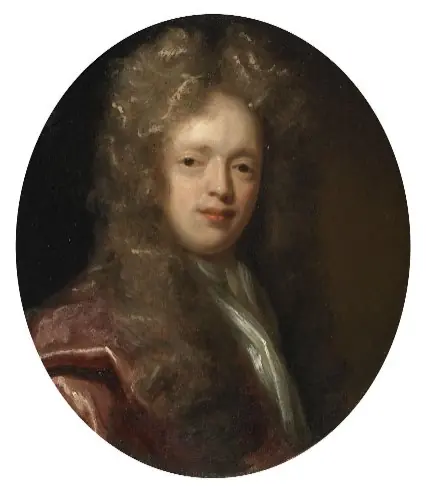 Portrait of Joseph Addison (1672-1711), Author
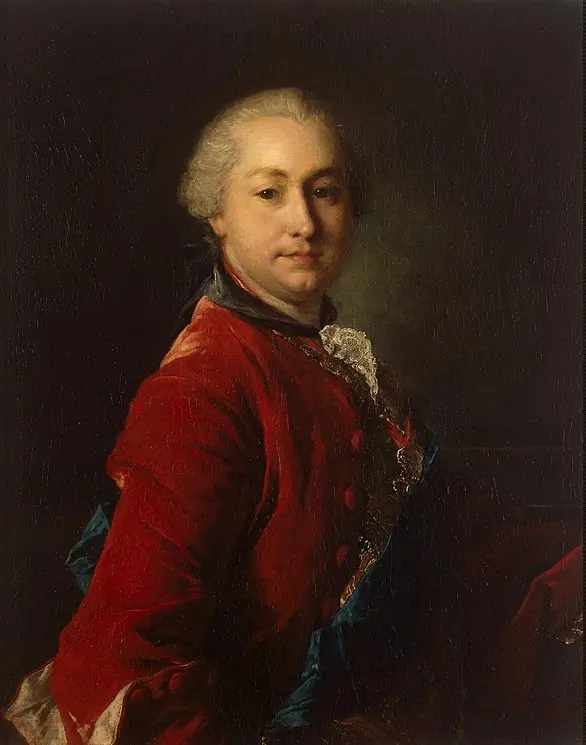 Portrait of Ivan Shuvalov
 Portret de bărbat
 Portrait of Pierre Vincent Bertin