Artwork
# 2 From " Livre second Cesais de Graubre " Second book of Engraved Design
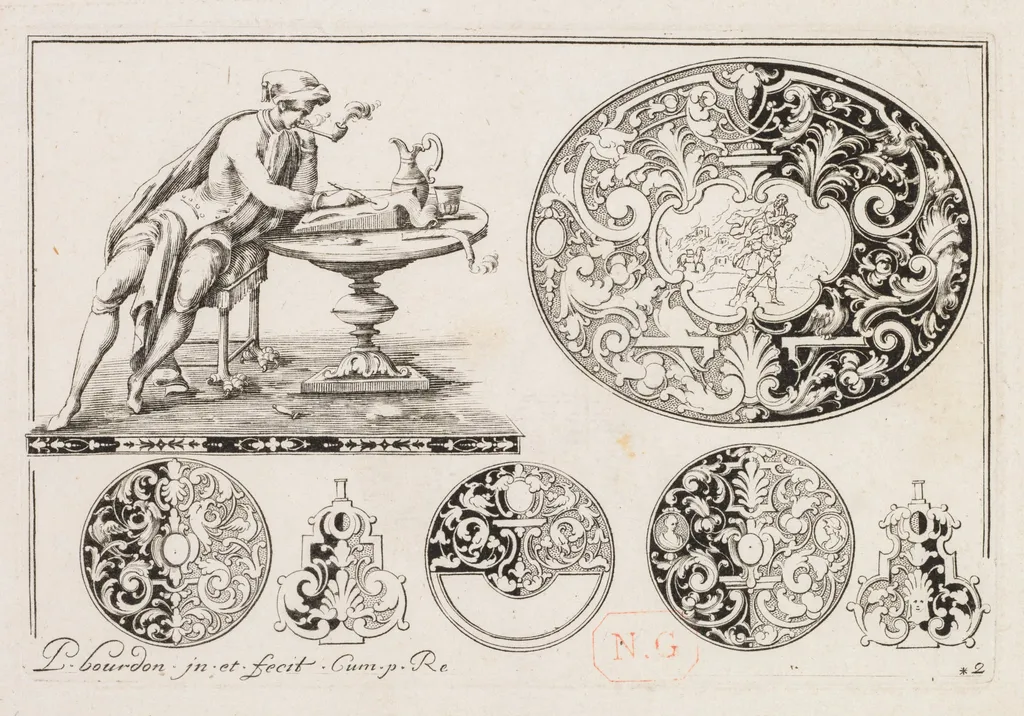
# 2 From " Livre second Cesais de Graubre " Second book of Engraved Design is a print by the Baroque artist Pierre Bourdon. It dates from 1703 and is held in the collection of the Cleveland Museum of Art.
About this work
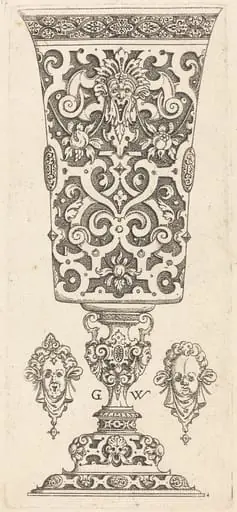
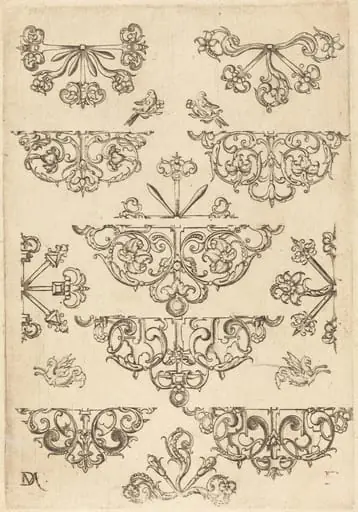
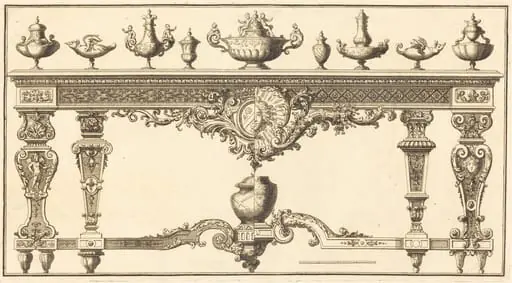
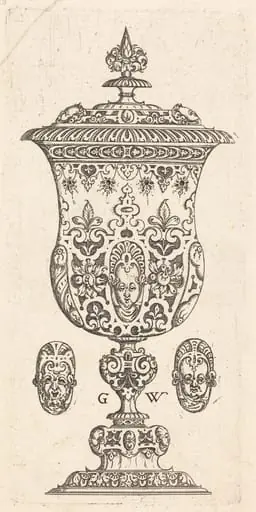
Pierre Bourdon’s 1703 engraving shows a decorated urn with swirling leaves and scrolls, like a blueprint for jewelry or furniture.
Pierre Bourdon’s 1703 engraving shows a decorated urn with swirling leaves and scrolls, like a blueprint for jewelry or furniture. These prints helped craftsmen copy fancy styles without hiring an artist. They also let rich folks flip through trendy designs at home.
Notice the tiny tools at the bottom—the compass, hammer, and chisel. This hints the prints were for metalworkers and carvers, not just pretty pictures.
Next time you’re in Cleveland, check the Cleveland Museum of Art’s print collection.
Overview
Pierre Bourdon's 1703 engraving, #2 from 'Livre second Cesais de Graubre', is a decorative design print featuring a intricately detailed urn with swirling leaves and scrolls.
Subject & Meaning
The print serves a dual purpose: as a practical resource for craftsmen (such as clockmakers, goldsmiths, and engravers) to replicate ornate styles, and as a luxury item for aristocrats and wealthy professionals to appreciate current design trends.
Technique & Style
The engraving showcases Bourdon's meticulous technique, with fine details evident in the urn's design. The style reflects the prevailing ornate aesthetic of the time, suitable for translation into various decorative arts.
History & Provenance
Created in 1703, the print is part of a larger set indicating its intended utility and appeal. It is now held in the print collection of the Cleveland Museum of Art.
Context
The inclusion of tiny tools (compass, hammer, chisel) at the bottom highlights its practical application, particularly for metalworkers and carvers, distinguishing it from purely decorative pieces.
Artist & collection

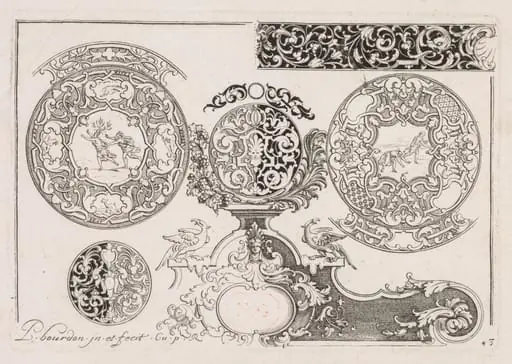 # 3 from " Livre second essais de Gravjre "
Second book of Engraved Designs
# 3 from " Livre second essais de Gravjre "
Second book of Engraved Designs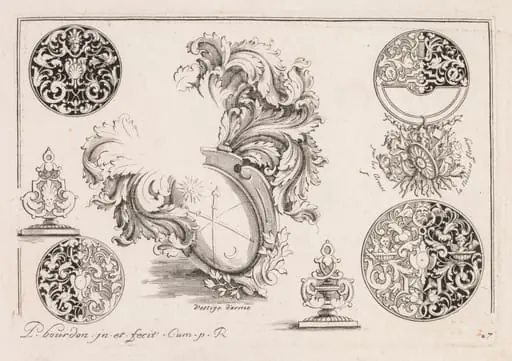 # 7from " Livre second essais de gravjre " Second book of Engraved Designs
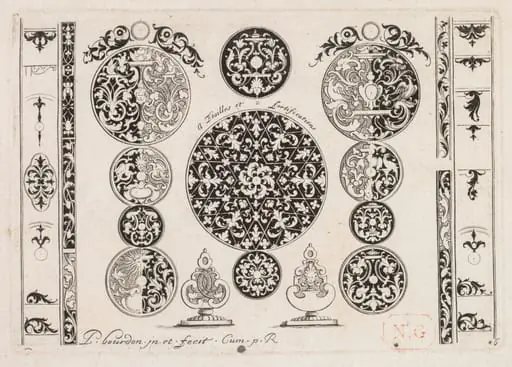 # 6 from " Livre second essais de gravjre " second book of Engraved Designs
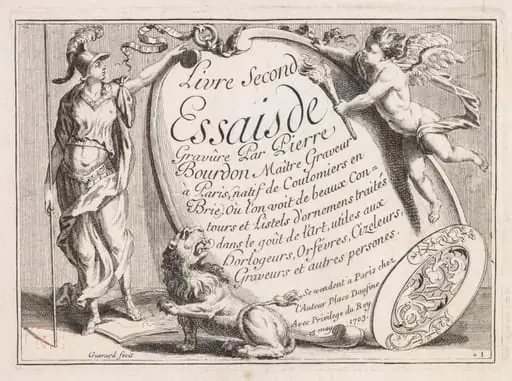 Goldsmith Design
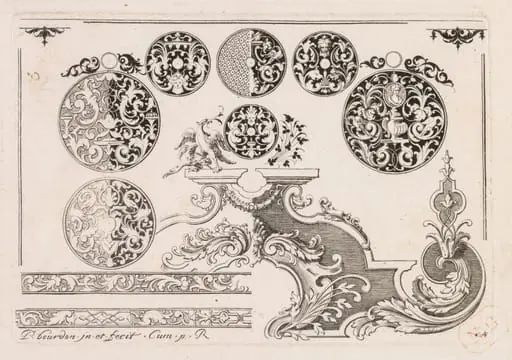 # 5 from " Livre second essais de gravjre " second book of Engraved Designs
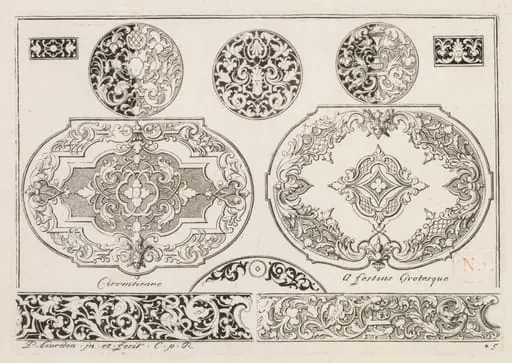 # 4 From " Livre sencond essais de gravjre " second book of Engraved designs