Artwork
Goldsmith Design
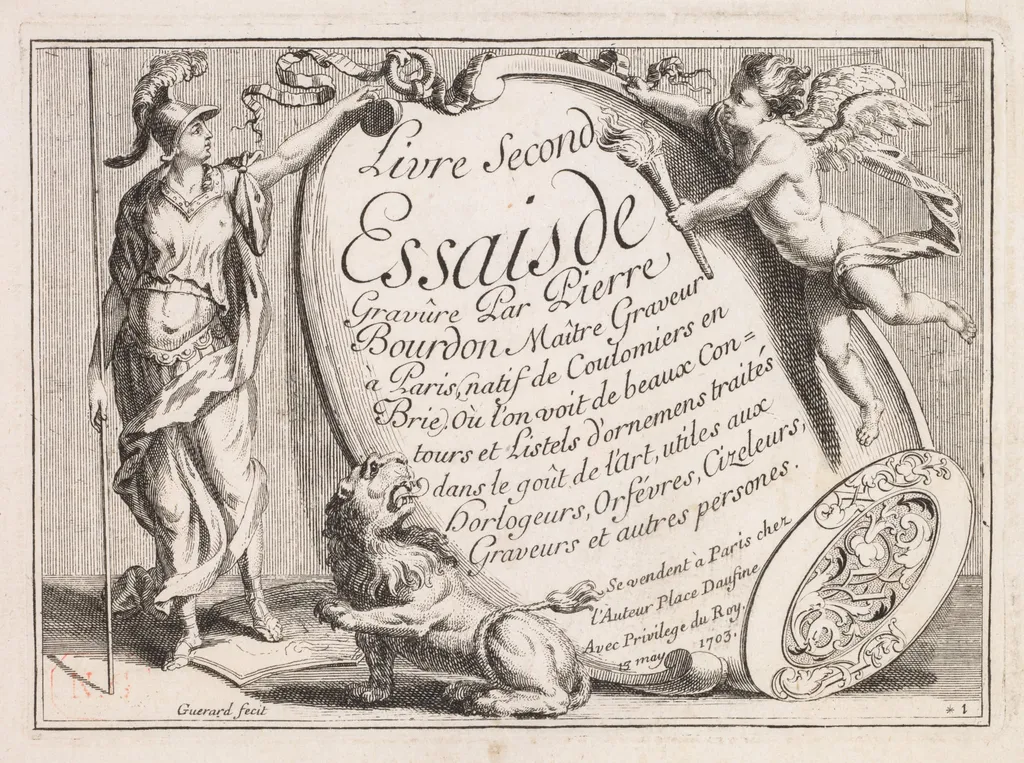
Goldsmith Design is a print by the Baroque artist Pierre Bourdon. It dates from 1703 and is held in the collection of the Cleveland Museum of Art. This print is a design template from a series intended for artisans involved in decorative metalwork.
About this work
Overview
This print is a design template from a series intended for artisans involved in decorative metalwork. It features intricate ornamental patterns suitable for application on objects like gold boxes and pistols. While practical for craftsmen, the publication also appealed to a broader audience interested in contemporary aesthetics and artistic trends.
Subject & Meaning
The designs depict elaborate, lace-like motifs commonly used in fine metalwork, suggesting a fusion of textile and metallurgical traditions. These patterns were not merely functional but signaled refinement and taste, reflecting the period’s fascination with ornamental precision and the visual language of luxury.
Technique & Style
Executed as a printed engraving, the work employs fine lines and repeating motifs to convey texture and detail. The composition is systematic, arranging designs in orderly rows to facilitate copying. The style is formal yet fluid, balancing symmetry with organic flourishes typical of early modern decorative arts.
History & Provenance
Created by Sébastien Bourdon, the print was part of a published collection circulated in the mid-17th century. It was distributed among workshops and private collectors, with surviving examples found in institutions such as the Cleveland Museum of Art, indicating its wide circulation and enduring archival value.
Context
During this period, printed pattern books bridged artisanal practice and elite culture. While craftsmen relied on them for technical guidance, affluent patrons collected them as cultural artifacts, mirroring the growing intersection of craft, commerce, and connoisseurship in early modern Europe.
Legacy
Bourdon’s designs contributed to the standardization of decorative motifs across European workshops. Their preservation in museum collections underscores their role in documenting the transmission of visual language between makers and consumers, influencing later ornamentation in applied arts.
Artist & collection

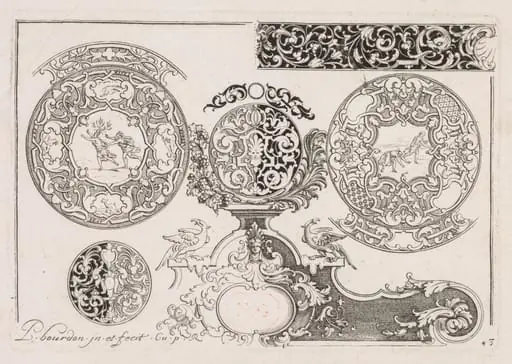 # 3 from " Livre second essais de Gravjre "
Second book of Engraved Designs
# 3 from " Livre second essais de Gravjre "
Second book of Engraved Designs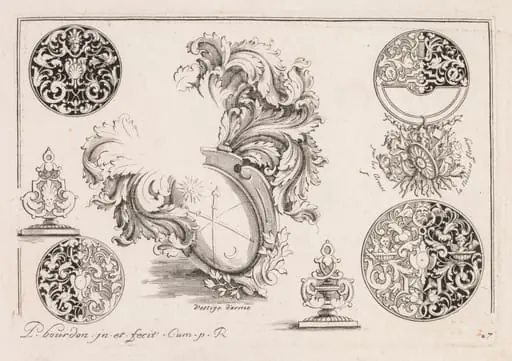 # 7from " Livre second essais de gravjre " Second book of Engraved Designs
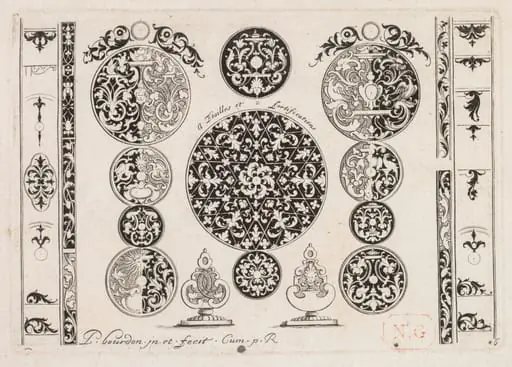 # 6 from " Livre second essais de gravjre " second book of Engraved Designs
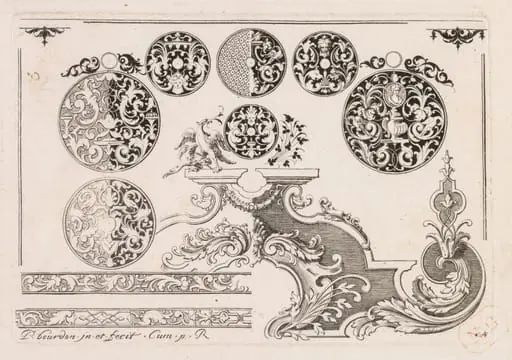 # 5 from " Livre second essais de gravjre " second book of Engraved Designs
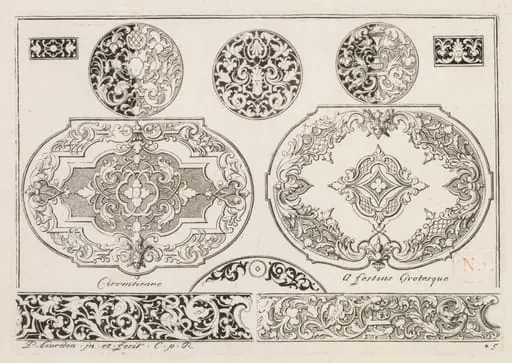 # 4 From " Livre sencond essais de gravjre " second book of Engraved designs
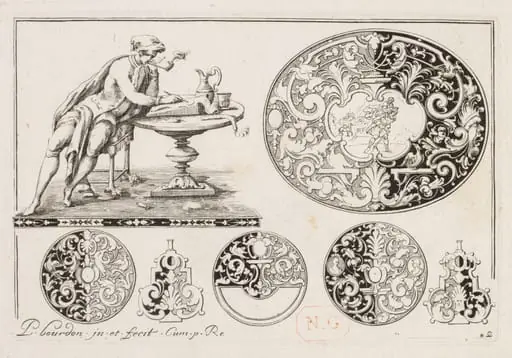 # 2 From " Livre second Cesais de Graubre "
Second book of Engraved Design
# 2 From " Livre second Cesais de Graubre "
Second book of Engraved Design
 La belle jardinière
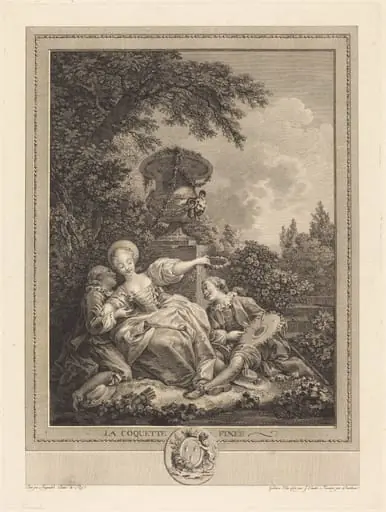 La coquette fixee
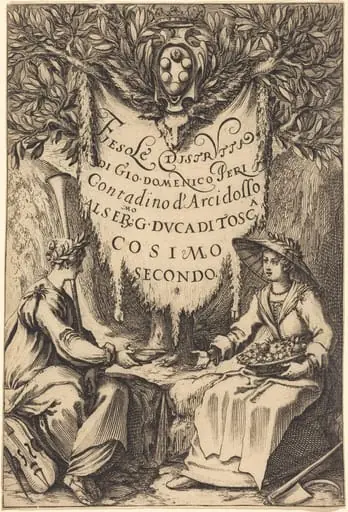 La belle jardinière
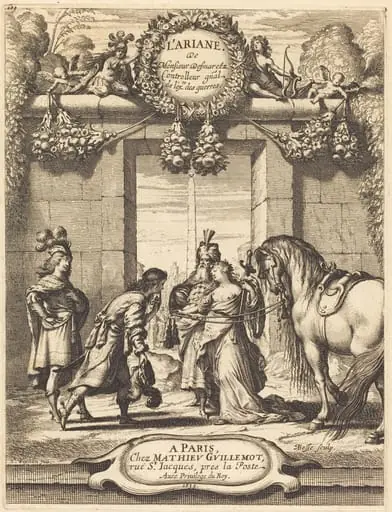 Title Page to Jean Desmarets' "L'Ariane"
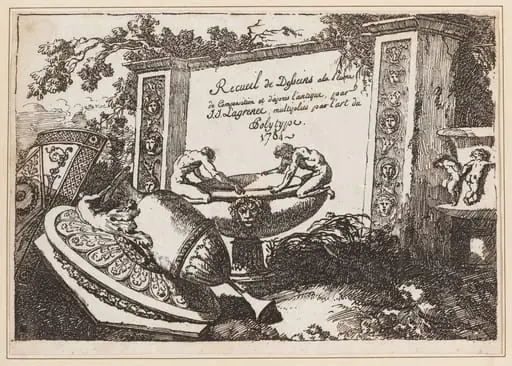 Title Page
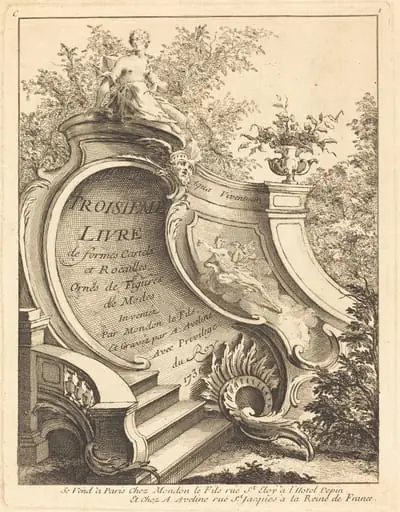 Troisieme livre de formes Cartels et Rocailles (Title Page)
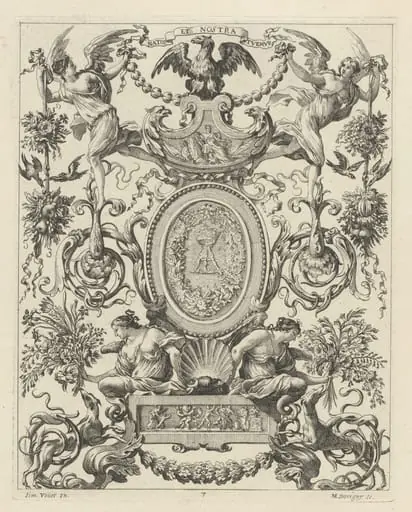 Ornamental Panel Surmounted by an Eagle and the Motto NATOS ET NOSTRA TUEMUR
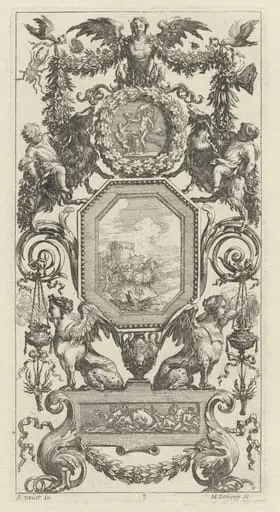 Ornamental Panel Surmounted by a Winged Harpy
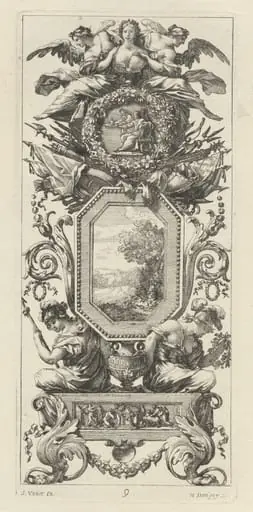 Ornamental Panel Surmounted with Two Figures Leaning on the Bust of a Woman
 Frontispiece for "The Combat at the Barrier"