Artwork
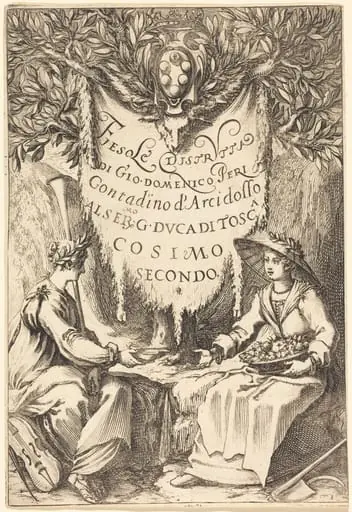
La belle jardinière
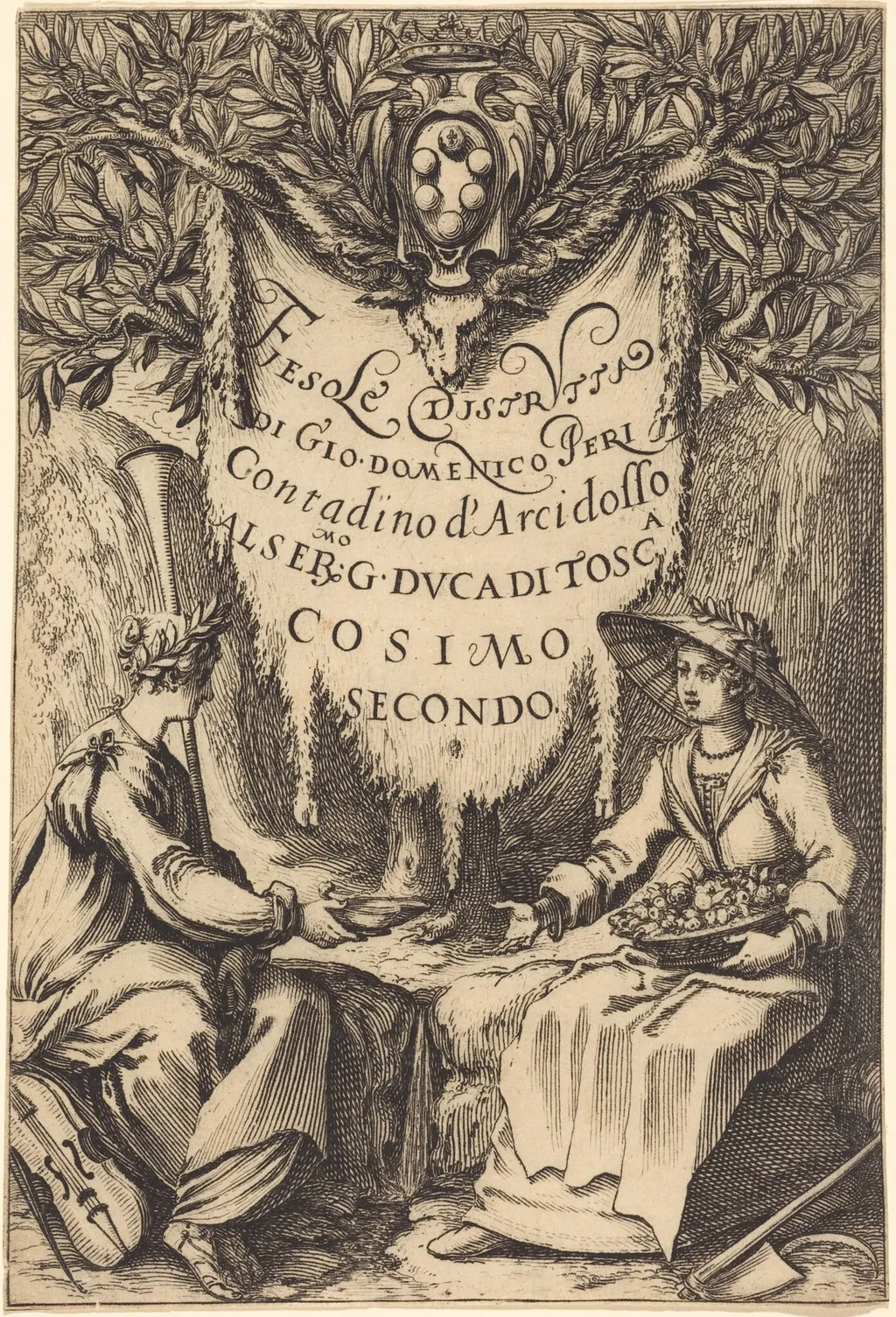
La belle jardinière is an ink print by the Baroque artist Jacques Callot. It dates from 1619 and is held in the collection of the National Gallery of Art.
About this work
Overview
This work belongs to a body of imagery that captures quiet moments of daily existence, blending observation with idealization.
Jacques Callot’s 1619 etching *La belle jardinière* is one of over 1,400 prints produced by the Lorrainer artist, who refined etching as a medium for nuanced narrative. This work belongs to a body of imagery that captures quiet moments of daily existence, blending observation with idealization. Unlike his more dramatic scenes of war or spectacle, this piece offers a contemplative stillness, rendered with meticulous line work and subtle tonal gradations characteristic of his mature style.
Subject & Meaning
The figure is a woman in a flowing garment, standing amid dense foliage, holding a sheaf of wheat and resting her hand on a basket brimming with fruit and blossoms. Her downcast gaze and composed posture suggest introspection rather than action. The elements—wheat, fruit, flowers—hint at abundance and seasonal cycles, possibly evoking themes of fertility, harvest, or pastoral virtue. The setting, neither explicitly sacred nor secular, invites a reading of quiet harmony between human presence and nature.
Technique & Style
Callot employed fine, controlled etching lines to build texture in the leaves, fabric, and earth, using varying line density to model form and depth. The paper’s laid texture subtly enhances the organic feel of the scene. His use of cross-hatching and delicate stippling creates soft shadows without heavy ink, preserving the luminosity of the paper. The composition is tightly framed by foliage, drawing focus to the figure while maintaining a sense of immersive natural space.
History & Provenance
Created in 1619 during Callot’s time in Florence, the print reflects his exposure to Italian artistic traditions and courtly aesthetics. It was likely produced for a private, collector-oriented market rather than public dissemination. While no definitive early ownership records survive, the work appears in several major European print collections by the 18th century, indicating its early recognition among connoisseurs of fine printmaking.
Context
In early 17th-century Europe, etchings like this served as both artistic expression and cultural documentation. Callot’s focus on serene, non-narrative figures contrasted with the era’s emphasis on religious drama or political allegory. His depictions of solitary figures in nature aligned with emerging humanist ideals and the growing appreciation for landscape as a subject worthy of artistic attention, independent of mythological or biblical frameworks.
Legacy
Callot’s technical precision and attention to natural detail influenced generations of printmakers across Europe. *La belle jardinière* exemplifies his ability to elevate everyday scenes through refined craftsmanship, contributing to the legitimization of printmaking as a serious artistic medium. Though less overtly dramatic than his war scenes, this work remains a quiet benchmark in the evolution of the etched landscape and the portrayal of contemplative female figures in early modern art.
Artist & collection
Artist
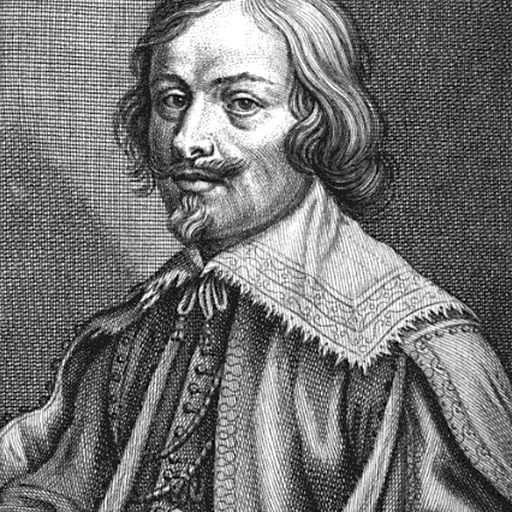
Jacques Callot was a baroque printmaker and draftsman from the Duchy of Lorraine.

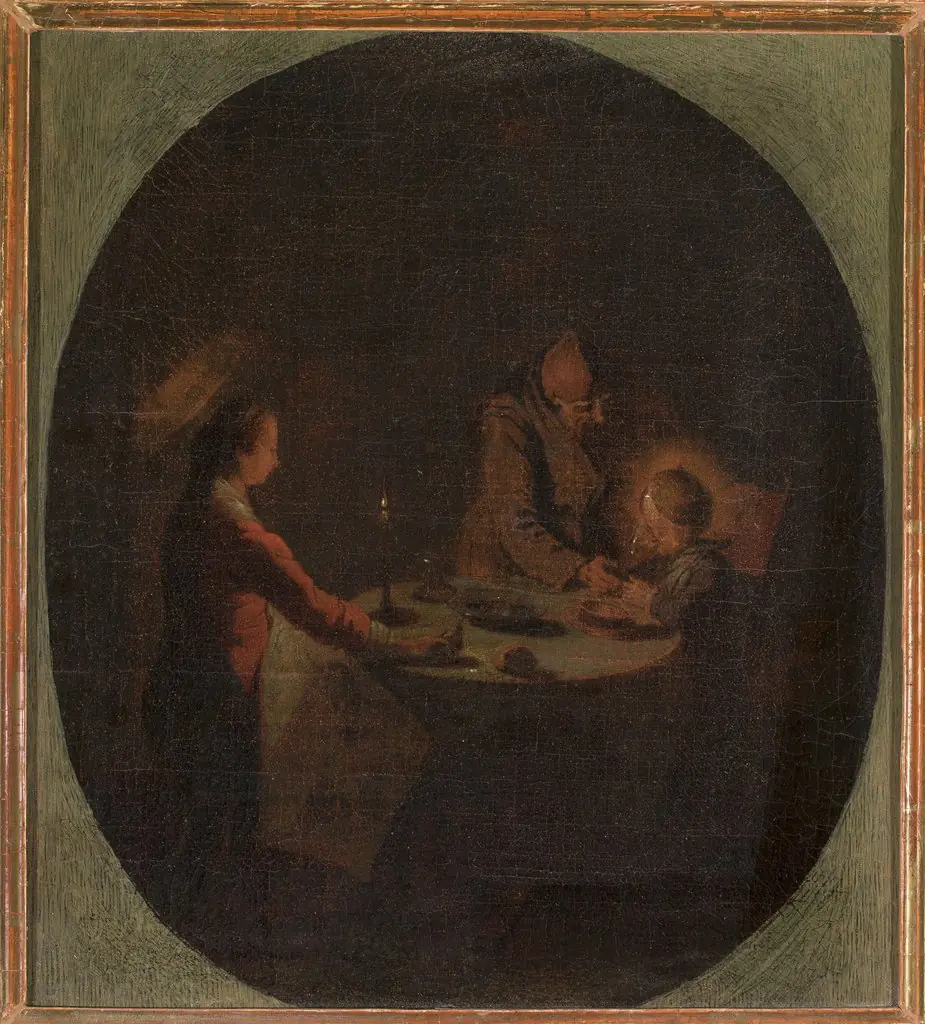 Holy Family at supper
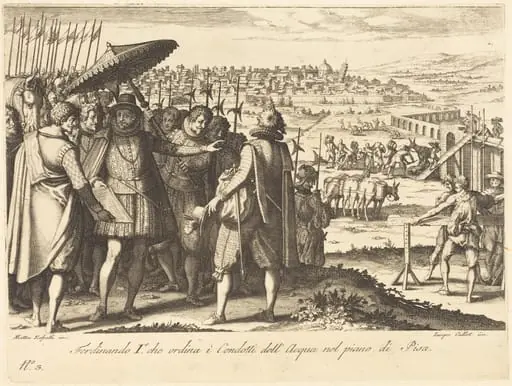 Restoration of the Aqueduct at Pisa
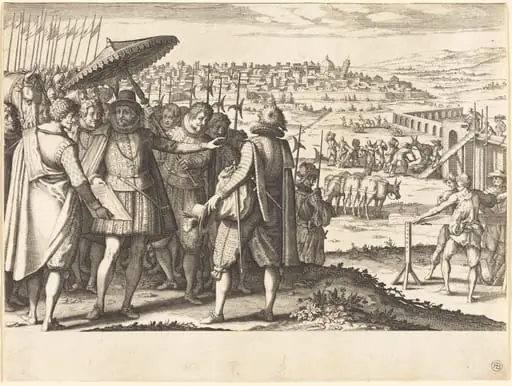 Restoration of the Aqueduct at Pisa
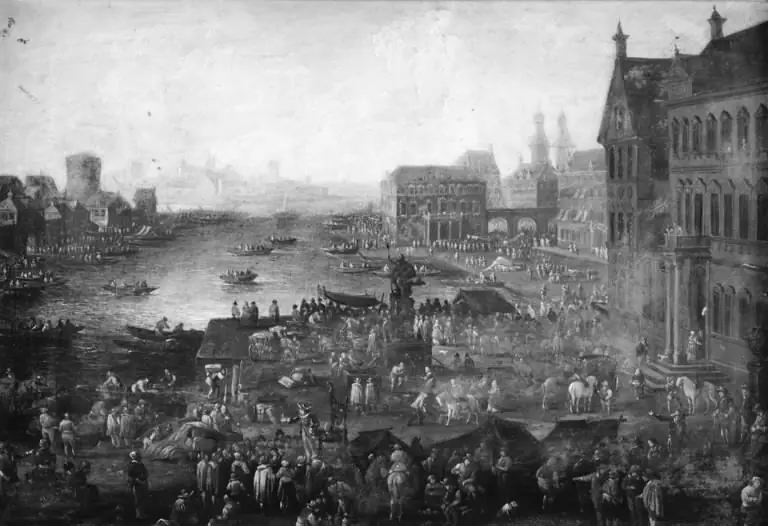 Square in Paris with Many Figures
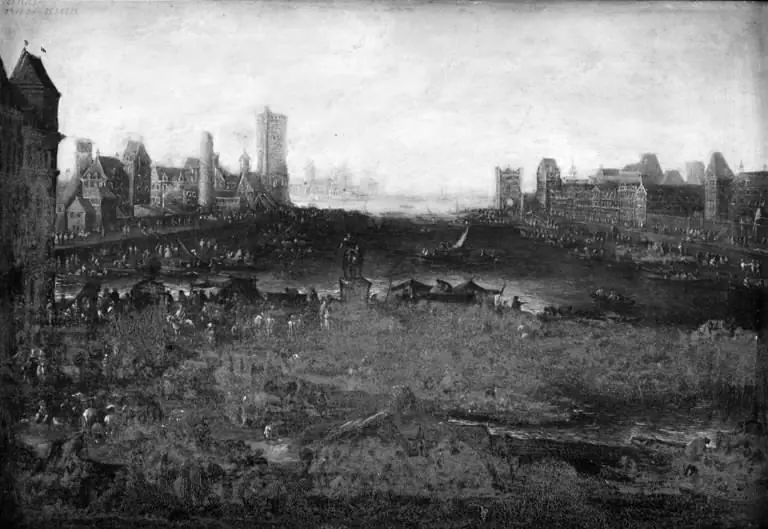 Square in Paris with Many Figures
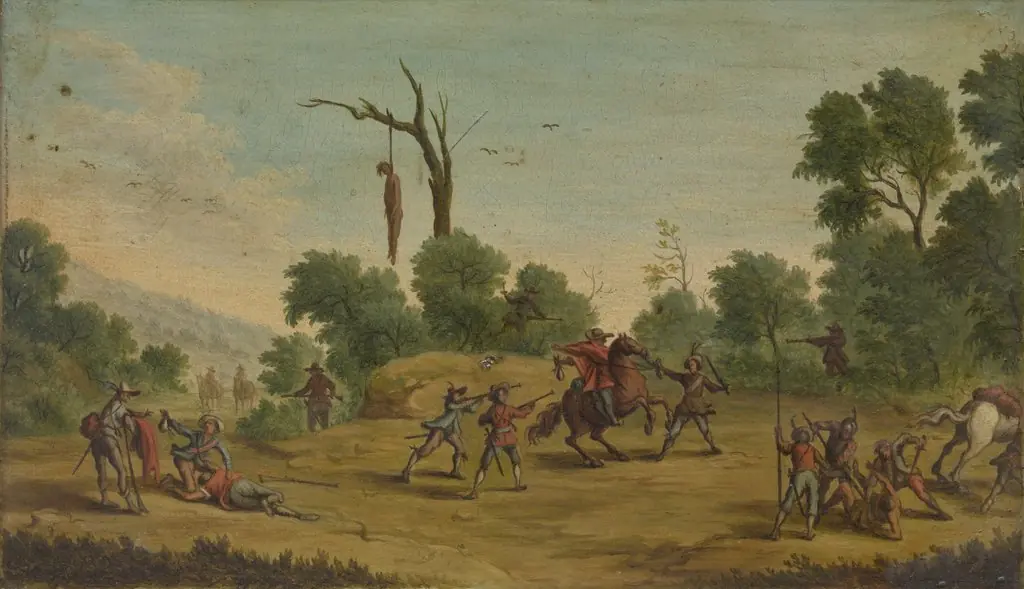 Horsemen Attacked by Robbers
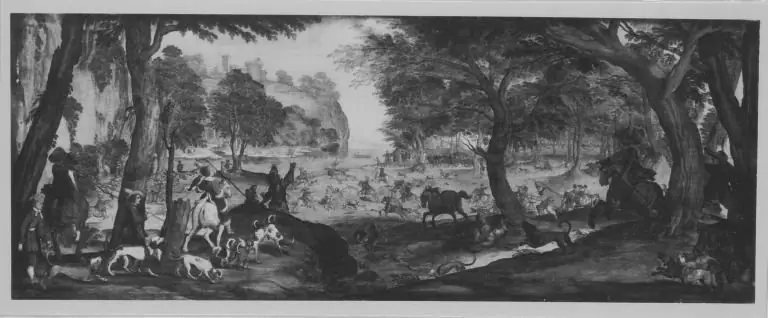 HOW WILL A COVERED PART BE CORRECTED?HOW WIKA A COVERED HEART DEED CORRECTED?
![Christ Walking on the Water [second plate], by Jacques Callot](https://artifactworldgallery.com/img/jacques-callot--christ-walking-on-the-water-second-plate--2069f3bfe4cb2126-w320.webp) Christ Walking on the Water [second plate]
Christ Walking on the Water [second plate]
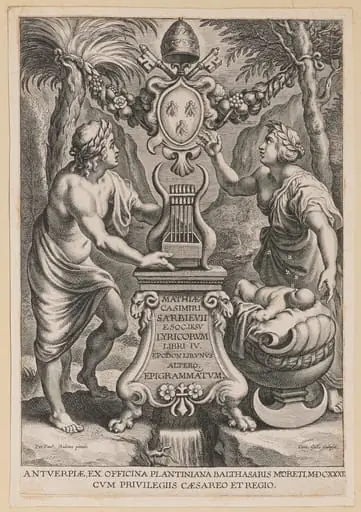 Title Page for M.C. Sarbievski, Lyricorum Libri IV
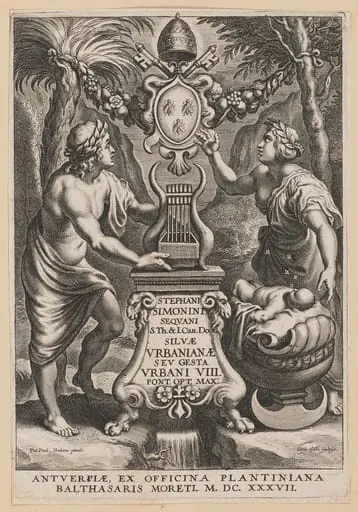 Title Page for Stephanus Simonini, Silvae Urbaninae
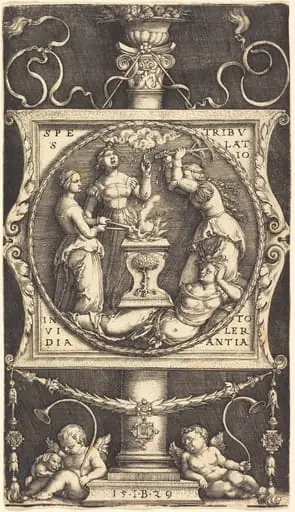 Emblem with Hope, Tribulation, Envy, and Tolerance
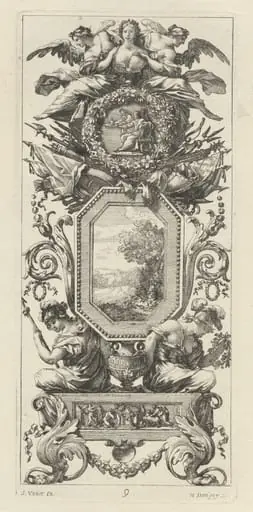 Ornamental Panel Surmounted with Two Figures Leaning on the Bust of a Woman
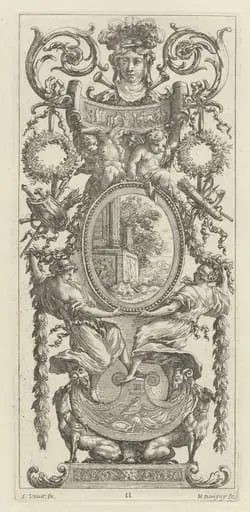 Ornamental Panel Surmounted with a Head Flanked by Foliage
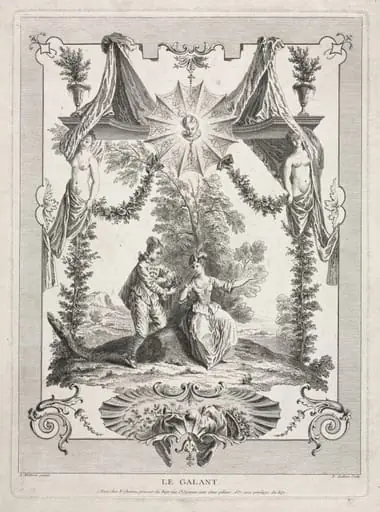 The Gallant
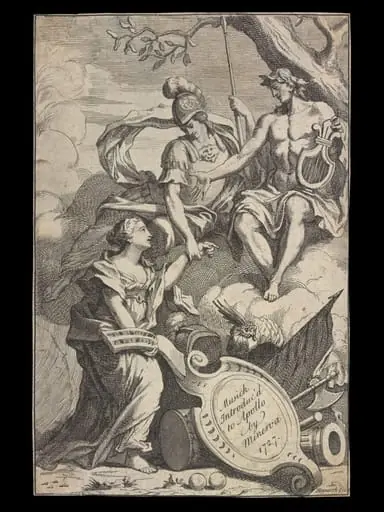 H Beard Print Collection
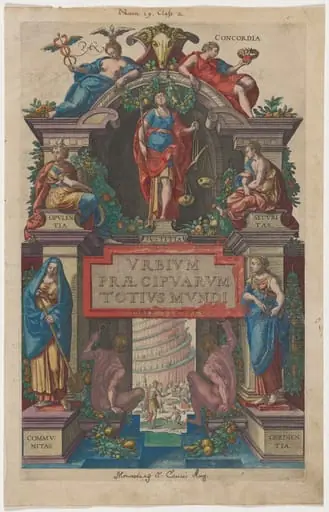 Title Page to Urbium Praecipuarum Totius Mundi
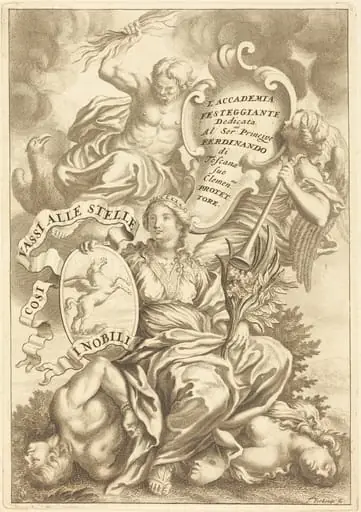 Dedication Plate
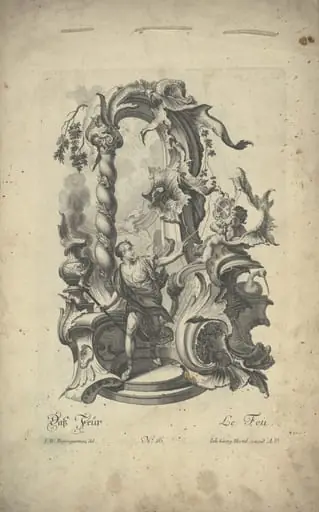 Das Feur
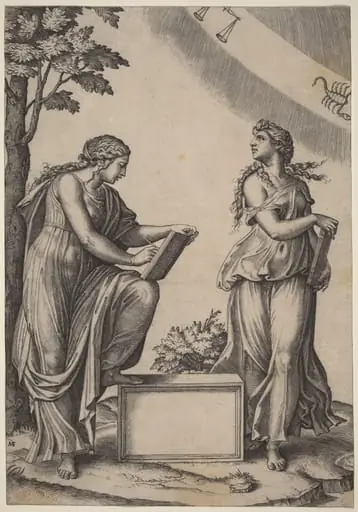 Two Women with the Zodiac
 La belle jardinière