Artwork
De wegzending van Hagar en Ismaël
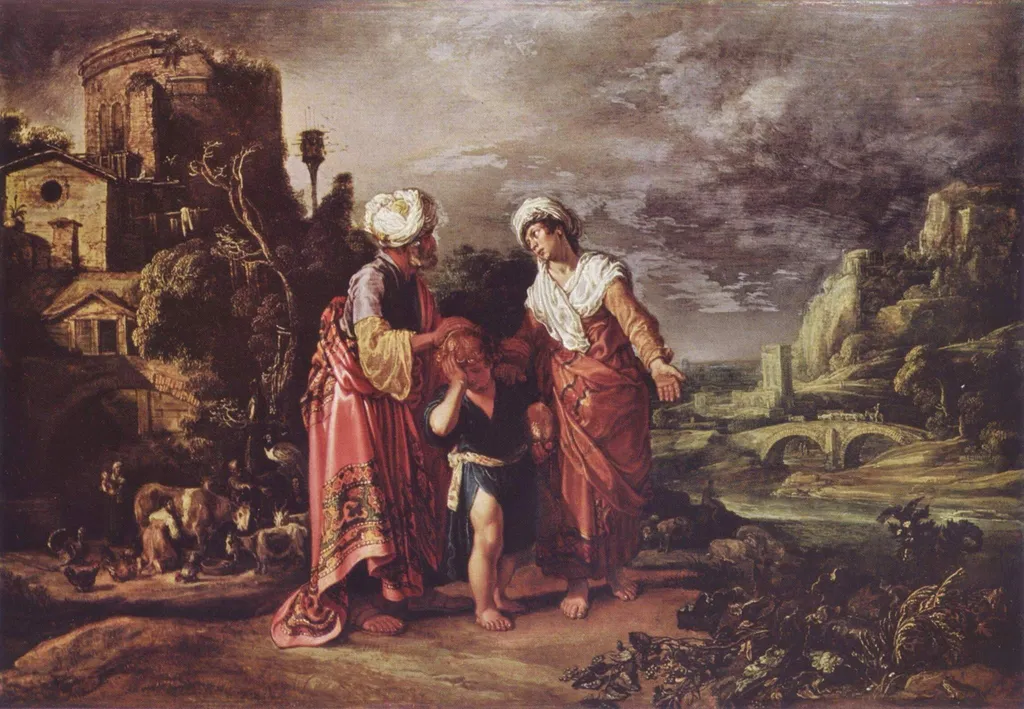
De wegzending van Hagar en Ismaël is an unspecified painting by the Early Baroque Italian artist Pieter Lastman. It dates from 1612 and is held in the collection of the Hamburger Kunsthalle.
About this work
Overview
Lastman, a Dutch artist known for narrative biblical scenes, rendered the subject with careful attention to emotional expression and spatial depth.
Painted in 1612 by Pieter Lastman, this work depicts the biblical moment when Hagar and her son Ishmael are sent into the desert. Lastman, a Dutch artist known for narrative biblical scenes, rendered the subject with careful attention to emotional expression and spatial depth. The painting is part of the Hamburger Kunsthalle’s collection and reflects early Baroque tendencies in Dutch art, particularly in its dramatic composition and attention to human detail.
Subject & Meaning
The scene illustrates Genesis 21, in which Abraham, under divine instruction, sends Hagar and Ishmael away into the wilderness with minimal provisions. Lastman captures the moment of resignation and sorrow: Hagar stands upright, her gaze distant, while her son kneels in exhaustion. The figure holding the red cloth may represent Abraham’s servant, reinforcing the inevitability of their expulsion. The barren landscape underscores isolation and divine abandonment.
Technique & Style
Lastman employed chiaroscuro to model the figures with strong contrasts of light and shadow, enhancing their three-dimensionality and emotional weight. Facial expressions and gestures are rendered with precision, particularly in the hands and postures of the figures. Earth tones dominate the landscape, while Hagar’s red robe creates a focal point, drawing attention to her emotional centrality. The distant cityscape adds depth and contextualizes the scene within a known biblical geography.
History & Provenance
Commissioned during Lastman’s formative years, the painting reflects his engagement with biblical narratives before his influence on Rembrandt. It entered the Hamburger Kunsthalle’s collection in the 19th century, likely through acquisitions of Northern European works. Its attribution to Lastman has remained consistent, supported by stylistic analysis and documentary records from the early 1600s.
Context
In early 17th-century Amsterdam, biblical subjects were favored by patrons and artists alike, often reflecting Reformed theological values. Lastman’s approach—combining historical accuracy with psychological realism—aligned with broader trends in Dutch history painting. His work stood apart from more decorative Italianate styles, favoring restrained emotion and narrative clarity rooted in textual fidelity.
Legacy
Though less widely known than his pupil Rembrandt, Lastman’s treatment of emotional intensity and anatomical detail influenced a generation of Dutch painters. This painting exemplifies his role in shaping the Dutch Baroque tradition, particularly in how biblical stories were rendered with human vulnerability rather than grandeur. Its preservation in a major public collection ensures continued scholarly attention.
Own this work as a print
Artist & collection
Artist
Pieter Lastman (1583–1633) was a Dutch painter. Lastman is considered important because of his work as a painter of history pieces and because his pupils included Rembrandt and Jan Lievens. In his paintings Lastman paid…

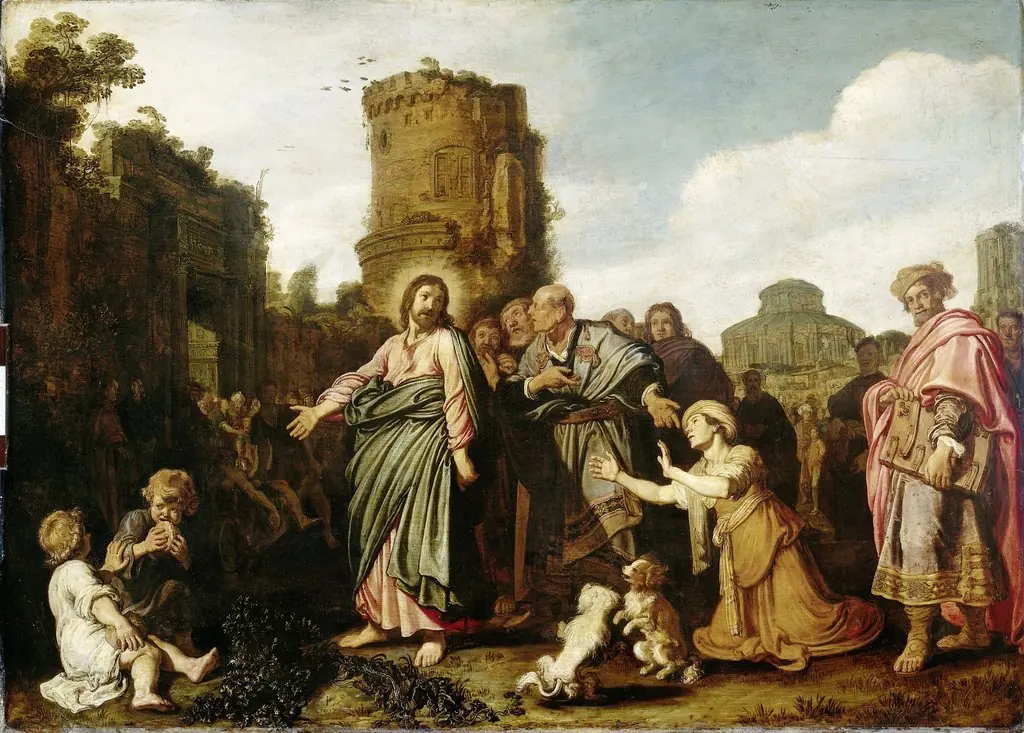
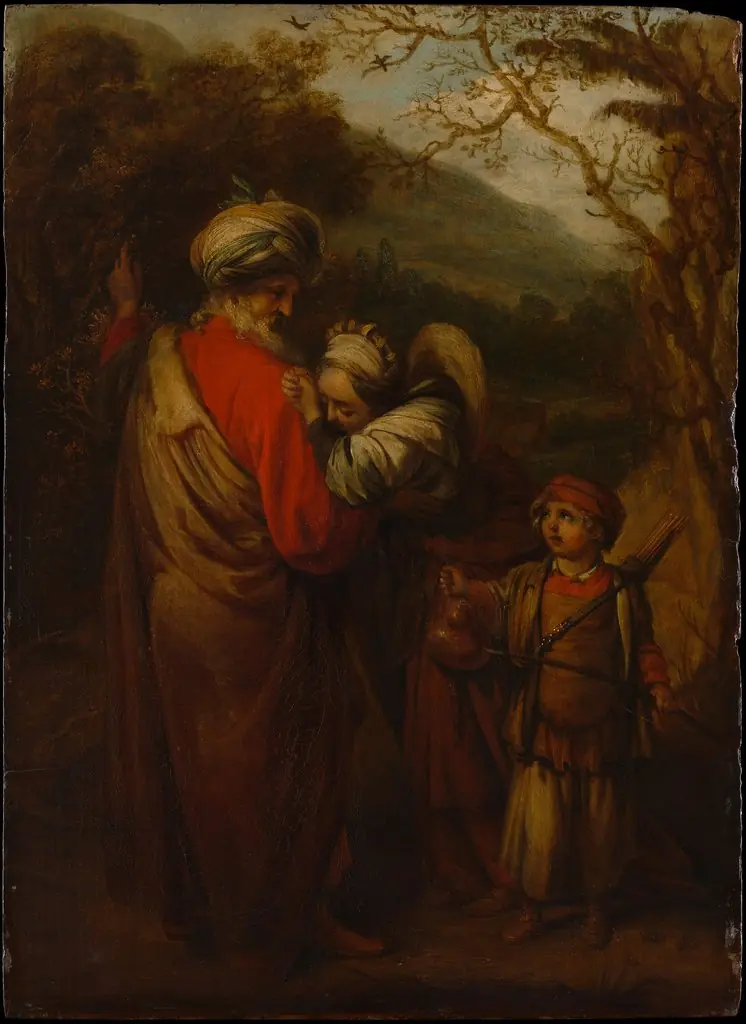 Abraham Dismissing Hagar and Ishmael
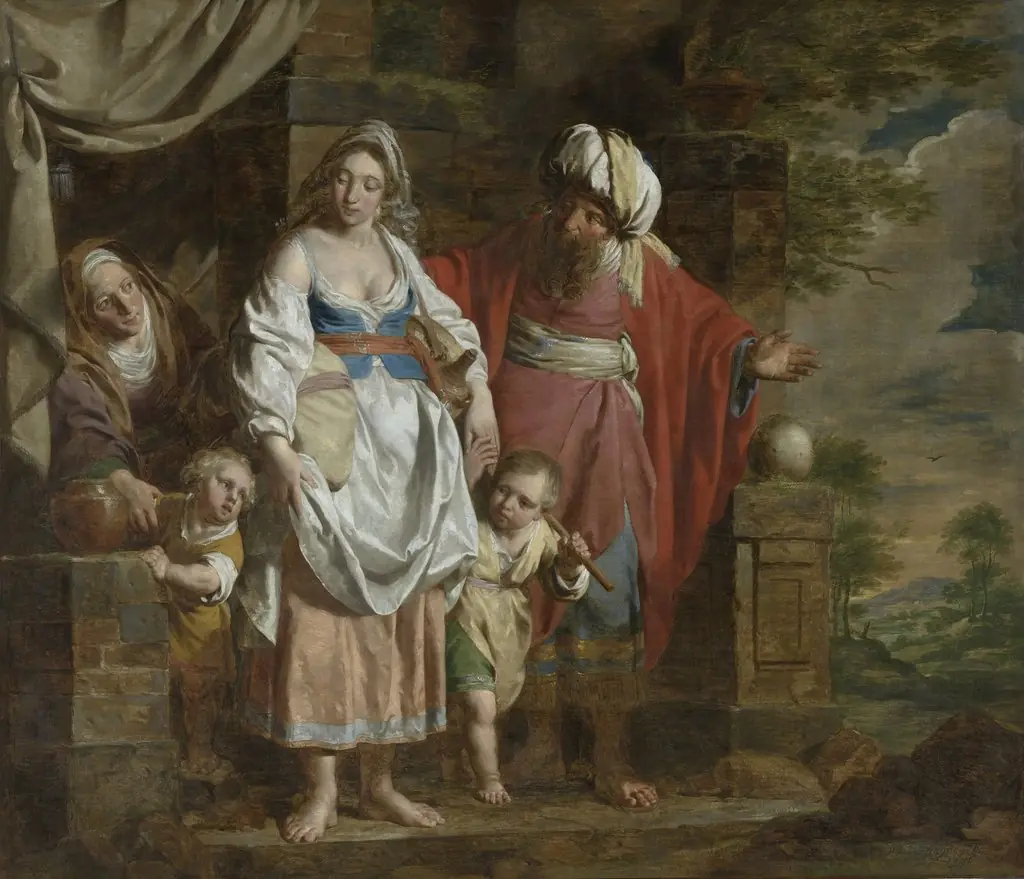 Hagar and Ishmael Banished by Abraham
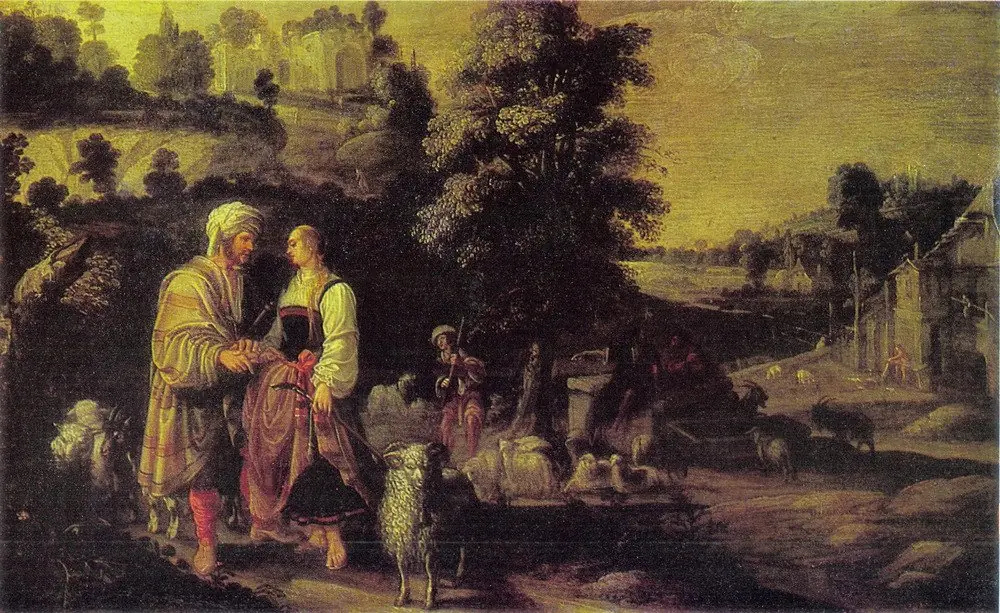 Jacob Meeting Rachel
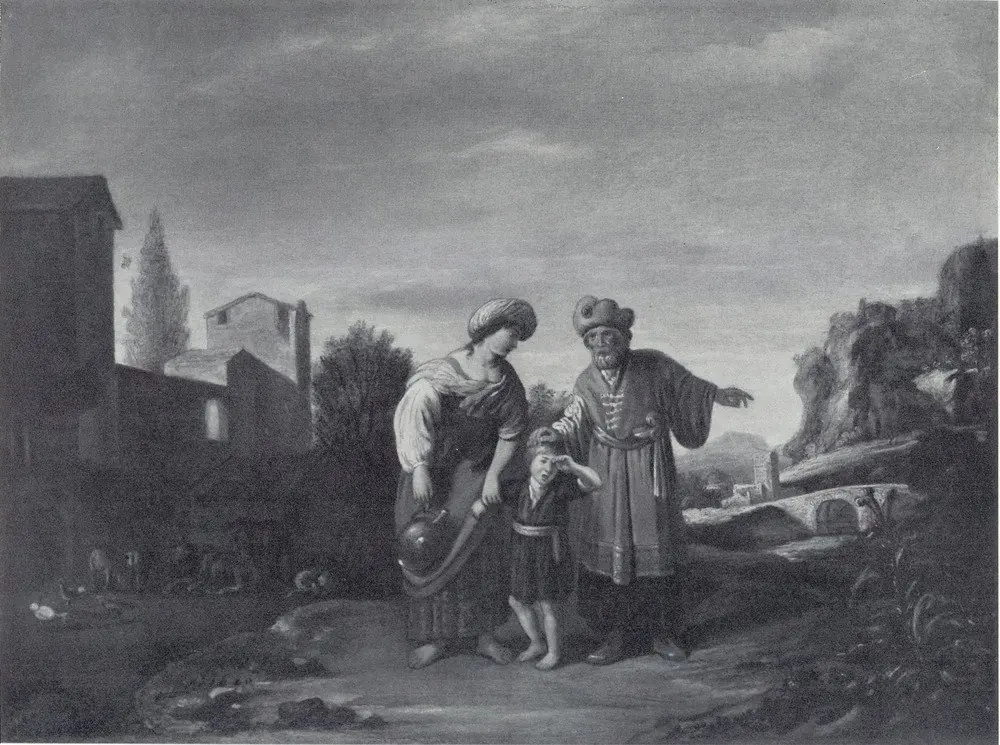 The Expulsion of Hagar
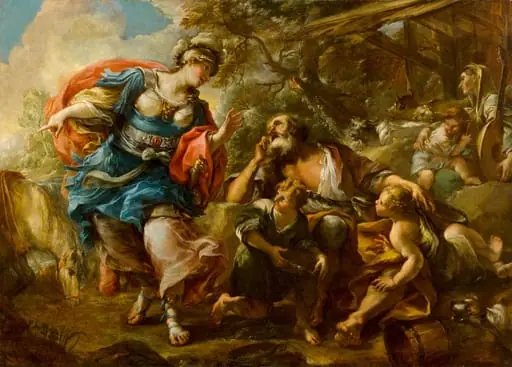 Erminia ja paimenet
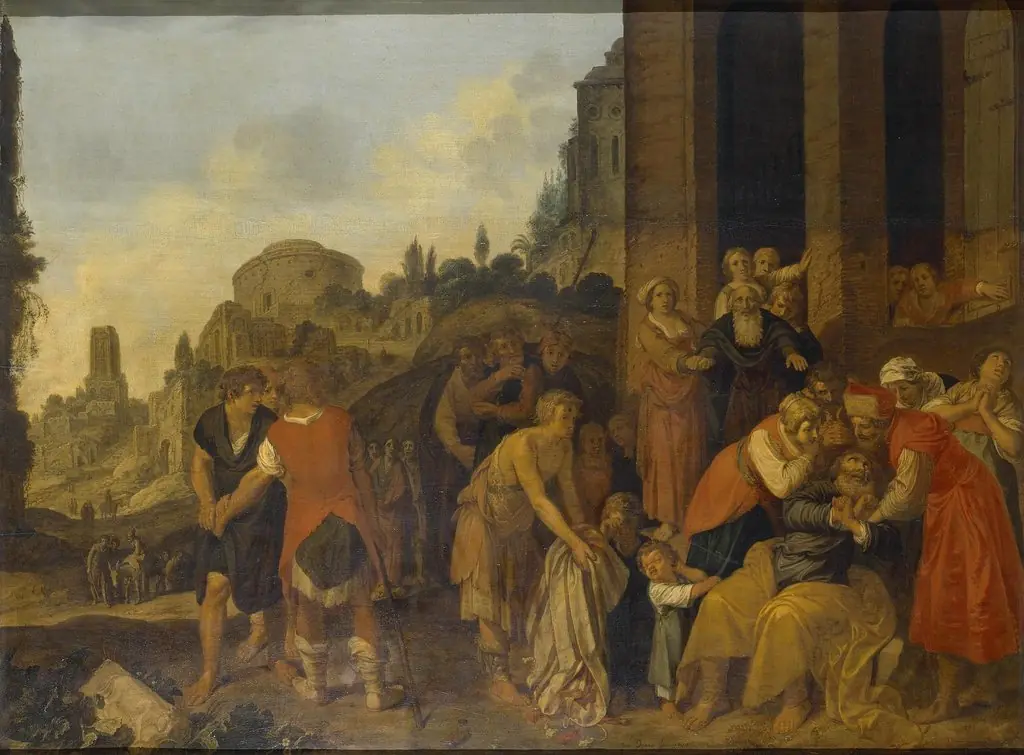 Jacob's Sons Show Him Joseph's Blood-Stained Robe
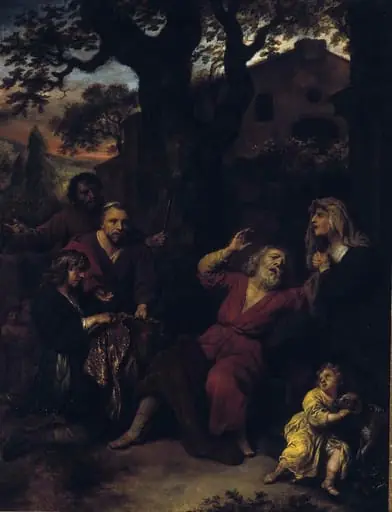 Joosefin verinen viitta
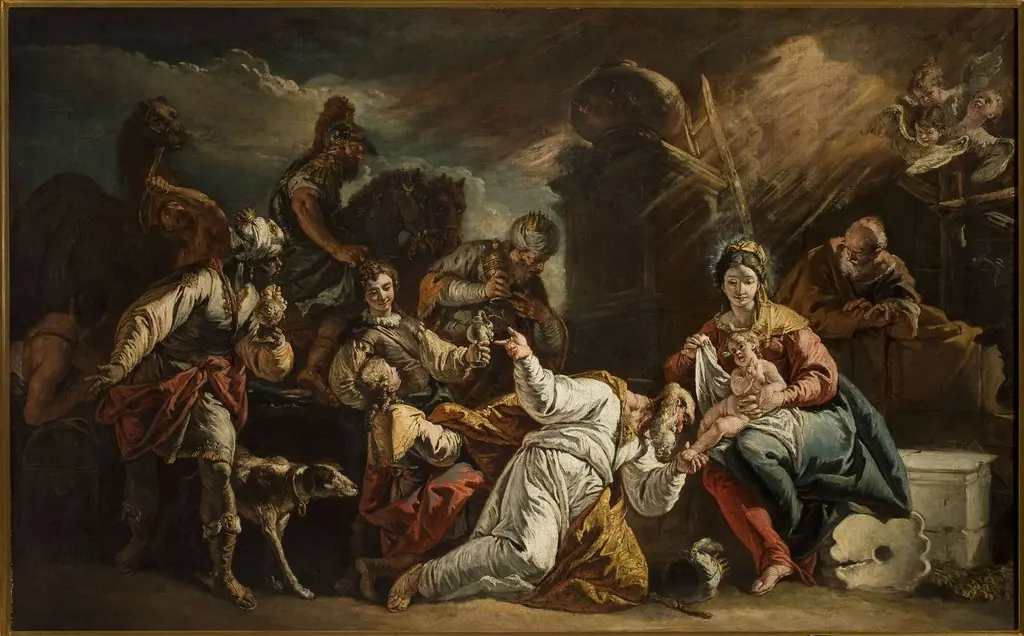 Adoration of the Magi
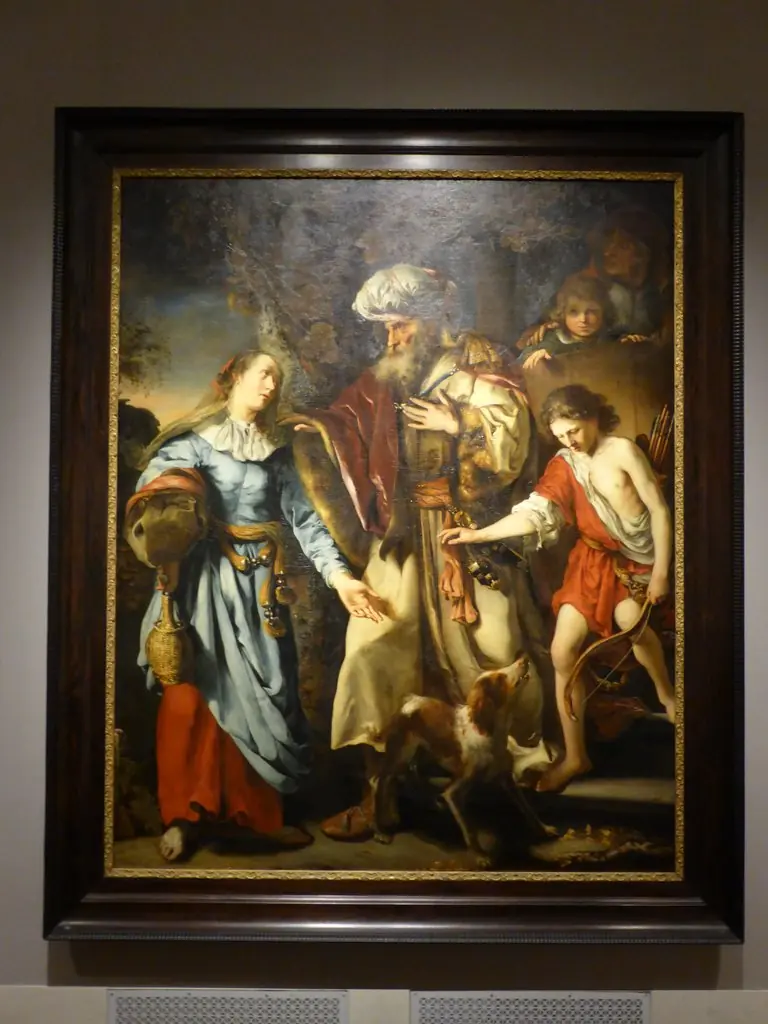 Abraham banishes Hagar and Ishmael
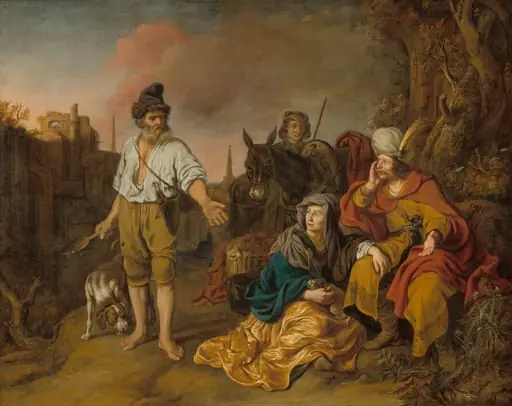 The Levite at Gibeah
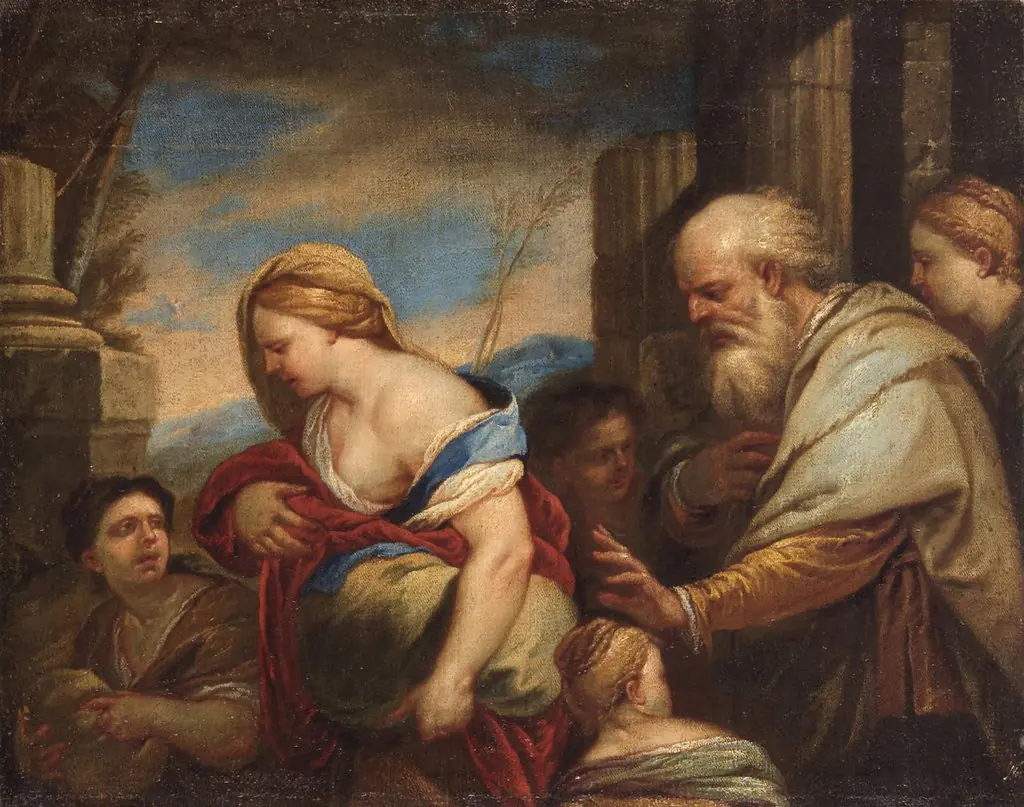 Expulsion of Hagar by Abraham
 Birth of Jupiter