Artwork
The Baptism of Christ
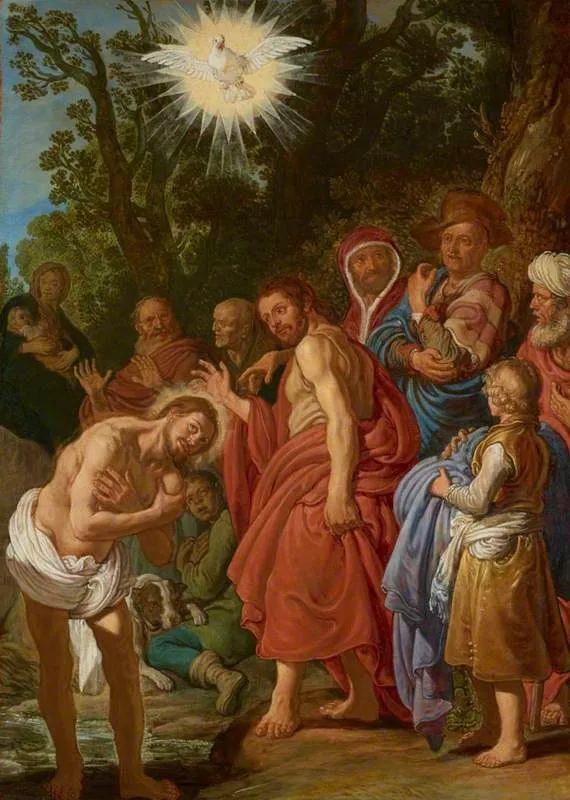
The Baptism of Christ is an oil painting by the Dutch Golden Age artist Pieter Lastman. It dates from 1629 and is held in the collection of the National Galleries Scotland.
About this work
Overview
Pieter Lastman’s 1629 oil painting *The Baptism of Christ* presents a riverbank scene where a central, unclothed figure receives a gesture from a man in red robes, under a radiant burst of light. Surrounding onlookers display varied reactions, from concern to reverence, creating a narrative moment that captures the biblical episode of Christ’s baptism.
Subject & Meaning
The composition illustrates the New Testament moment when John the Baptist immerses Jesus in the Jordan. The luminous halo above the figures signifies divine approval, while the gestures of the surrounding crowd convey the mixture of awe and uncertainty that accompanies a sacred revelation. The work thus emphasizes both the human and heavenly dimensions of the event.
Technique & Style
Executed in oil on canvas, the painting reflects Lastman’s meticulous attention to anatomical detail, especially in the rendering of faces, hands, and feet. The chiaroscuro of the bright sky against the wooded riverbank enhances spatial depth, while the rich reds of the baptizer’s garments draw focus to the central ritual.
History & Provenance
Created during the Dutch Golden Age, the piece exemplifies Lastman’s reputation for history paintings. After remaining in private collections for two centuries, it entered the Scottish National Gallery’s holdings, where it is displayed as part of the museum’s European Baroque acquisitions.
Context
Lastman, a mentor to Rembrandt, often drew upon biblical narratives to explore moral and theological themes. This work aligns with early‑17th‑century Dutch interest in dramatizing scriptural moments, employing a naturalistic setting that bridges the sacred story with everyday human response.
Artist & collection
Artist
Pieter Lastman (1583–1633) was a Dutch painter. Lastman is considered important because of his work as a painter of history pieces and because his pupils included Rembrandt and Jan Lievens. In his paintings Lastman paid…

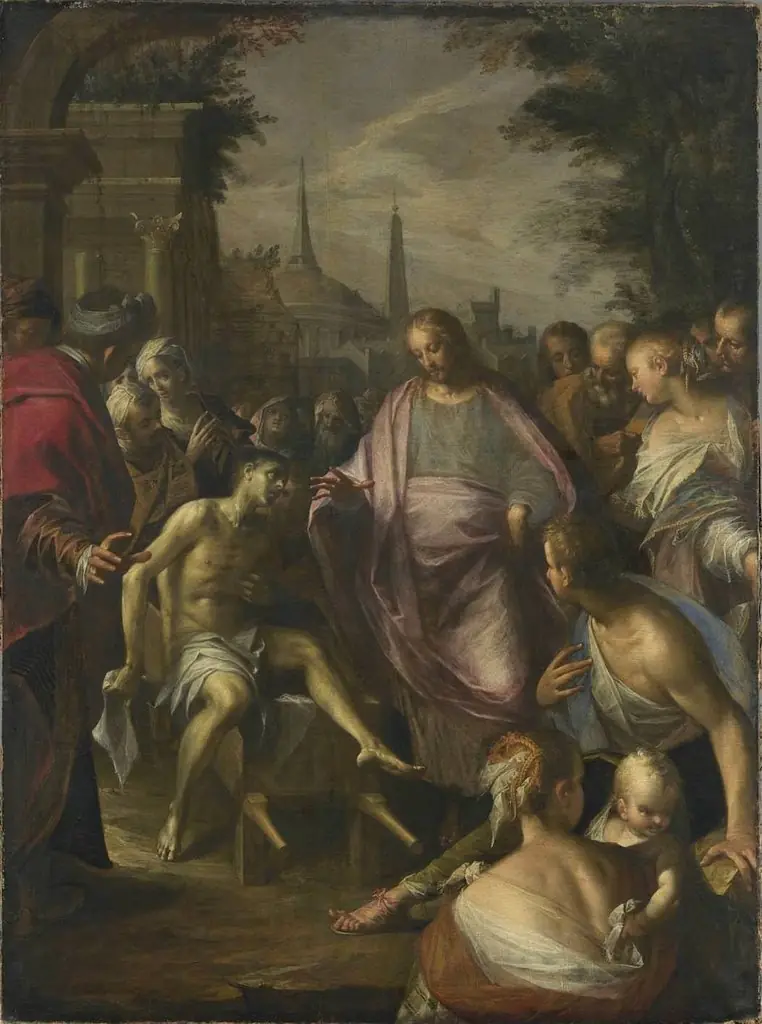 Die Auferweckung des Jünglings von Naim
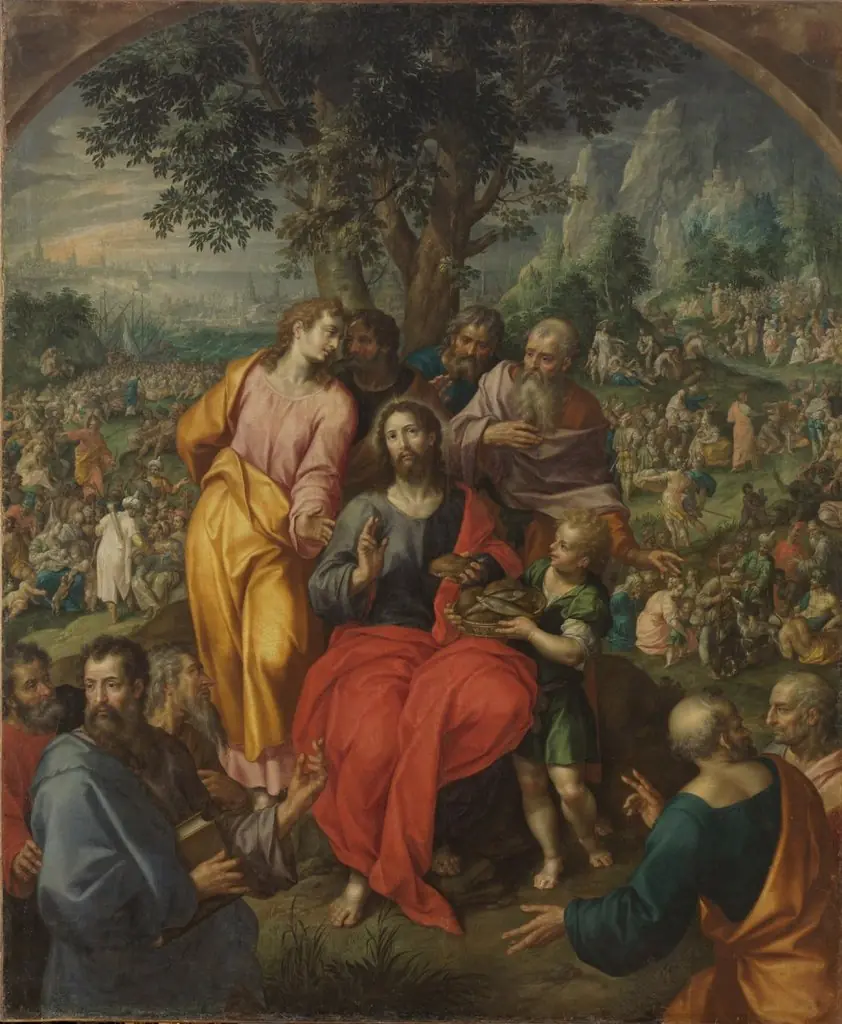 Feeding Of Five Thousand
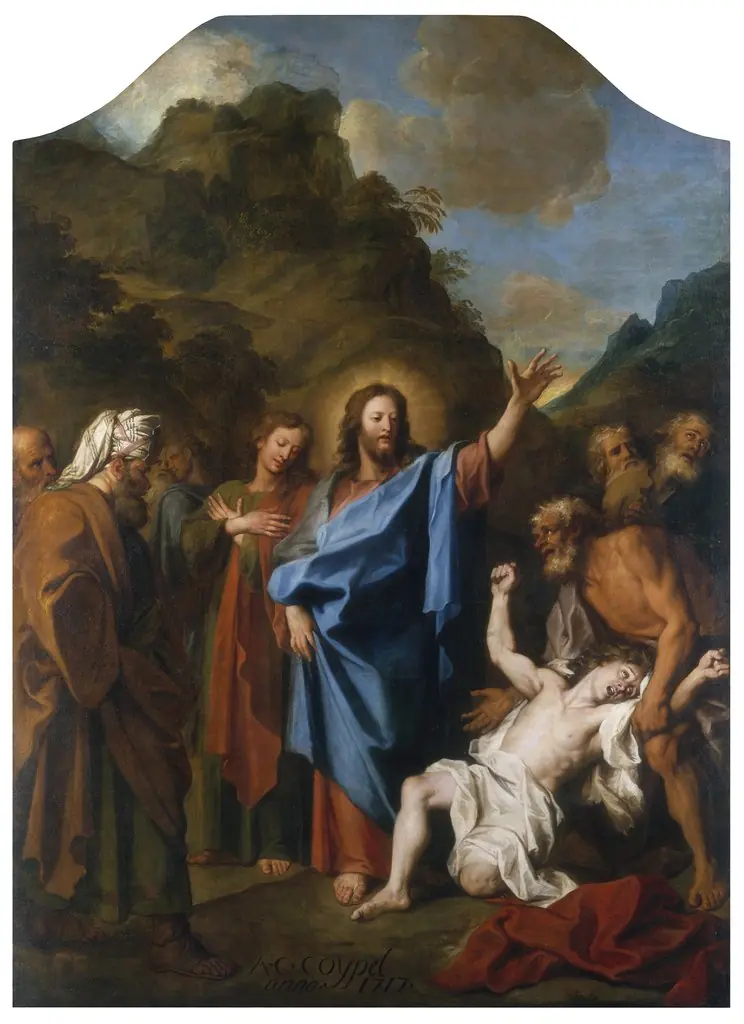 Christ Curing a Possessed Man
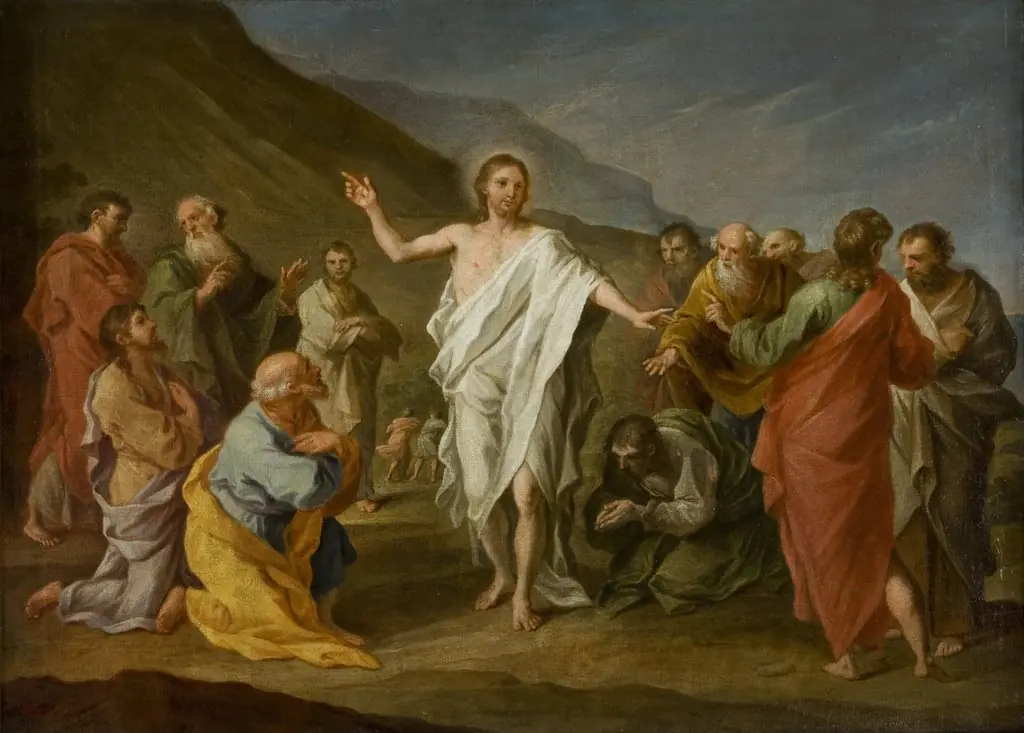 Christ Appearing to the Apostles after the Resurrection
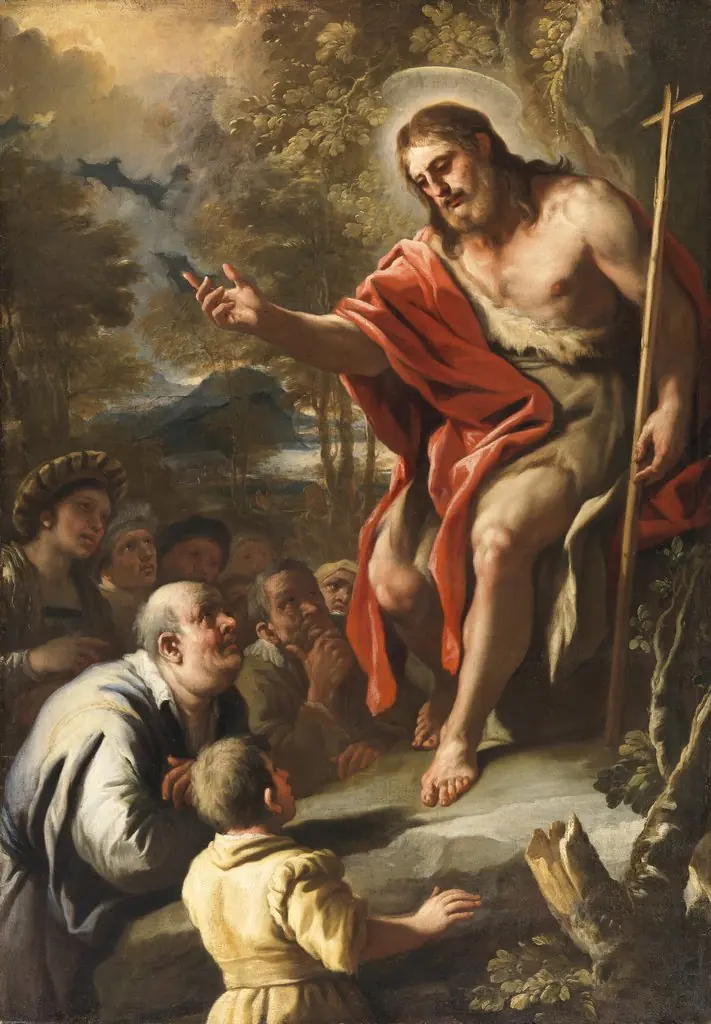 Saint John Preaching in the Wilderness
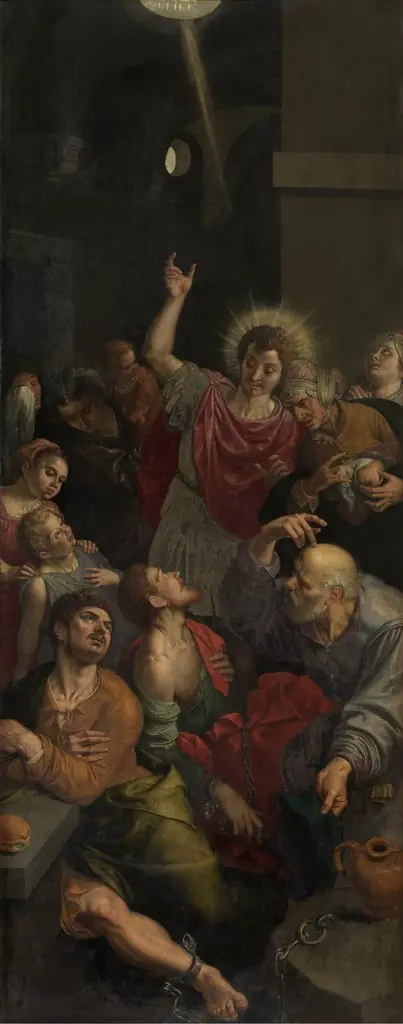 Saint Sebastian in Prison
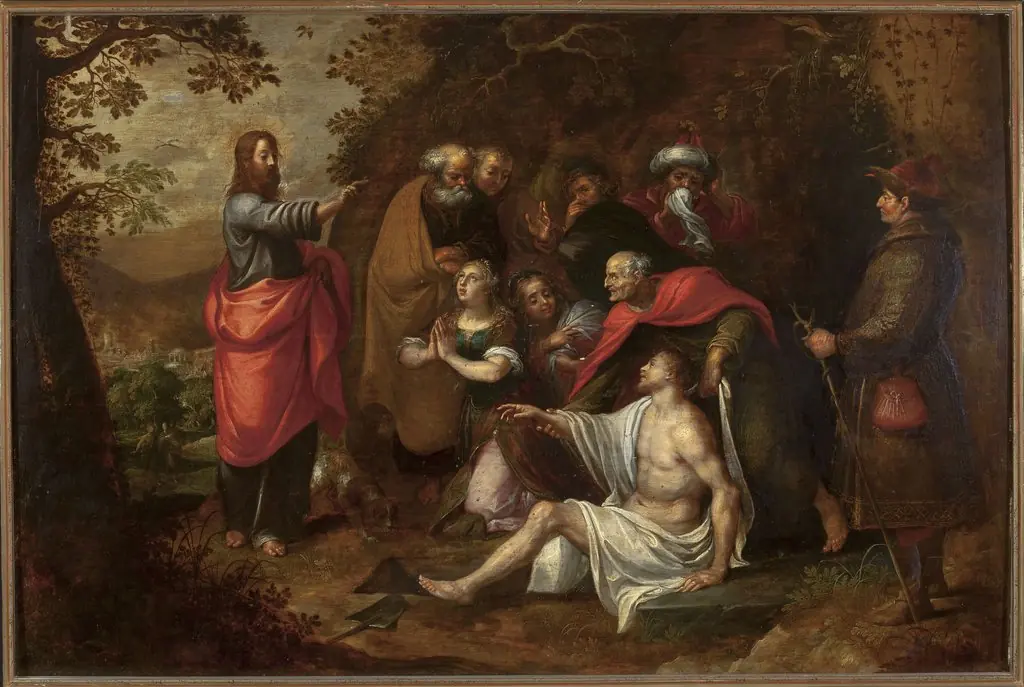 Raising o Lazarus
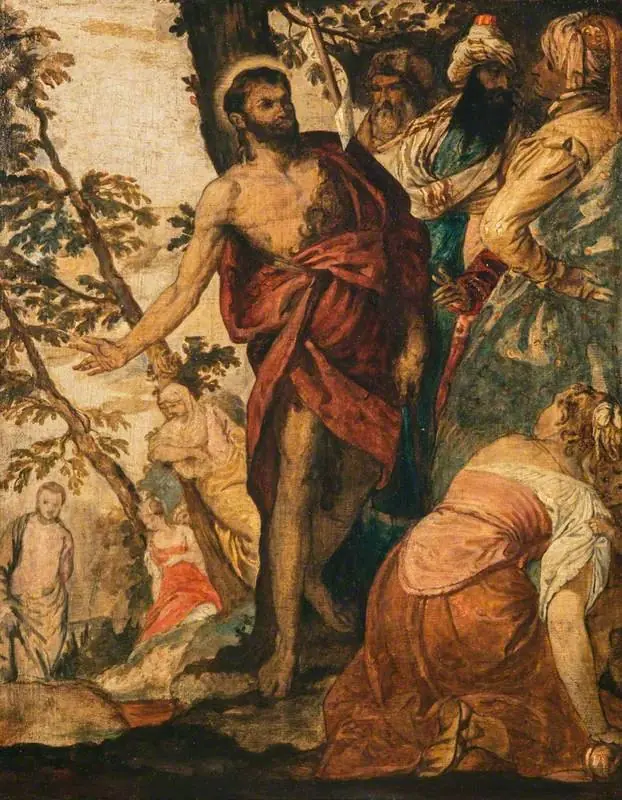 Saint John the Baptist Preaching (after Veronese)
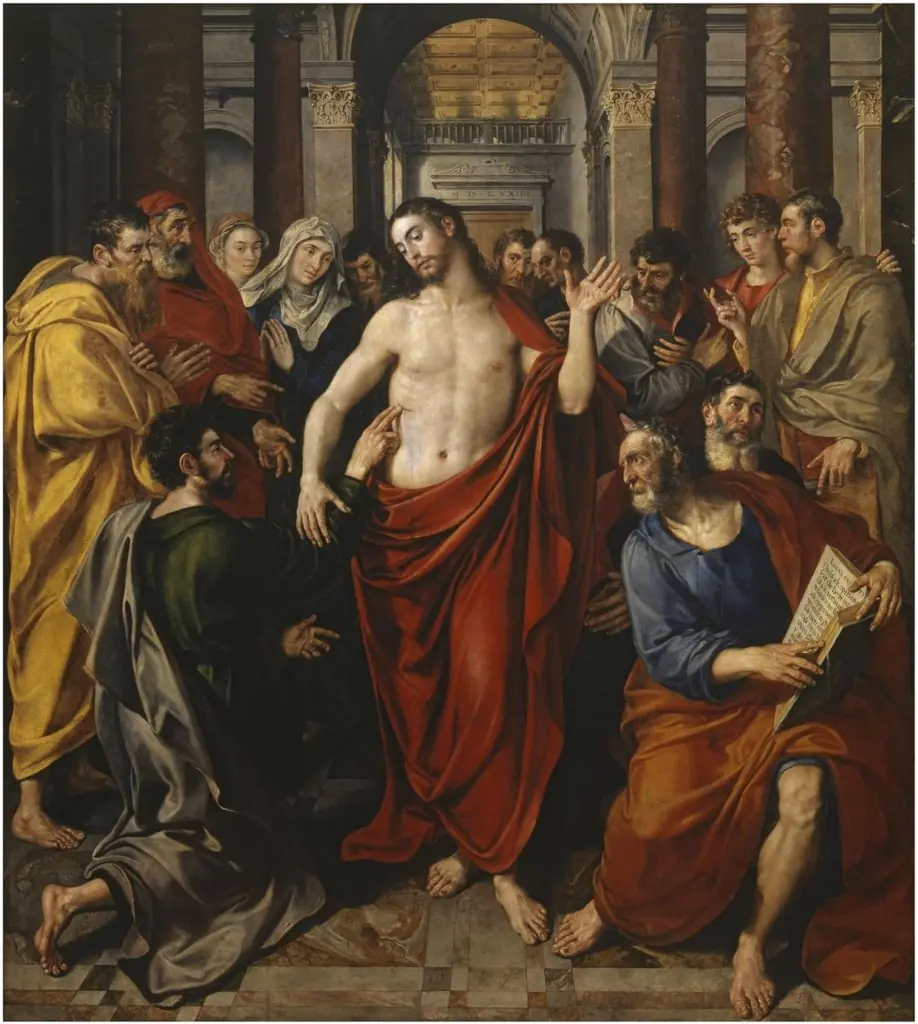 Incredulity of Saint Thomas
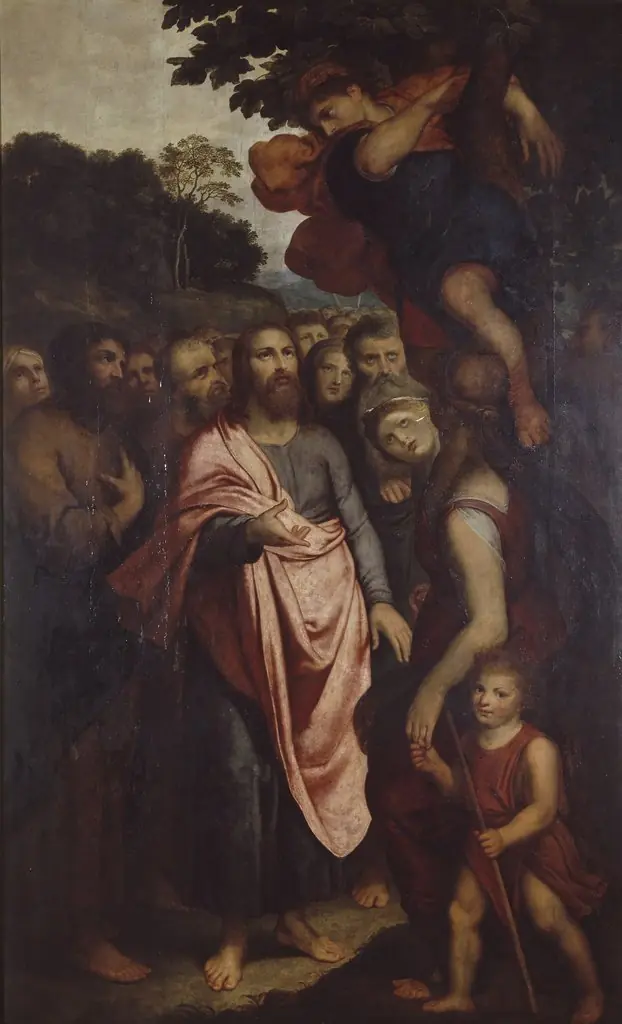 The Calling of Zacchaeus who is Sitting in a Fig Tree