Artwork
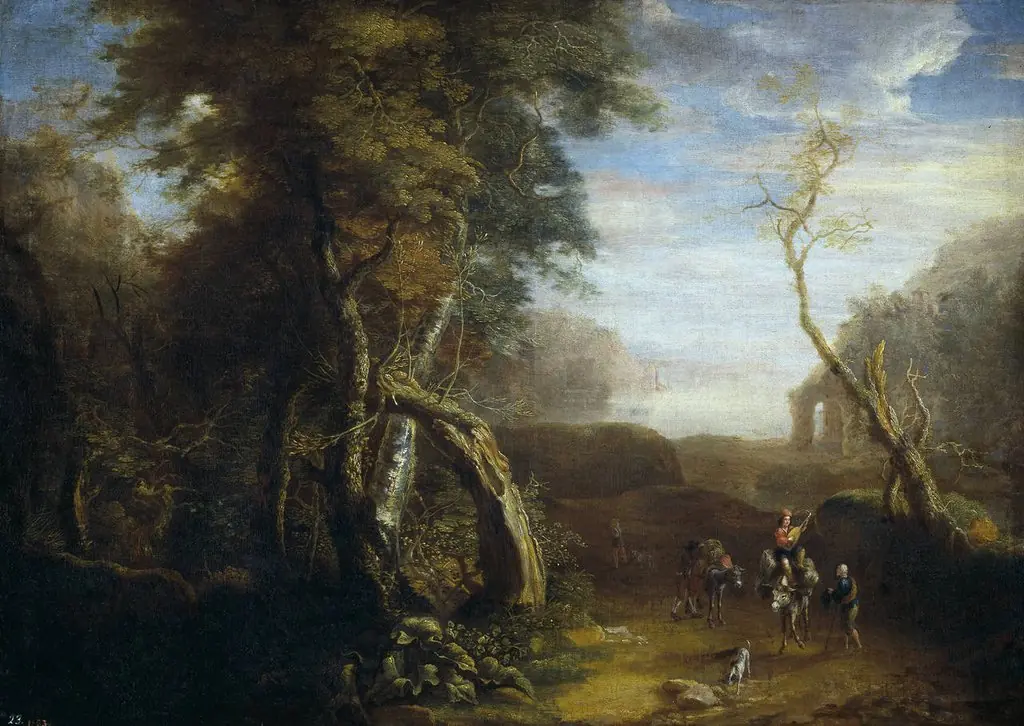
Landscape with tavern and Roman aqueduct
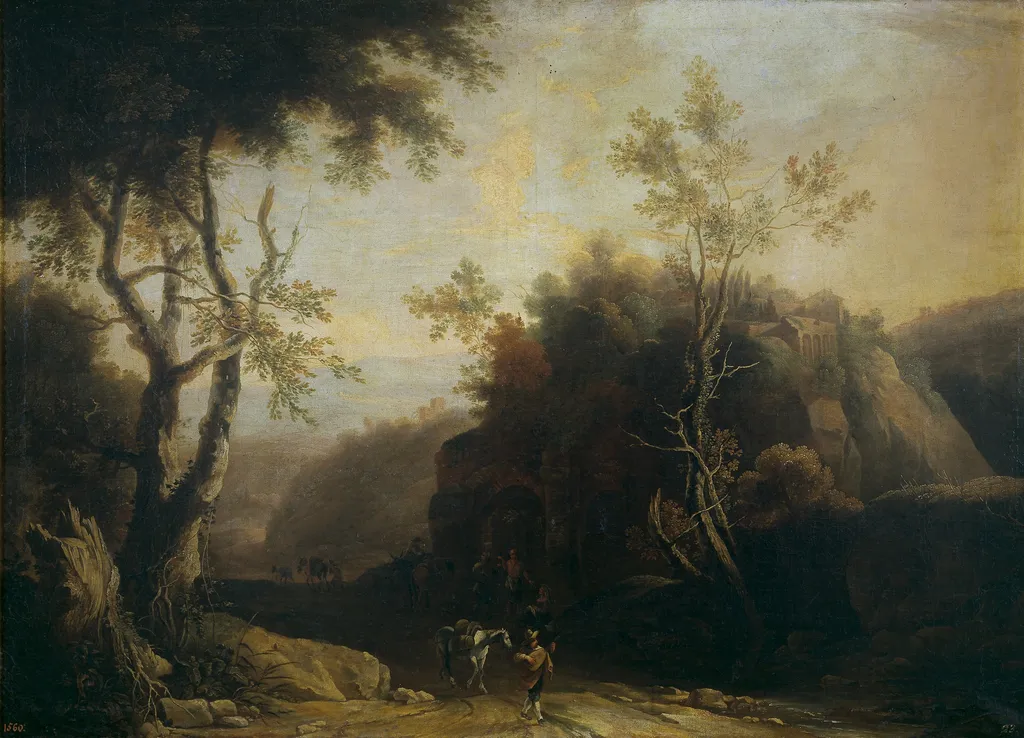
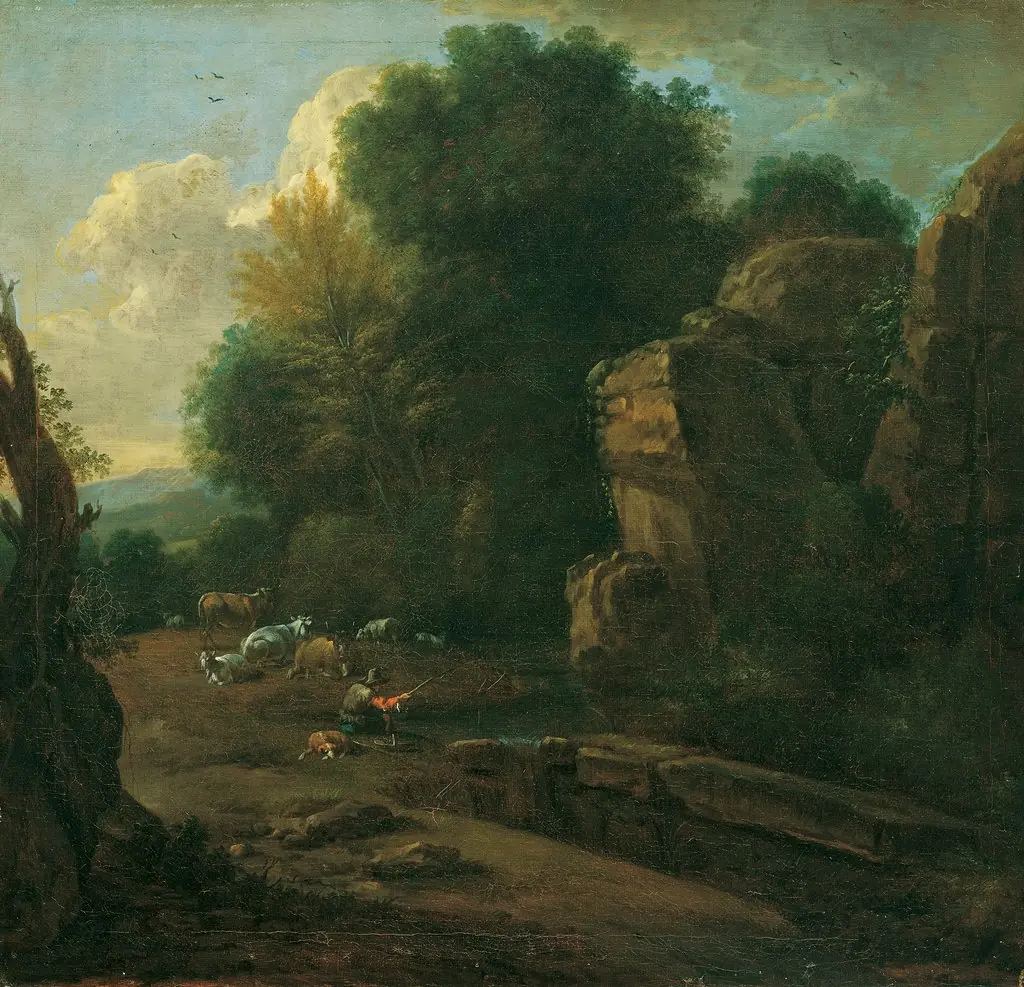
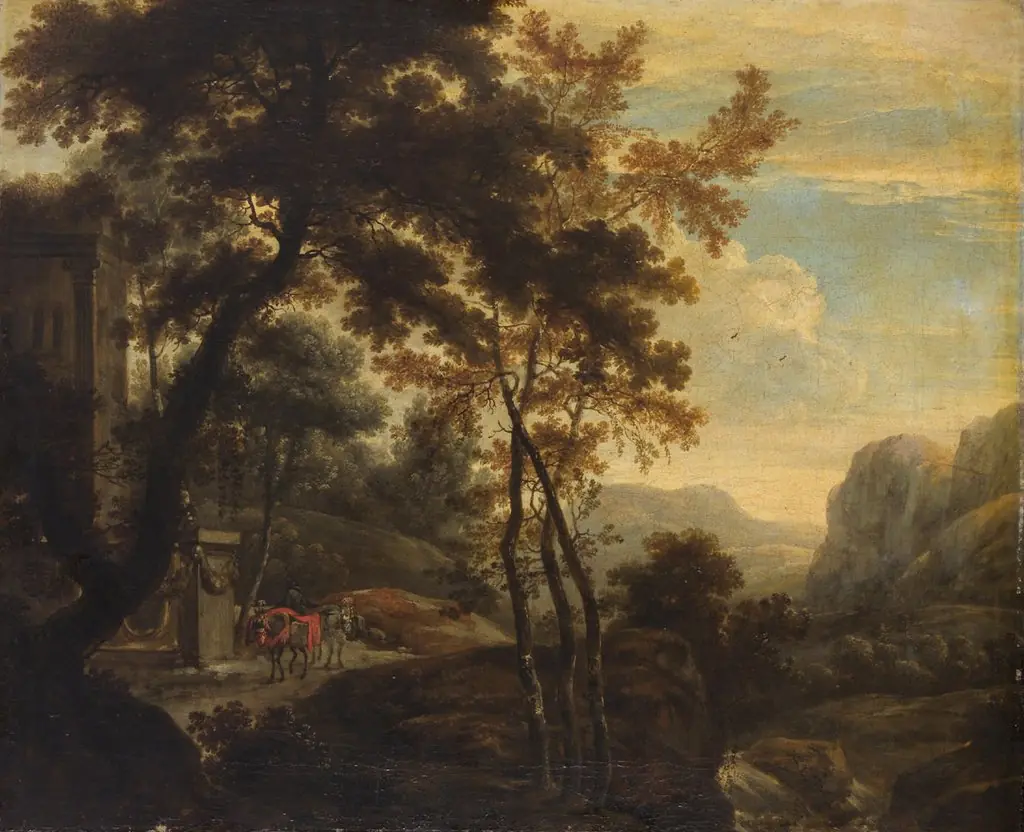
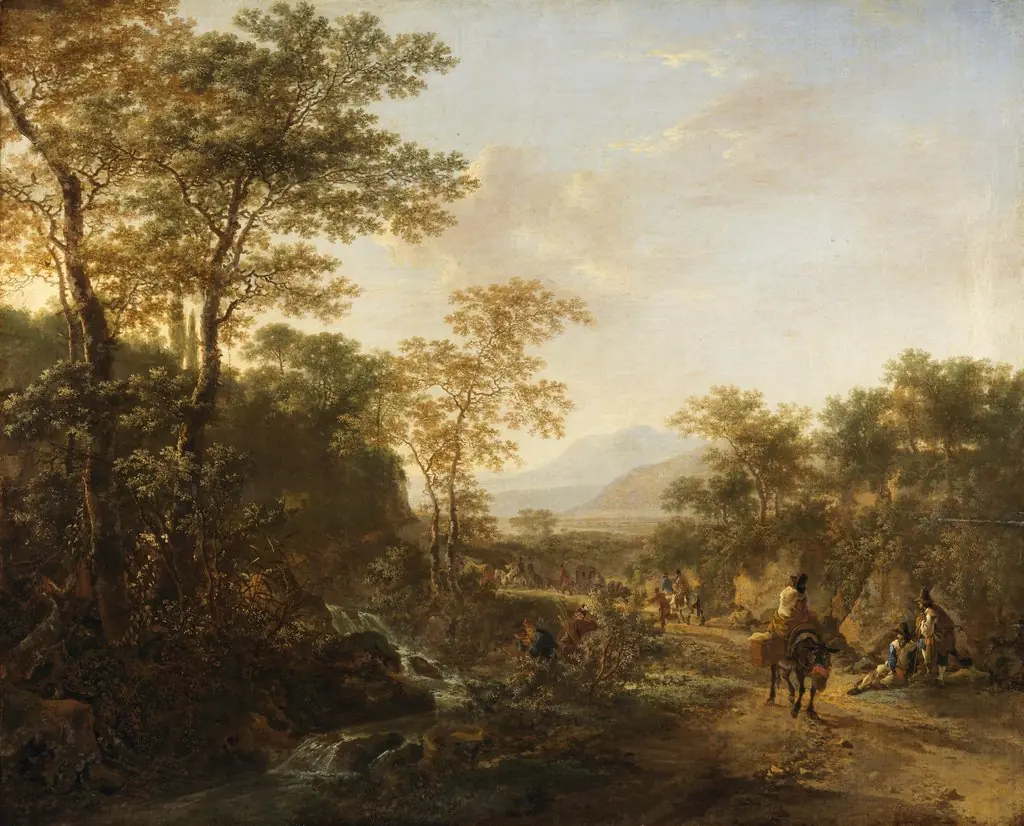
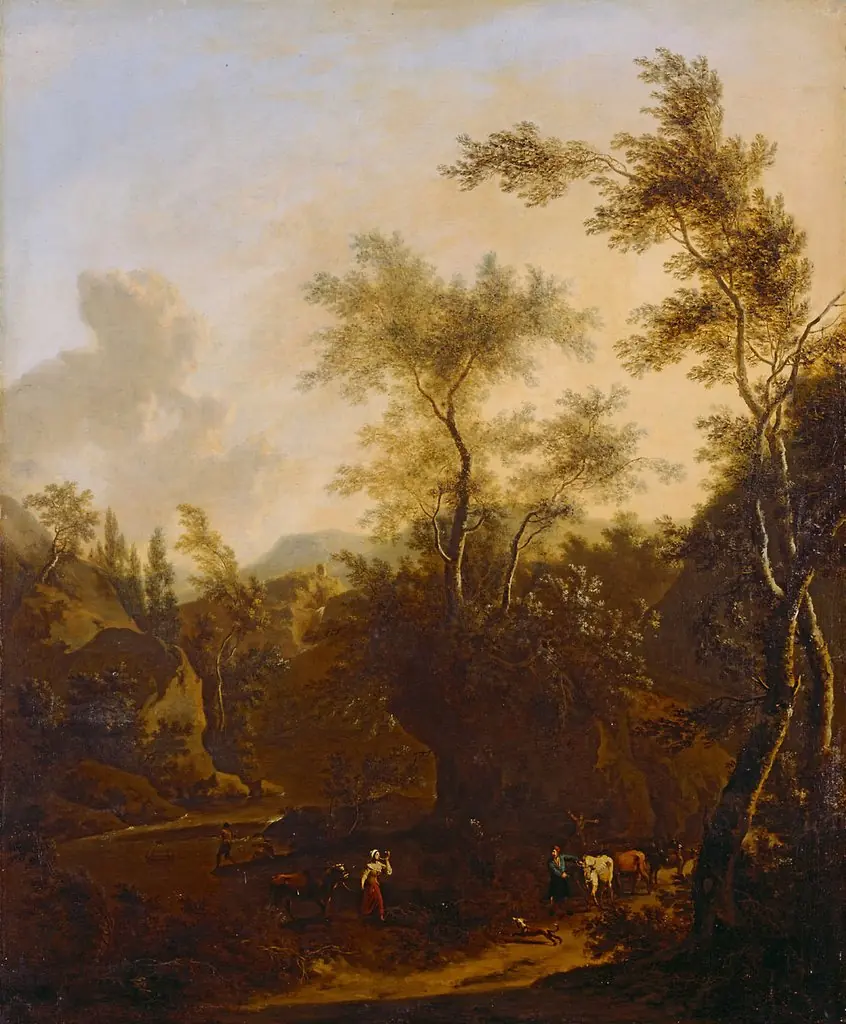
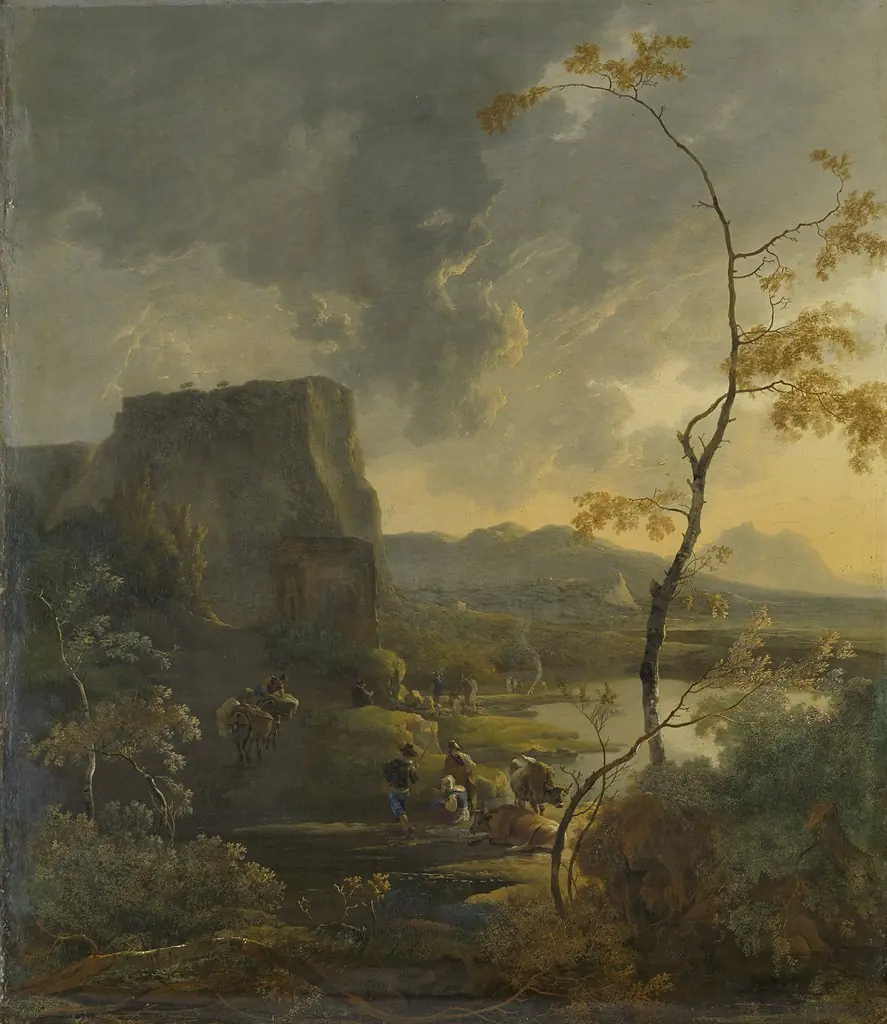
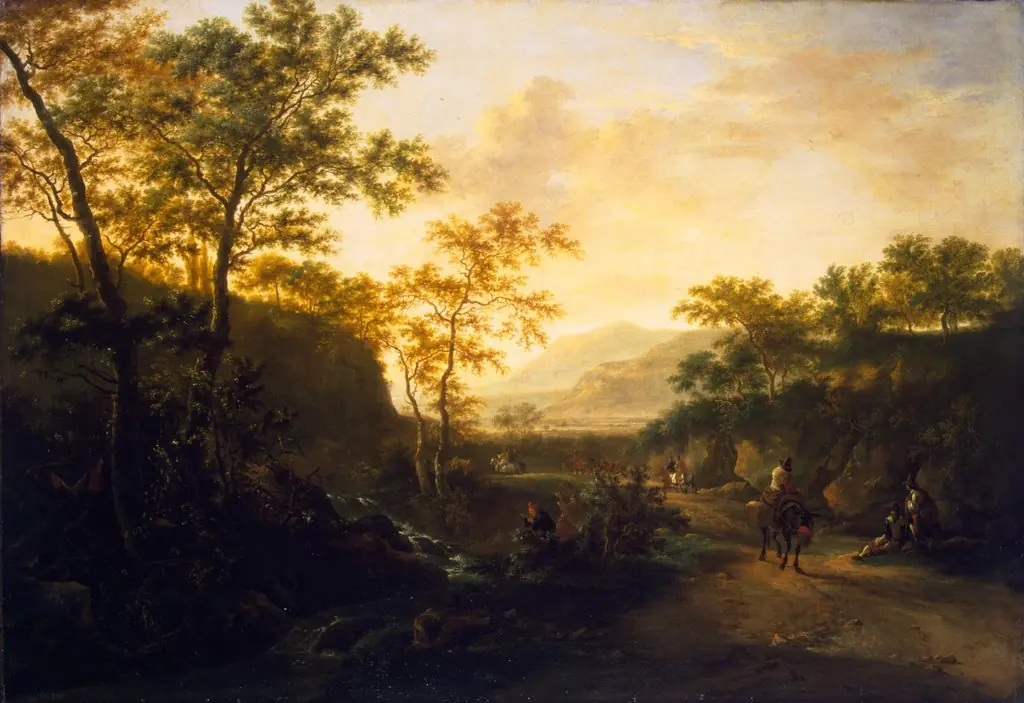
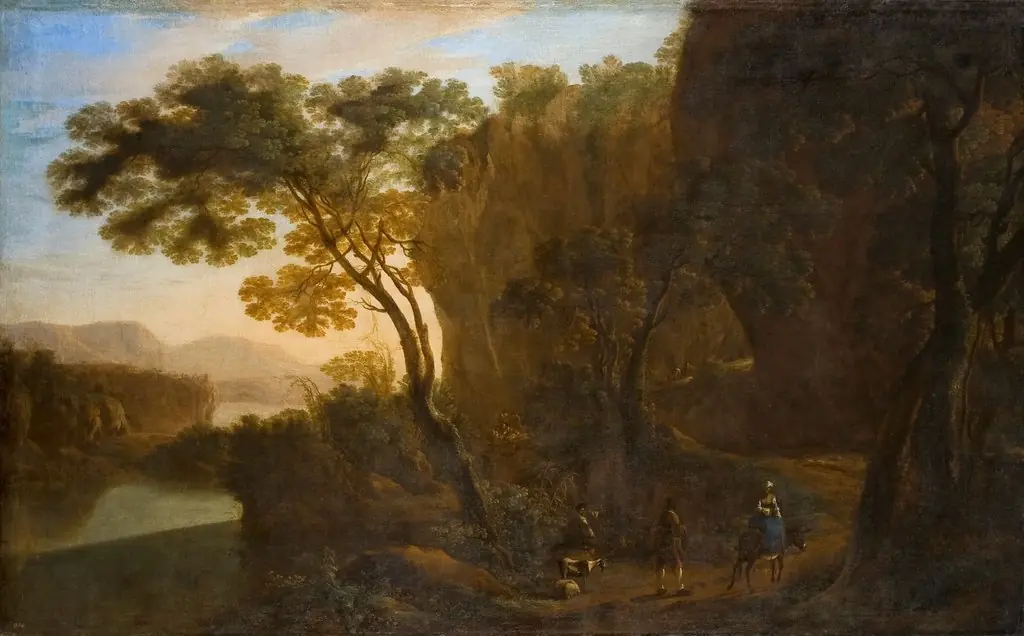
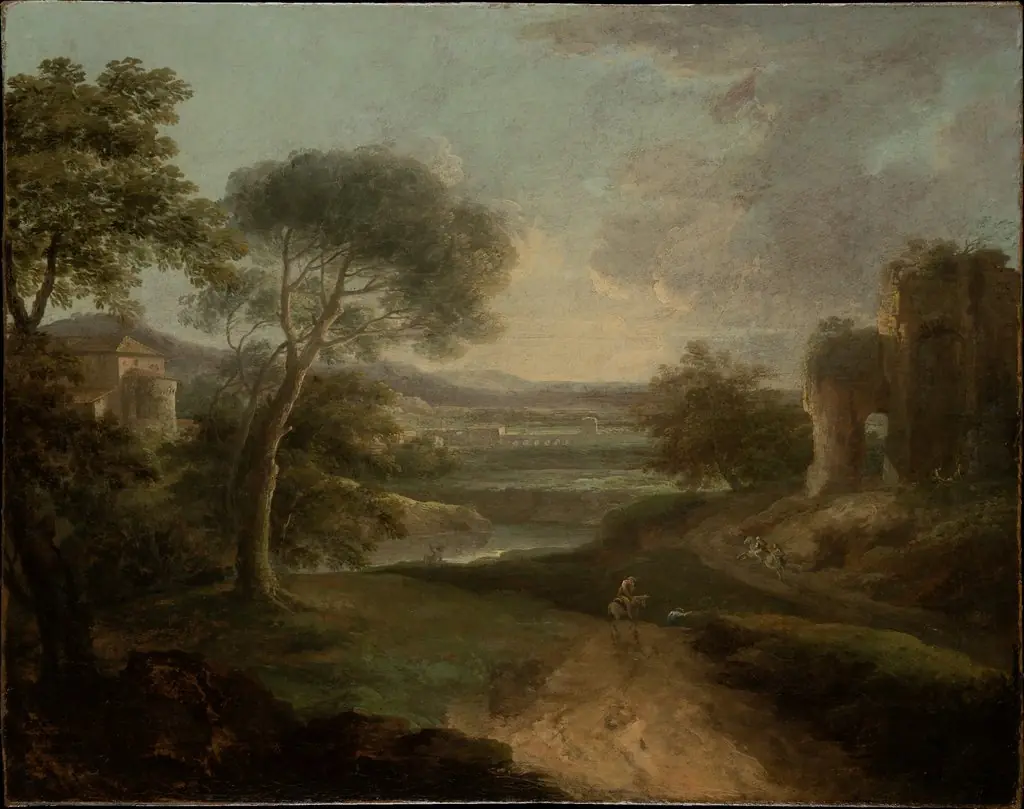
Landscape with tavern and Roman aqueduct is an oil painting by the Dutch Golden Age artist Pieter Spierinckx. It dates from 1601 and is held in the collection of the Museo del Prado.
About this work
Overview
Though rooted in Northern European traditions, the composition reflects an Italianate sensibility popular among collectors of the time.
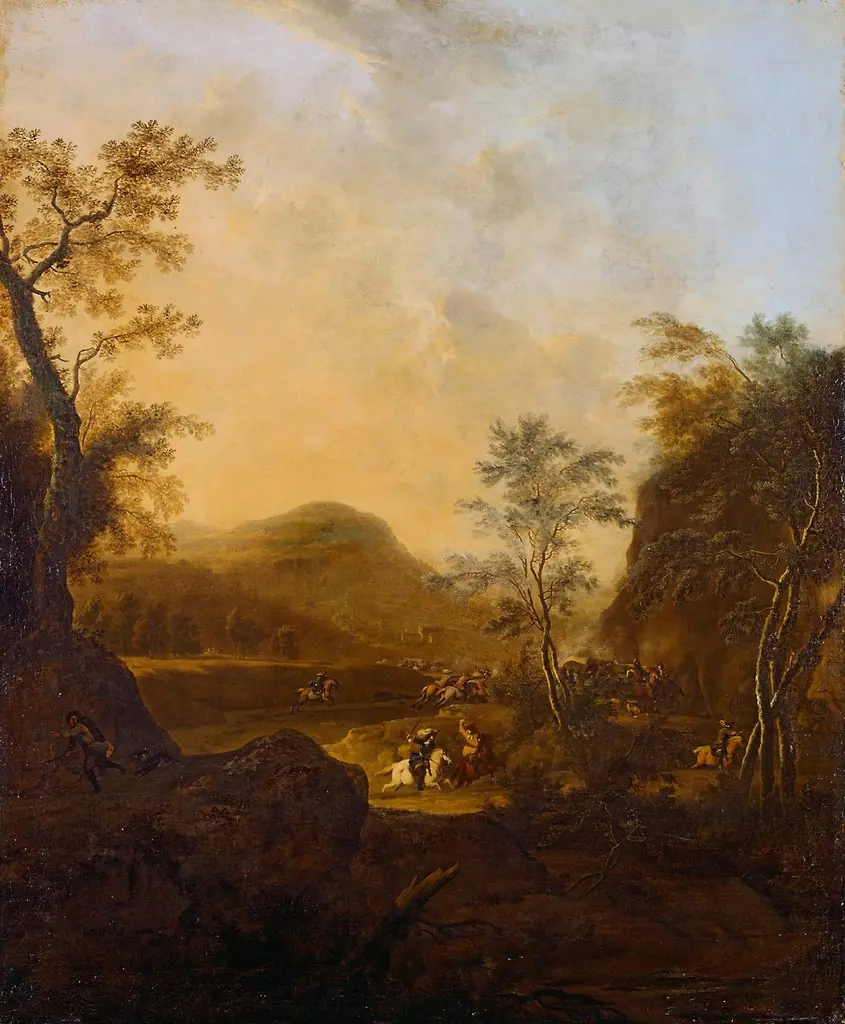
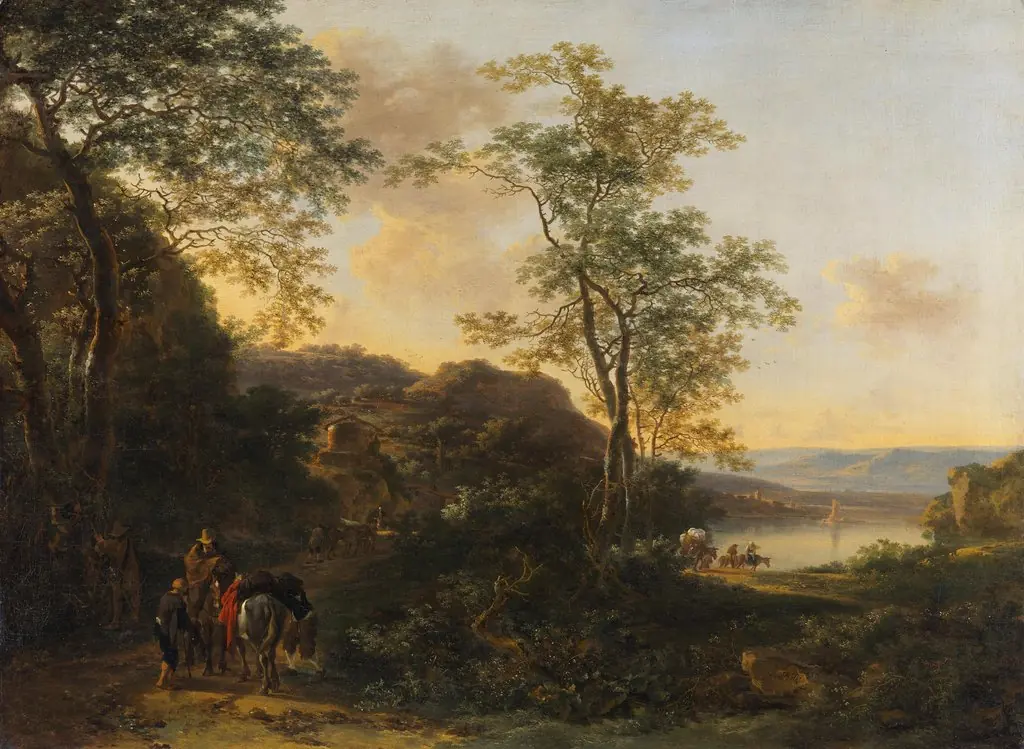
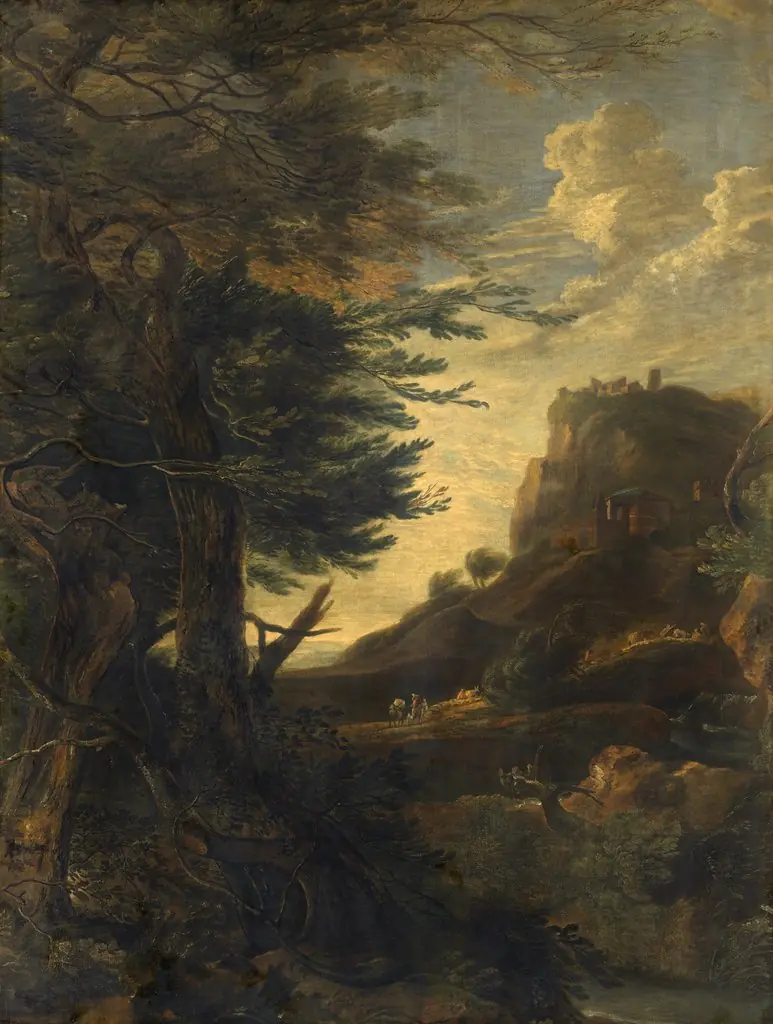
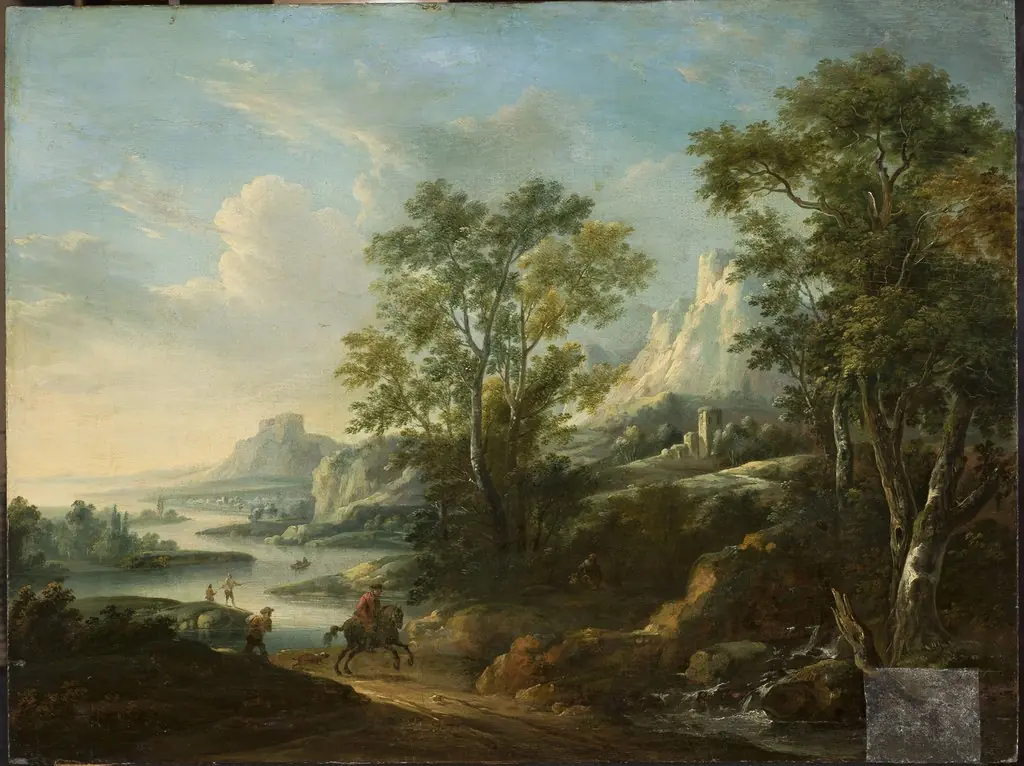
Painted in the early 17th century by Flemish artist Pieter Spierinckx, this oil-on-canvas landscape merges natural scenery with remnants of ancient Roman architecture. Though rooted in Northern European traditions, the composition reflects an Italianate sensibility popular among collectors of the time. The work is part of the Museo del Prado’s collection in Madrid, where it exemplifies a trend among Flemish painters to idealize classical ruins within pastoral settings.
Subject & Meaning
The scene depicts a quiet rural pathway leading past a modest tavern and a weathered Roman aqueduct, suggesting a passage between the present and the past. The inclusion of classical ruins evokes a sense of historical continuity, while the humble tavern grounds the image in everyday life. No overt narrative is present; instead, the painting invites contemplation of time, decay, and the quiet persistence of human habitation amid ancient structures.
Technique & Style
Spierinckx employed oil paint to build subtle tonal gradations, using chiaroscuro to model forms and suggest atmospheric depth. Light filters through a soft, pale sky, casting gentle shadows across rocks and foliage in the foreground. The contrast between warm earth tones and cooler stone hues enhances spatial recession. Brushwork remains restrained, favoring clarity over dramatic flourish, aligning with the restrained elegance favored by aristocratic patrons.
History & Provenance
Created around 1601, the painting entered the Spanish royal collection during the 17th century, likely acquired through diplomatic or artistic networks linking the Low Countries and the Iberian Peninsula. It remained in royal hands until the Prado’s formation in the early 19th century. Its presence in Madrid underscores the Habsburgs’ interest in Flemish landscape art as a symbol of cultivated taste and classical heritage.
Context
During the early 1600s, Flemish artists increasingly turned to Italianate landscapes as a means of appealing to elite audiences across Europe. Spierinckx’s work reflects this trend, combining local topographical observation with idealized Roman ruins—a formula popularized by artists like Paul Bril. These compositions served not as topographical records but as poetic meditations on antiquity’s endurance within contemporary landscapes.
Legacy
Though Spierinckx is less widely known than his contemporaries, this painting contributes to the broader understanding of how Northern painters adapted classical motifs for international patrons. Its preservation in the Prado highlights the cross-cultural exchange between Flanders and Spain during the Baroque era. The work remains a quiet example of how landscape painting could evoke historical memory without overt narrative or allegory.
Own this work as a print
Artist & collection
Artist
Pieter Spierincks or Pieter Nicolaes Spierinckx (30 August 1635, Antwerp – 30 August 1711, Antwerp or England) was a Flemish painter and designer of tapestries.