Artwork
The Twelve Months of the Year (Los doce meses del año)
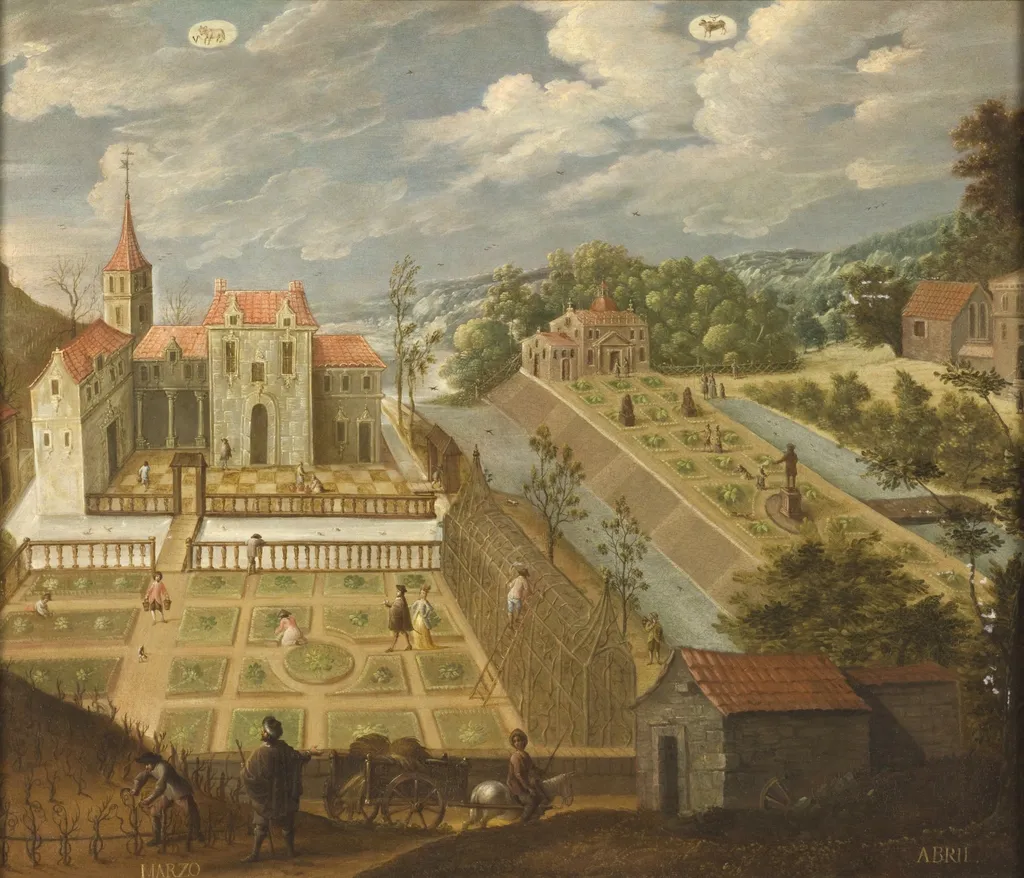
The Twelve Months of the Year (Los doce meses del año) is an unspecified painting by the Early Baroque Italian artist Antonio de Espinosa. It dates from 1650 and is held in the collection of the Los Angeles County Museum of Art.
About this work
Overview
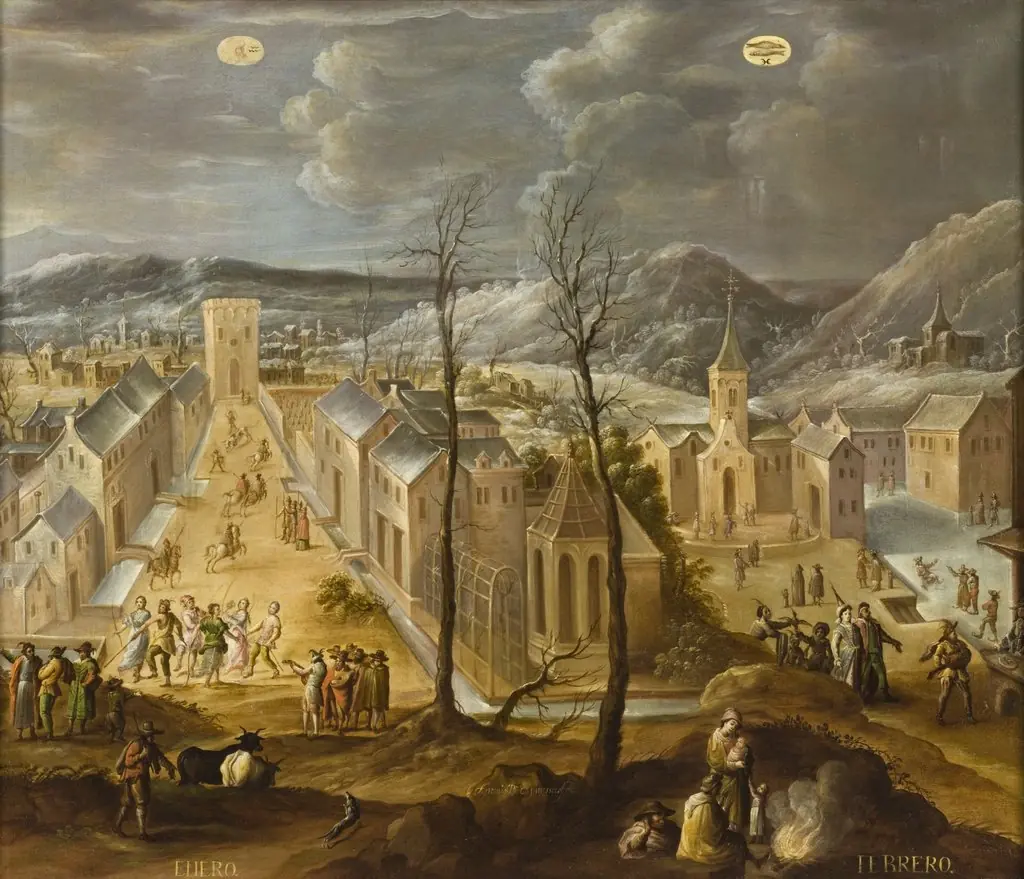
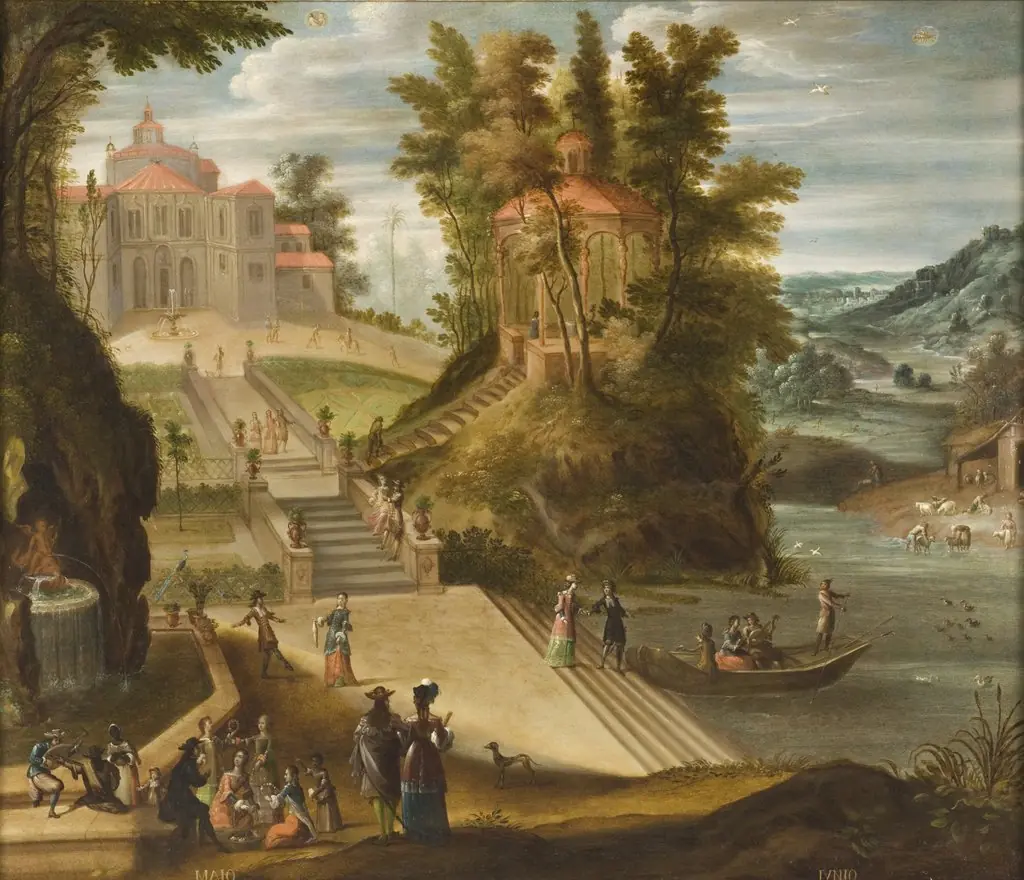
Attributed to Antonio de Espinosa and dated around 1650, this painting presents a continuous seasonal narrative within a single landscape.
Attributed to Antonio de Espinosa and dated around 1650, this painting presents a continuous seasonal narrative within a single landscape. It integrates the cyclical rhythms of rural life across the twelve months, visualized through shifting activities and natural conditions in a cultivated garden and surrounding countryside. The work is part of the collection at the Los Angeles County Museum of Art.
Subject & Meaning
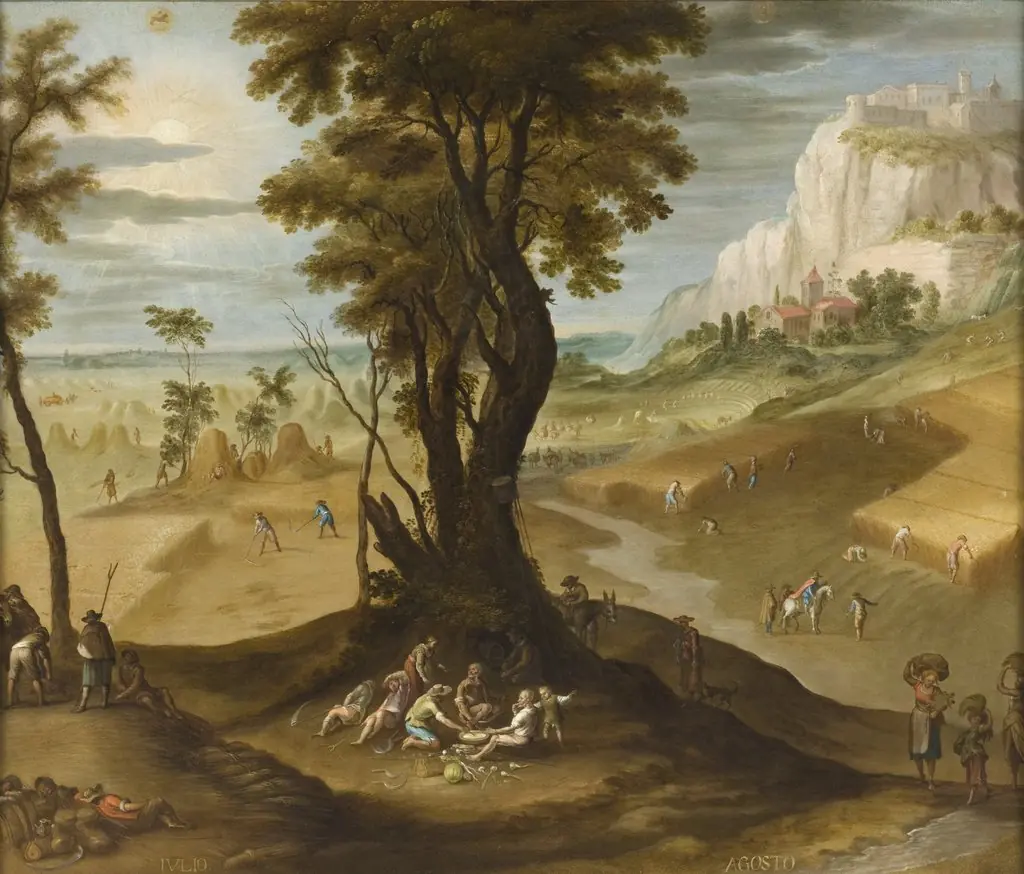
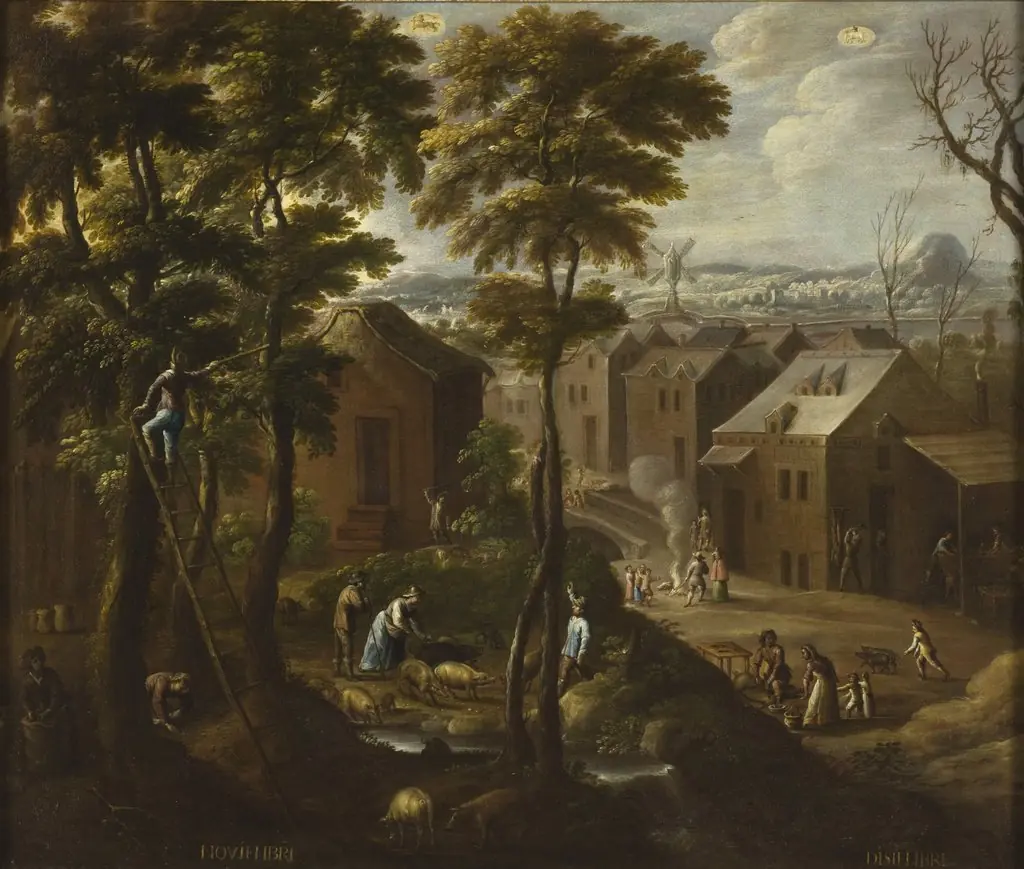
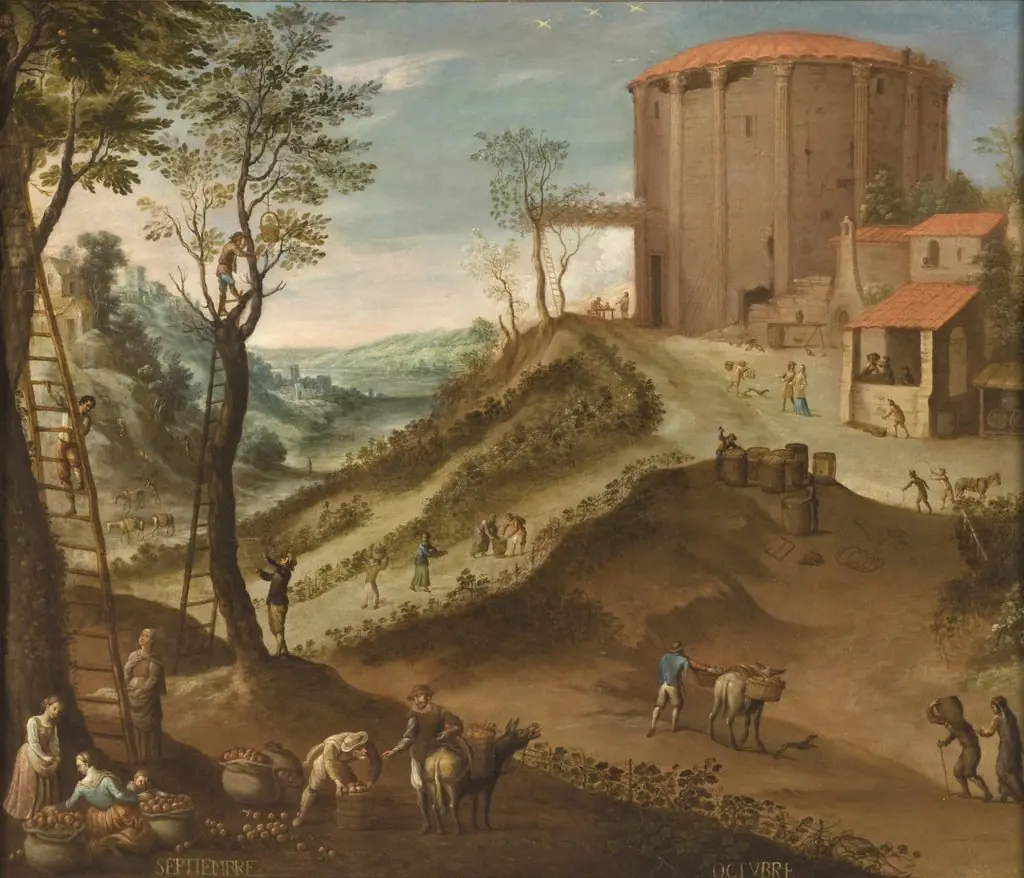
The painting illustrates agricultural and domestic tasks aligned with each season, from spring blossoms to autumn harvests and winter stillness. Figures are shown tending crops, pruning vines, and gathering produce, reflecting a calendar-like structure rooted in pre-modern European agrarian life. The house and tower suggest a landed estate, reinforcing themes of order, labor, and seasonal harmony.
Technique & Style
Rendered with meticulous detail, the work employs vibrant pigments to distinguish seasonal changes in foliage, clothing, and light. The composition layers foreground activity with distant hills and trees, creating depth without perspective distortion. Figures are small but clearly engaged in specific tasks, emphasizing narrative clarity over individual expression.
History & Provenance
The painting’s early history is undocumented, but its style aligns with Spanish genre painting of the mid-seventeenth century. It entered the Los Angeles County Museum of Art’s collection in the twentieth century, likely through a private acquisition. No records of its original commission or ownership prior to modern times have been established.
Context
Produced during Spain’s Golden Age, the painting reflects a broader European tradition of calendar imagery, often used in manuscripts or decorative cycles. Unlike religious or mythological subjects, it elevates everyday rural labor as worthy of artistic representation, resonating with contemporary interest in natural cycles and domestic economy.
Legacy
Though not widely known outside institutional circles, the work contributes to the understanding of Spanish secular painting’s engagement with time and labor. It stands as a rare surviving example of a seasonal cycle in Spanish easel painting, offering insight into how ordinary life was visually codified in the early modern period.
Own this work as a print
Artist & collection
Artist
Antonio de Espinosa painted large folding screens in 17th-century New Spain, a time when Mexico was still part of Spain’s colonial world.

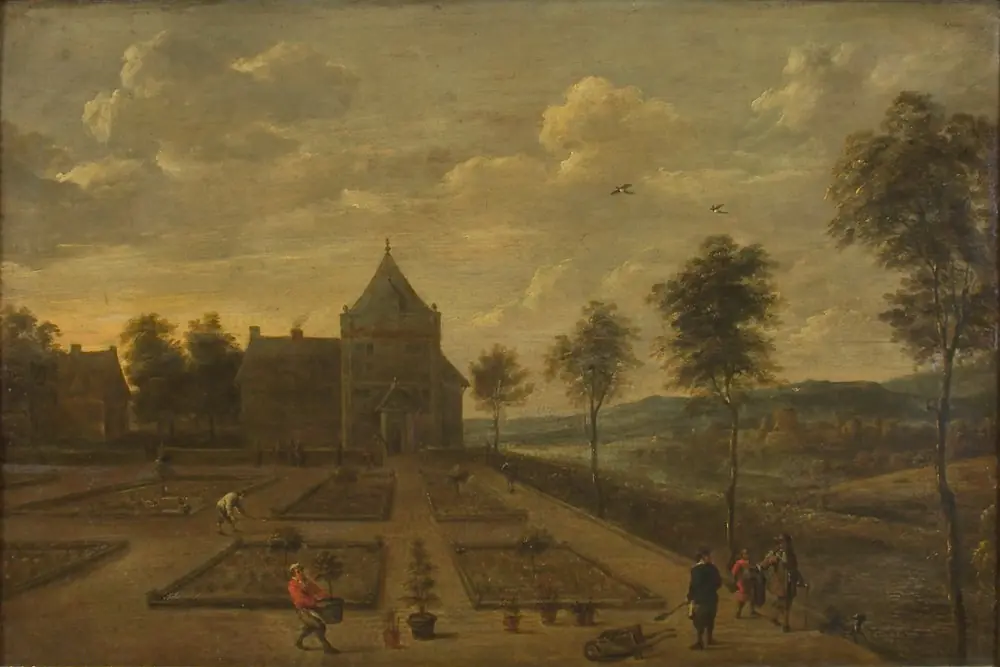 A Garden in front of a Country Seat
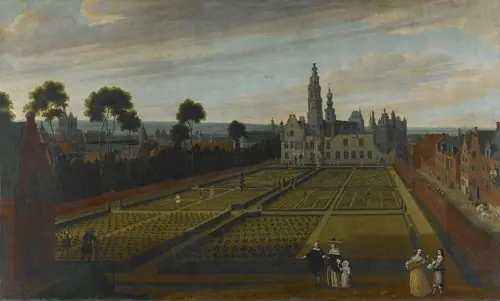 The Hotel de Nassau in Brussels.
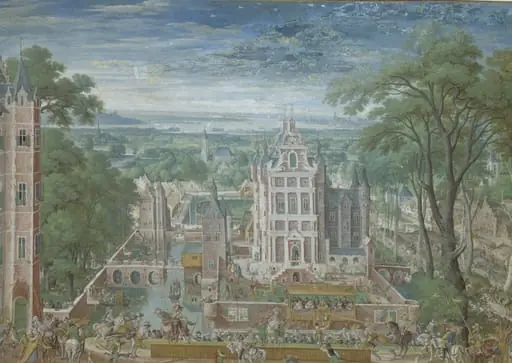 Tournament outside a Castle
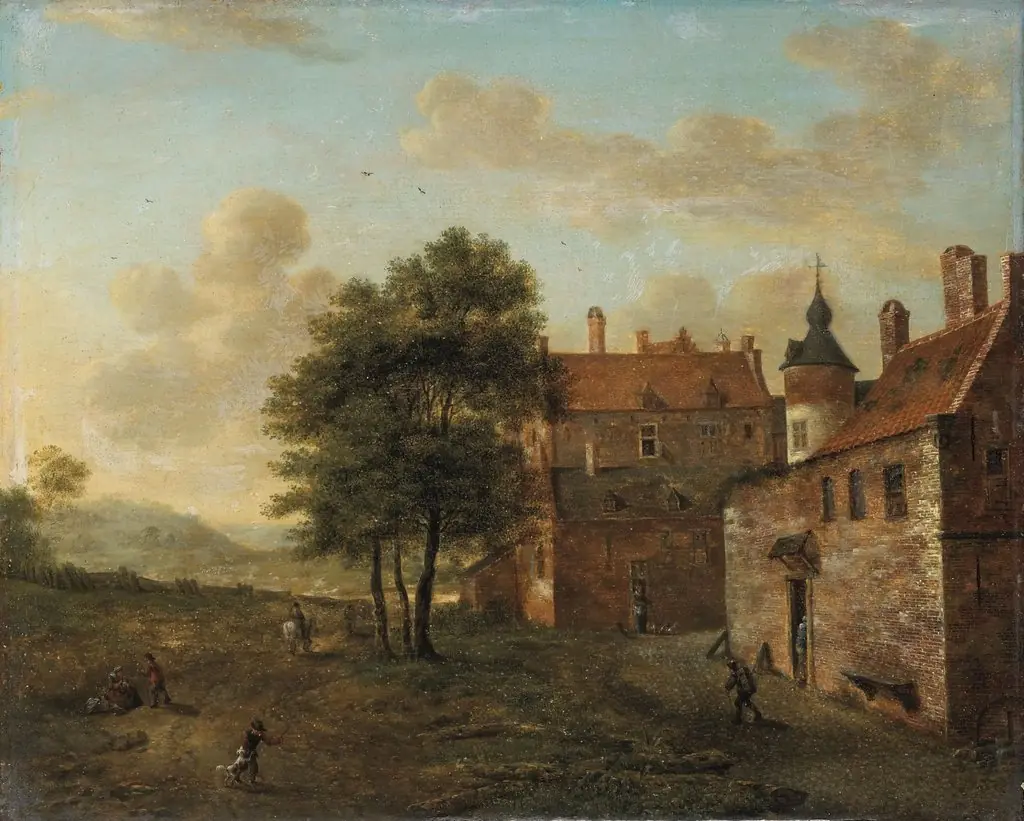 A country home
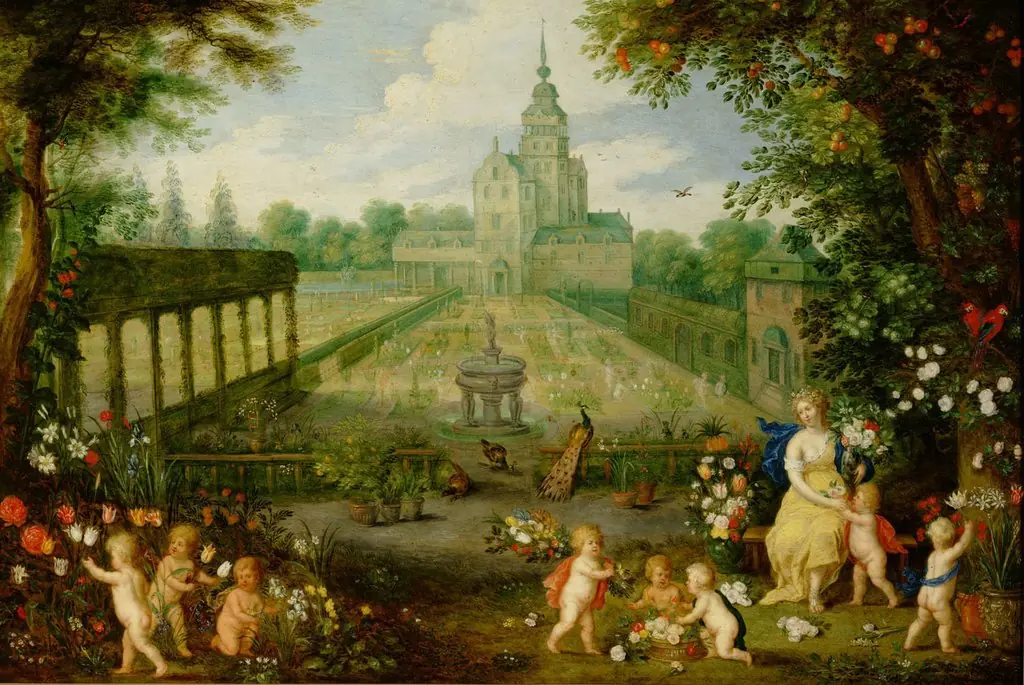 Flora in the Garden
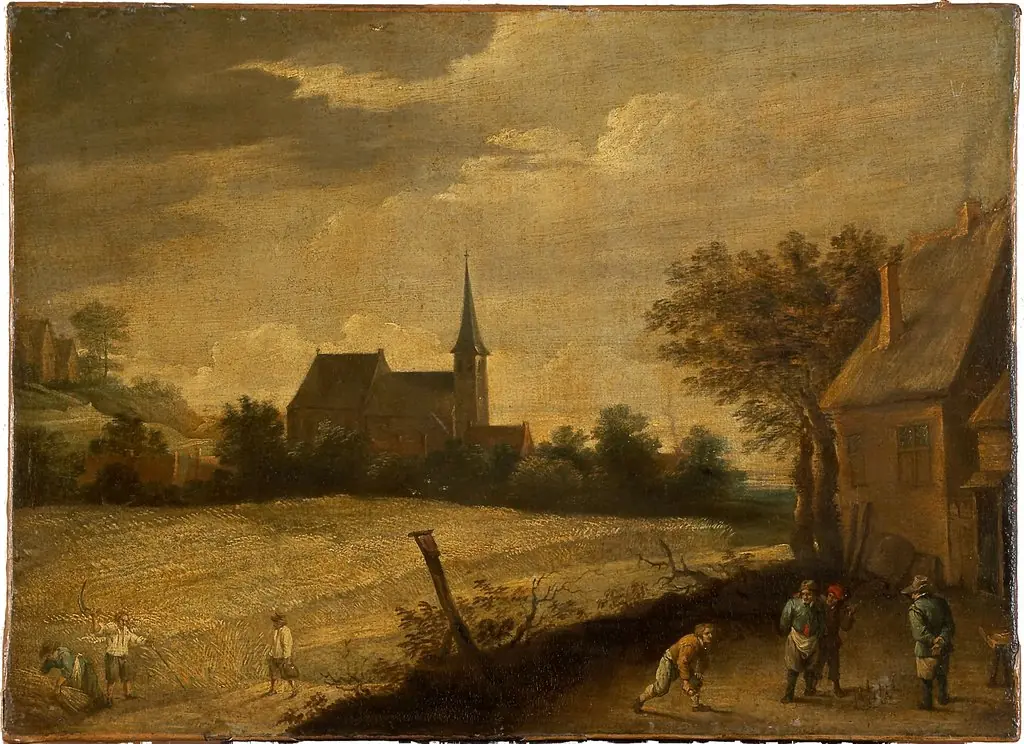 Landscape with Peasants Mowing and Bowling
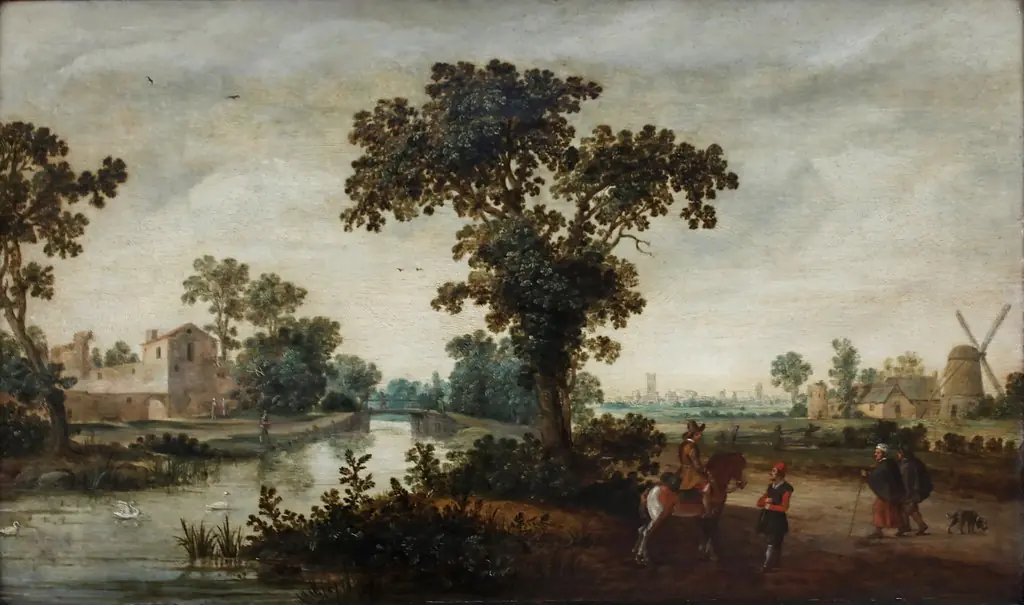 River landscape
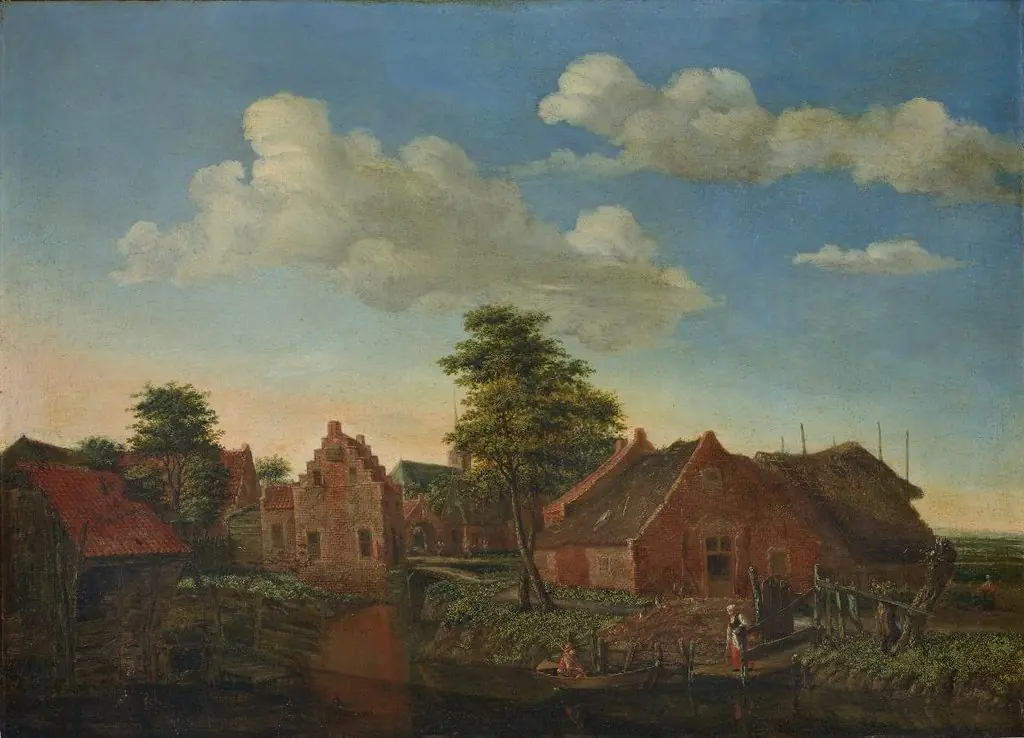 Holländisches Dorf am Wasser
 Panoramic View of Antwerp from the East
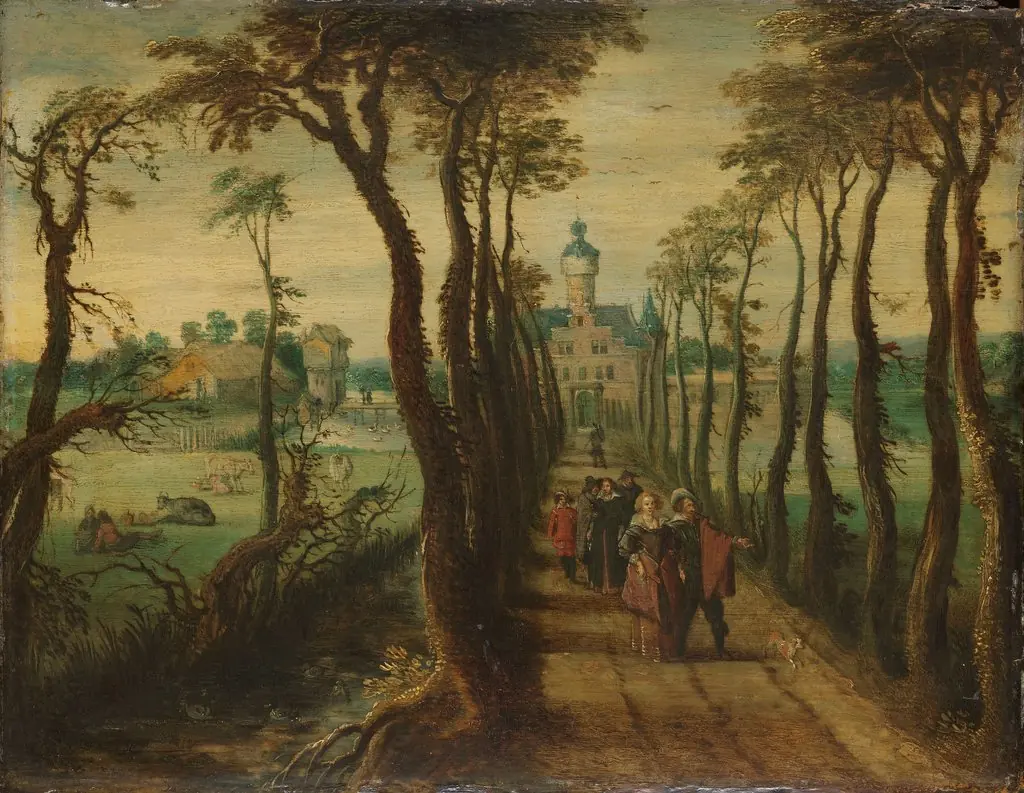 Avenue of trees
 View of the Abbey of Egmond-Binnen