Artwork
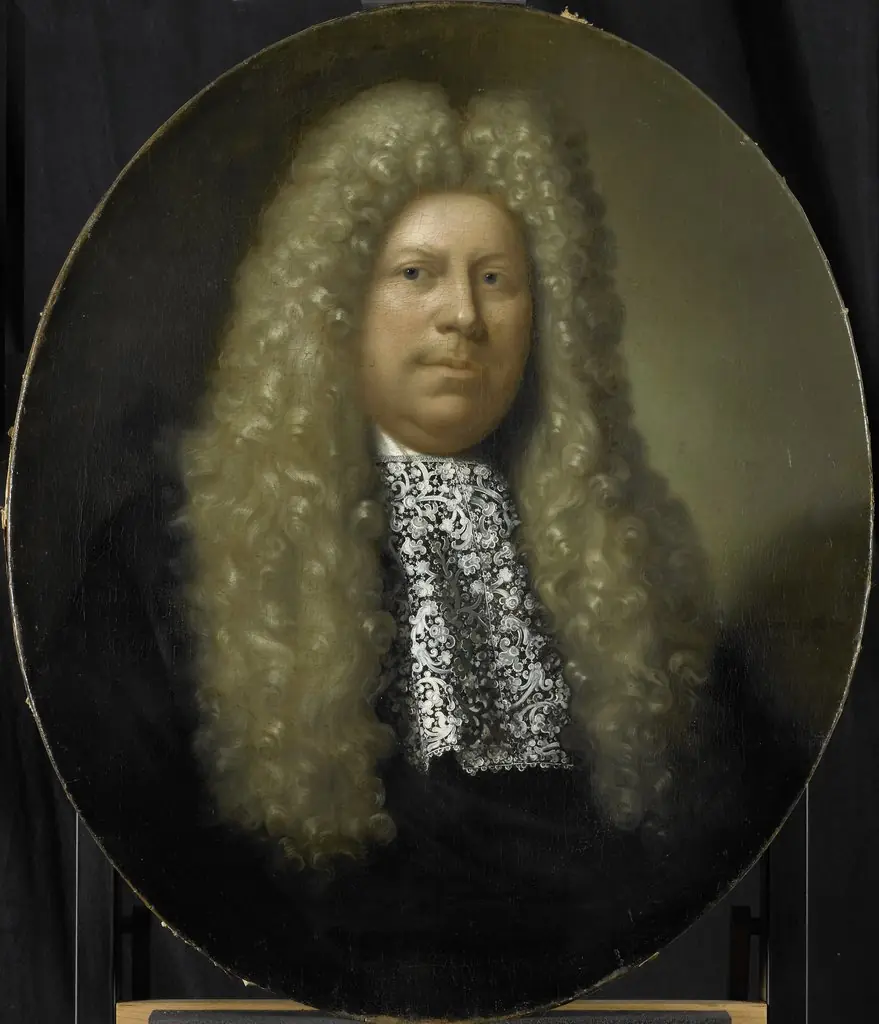
Portrait of Cornelis van Couwenhove, Director of the Rotterdam Chamber of the Dutch East India Company, elected 1667
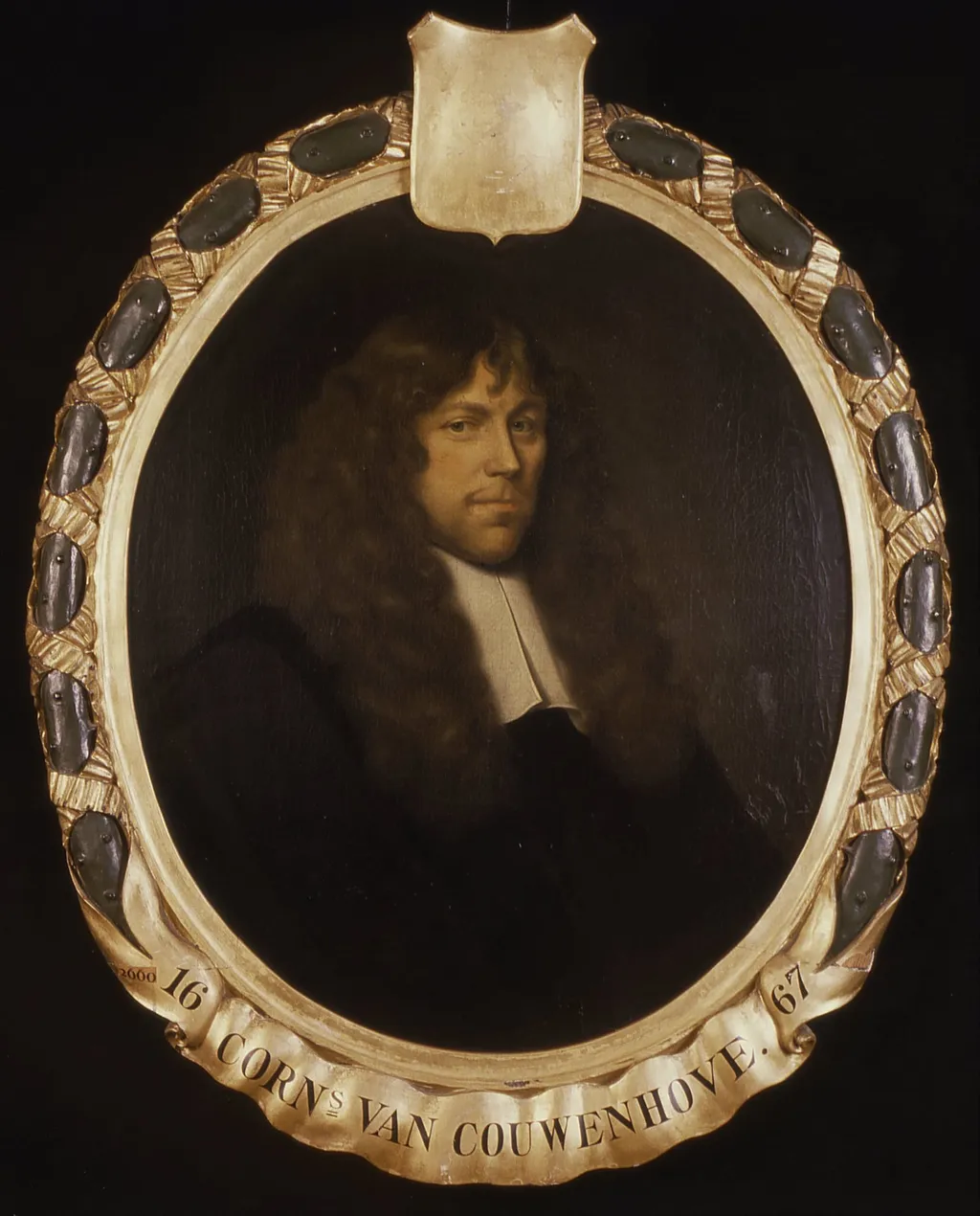
Portrait of Cornelis van Couwenhove, Director of the Rotterdam Chamber of the Dutch East India Company, elected 1667 is an unspecified painting by the Dutch Golden Age artist Pieter van der Werff. It dates from 1708 and is held in the collection of the Rijksmuseum.
About this work
Overview
A formal bust-length portrait depicts Cornelis van Couwenhove, director of the Rotterdam chamber of the Dutch East India Company, elected in 1667.
A formal bust-length portrait depicts Cornelis van Couwenhove, director of the Rotterdam chamber of the Dutch East India Company, elected in 1667. Painted in the late 17th century, it was one of many commissioned for display in the company’s administrative headquarters. The composition is restrained, focusing on the sitter’s presence without embellishment, consistent with institutional portraiture of the period.
Subject & Meaning
Van Couwenhove is portrayed with a direct gaze and composed demeanor, reflecting his role as a corporate leader. His dark coat and crisp white collar signal professional authority, while the curled wig aligns with contemporary elite fashion. The portrait functions not as personal expression but as an official record, affirming his position within the company’s hierarchy and the broader structure of Dutch mercantile power.
Technique & Style
The painting employs a muted palette and even lighting to emphasize the sitter’s facial features and attire. Background is neutral, eliminating distraction and reinforcing the portrait’s documentary purpose. Brushwork is precise but unadorned, avoiding theatricality. This approach was standard for corporate commissions, prioritizing clarity and dignity over artistic flourish.
History & Provenance
Created for the Nieuw Oost-Indisch Huis in Rotterdam, completed in 1698, the portrait belonged to a series documenting each director of the Rotterdam chamber. These works were displayed together to legitimize institutional continuity. The full collection is now held by the Rijksmuseum, where it remains a key visual archive of the Dutch East India Company’s administrative elite.
Context
During the late 1600s, Dutch trading companies maintained strict visual records of their leadership to reinforce organizational identity. Portraits like this one were not private memorials but public instruments of corporate memory. Their uniform style across dozens of sitters underscored collective authority, aligning individual roles with the company’s enduring structure.
Legacy
The portrait series endures as a historical record of mercantile governance in the Dutch Golden Age. Though the artist remains unidentified, the consistency of style and purpose across the collection reveals a deliberate institutional aesthetic. Today, these works offer insight into how power was visually codified in early modern commercial institutions.
Artist & collection
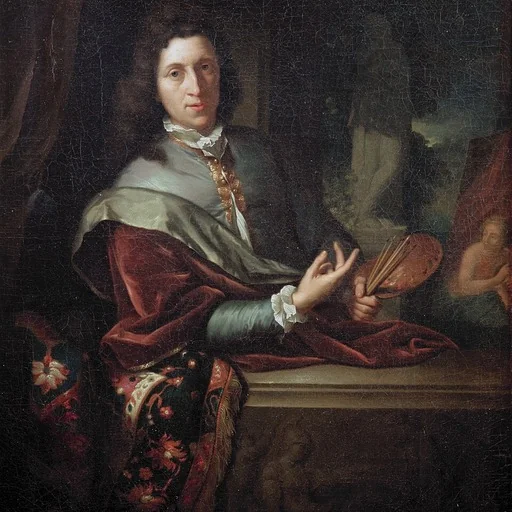
Artist
Pieter van der Werff (1665 – 26 September 1722) was a Dutch Golden Age painter. He assisted his older brother, Adriaen van der Werff.

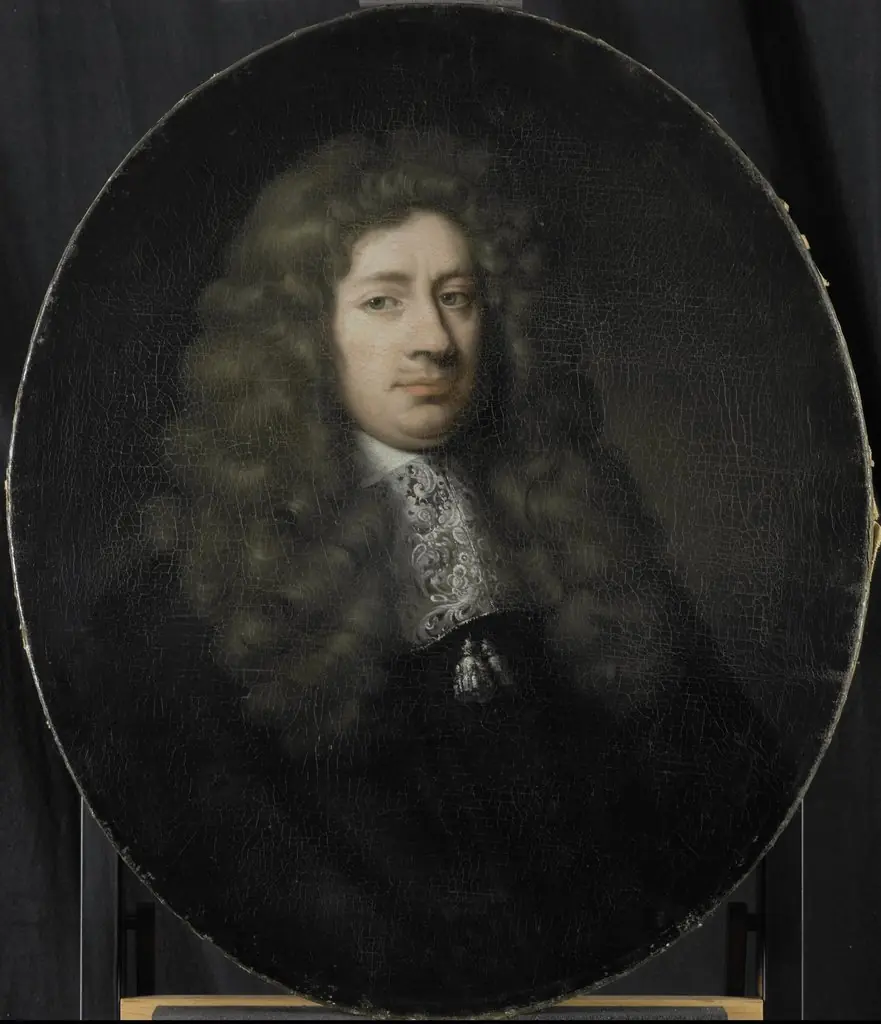 Portrait of Dominicus Rosmale, Director of the Rotterdam Chamber of the Dutch East India Company, elected 1677
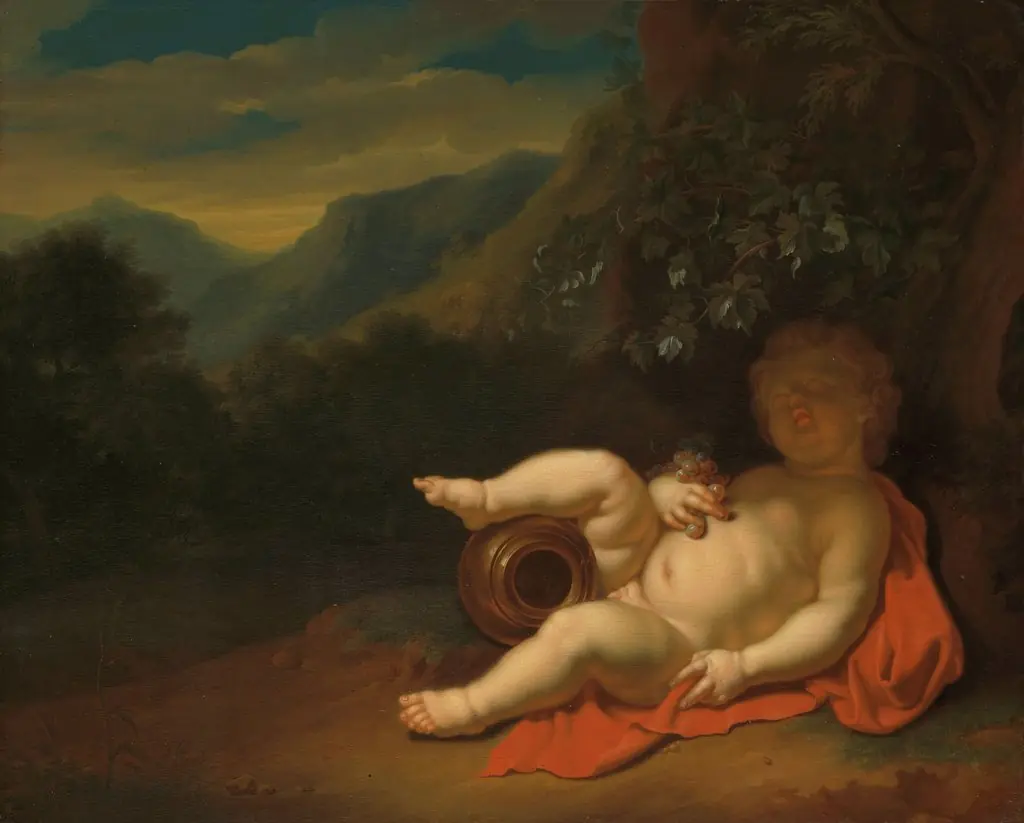 The Infant Bacchus
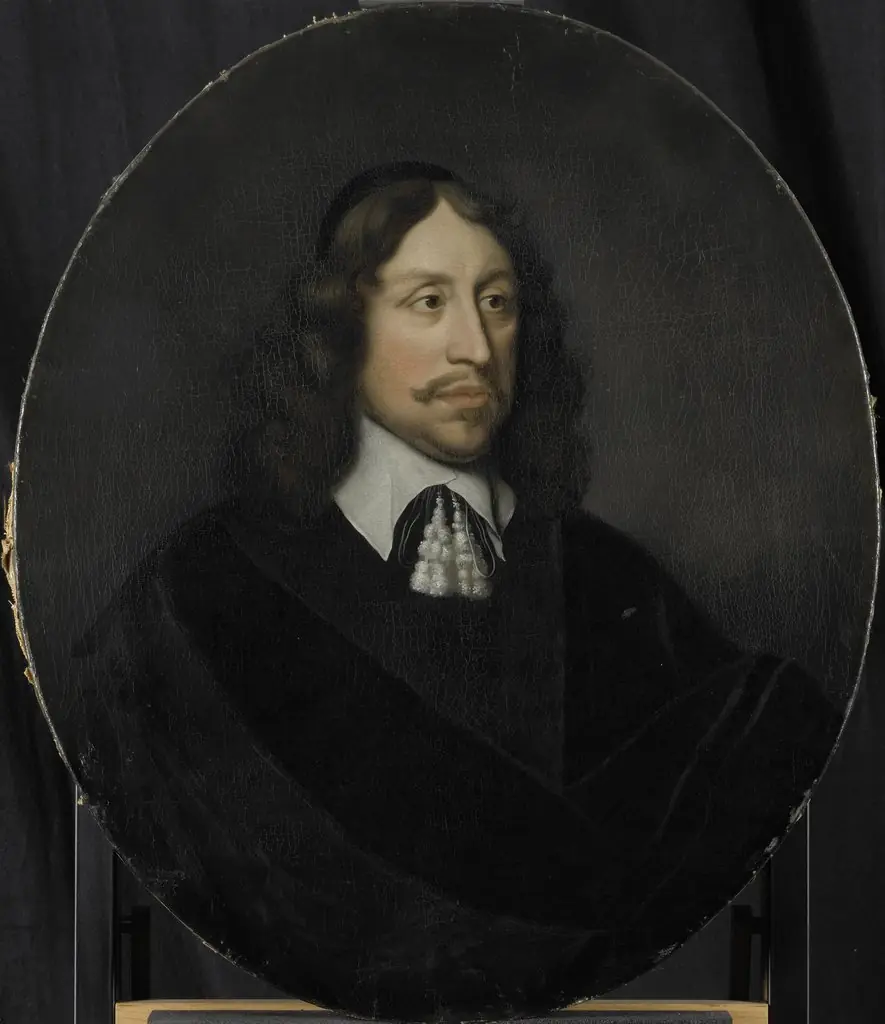 Portrait of Johan de Vries, Director of the Rotterdam Chamber of the Dutch East India Company, elected 1667
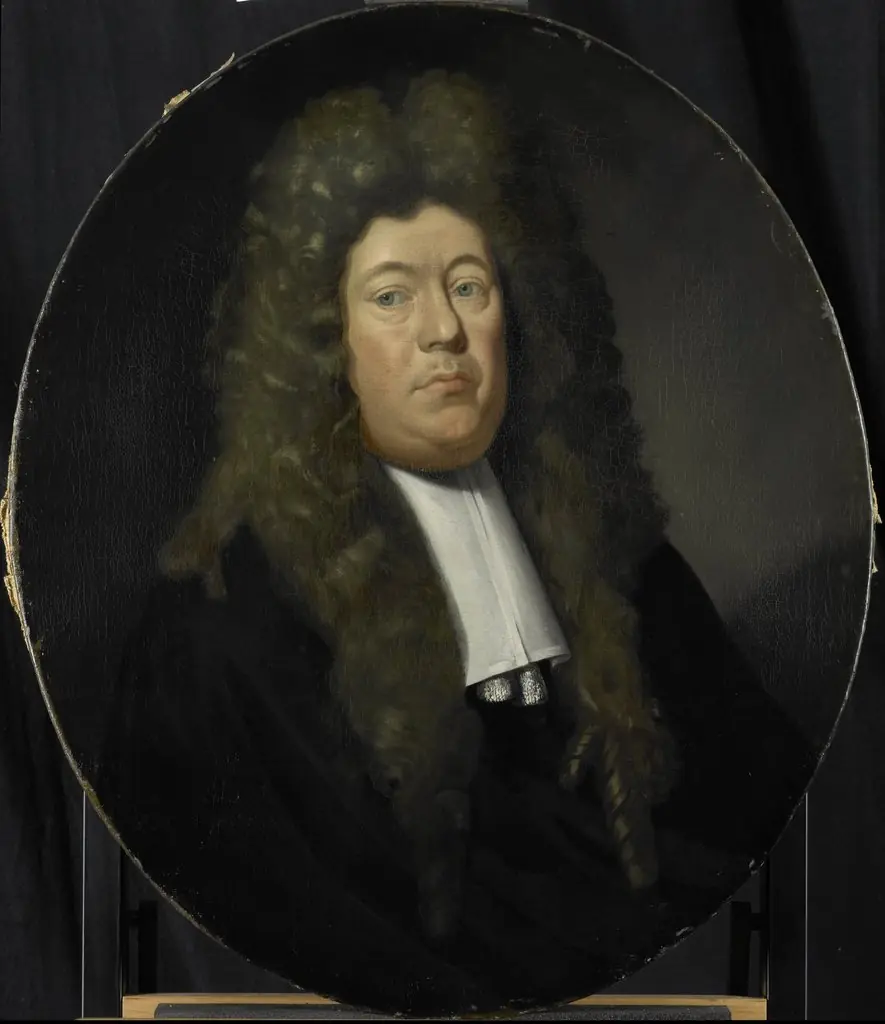 Portrait of Adriaen Paets, Director of the Rotterdam Chamber of the Dutch East India Company, elected 1668
 Saint Jerome
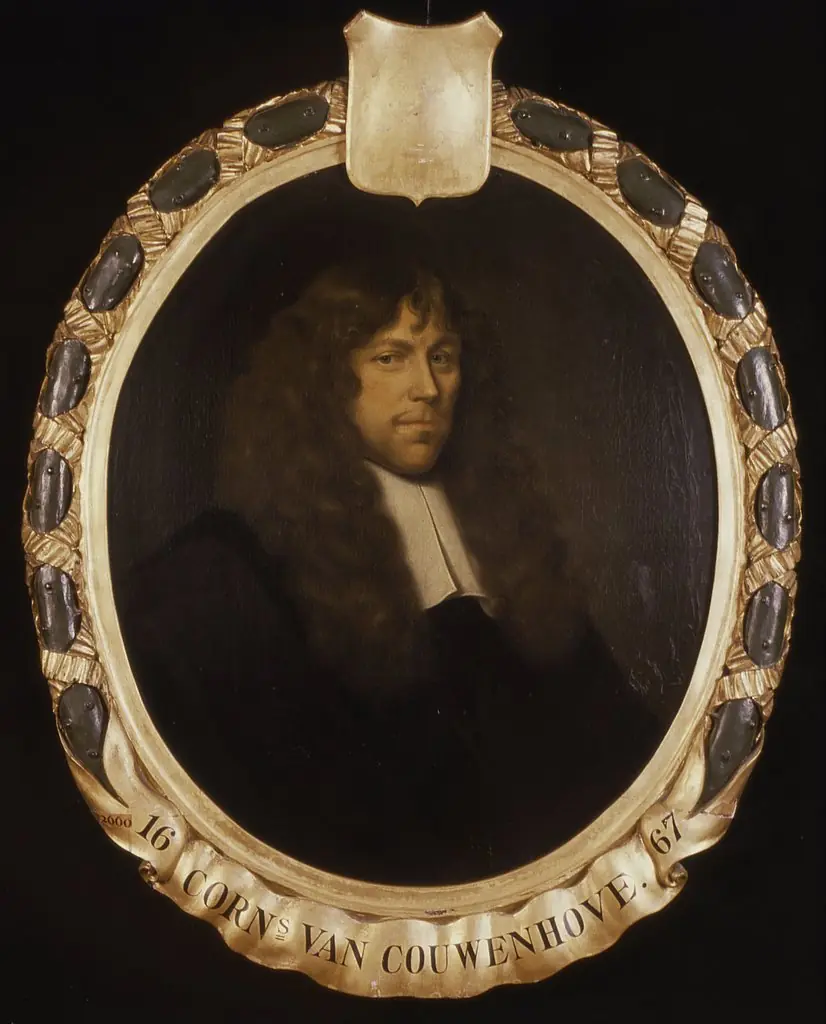 Portrait of Cornelis van Couwenhove, Director of the Rotterdam Chamber of the Dutch East India Company, elected 1667
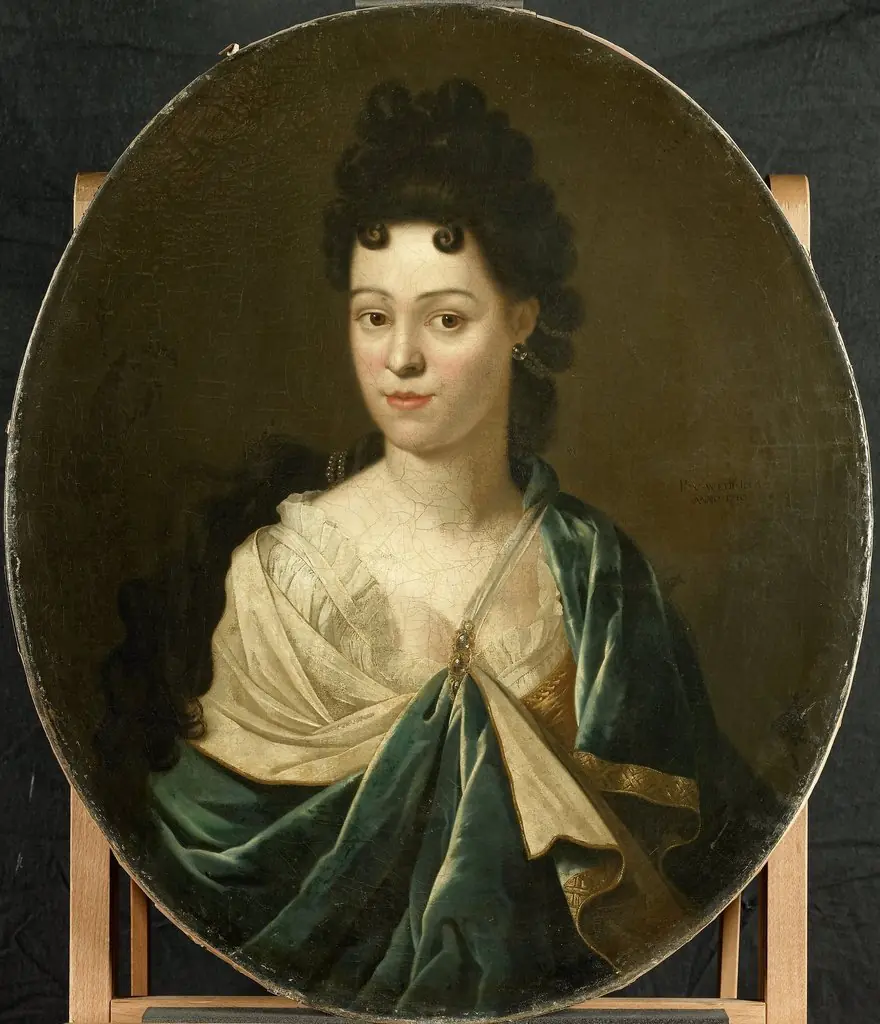 Portrait of Mrs. Brust-Batailhy
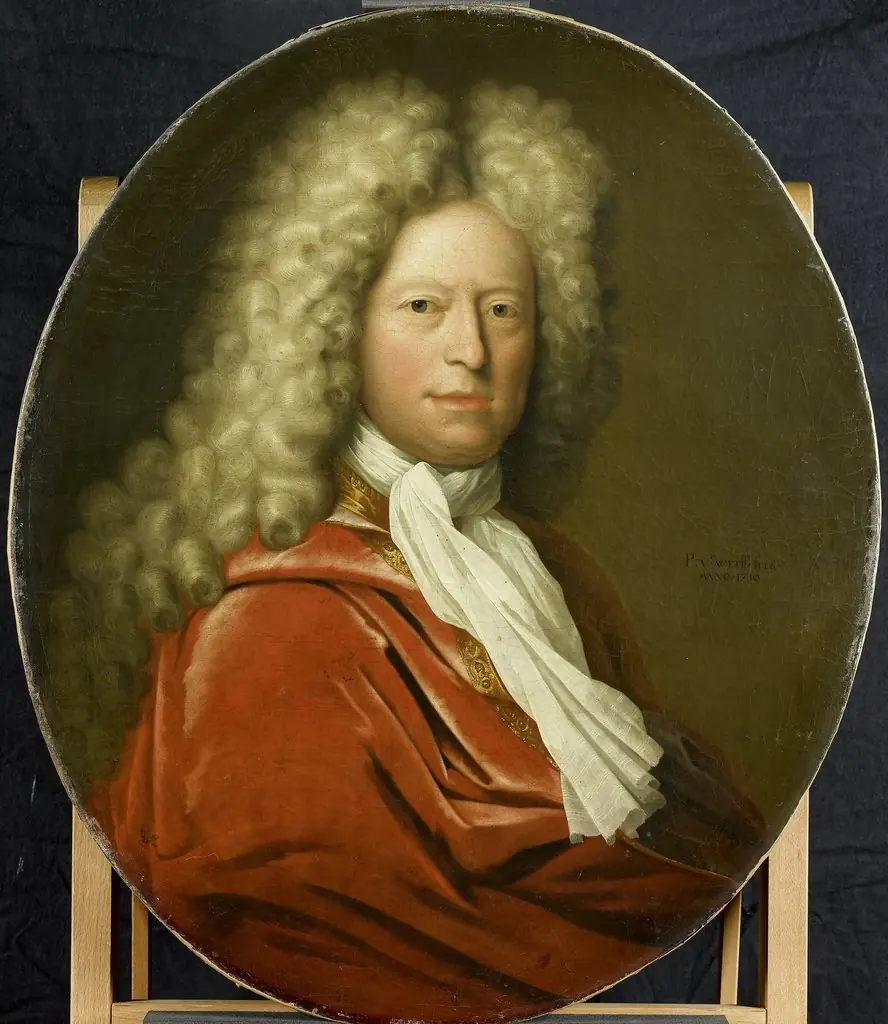 Portrait of Mr. Brust
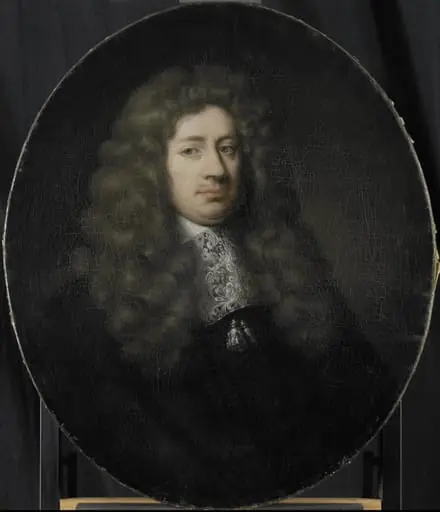 Portrait of Dominicus Rosmale, Director of the Rotterdam Chamber of the Dutch East India Company, elected 1677
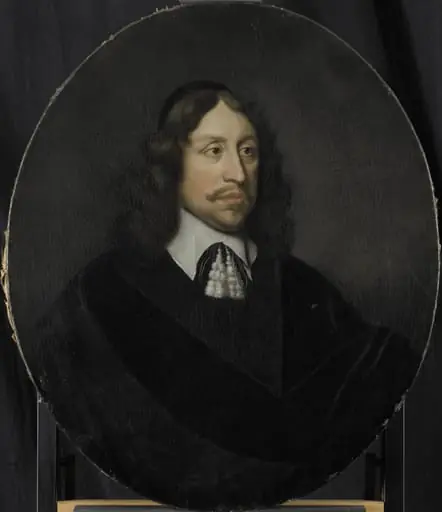 Portrait of Johan de Vries, Director of the Rotterdam Chamber of the Dutch East India Company, elected 1667
 Portrait of Jacob Dane, Director of the Rotterdam Chamber of the Dutch East India Company, elected 1689