Artwork
Saint Herculanus and Saint James the Great
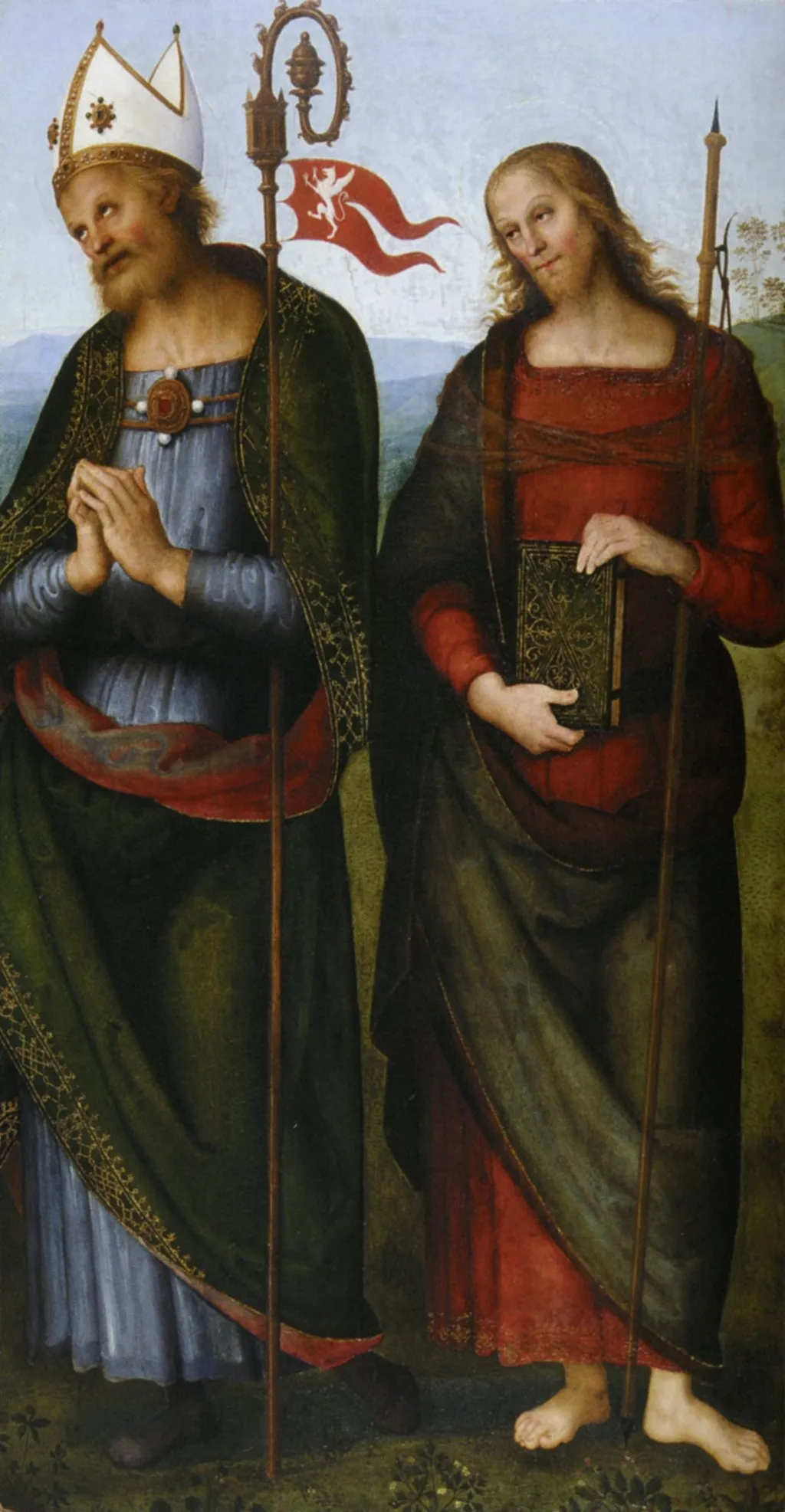
Saint Herculanus and Saint James the Great is a wood painting by the High Renaissance artist Pietro Perugino. It dates from 1450 and is held in the collection of the Museum of Fine Arts of Lyon.
About this work
Overview
It is held in the collection of the Museum of Fine Arts of Lyon, where it remains a quiet example of Perugino’s devotional portraiture.
Painted around 1490, this wooden panel by Pietro Perugino portrays two Christian saints in quiet repose. Executed in tempera, the work reflects the calm compositional balance characteristic of Umbrian Renaissance art. Though dated in some sources to the mid-15th century, scholarly consensus places it closer to the turn of the century. It is held in the collection of the Museum of Fine Arts of Lyon, where it remains a quiet example of Perugino’s devotional portraiture.
Subject & Meaning
The figures are Saint Herculanus, bishop of Perugia, and Saint James the Great, one of Christ’s apostles. Herculanus is identified by his episcopal hat and clasped hands, signifying humility and pastoral duty. James, holding a book and pilgrim’s staff, represents missionary zeal and divine authority. Their side-by-side presence suggests a liturgical pairing, possibly intended for private devotion or an altar setting, emphasizing spiritual leadership and scriptural fidelity.
Technique & Style
Perugino employed tempera on wood, building forms with soft, even brushwork and muted tonal transitions. The figures are rendered with gentle modeling, their robes folded in orderly, rhythmic lines that avoid dramatic chiaroscuro. The landscape background, with its hazy hills and pale sky, extends the sense of stillness. The palette—soft greens, blues, and reds—is restrained, reinforcing the contemplative mood without ornamental excess.
History & Provenance
The panel entered the Museum of Fine Arts of Lyon’s collection in the 19th century, though its earlier history remains undocumented. It likely originated in a religious context in Umbria, possibly commissioned for a chapel or monastic setting. No records of its original placement survive, but its size and subject suggest it was part of a larger altarpiece or devotional ensemble, later separated and preserved as a standalone work.
Context
Perugino worked during a period when Umbrian painters emphasized harmony, clarity, and spiritual serenity over theatricality. His style, influenced by Fra Angelico and later shaping Raphael’s approach, favored balanced compositions and idealized figures. This painting aligns with contemporary religious panels in central Italy, where saints were depicted not as dramatic heroes but as serene intermediaries between the divine and the faithful.
Legacy
Though less celebrated than Perugino’s larger altarpieces, this work exemplifies his ability to convey sacred presence through quiet dignity. Its influence is visible in the devotional portraits of his pupils and contemporaries, who adopted his compositional restraint. The painting endures as a testament to the Umbrian school’s contribution to Renaissance spirituality—subtle, enduring, and grounded in calm authority.
Artist & collection
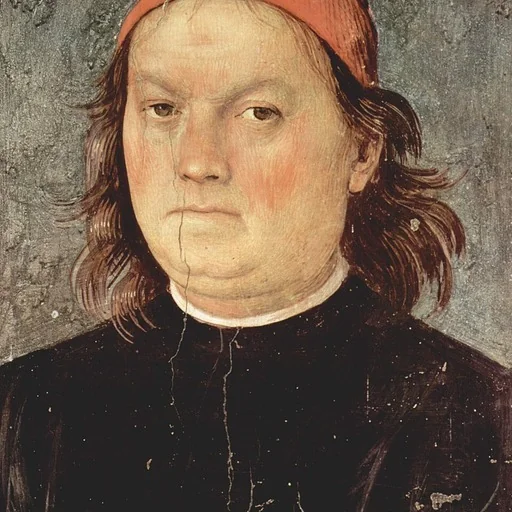
Artist
Pietro Perugino (US: PERR-ə-JEE-noh, -oo-; Italian: ; born Pietro Vannucci or Pietro Vanucci; c.

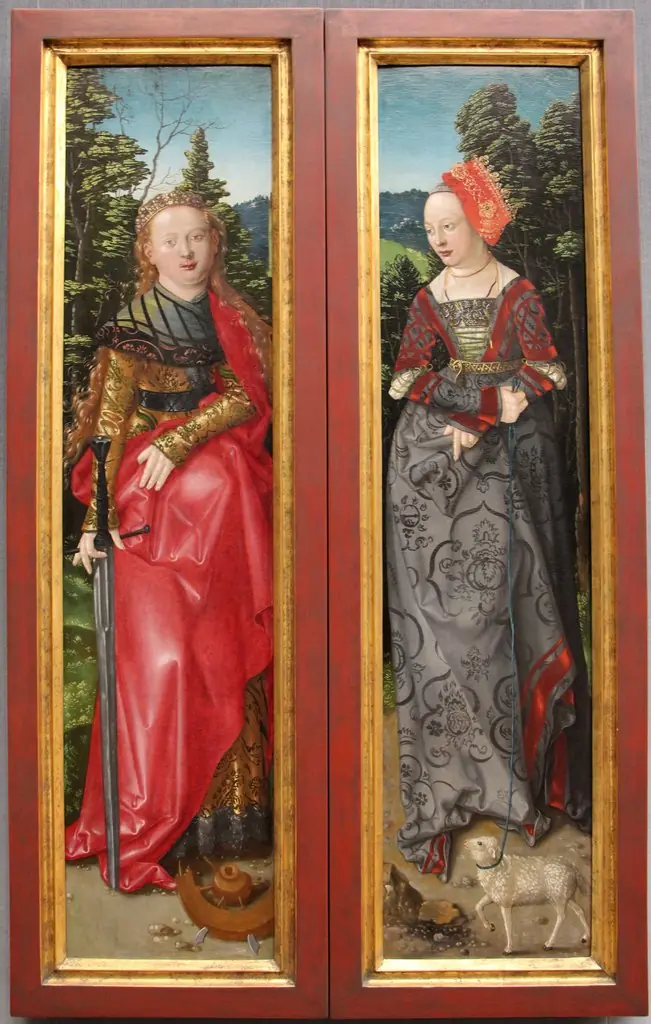 Der Dreikönigsaltar Außentafeln: Die Heiligen Katharina und Agnes
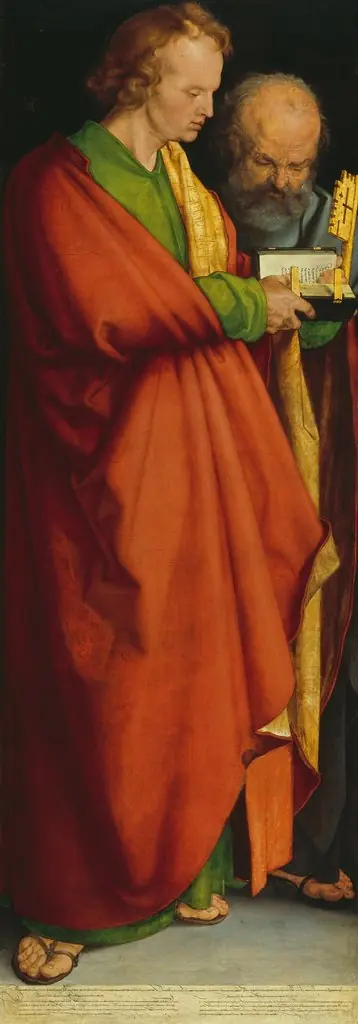 The Four Apostles: Saints John and Peter
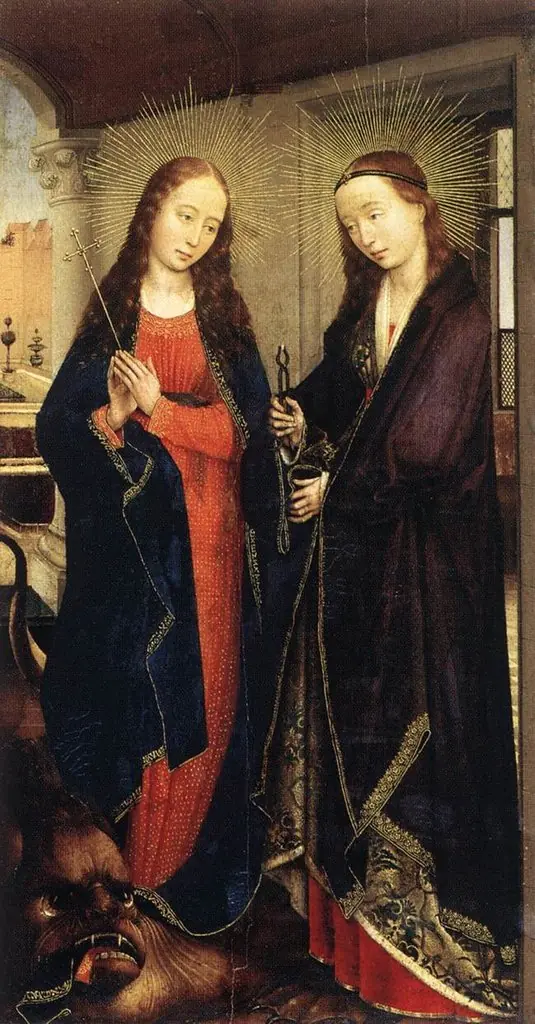 Saint Margaret and Saint Apollonia
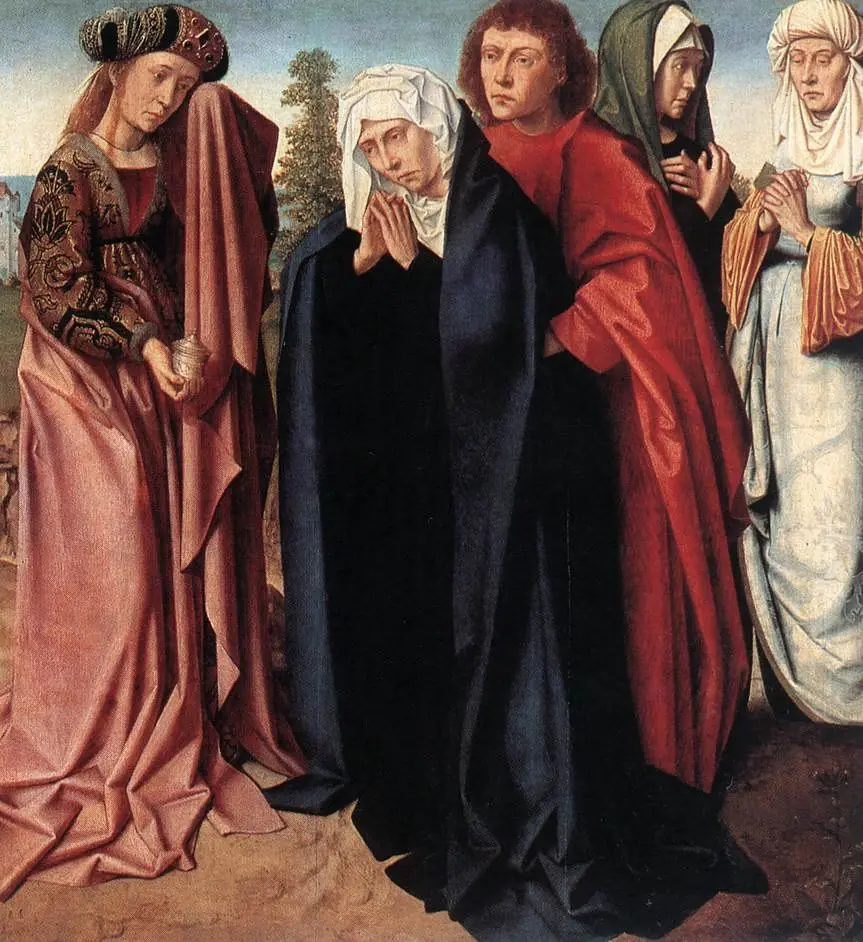 The Holy Women and Saint John at Golgotha
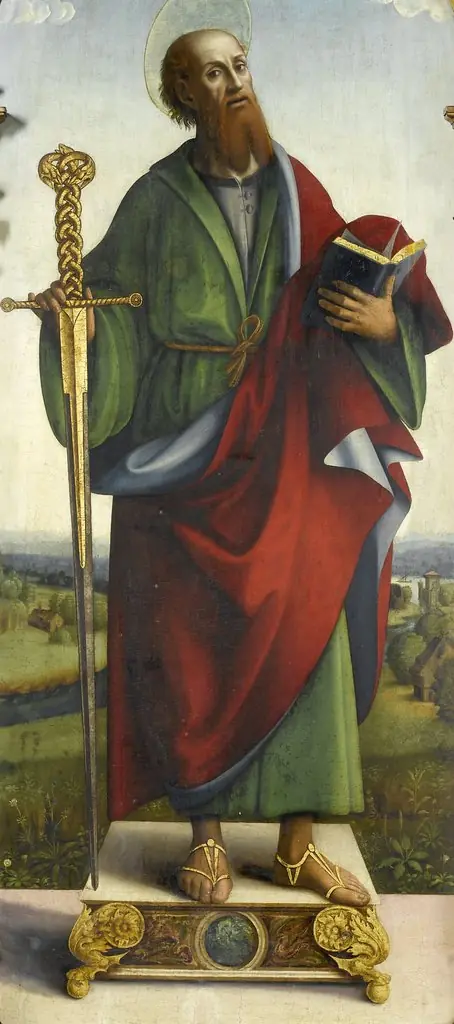 Saint Paul
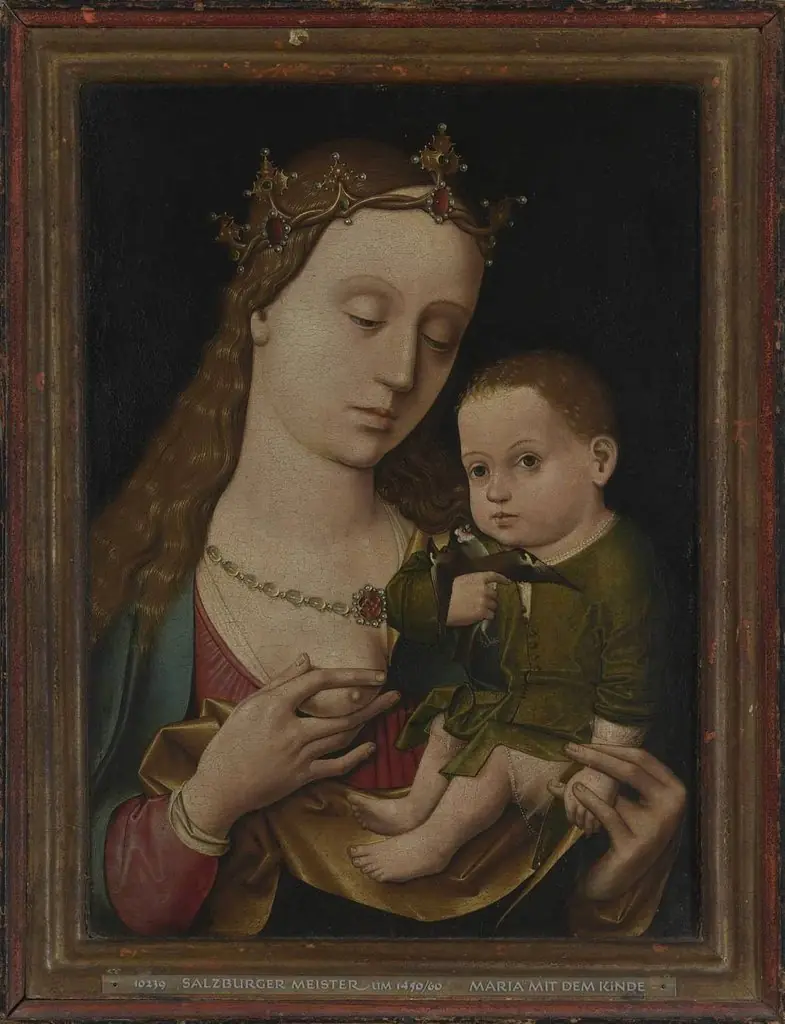 Maria mit Kind
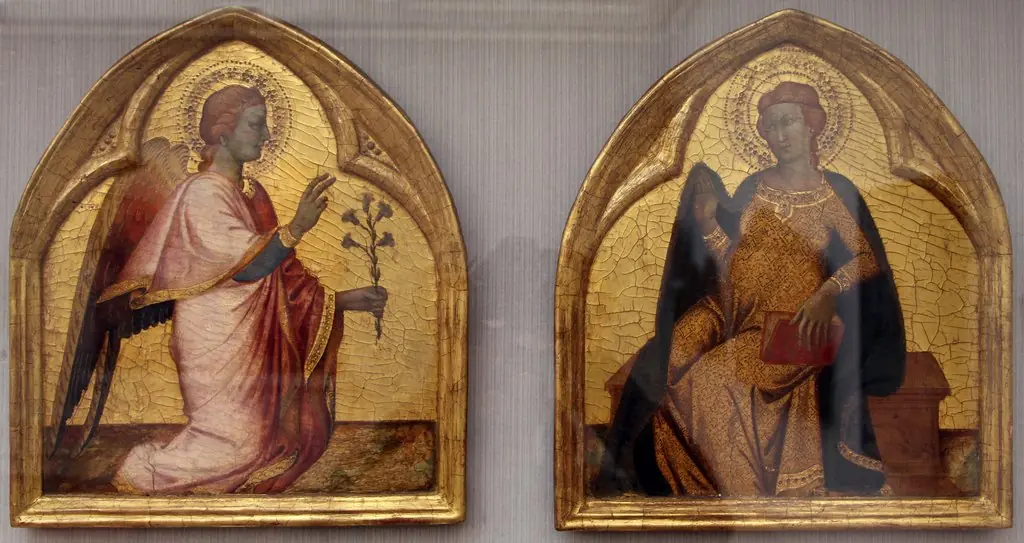 Angel of the Annunciation
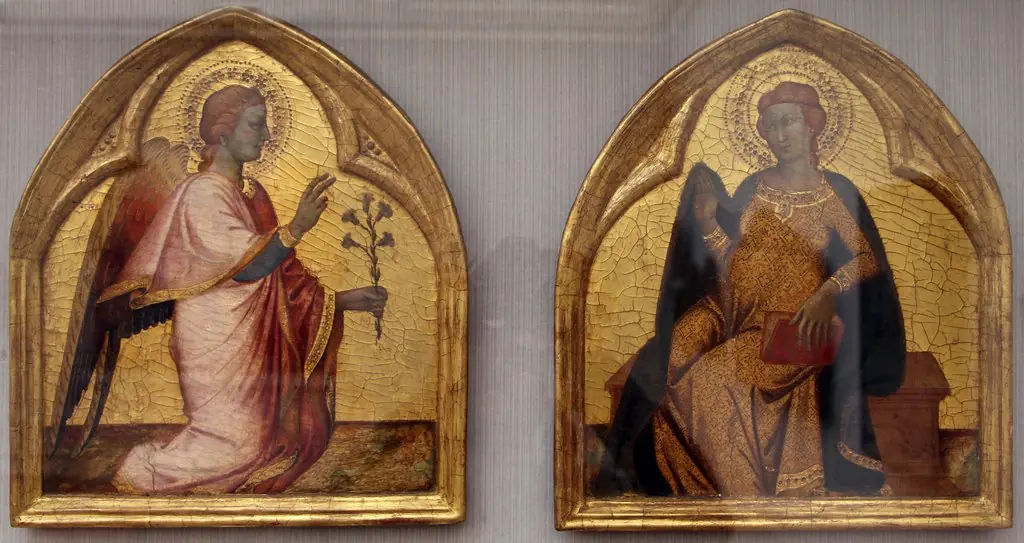 Mary of the Annunciation
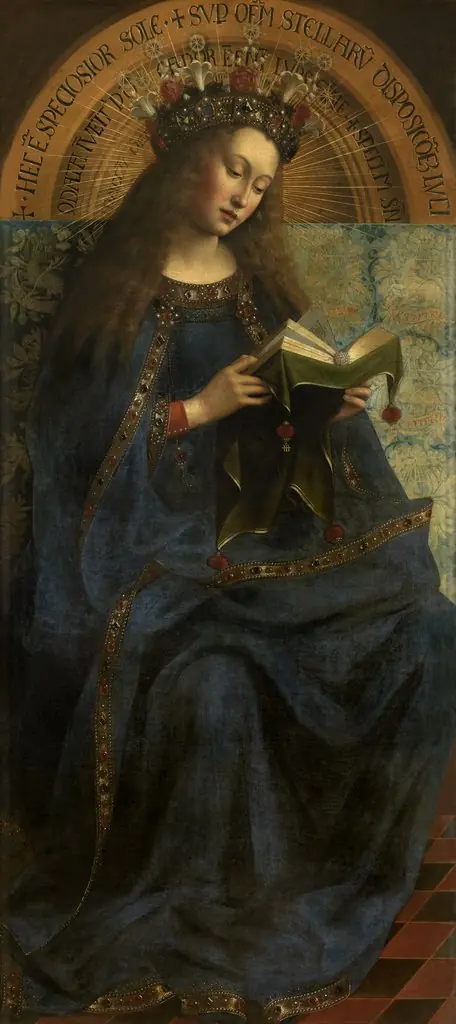 Mary
Mary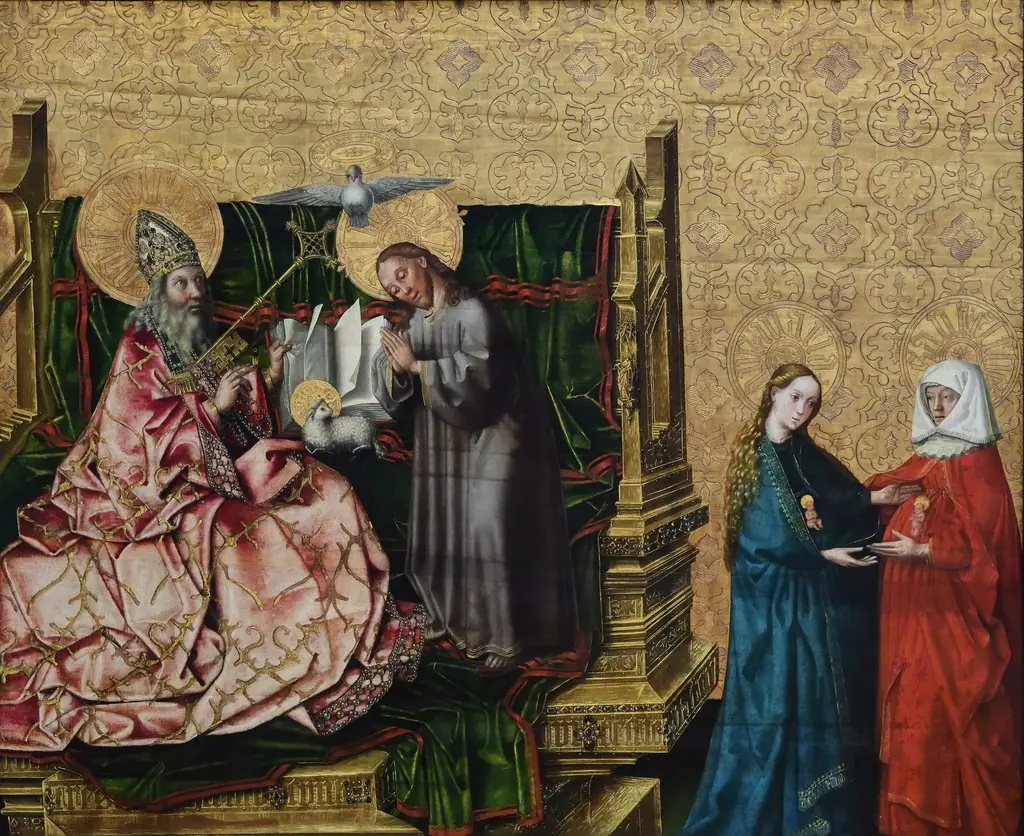 The Council of Salvation
 Virgin and Child
 Saint Catherine