Artwork
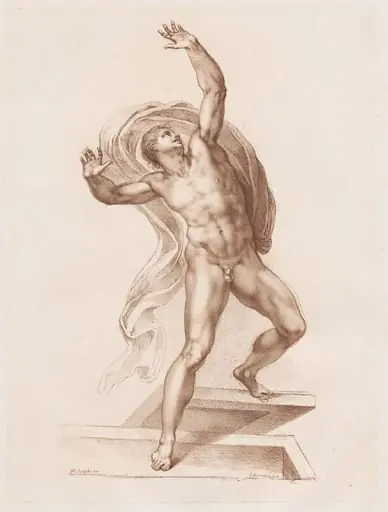
Eroe Combattente
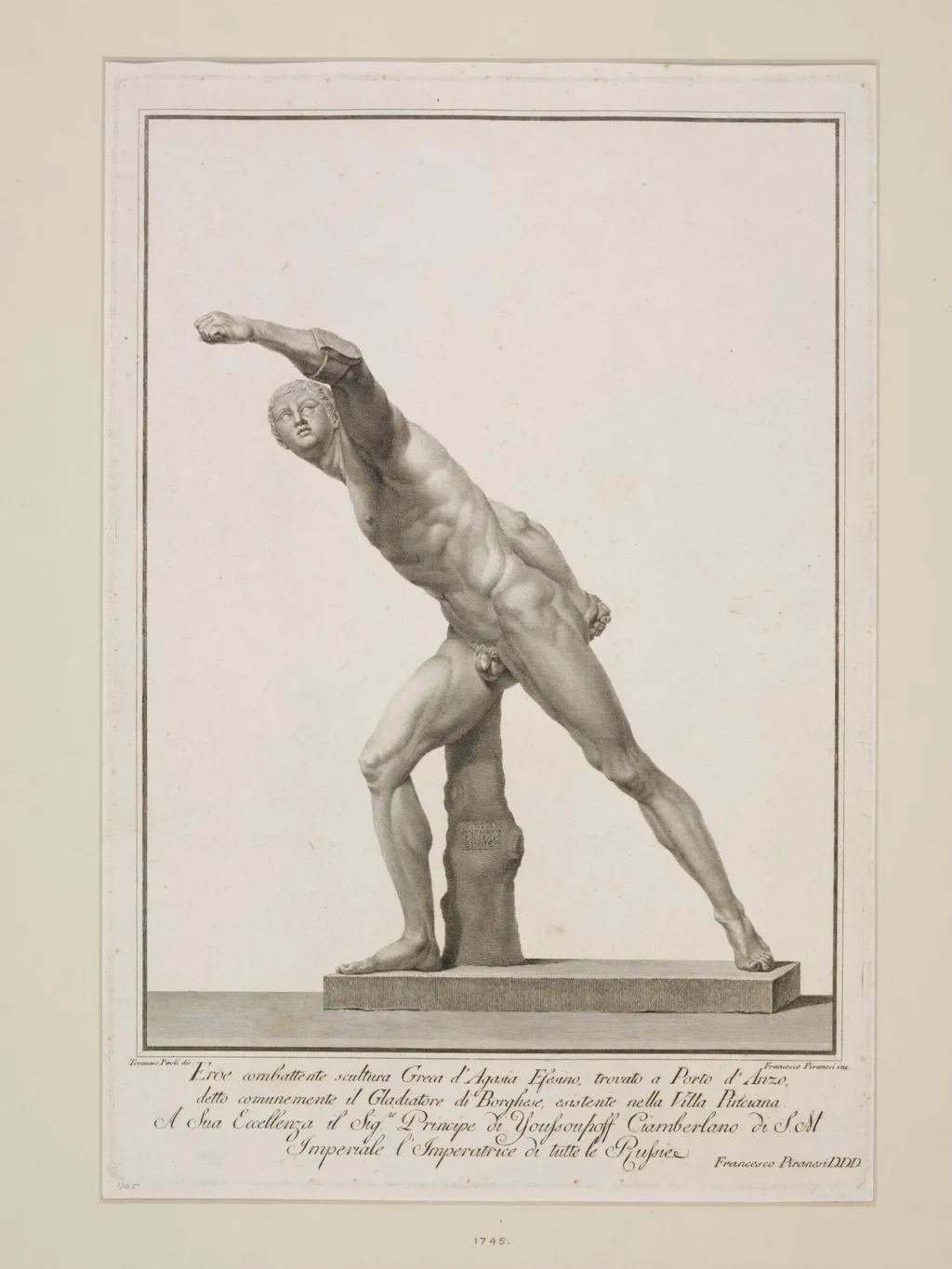
Eroe Combattente is a print by Francesco Piranesi. It dates from 1850 and is held in the collection of the Victoria and Albert Museum.
About this work
Overview
Created by Francesco Piranesi toward the end of the 18th century, it was produced as part of a French publication showcasing revered classical sculptures.
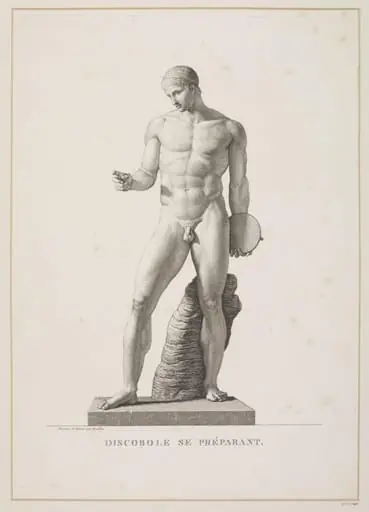
This print is a detailed engraving of the so-called Borghese Warrior, a celebrated ancient Roman marble statue discovered near Anzio in the early 1600s. Created by Francesco Piranesi toward the end of the 18th century, it was produced as part of a French publication showcasing revered classical sculptures. The image reflects the era’s fascination with antiquity and the role of reproductive prints in shaping aesthetic ideals across Europe.
Subject & Meaning
The figure depicts a nude male warrior in a poised, static stance, holding a spear. His form is idealized—muscular, balanced, and serene—embodying classical notions of heroic virtue. Though originally a fragmentary ancient statue, the print presents it as complete and flawless, reinforcing contemporary ideals of physical perfection and moral strength drawn from antiquity.
Technique & Style
Francesco Piranesi employed sharp, deep lines to define the figure’s contours and cast dramatic shadows, enhancing the sculptural volume. The engraving emphasizes clean outlines and smooth surfaces, minimizing signs of age or damage present in the original marble. This refined approach aligns with Neoclassical priorities: clarity, order, and the elevation of ancient forms through precise, controlled draftsmanship.
History & Provenance
The original statue was unearthed in the early 17th century and quickly acquired by the Borghese family, where it became a centerpiece in their Roman villa. By the 18th century, it was a standard attraction for travelers on the Grand Tour. Piranesi’s print, made for a French illustrated album, helped circulate its image widely, transforming a single antiquity into a widely recognized visual archetype.
Context
During the late 1700s, European intellectuals and artists looked to classical antiquity as a model for modern culture. Prints like Piranesi’s played a crucial role in this revival, making ancient sculptures accessible beyond Rome’s elite collections. They fueled academic study and artistic training, especially in France and Britain, where Neoclassicism dominated visual culture.
Legacy
Piranesi’s engraving contributed to the standardization of how ancient sculptures were visually understood in the modern era. By smoothing imperfections and emphasizing ideal form, it shaped perceptions of classical beauty for generations. Though the original statue remains in the Villa Borghese, the print ensured its influence extended far beyond its physical location.
Artist & collection


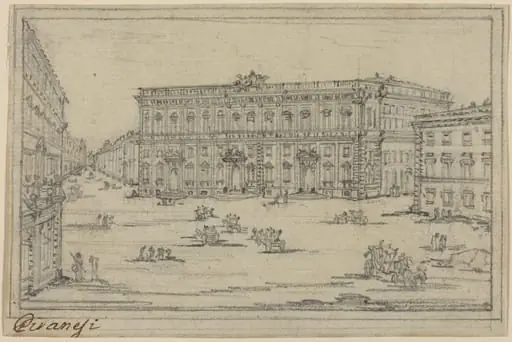 Palazzo della Consultà
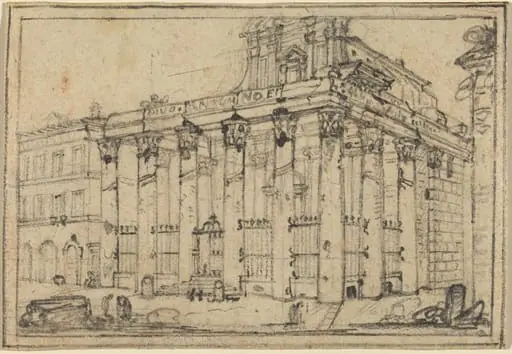 The Temple of Antoninus and Faustina
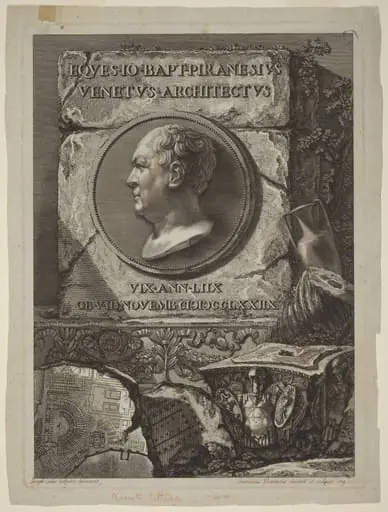 Giovanni Battista Piranesi
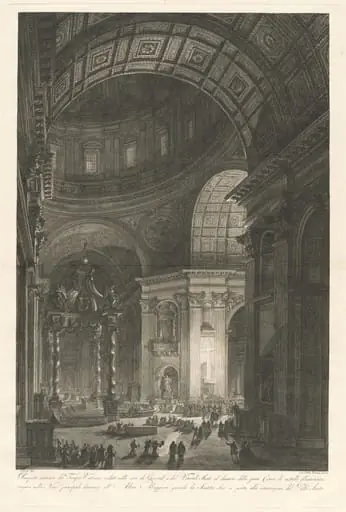 Interior of St. Peter’s, with the Illumination of the Cross of St. Peter
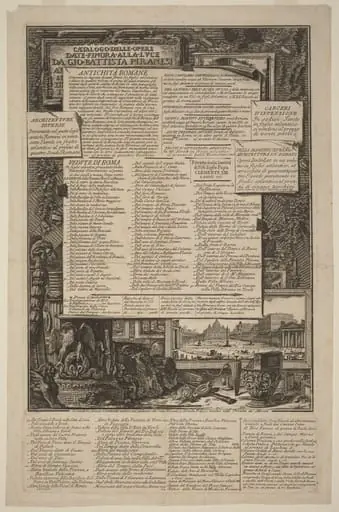 Catalogo delle Opere Date Finora Alla Lvce Da Gio Battista Piranesi
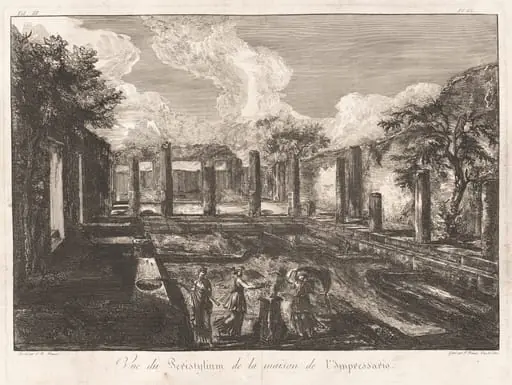 Vue du Peristylium de la maison de l'Impressario
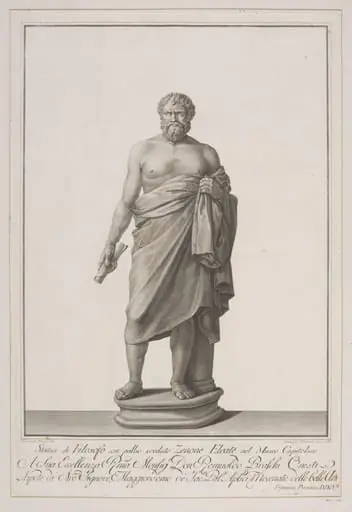 Statua di Filosofo
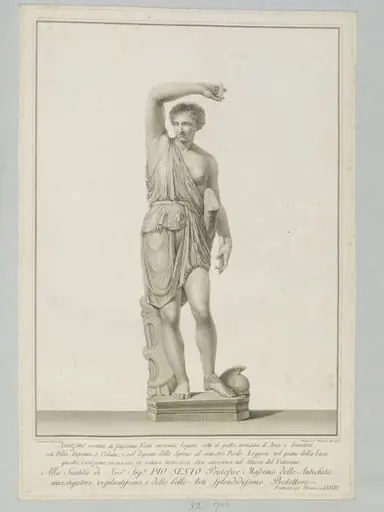 Statue of an Amazon
![A Nude Fighting Man, side view, turned to left [plate 27], by François Perrier](https://artifactworldgallery.com/img/francois-perrier--a-nude-fighting-man-side-view-turned-to-left-plate-27--39122f796b85b2fb-w320.webp)
![The Borghese Gladiator, side view, turned to right [plate 28], by François Perrier](https://artifactworldgallery.com/img/francois-perrier--the-borghese-gladiator-side-view-turned-to-right-plate-28--d519e69b0c94bb6a-w320.webp)