Artwork
Femme de Palestrina (Woman from Pellestrina)
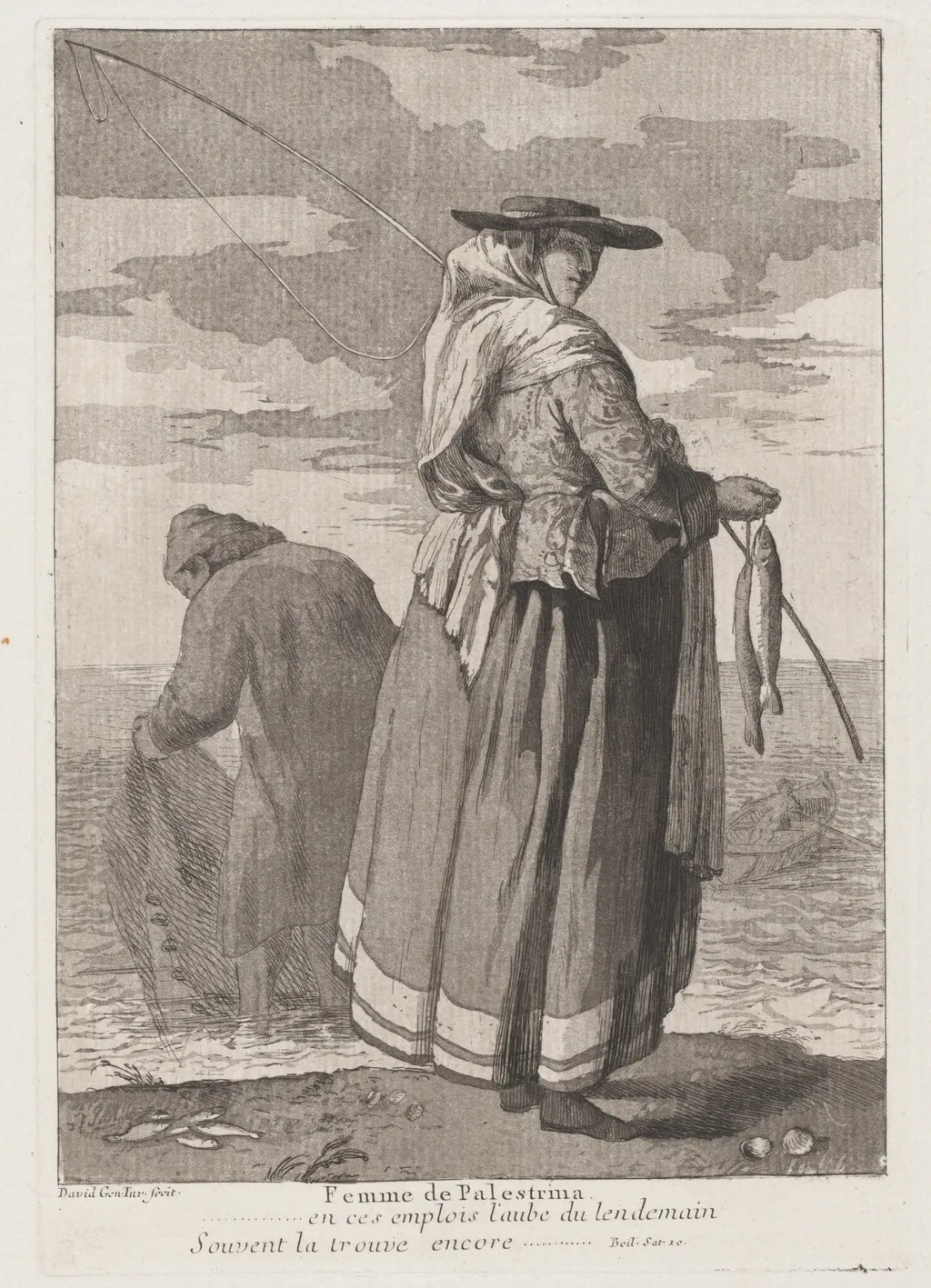
Femme de Palestrina (Woman from Pellestrina) is an ink print by the Romanticist artist Giovanni David. It dates from 1775 and is held in the collection of the National Gallery of Art.
About this work
Overview
Femme de Palestrina (Woman from Pellestrina) is a print created by Giovanni David in 1775, utilizing etching and aquatint techniques on laid paper. The work depicts a serene yet active scene by the water's edge, featuring two figures engaged in fishing-related activities.
Subject & Meaning
The print shows a woman standing with her back to the viewer, dressed in a wide-brimmed hat and long coat, holding a fishing rod. Nearby, a man is bent down, possibly sorting nets or fish. The setting suggests a fishing village, with the title specifically referencing Pellestrina, implying a scene of everyday life in such a community.
Technique & Style
Giovanni David employed etching and aquatint to achieve detailed textures and shading. Notably, the artist used these techniques to convey the roughness of the water, the texture of the woman's clothing, and the natural elements of the shore, such as scattered shells.
History & Provenance
Created in 1775, specific details about the print's history and ownership (provenance) are not provided in the available information.
Context
The use of etching and aquatint reflects common printmaking practices of the 18th century. The scene's focus on everyday life in a fishing village aligns with interests in depicting common subjects during this period.
Legacy
Information on the direct influence, popularity, or significant exhibitions of Femme de Palestrina after its creation is not provided in the given context.
Artist & collection


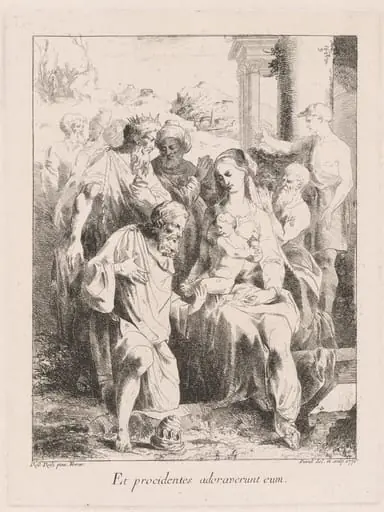 Adoration of the Magi
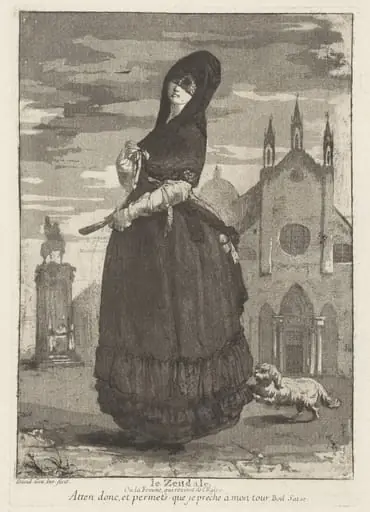 Le Zendale (Woman in a Hood, or the Woman Returning from Church)
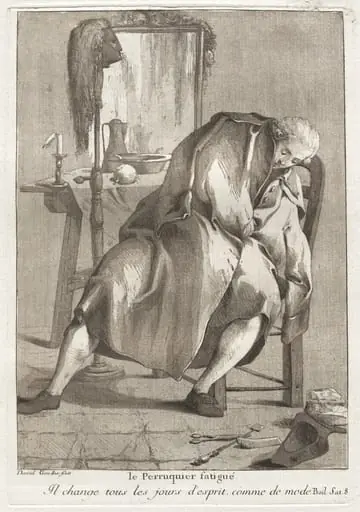 Le Perruquier fatigué (The Tired Wigmaker)
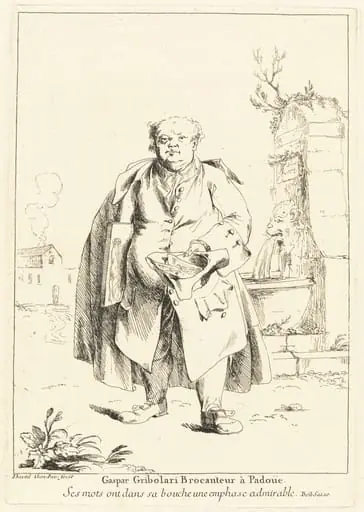 Gaspar Gribolari Brocanteur à Padoüe (Gaspar Gribolari, Secondhand Dealer in Padua)
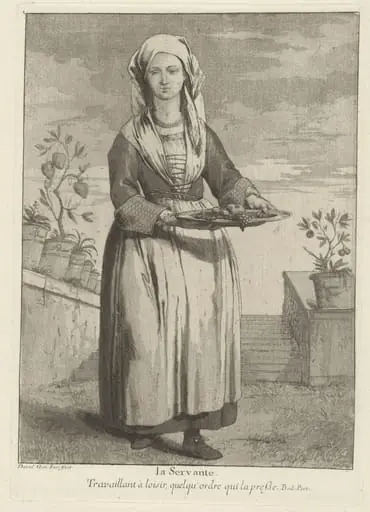 La Servante (The Servant)
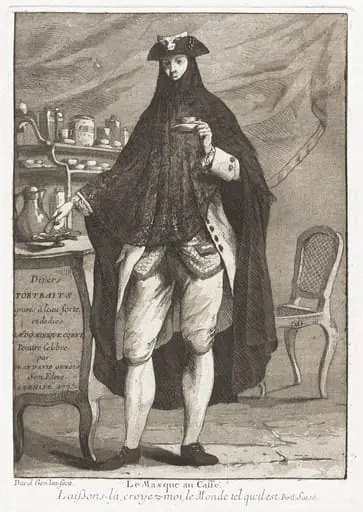 Le Masque au caffé (The Masked Man Taking Coffee)
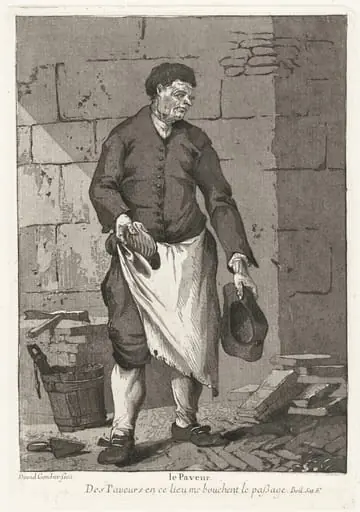 Le Paveur (The Road Paver)
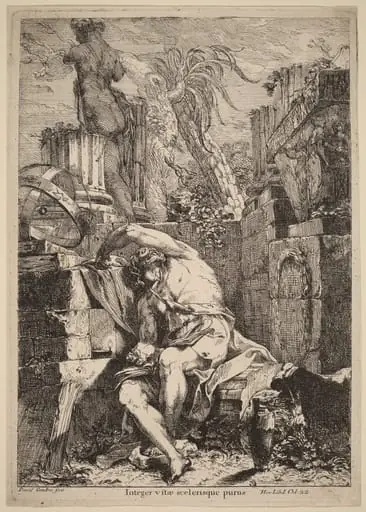 Democritus
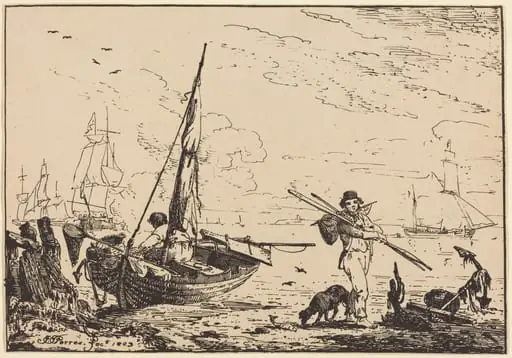 Marine: Fishing Boats on Shore, Man with Oars, Ship in Distance
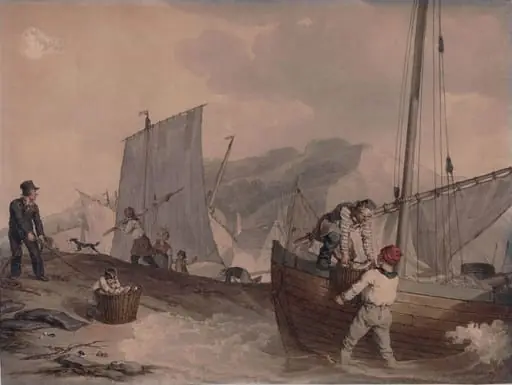 Fishing Boats Unloading
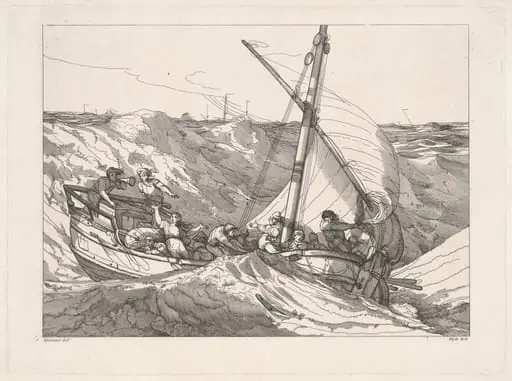 Boat in a Storm at Sea
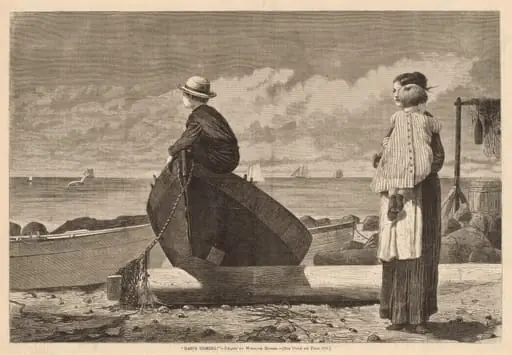 "Dad's Coming!"
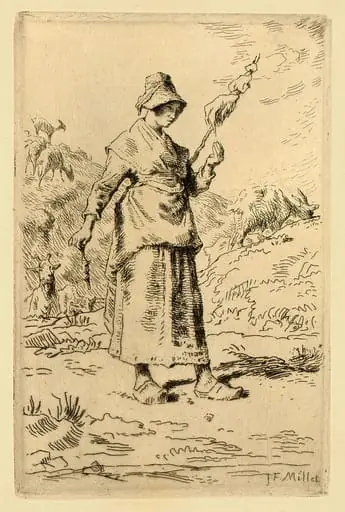 Composition de F. Millet (Composition by F. Millet)
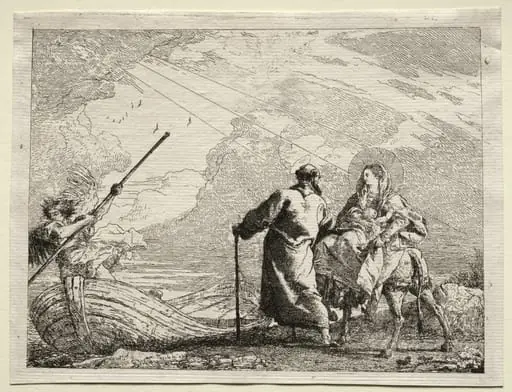 Flight into Egypt: The Holy Family Arriving at the Bank of the River
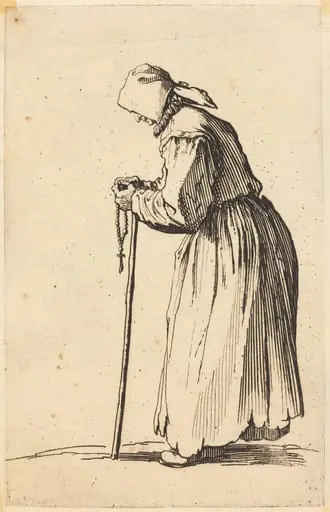 Beggar Woman with Rosary
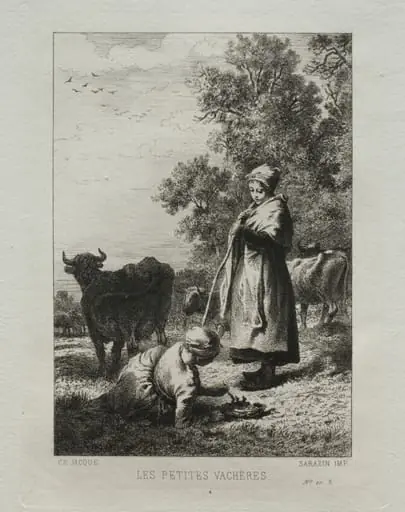 The Little Cowherds
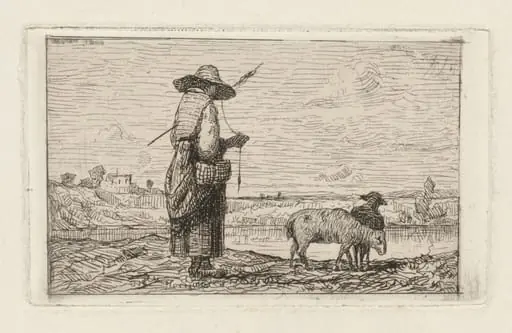 Shepherdess
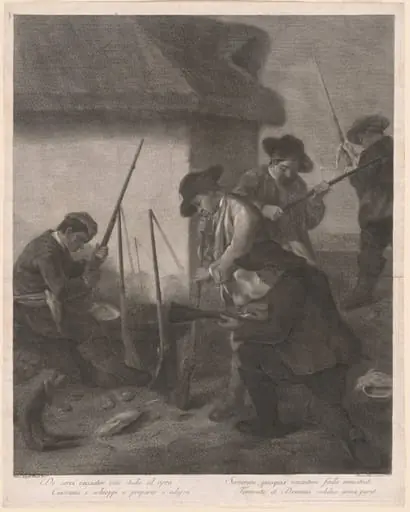 De Servi Cacciator... (Servants Preparing the Guns for the Hunt)
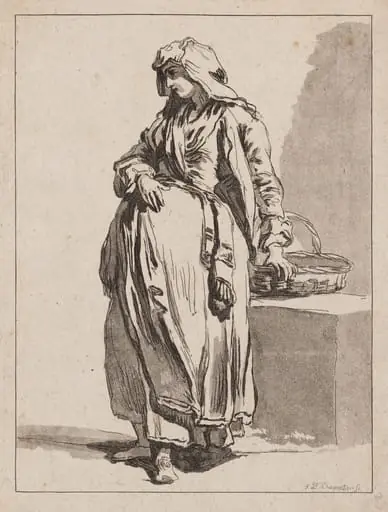 Italian Peasant Woman