Artwork
Portrait of a Man
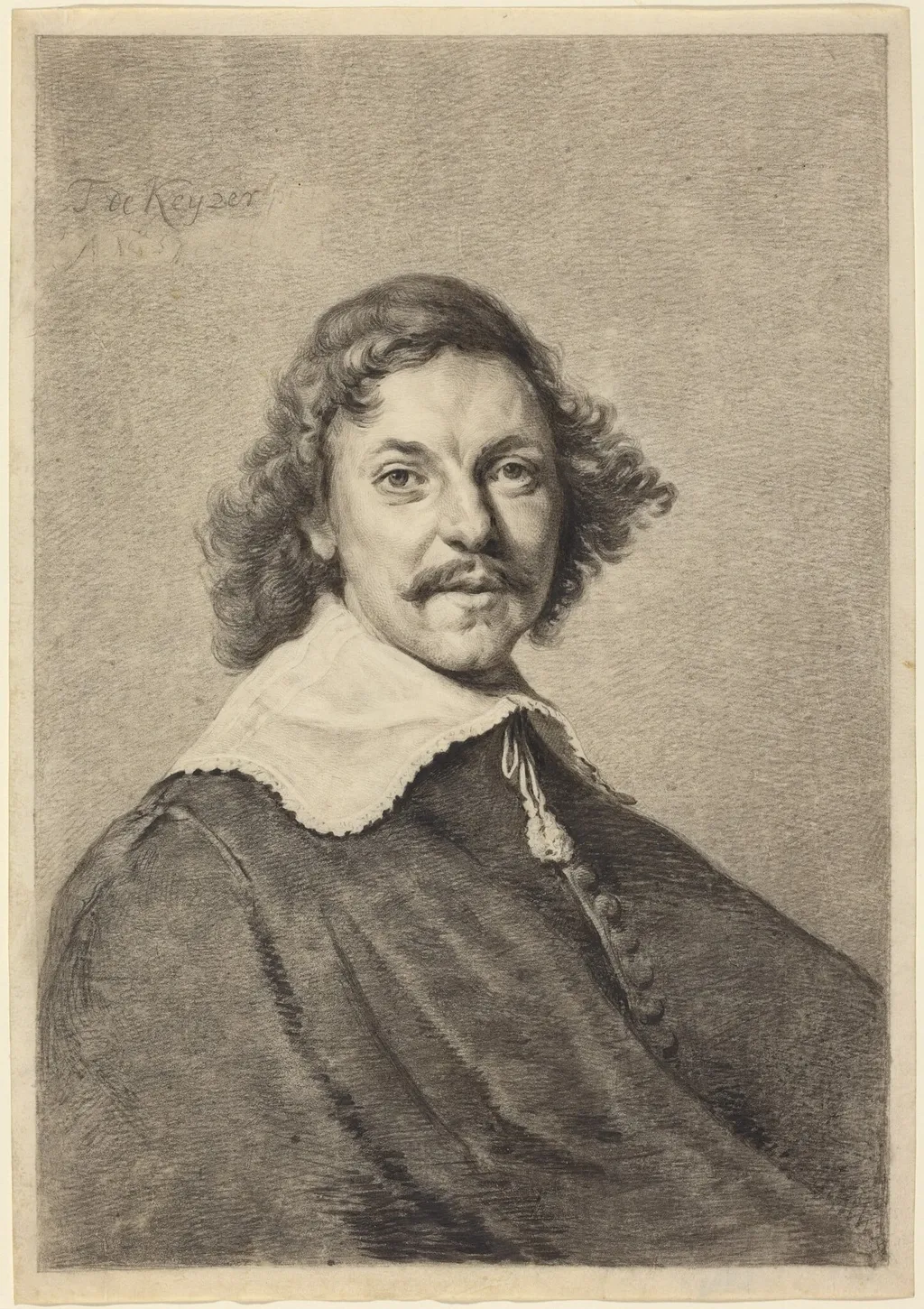
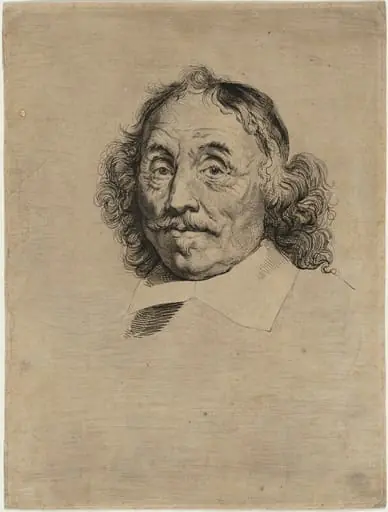
Portrait of a Man is a chalk drawing by the Baroque artist Thomas de Keyser. It dates from 1657 and is held in the collection of the National Gallery of Art.
About this work
Overview
Portrait of a Man is a 1657 drawing by Thomas de Keyser, a leading Dutch portraitist of the early to mid-17th century, executed in black chalk on vellum.
Subject & Meaning
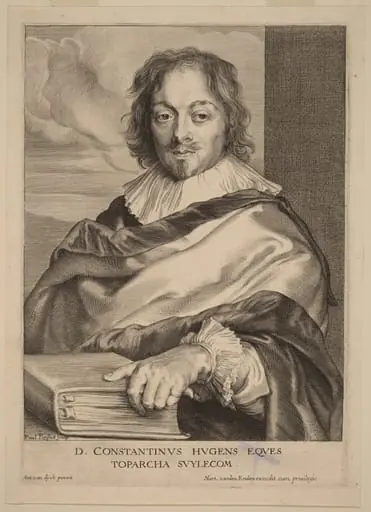
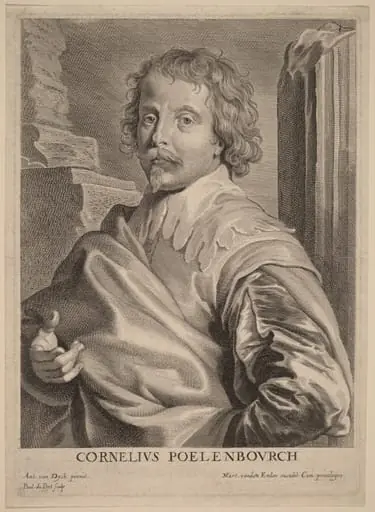
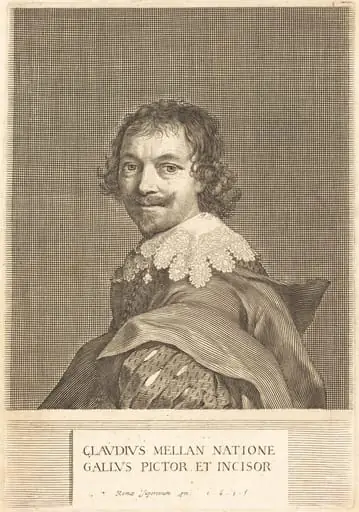
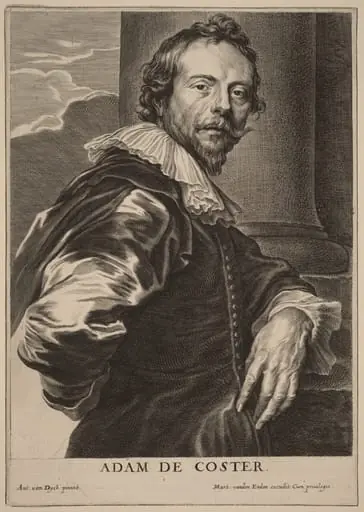
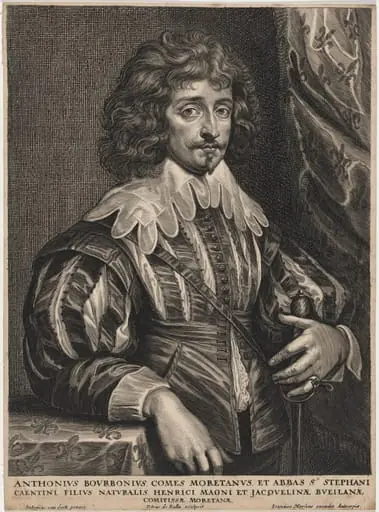
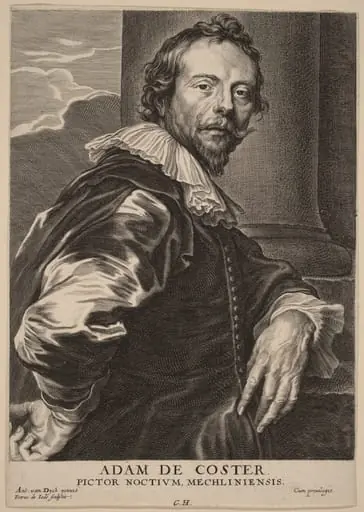
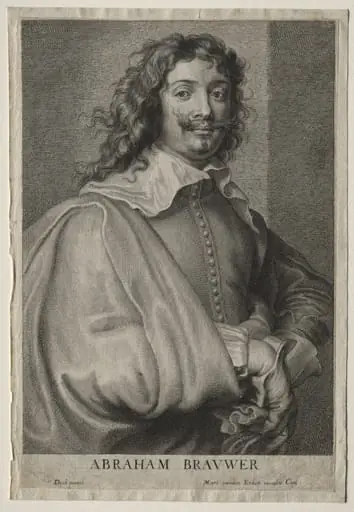
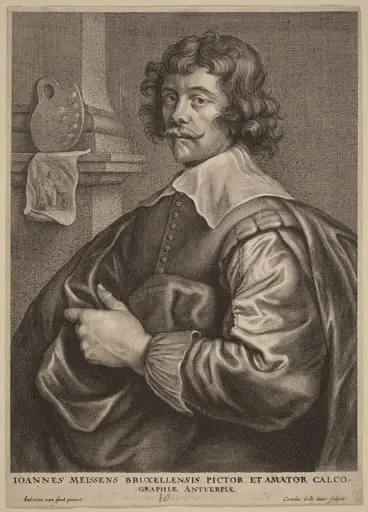
The drawing portrays a single male subject with distinctive curly hair and a mustache, dressed in a dark coat with a white collar, conveying a serious expression. The straightforward, individualized depiction is characteristic of Dutch portraiture during this period.
Technique & Style
De Keyser utilized black chalk on a light vellum background, creating sharply defined lines. This technique was typical for quick yet detailed portraits in the 1600s, emphasizing clarity over elaborate composition.
History & Provenance
Created in 1657, the work predates the peak of Rembrandt's influence, during which de Keyser's popularity waned and some of his works were later misattributed to the younger artist.
Context
This piece reflects the transitional period in Dutch portraiture, preceding the broader dramatic and contrastive elements of the Baroque movement.
Own this work as a print
Artist & collection

Artist
Thomas de Keyser (c. 1596 – 1667) was a Dutch portrait painter and a dealer in Belgium bluestone and stone mason. He was the most in-demand portrait painter in the Netherlands until the 1630s, when Rembrandt eclipsed…

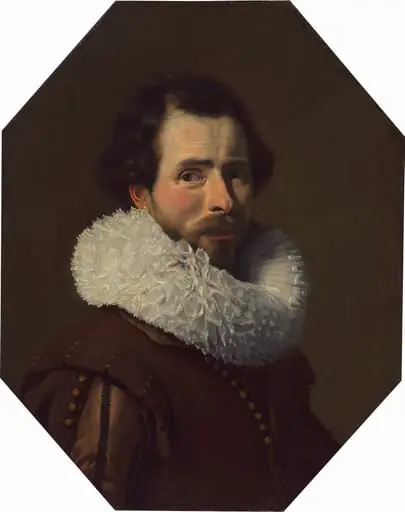 Portrait of a Gentleman Wearing a Fancy Ruff
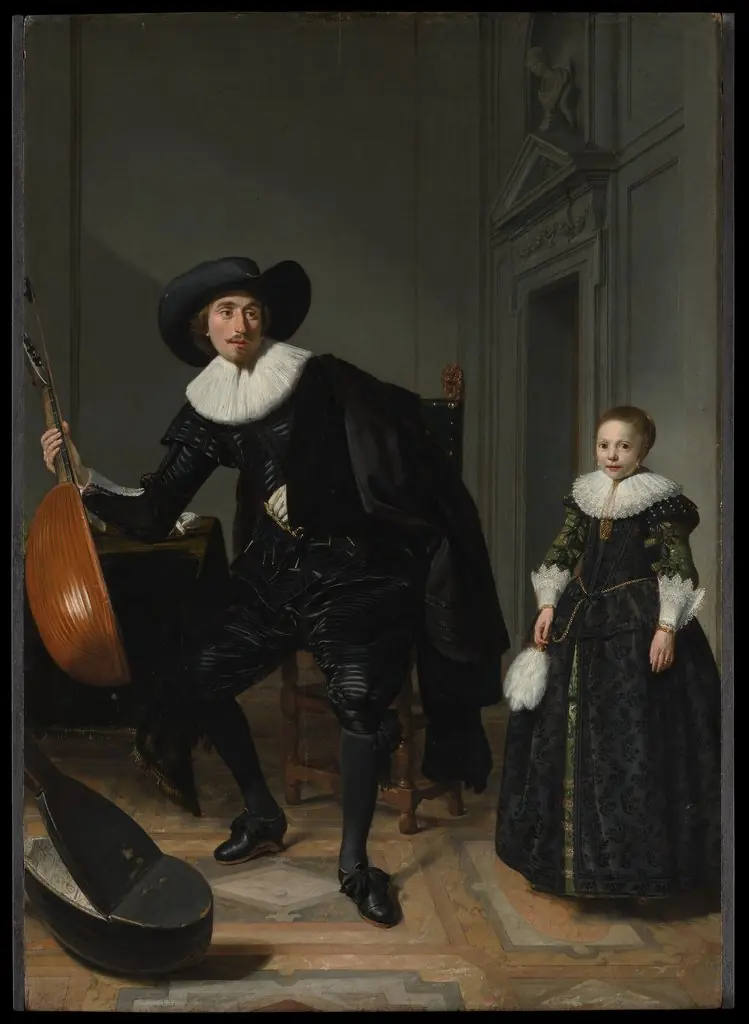 A Musician and His Daughter
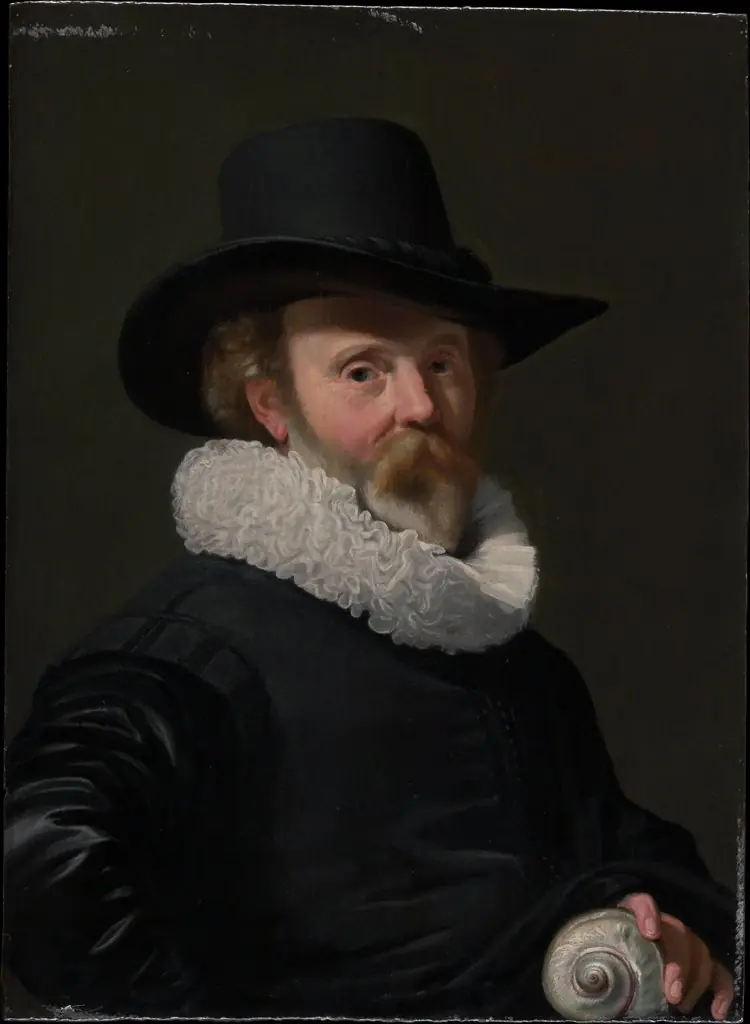 Portrait of a Man with a Shell
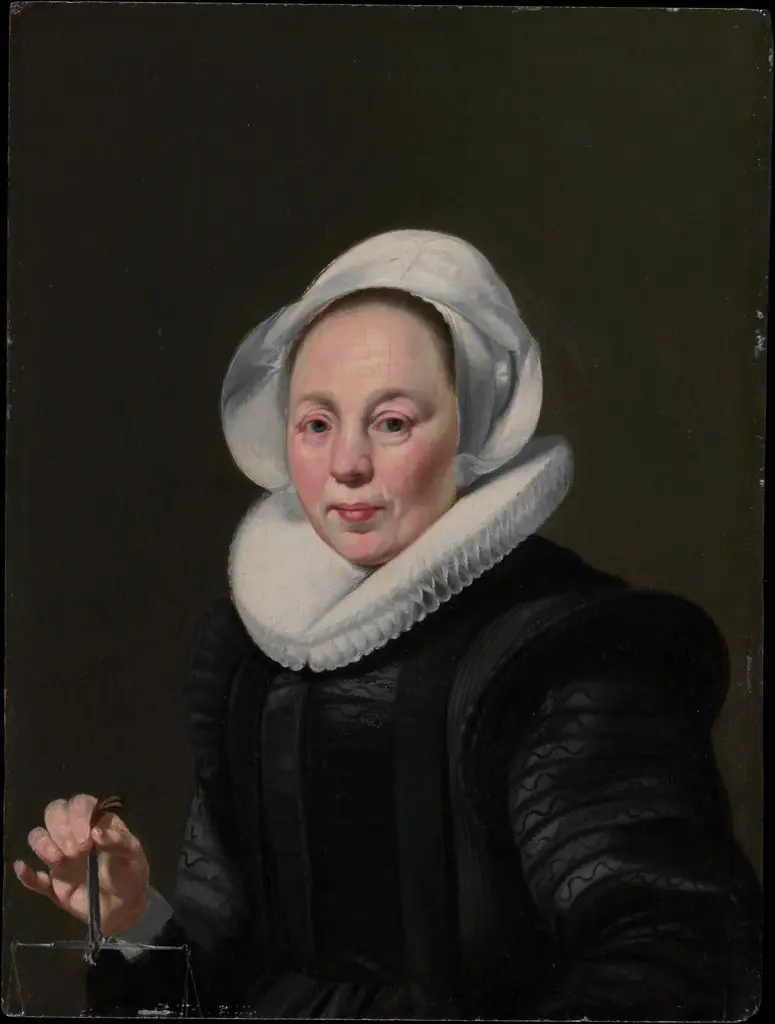 Portrait of a Woman with a Balance
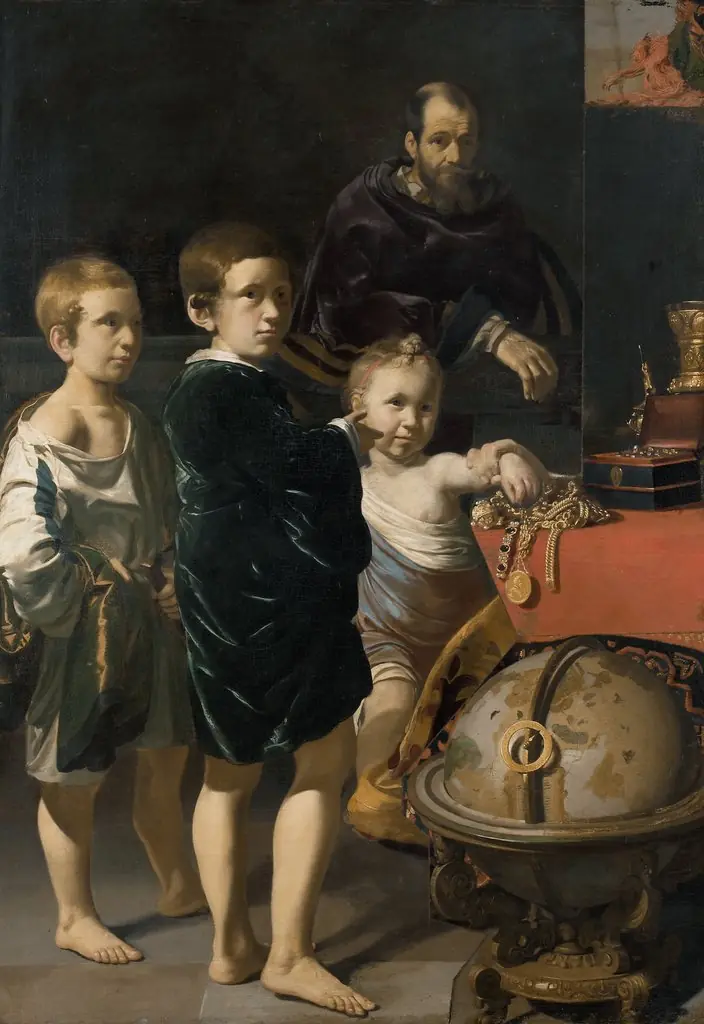 Portrait of three children and a man
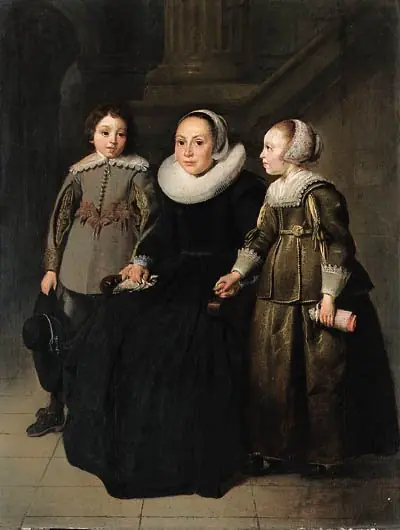 Portrait of a seated woman and two children
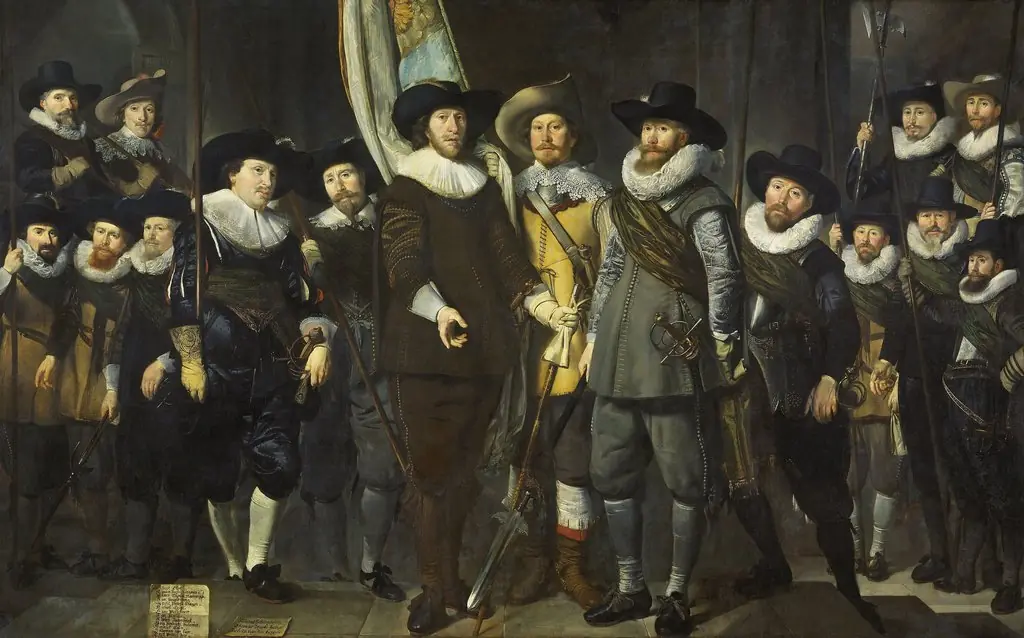 Officers and other civic guardsmen of the IIIrd District of Amsterdam, under the command of Captain Allaert Cloeck and Lieutenant Lucas Jacobsz Rotgans
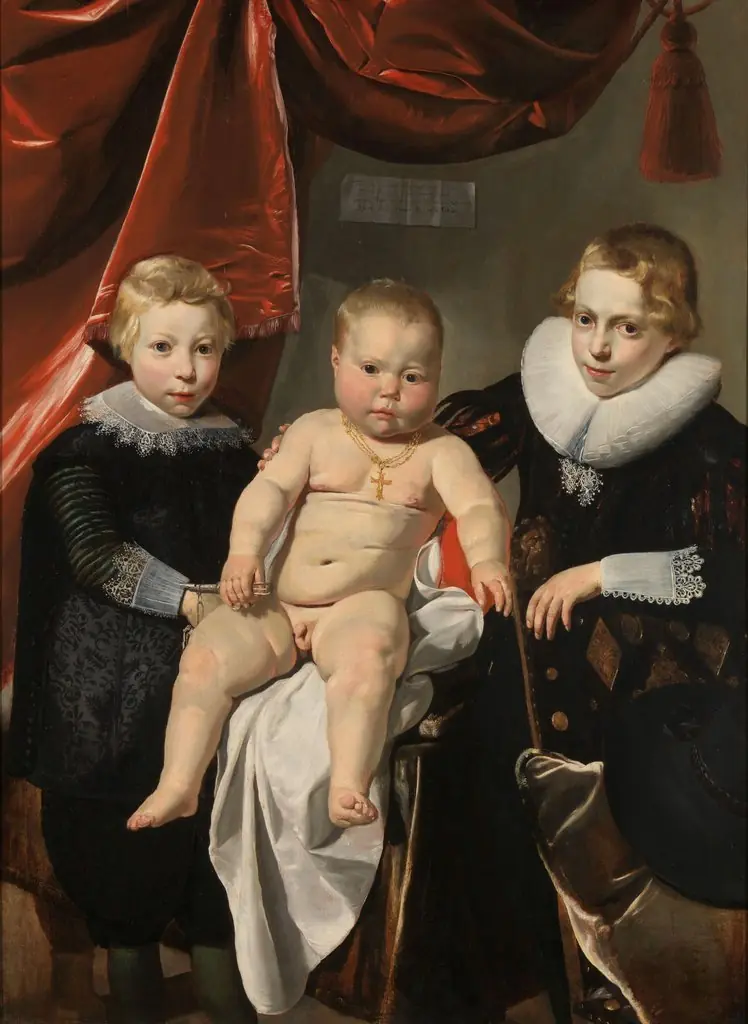 Group Portrait of Three Brothers