Artwork
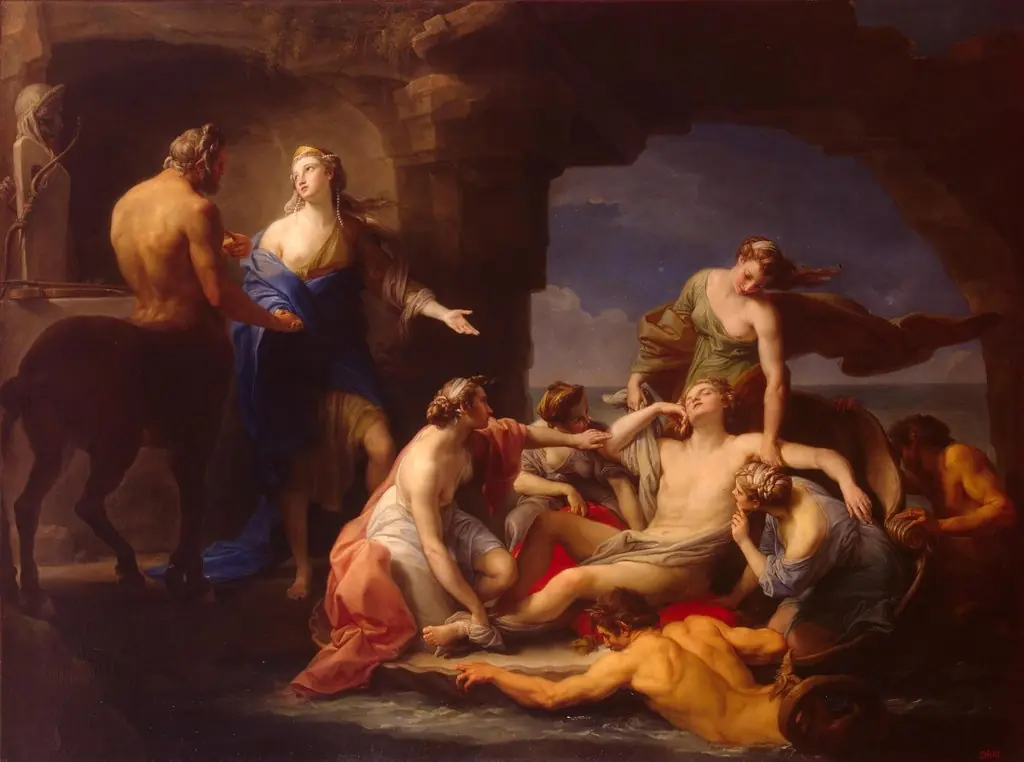
Achilles and the Centaur Chiron
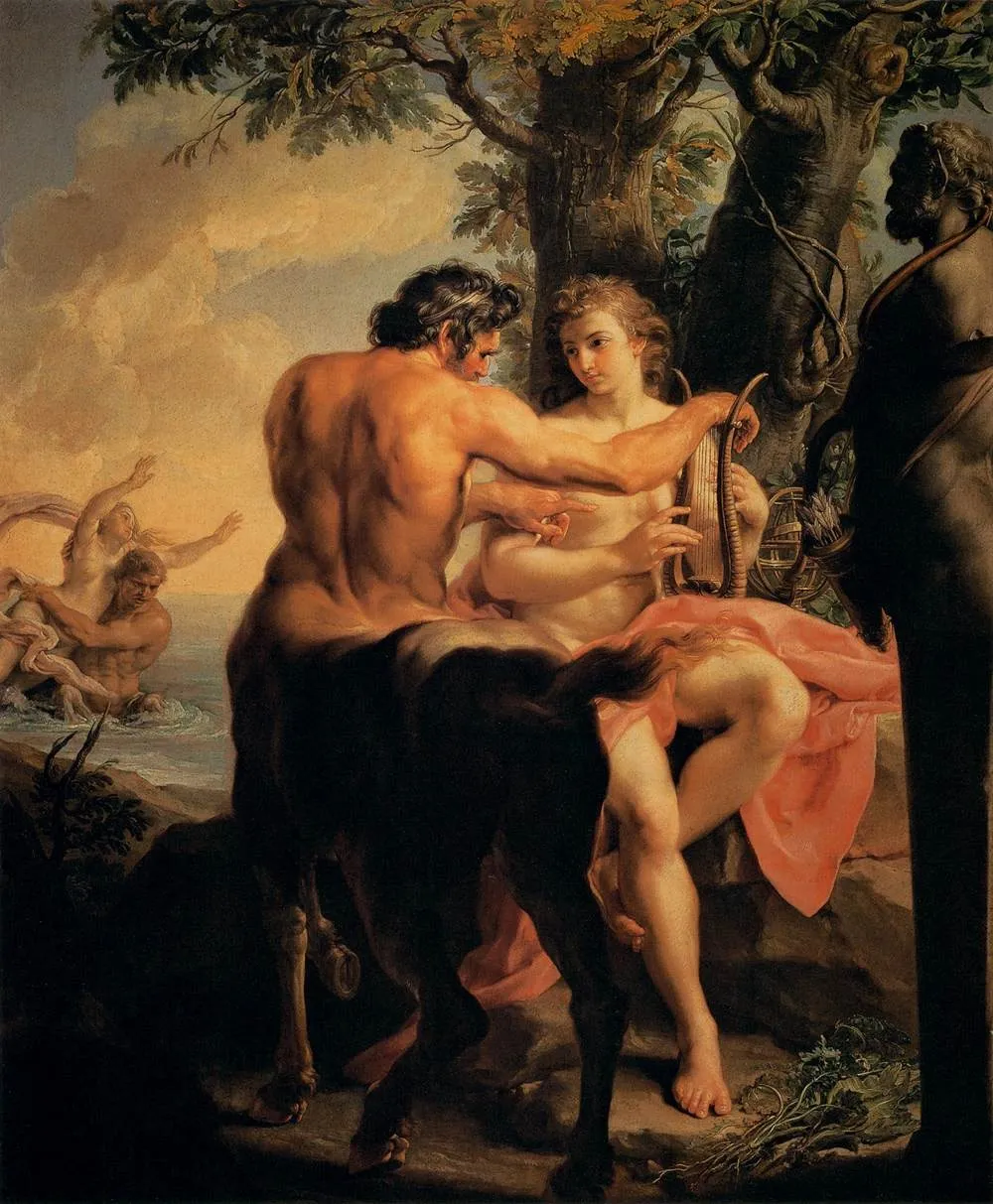
Achilles and the Centaur Chiron is an oil painting by the Rococo painting artist Pompeo Batoni. It dates from 1746 and is held in the collection of the Uffizi Gallery.
About this work
Overview
It reflects his reputation for blending mythological narratives with refined, polished execution, appealing to European patrons seeking cultured imagery.
Painted in 1746 by Pompeo Batoni, this oil on canvas work portrays a moment from Greek myth involving the hero Achilles and the centaur Chiron. Batoni, an Italian painter noted for his technical precision and classical themes, created this piece during the height of the Rococo period. It reflects his reputation for blending mythological narratives with refined, polished execution, appealing to European patrons seeking cultured imagery.
Subject & Meaning
The scene depicts Achilles, the future warrior, receiving instruction from Chiron, a wise and noble centaur known for mentoring heroes. Chiron holds a lyre, symbolizing the arts and moral education, while Achilles leans in attentively. The composition suggests the formative role of wisdom in shaping heroism, contrasting martial destiny with intellectual cultivation. The presence of winged figures in the distance may allude to divine oversight or the soul’s ascent.
Technique & Style
Batoni employs soft, diffused lighting to model the figures’ flesh, creating a tactile realism against a dim, wooded backdrop. The chiaroscuro enhances the three-dimensionality of the bodies, while the delicate rendering of skin and fabric reflects his training in classical ideals. The pink drape over Chiron’s shoulder introduces a subtle chromatic contrast, balancing the cool tones of the landscape and the figures’ pale skin.
History & Provenance
Commissioned during Batoni’s peak popularity among British aristocrats on the Grand Tour, the painting entered the Uffizi Gallery’s collection in the 18th century. Its acquisition reflects the Medici family’s interest in contemporary Italian art that aligned with classical antiquity. The work remained in Florence, preserving its context within a major European collection of mythological and historical subjects.
Context
In mid-18th-century Europe, mythological scenes like this served as vehicles for moral and intellectual ideals, particularly among educated travelers. Batoni’s approach merged the elegance of Rococo with the gravitas of classical narrative, responding to a taste for refined antiquarianism. The painting’s setting—serene, wooded, and tranquil—contrasts with the violent epics of Achilles, emphasizing education over action.
Legacy
Though less celebrated than Batoni’s portraits, this painting exemplifies his ability to infuse myth with quiet dignity. It contributed to the persistence of classical themes in academic painting and influenced later neoclassical artists who sought to revive moral narratives through antiquity. Its presence in the Uffizi ensures continued study as a bridge between Baroque naturalism and Enlightenment ideals.
Artist & collection
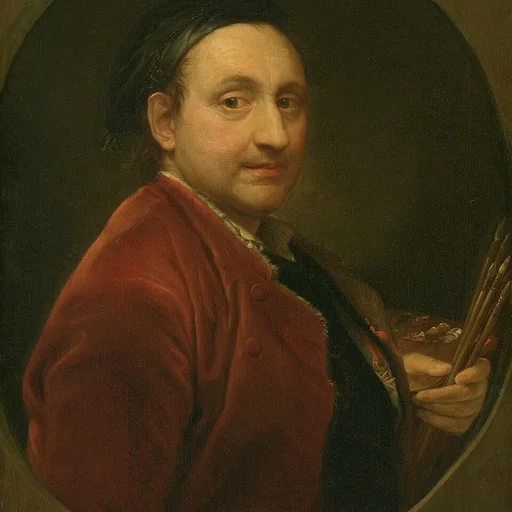
Artist
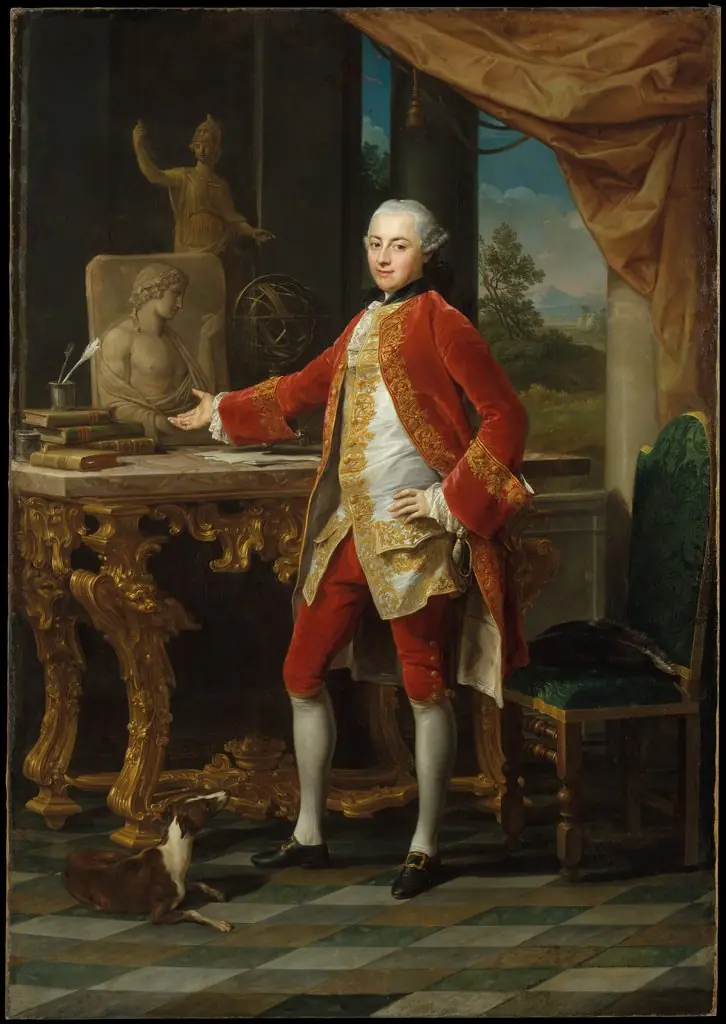
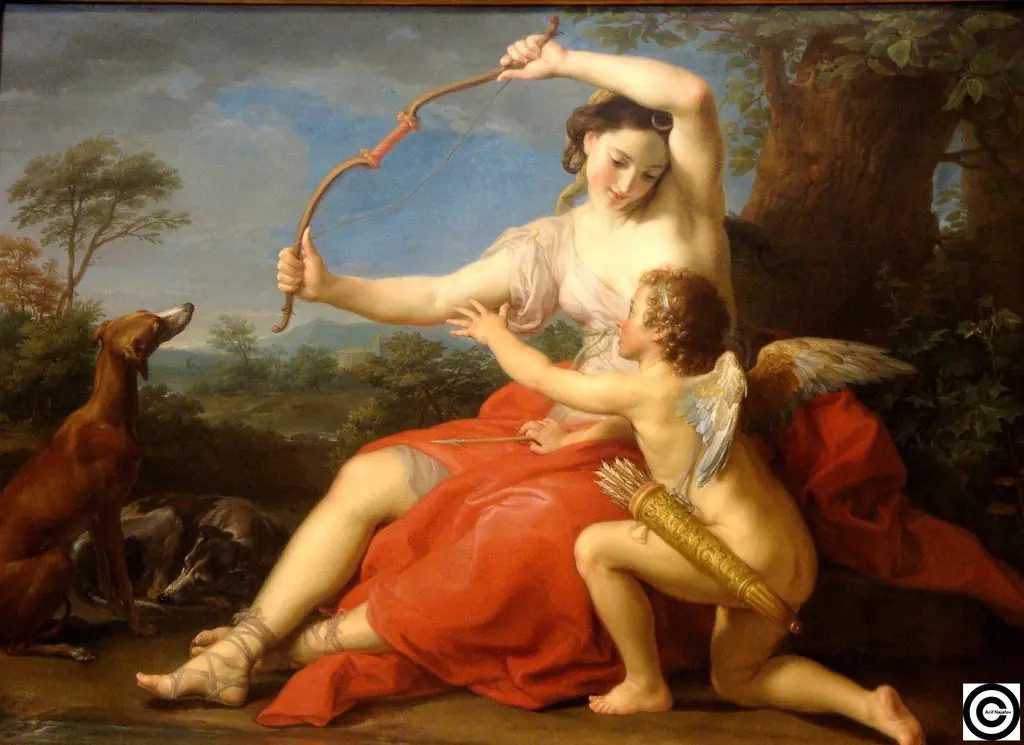
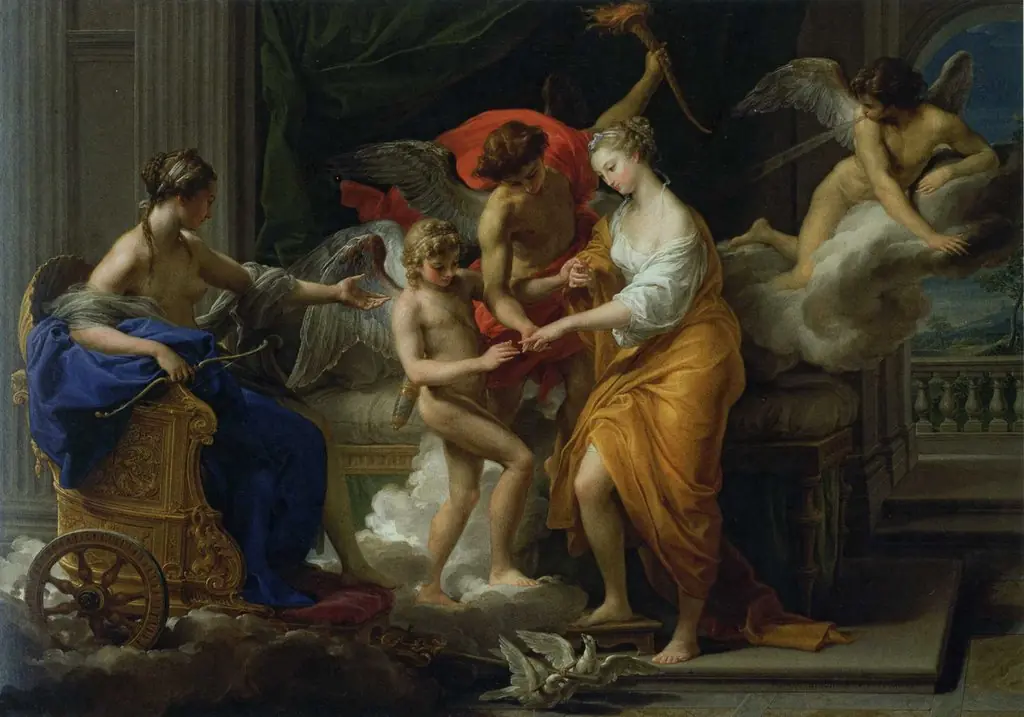
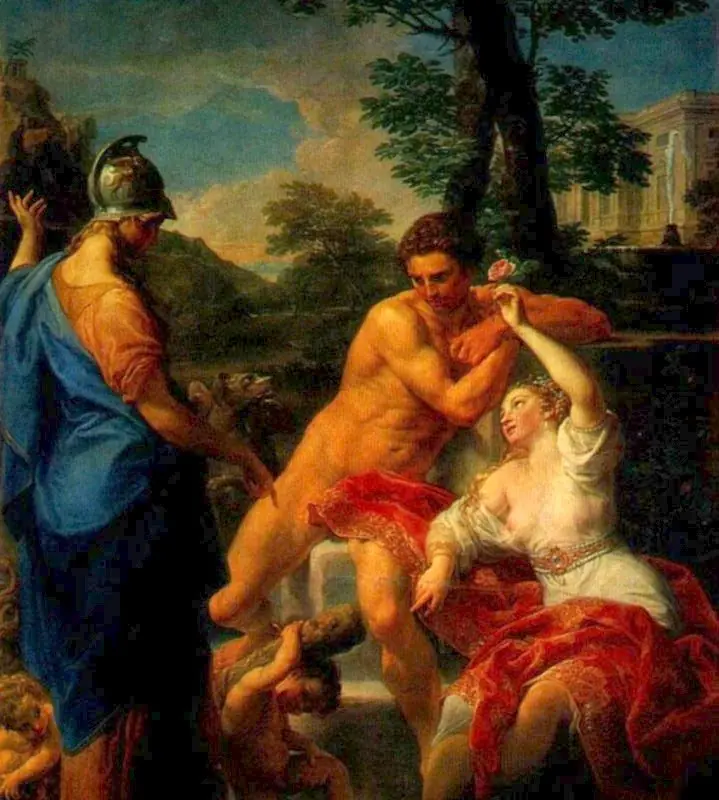
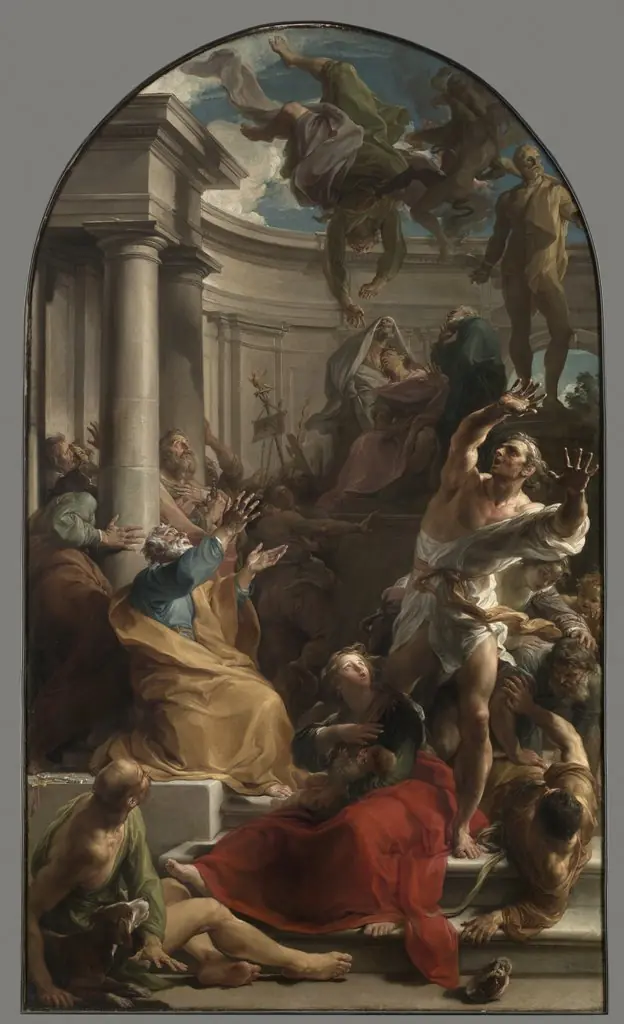
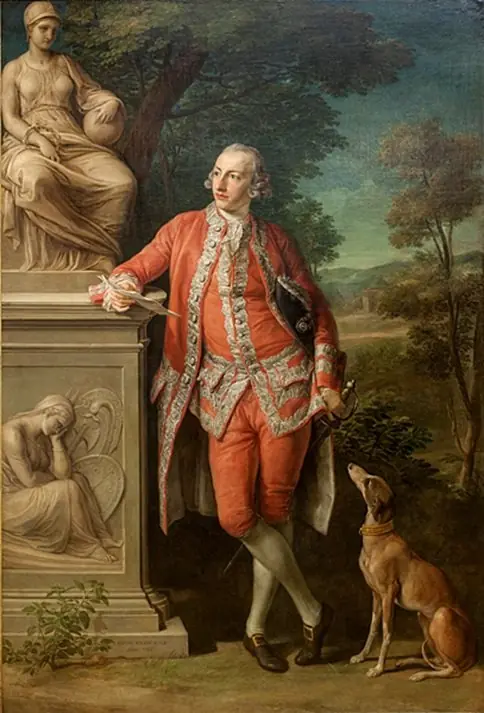
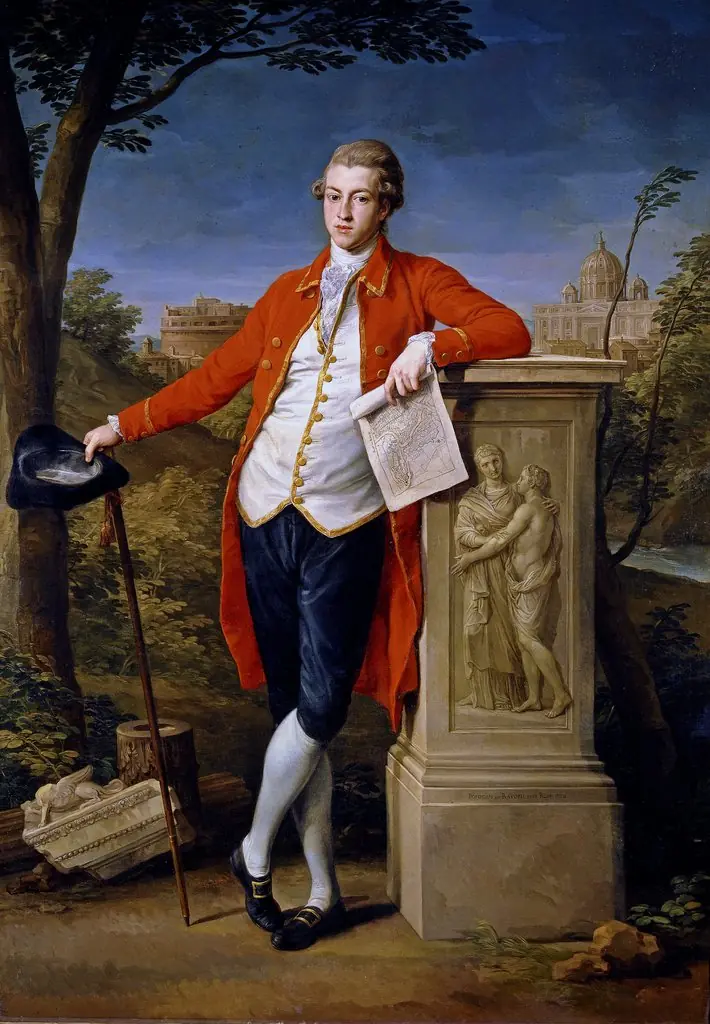
Pompeo Girolamo Batoni (25 January 1708 – 4 February 1787) was an Italian painter who displayed a solid technical knowledge in his portrait work and in his numerous allegorical and mythological pictures.