Artwork
The Virgin Appearing to the Guardian Angel
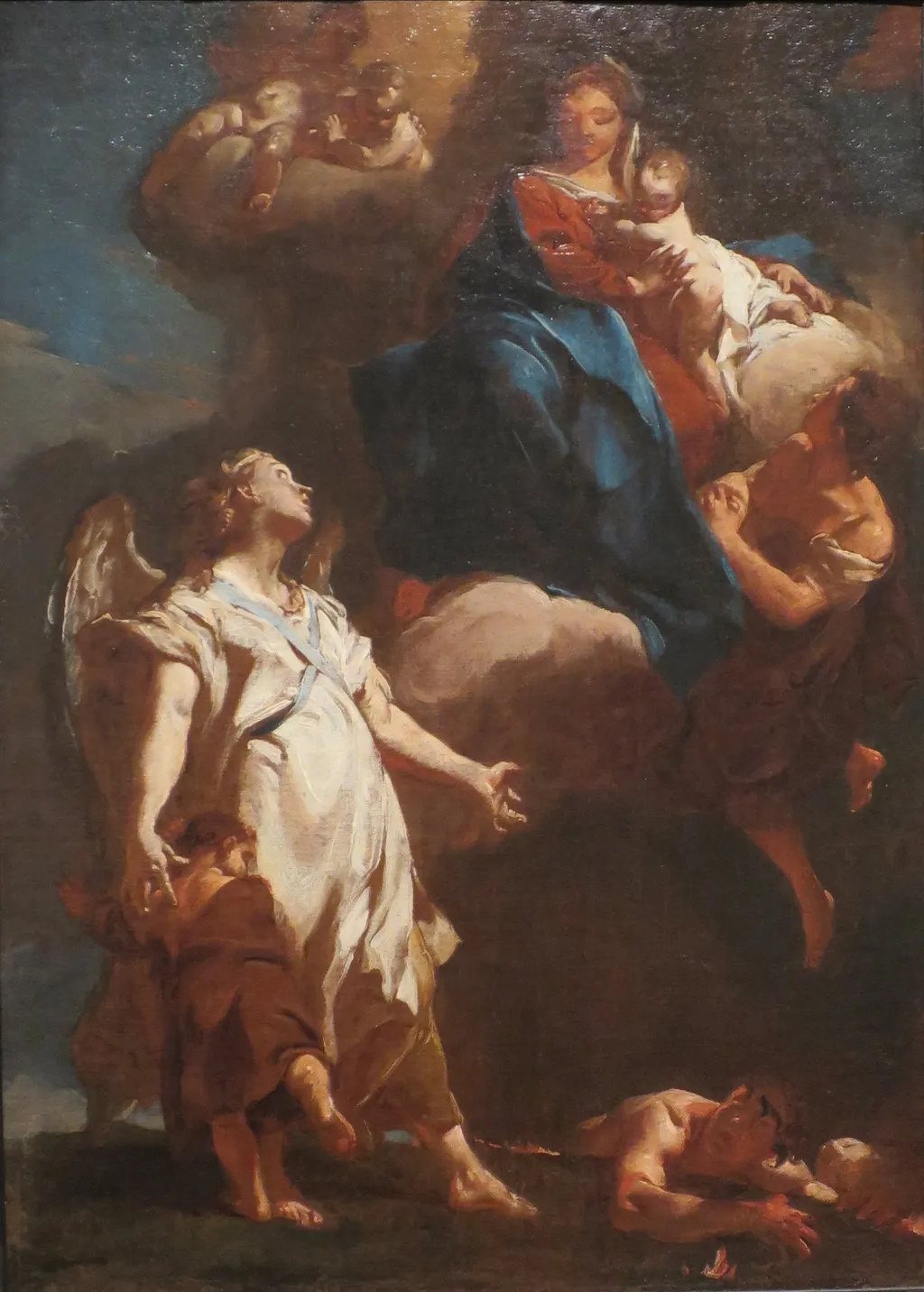
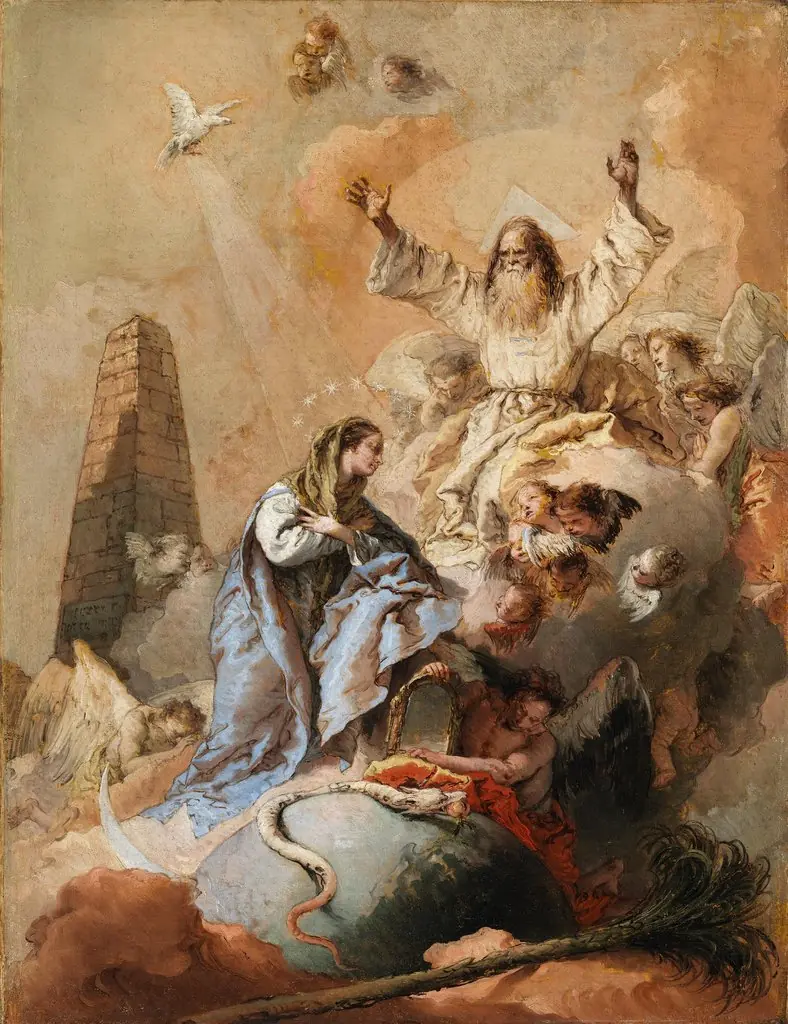
The Virgin Appearing to the Guardian Angel is an unspecified painting by the High Baroque Italian artist Giovanni Battista Piazzetta. It dates from 1717 and is held in the collection of the Los Angeles County Museum of Art.
About this work
Overview
Painted in 1717 by Giovanni Battista Piazzetta, this work portrays the Virgin Mary in a moment of divine revelation to a guardian angel. Executed in oil on canvas, the painting is part of the Los Angeles County Museum of Art’s collection. Its composition centers on a quiet, elevated encounter between celestial figures, rendered with a focus on spiritual intimacy rather than grandeur.
Subject & Meaning
The Virgin Mary, depicted with calm authority, descends among a group of angels and cherubs, suggesting a moment of divine instruction or reassurance.
The Virgin Mary, depicted with calm authority, descends among a group of angels and cherubs, suggesting a moment of divine instruction or reassurance. The guardian angel, positioned attentively below her, embodies protection and devotion. The scene conveys a private, contemplative encounter, emphasizing the spiritual connection between heavenly beings and their earthly charge, without overt narrative action.
Technique & Style
Piazzetta employs chiaroscuro to model forms with subtle gradations of light and shadow, giving volume to the figures against a deep, atmospheric backdrop. The Virgin’s blue robe and the angels’ white garments catch the light selectively, enhancing their ethereal presence. The dark, cloud-laden sky recedes behind them, heightening the sense of otherworldliness and focusing attention on the luminous central group.
History & Provenance
Commissioned during Piazzetta’s mature period, the painting reflects his engagement with Venetian religious art traditions. It entered the Los Angeles County Museum of Art’s collection in the 20th century, following earlier ownership by European collectors. Its journey through private hands before institutional acquisition underscores its enduring appeal among connoisseurs of 18th-century sacred imagery.
Context
Created in early 18th-century Venice, the painting aligns with a cultural moment when devotional imagery emphasized emotional resonance over doctrinal rigidity. Piazzetta’s style, influenced by Caravaggisti and Venetian colorism, merged dramatic lighting with tender expression. This work fits within a broader trend of intimate spiritual scenes favored in private chapels and monastic settings.
Legacy
Though not among Piazzetta’s most widely reproduced works, the painting exemplifies his refined approach to sacred subjects. Its quiet drama and technical control influenced later Venetian painters who sought to balance emotional depth with compositional harmony. Today, it remains a quiet testament to the artist’s skill in conveying transcendence through restrained, luminous form.
Own this work as a print
Artist & collection

Artist
Giovanni Battista Piazzetta (also called Giambattista Piazzetta or Giambattista Valentino Piazzetta) (February 13, 1682 or 1683 – April 28, 1754) was an Italian Rococo painter of religious subjects and genre scenes.

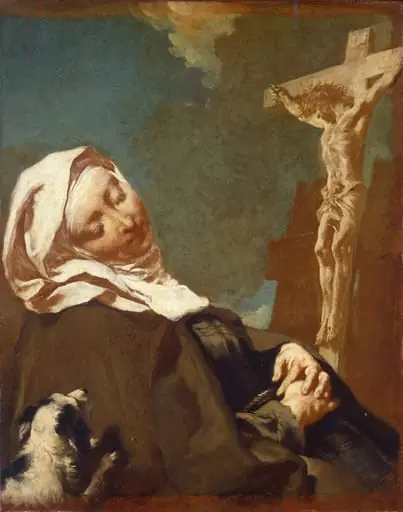
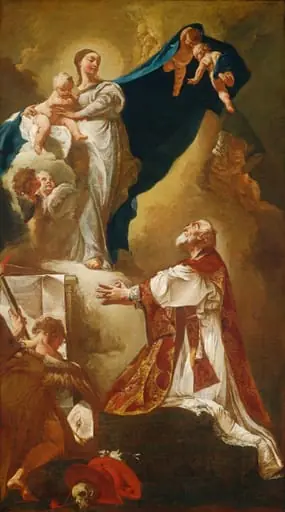
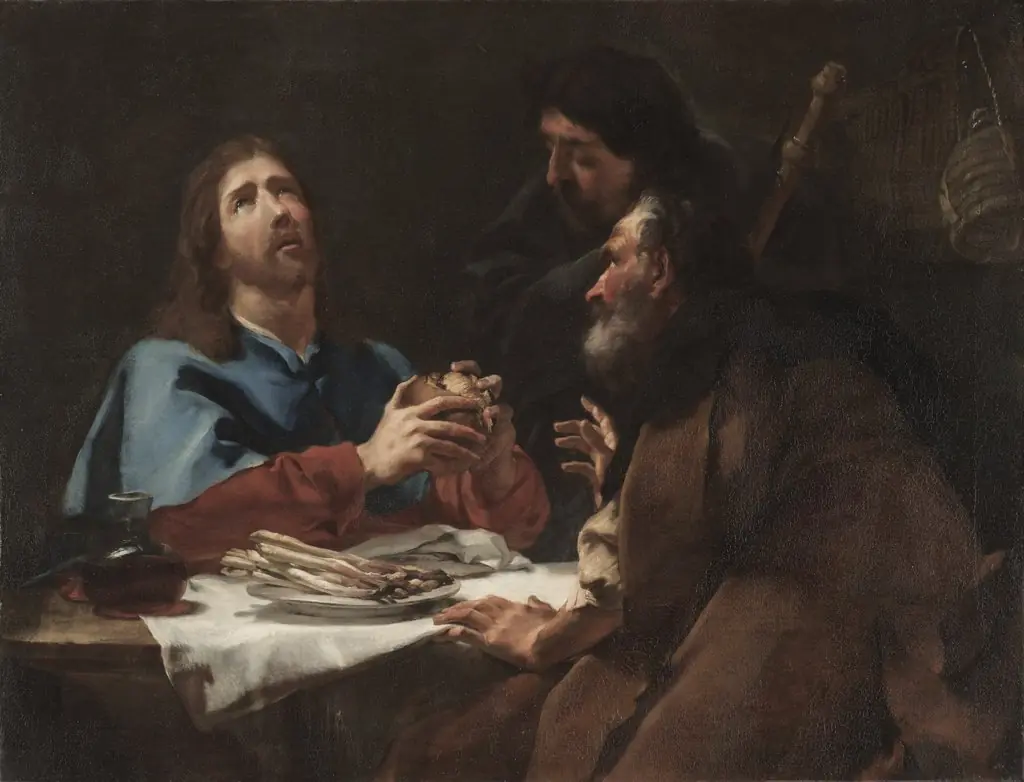
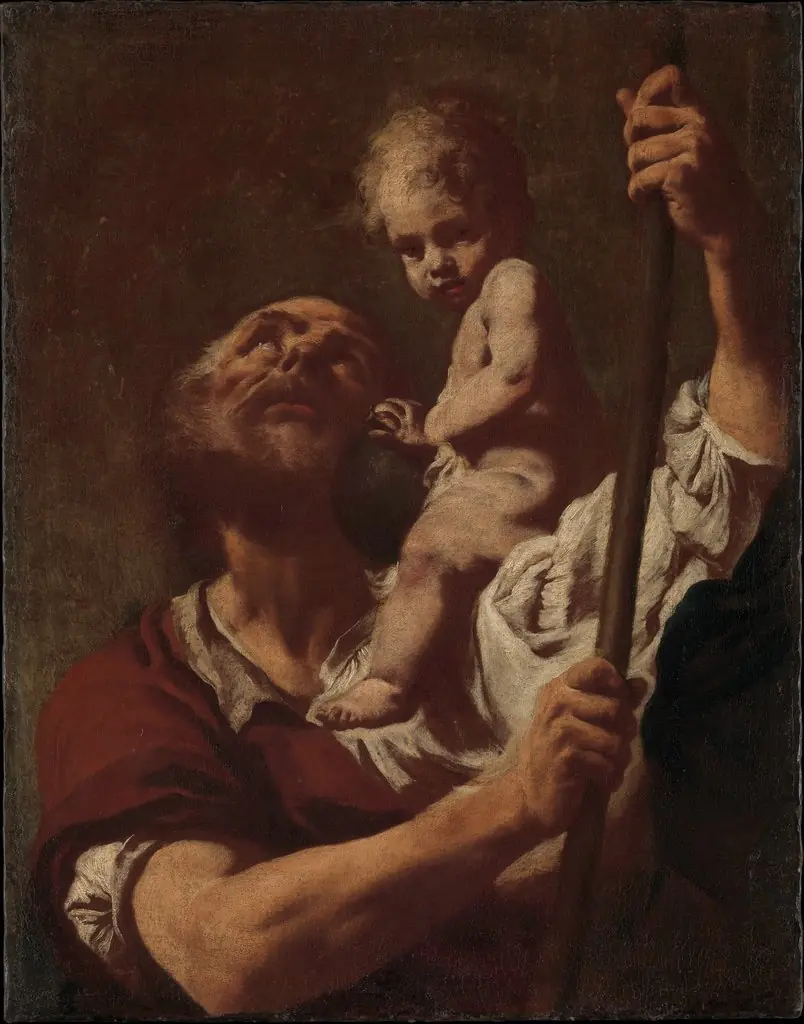
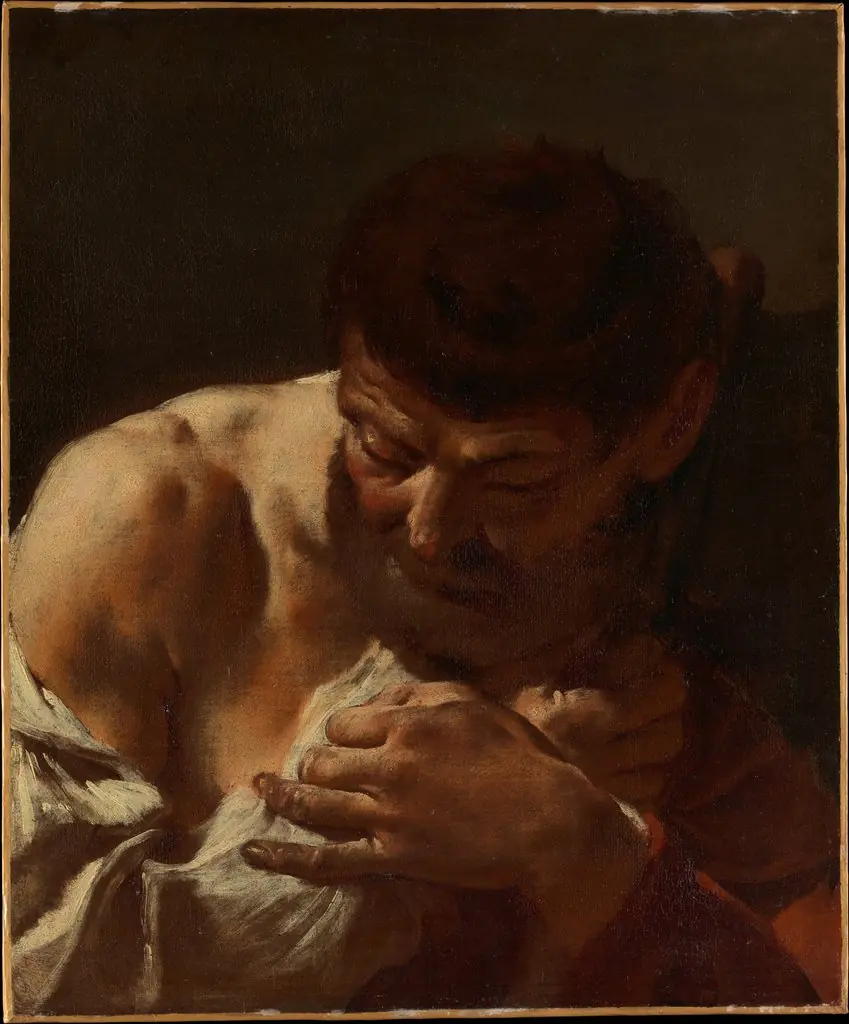
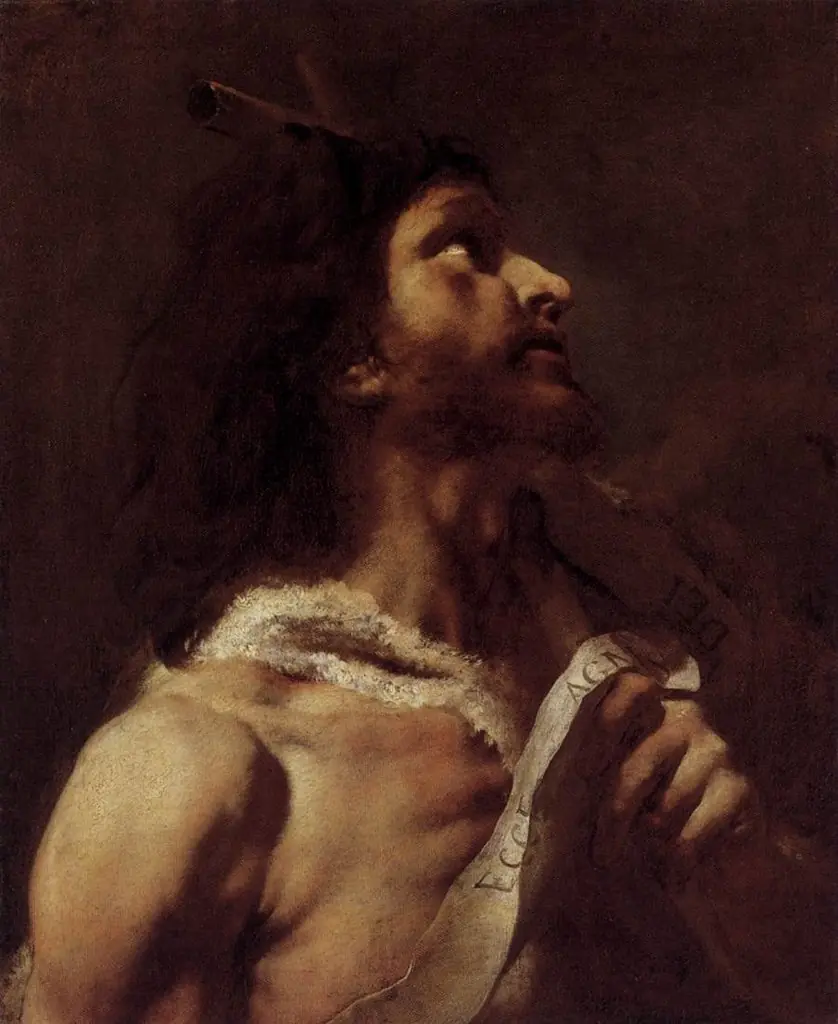
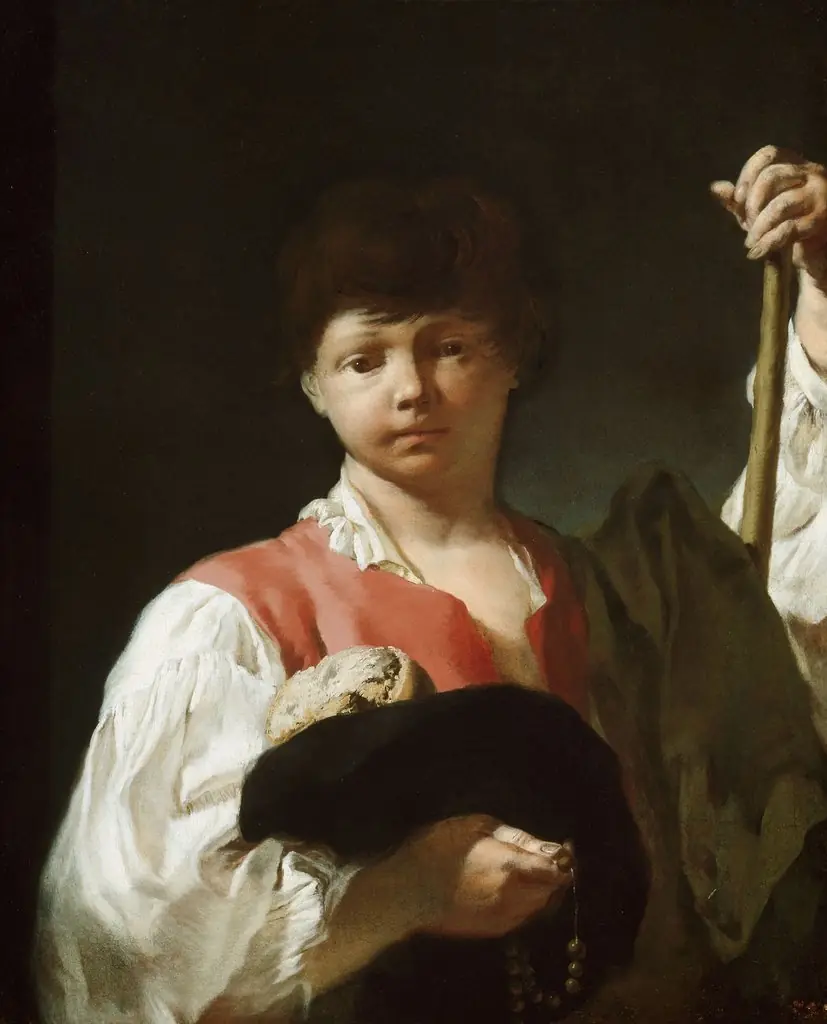
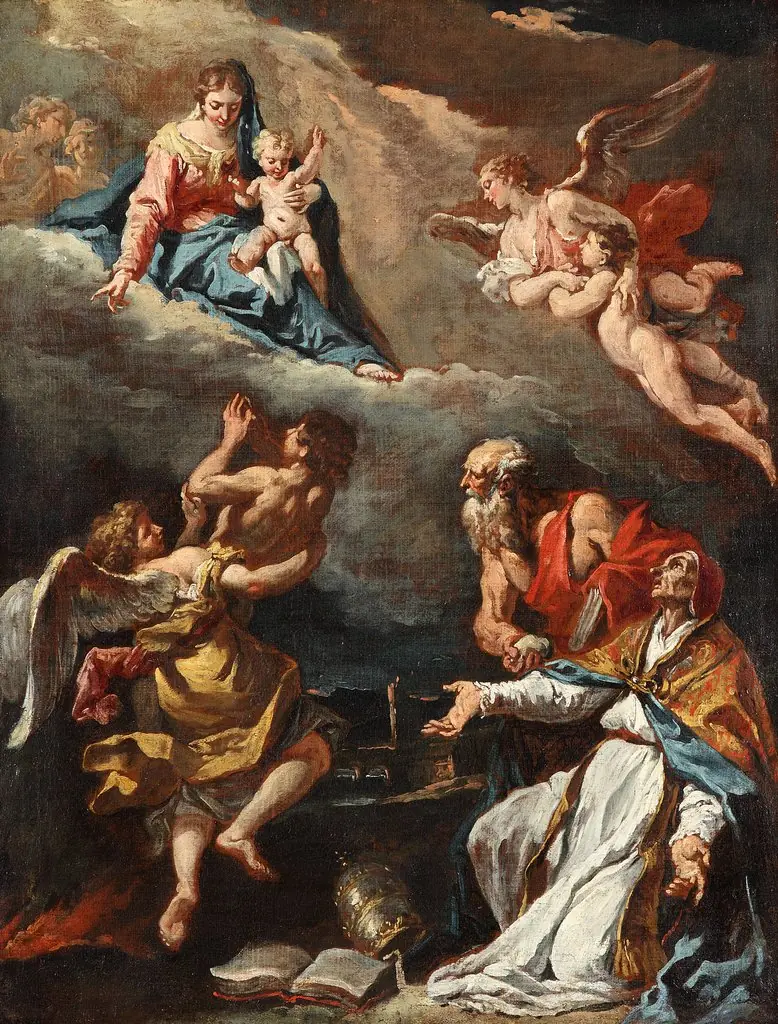 Die Fürbitte des Heiligen Gregor für die Seelen im Fegefeuer
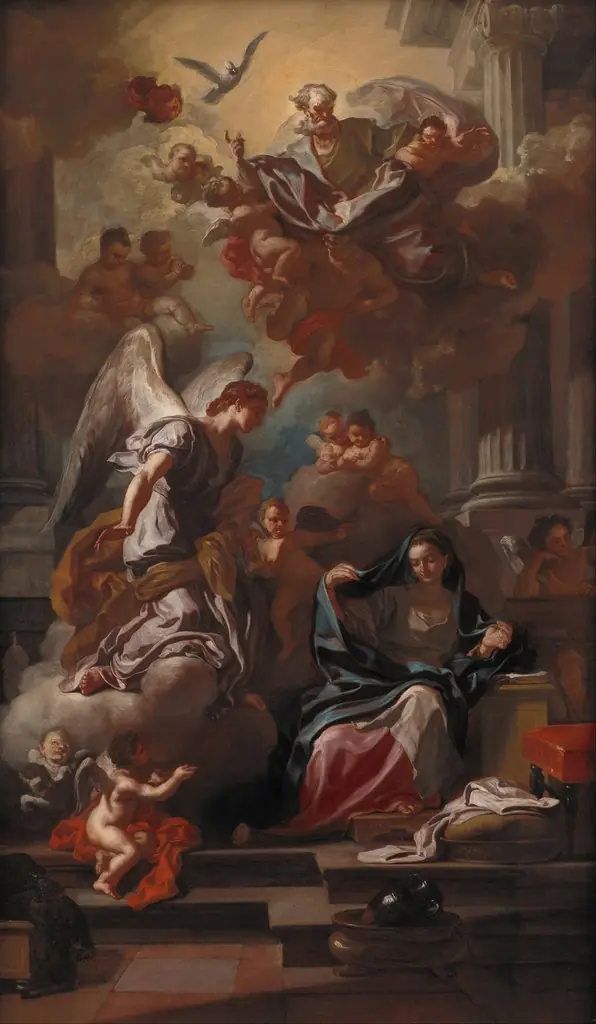 The Annunciation
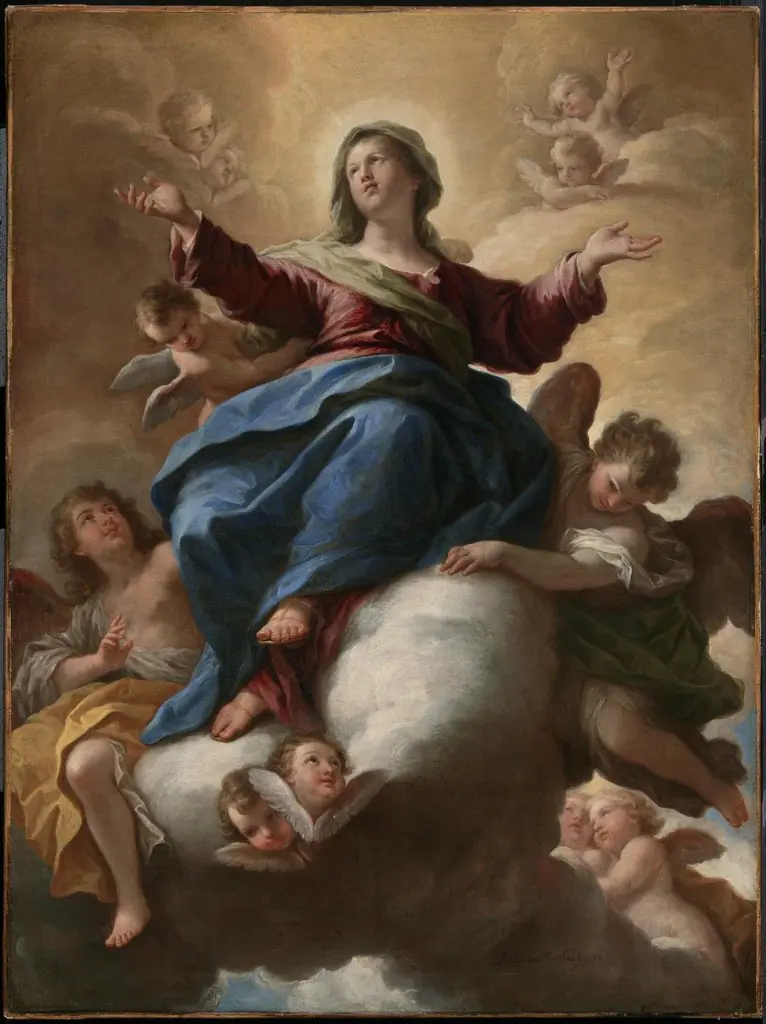 Assumption of the Virgin
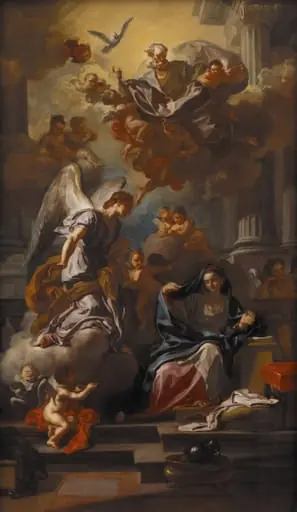 Bebudelsen
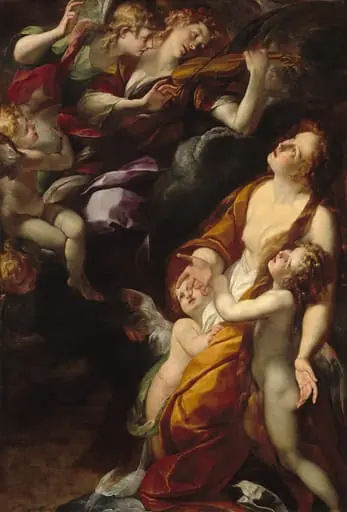 The Ecstasy of the Magdalen
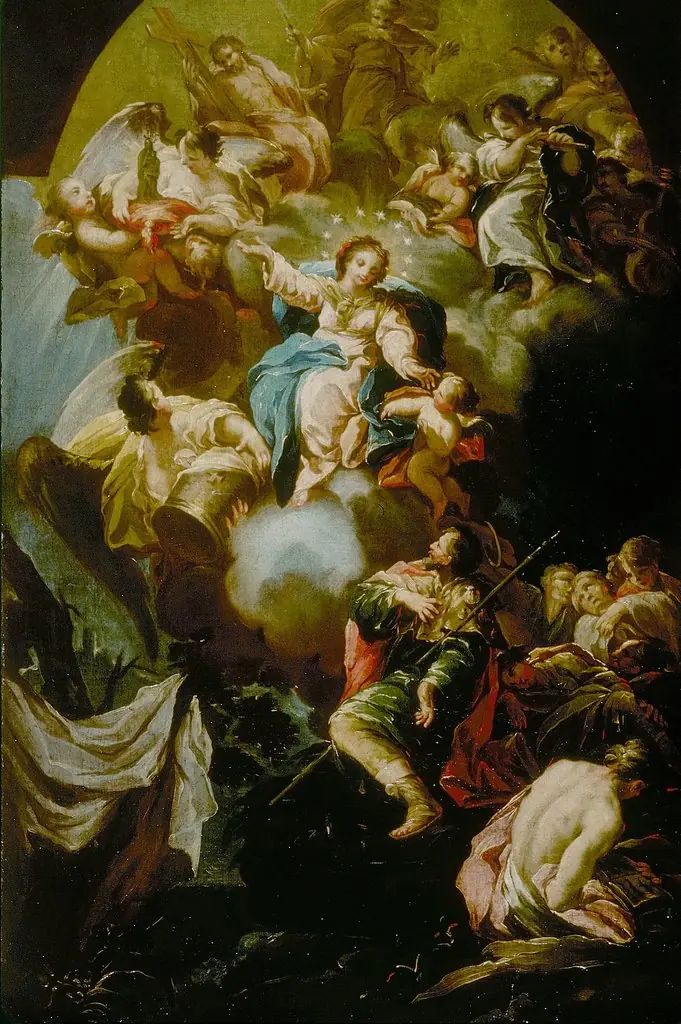 Saint Jame's Vision of the Virgin of the Pillar
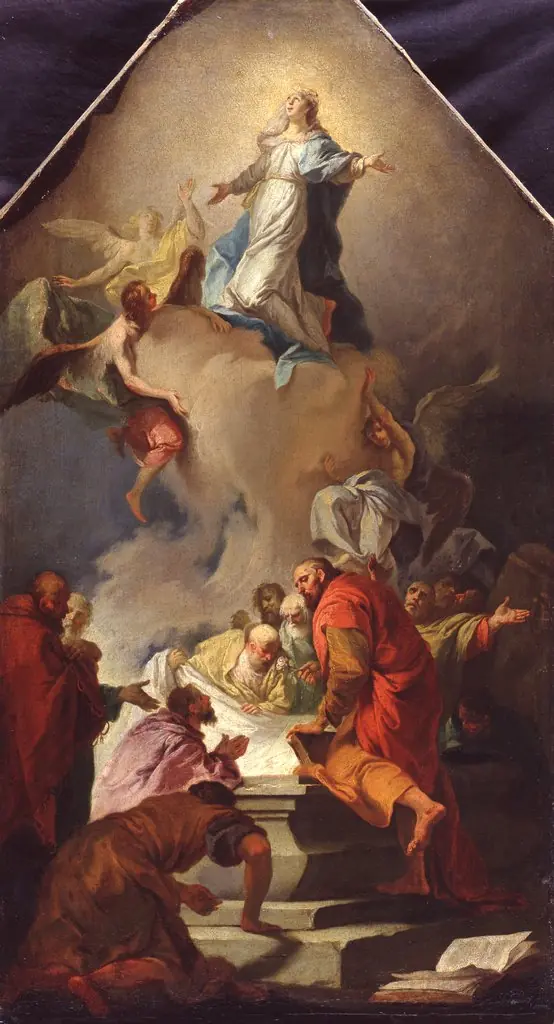 The Assumption of Mary
 The Glorification of Saint Dominic
 Annunciation
 La fuite en Egypte
 Time Unveiling Truth
 Allegory of the Immaculate Conception