Artwork
Tomb of Dante, Ravenna
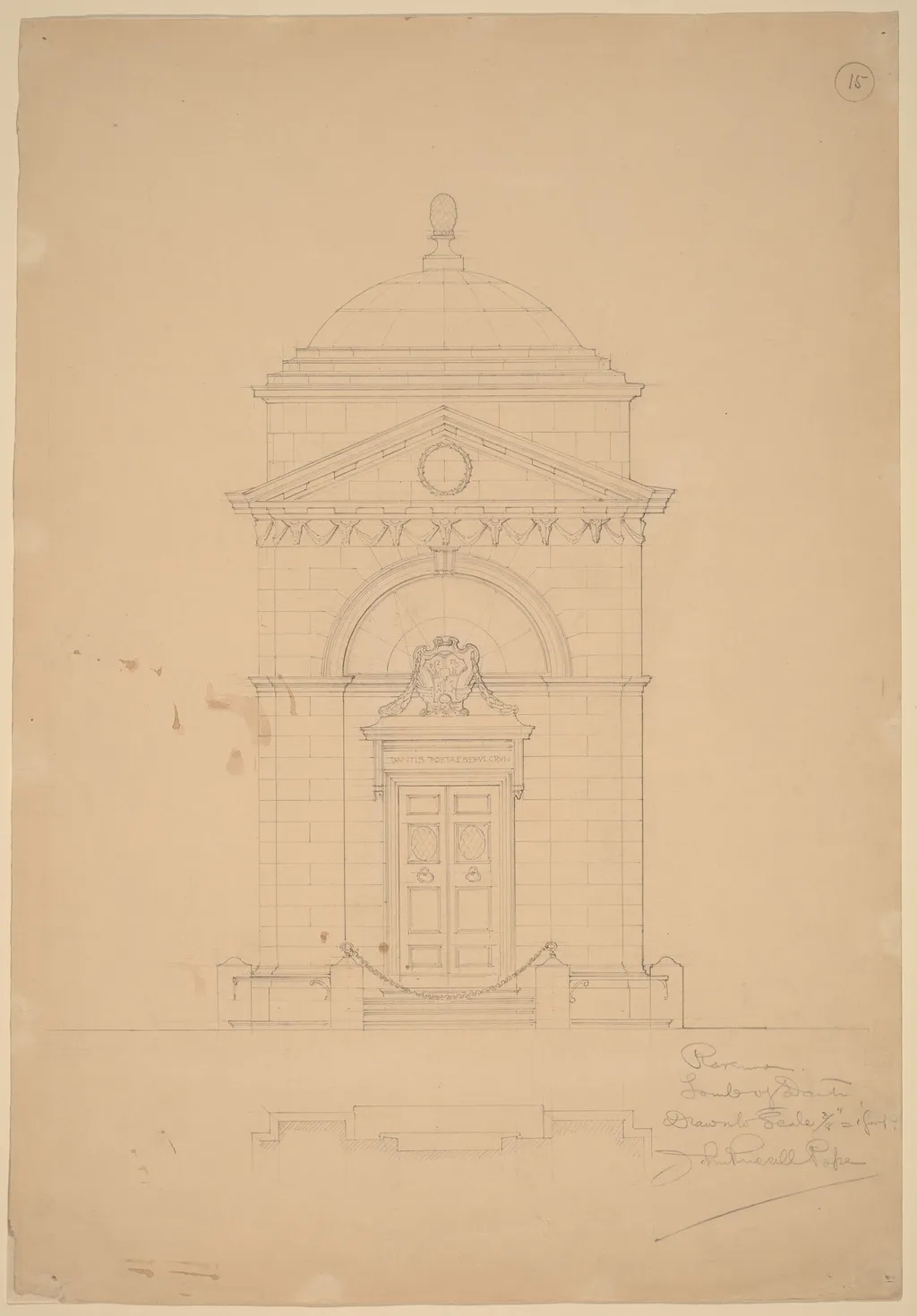
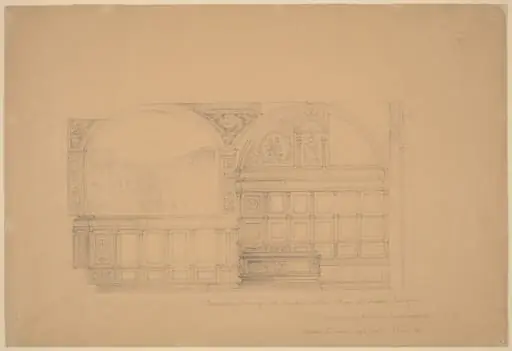
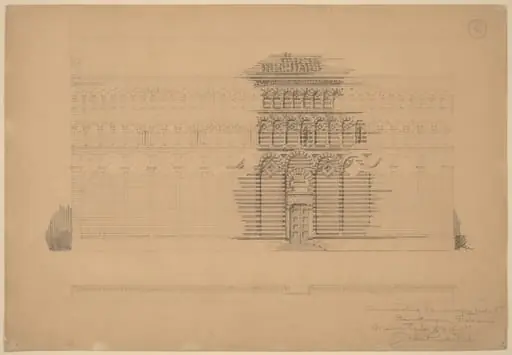
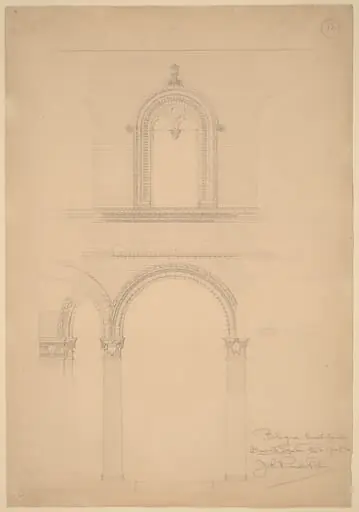
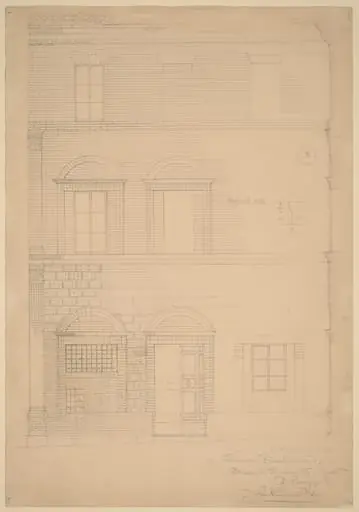
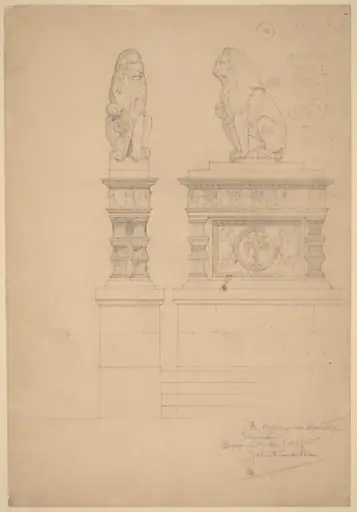
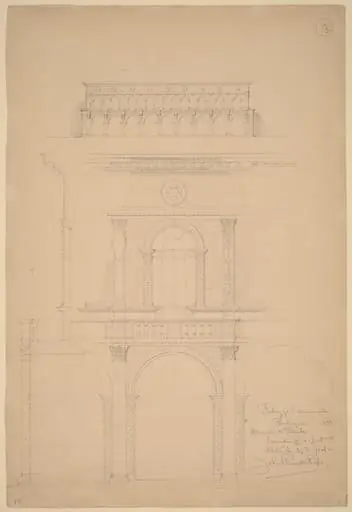
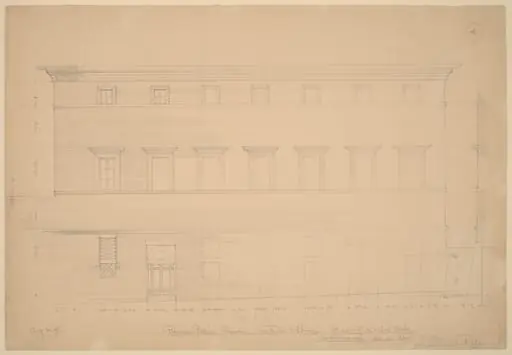
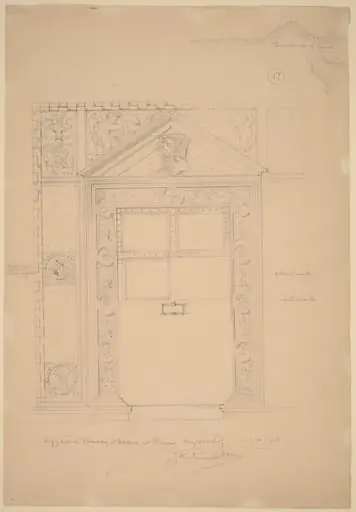
Tomb of Dante, Ravenna is a graphite drawing by the Impressionist artist John Russell Pope. It dates from 1898 and is held in the collection of the National Gallery of Art.
About this work
Overview
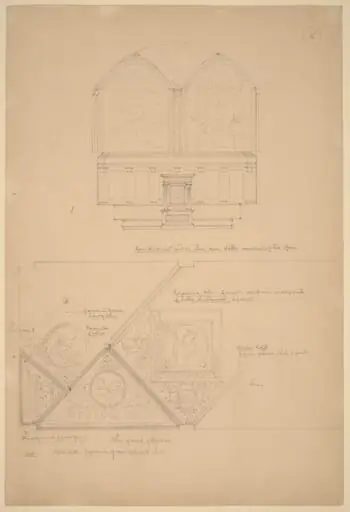
Created around 1898 by American architect John Russell Pope, this graphite drawing captures the tomb of Dante Alighieri in Ravenna. Rendered with precision and restraint, the work reflects Pope’s early engagement with Italian architectural forms during his studies abroad. The composition emphasizes quiet monumentality, focusing on the structure’s simplicity rather than theatrical embellishment.
Subject & Meaning
The drawing portrays Dante’s modest stone tomb, a site of pilgrimage for literary admirers. Figures gathered nearby suggest reverence, but their presence is subdued, reinforcing the solemnity of the location. The absence of grandeur in the architecture underscores the enduring cultural weight of Dante’s legacy, rather than any imperial or ecclesiastical glorification.
Technique & Style
Pope employed fine graphite lines and subtle tonal gradations to model form and depth. The use of chiaroscuro is restrained, creating soft contrasts that enhance the tomb’s solidity without dramatic intensity. The careful handling of light and shadow reveals his training in architectural draftsmanship, prioritizing clarity and structural accuracy over expressive flourish.
History & Provenance
This drawing was made during Pope’s formative years in Italy, likely as part of his architectural studies. It remained in private hands until acquired by a major American institution in the mid-20th century. Its survival as a personal sketch offers insight into the artist’s early interests, predating his later public commissions in the neoclassical style.
Context
In the late 19th century, American architects often traveled to Europe to study classical and medieval monuments. Pope’s depiction of Dante’s tomb aligns with this tradition, reflecting a broader fascination with Italy’s cultural heritage. The drawing is not a commission but a personal record, linking artistic practice to intellectual pilgrimage.
Legacy
Though not widely exhibited, the drawing remains a significant early example of Pope’s architectural sensibility. It illustrates how engagement with historical sites informed his later designs, including the Jefferson Memorial. As a quiet tribute to both poet and place, it endures as a document of cross-cultural admiration.
Artist & collection


![The Erectheum, West Elevation [left half], by John Russell Pope](https://artifactworldgallery.com/img/john-russell-pope--the-erectheum-west-elevation-left-half--10b9b48e87f30a0f-w320.webp)