Artwork
Bujori
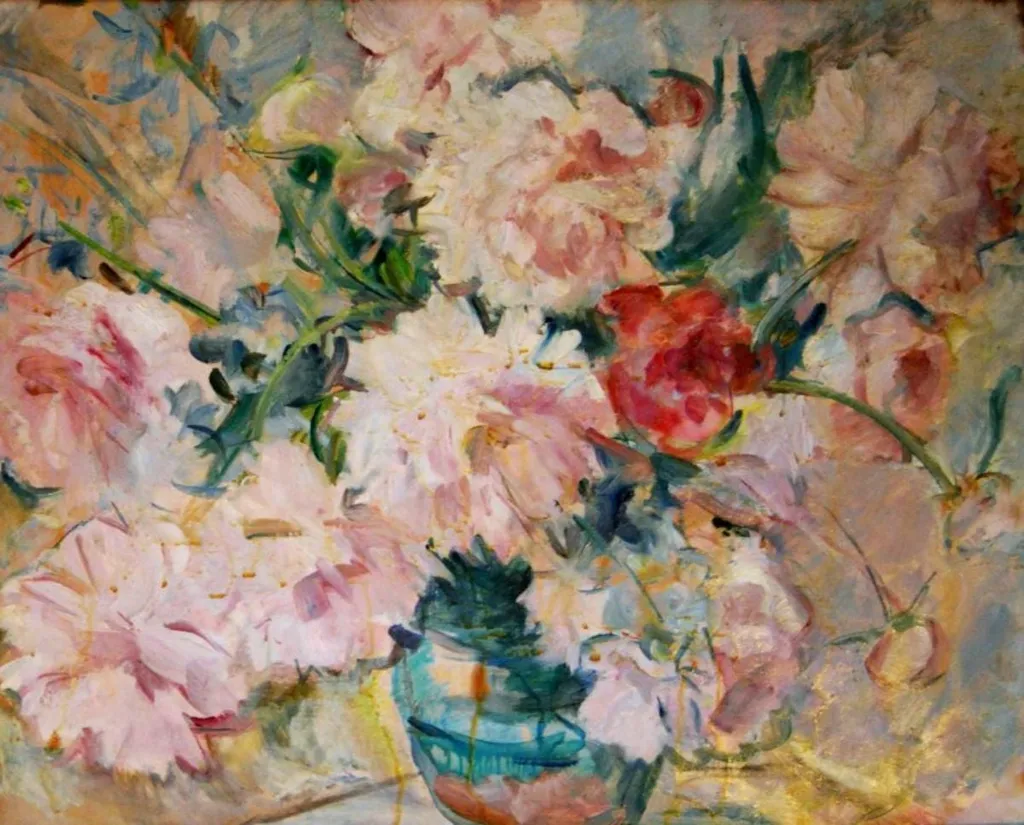
Bujori is an unspecified painting by Elena Popea. It dates from 1920 and is held in the collection of the Octavian Goga Memorial Museum.
About this work
Overview
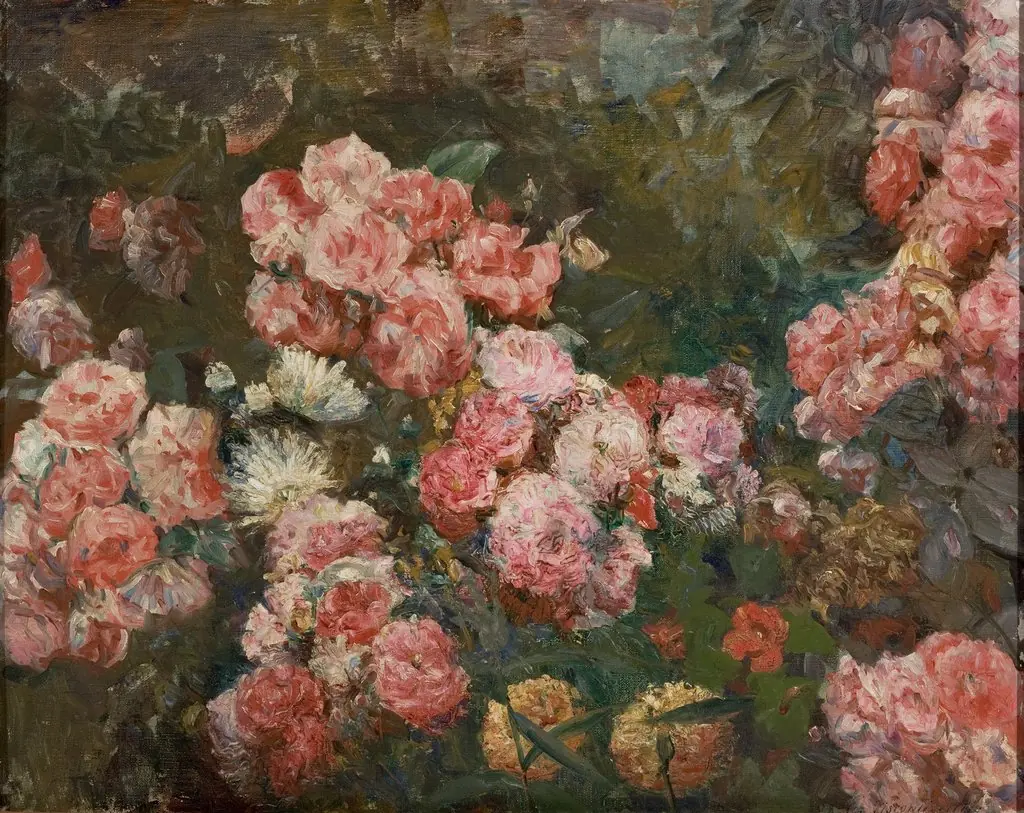
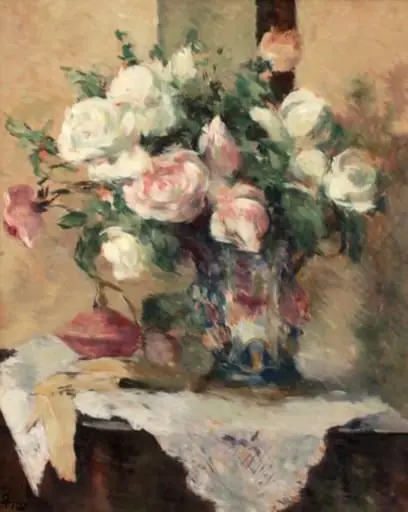
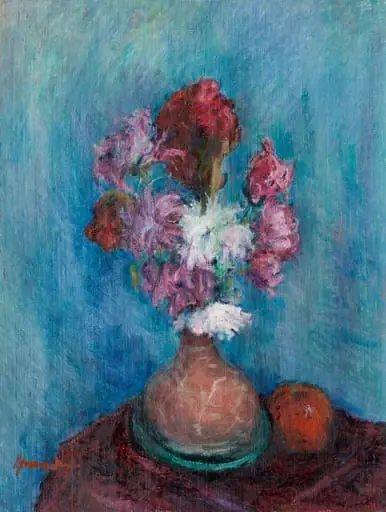
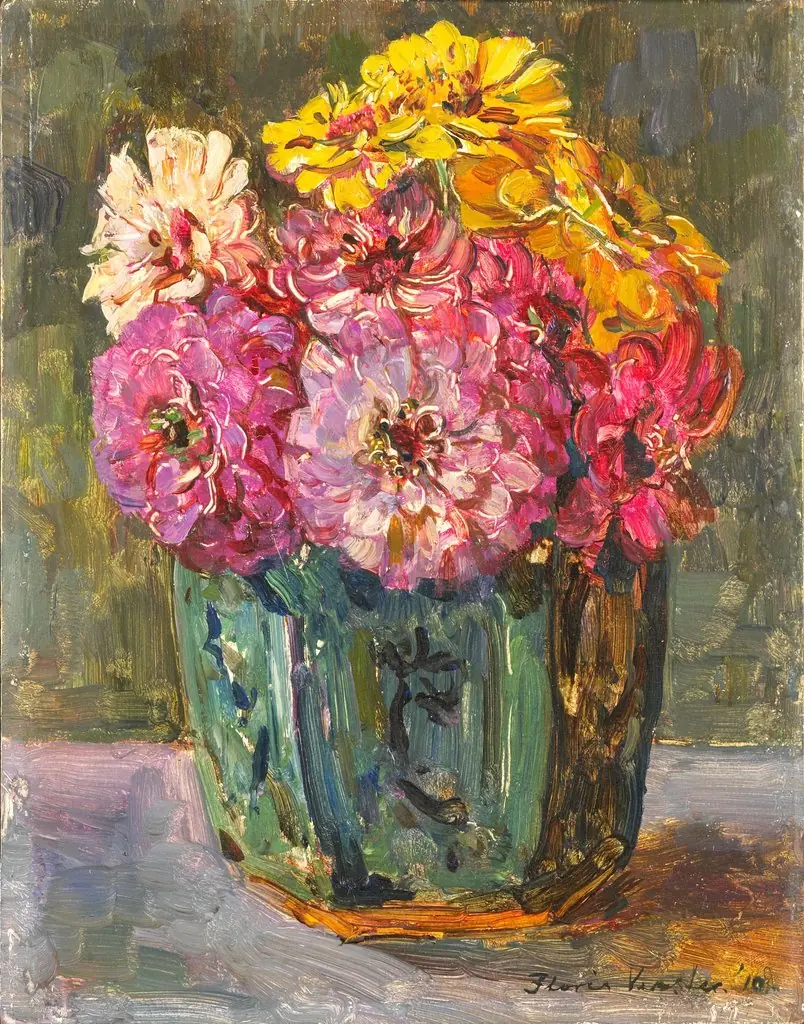
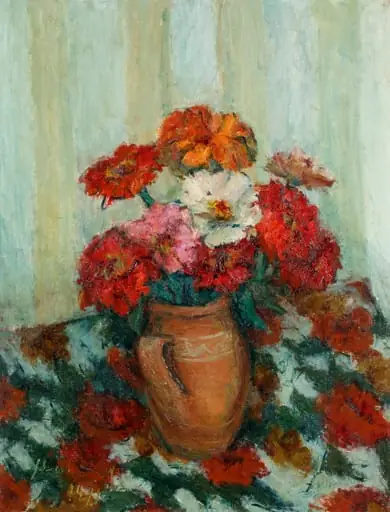
Created circa 1920 by Elena Popea, a Romanian painter of Austro‑Hungarian origin, *Bujori* presents a still‑life of peonies arranged in a light‑blue vase. The composition centers on the blossoms, rendered in pink and white tones against a subdued background that emphasizes their form and colour.
Subject & Meaning
The work focuses on a bouquet of freshly cut peonies, a motif Popea returned to throughout her career. By portraying the flowers in a relaxed, garden‑like arrangement, the painting suggests a fleeting, intimate moment of domestic observation, inviting contemplation of natural beauty within an interior setting.
Technique & Style
Popea employs a synthesis of early‑twentieth‑century currents, combining the loose brushwork of Impressionism with the heightened colour contrasts of Expressionism and occasional geometric simplifications reminiscent of Cubism. The soft, muted backdrop and decorative vase pattern provide a balanced stage for the vivid floral forms.
History & Provenance
The painting entered the collection of the Museum of Ethnography, where it remains on display. Its acquisition date is not recorded publicly, but the work has been documented as part of the museum’s holdings of Romanian modernist art, reflecting Popea’s recognized role in that period.
Context
During the 1920s, Romanian artists were engaging with broader European avant‑garde movements while exploring national themes. Popea’s choice of a domestic floral subject aligns with contemporary interests in everyday life, yet her stylistic blend situates the piece within the transnational dialogue of modernism.
Artist & collection
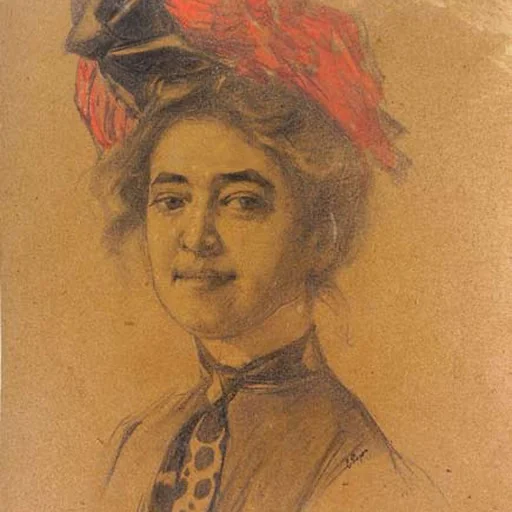
Artist
Elena Popea (15 April 1879, Brașov – 19 June 1941, Bucharest) was an Austro-Hungarian-born Romanian Modernist painter whose influences included Impressionism, Expressionism and Cubism.