Artwork
Regina Maria
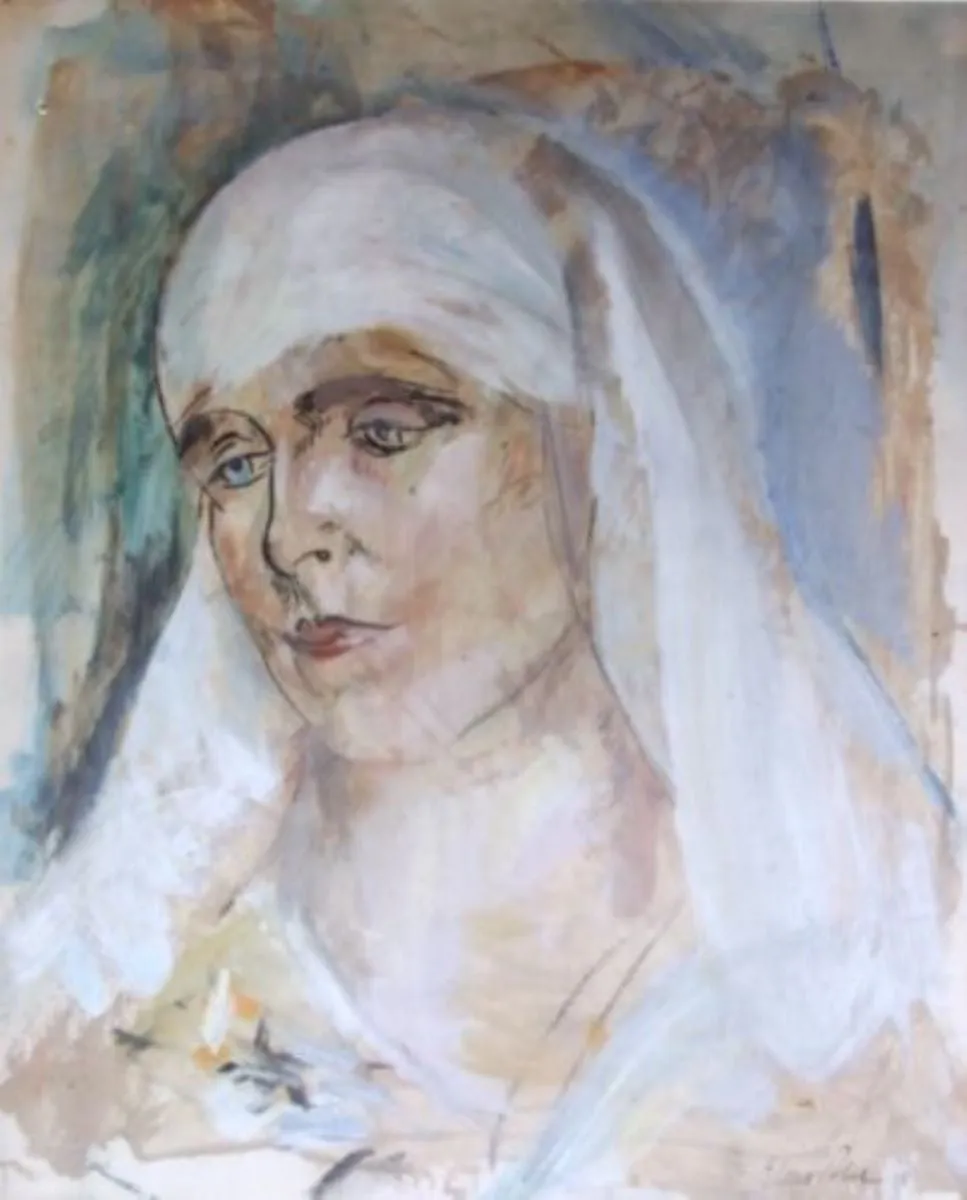
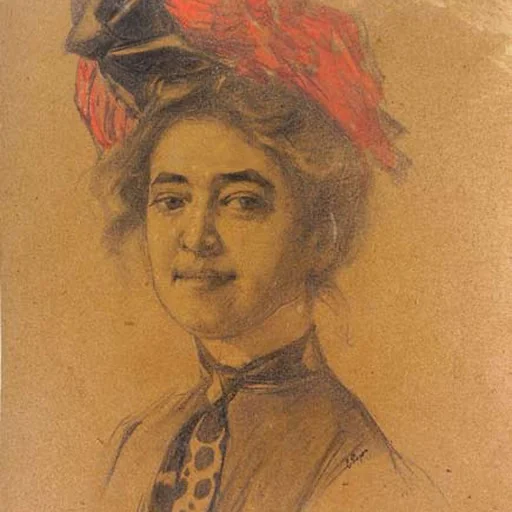
Regina Maria is an unspecified painting by Elena Popea. It dates from 1920 and is held in the collection of the Colecție particulară - Cluj.
About this work
Overview
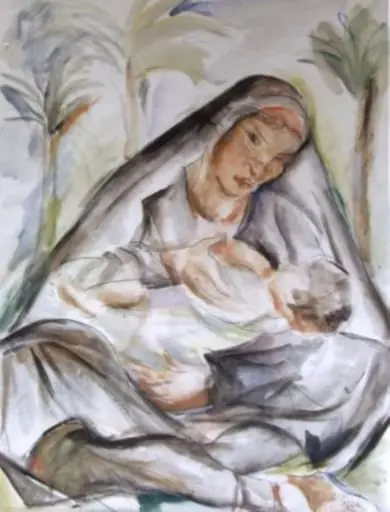
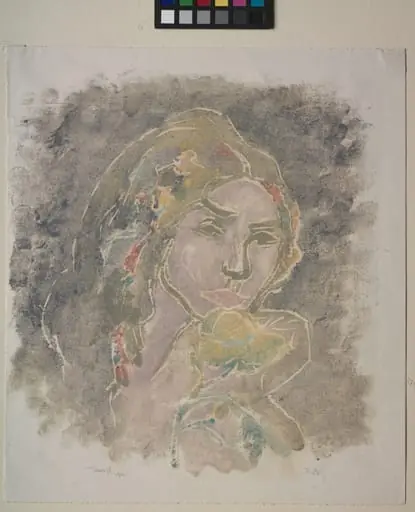
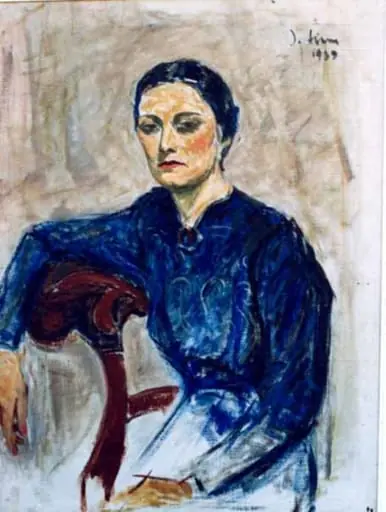
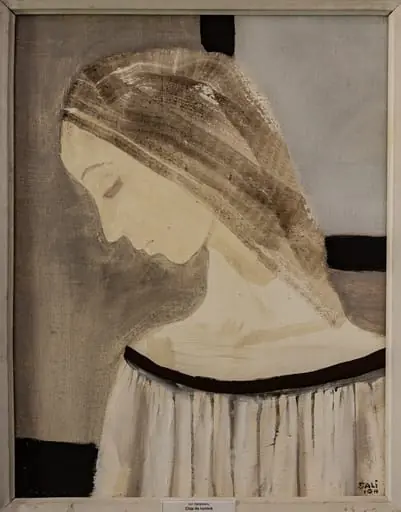
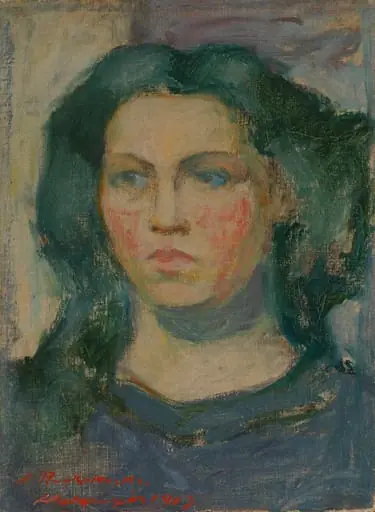
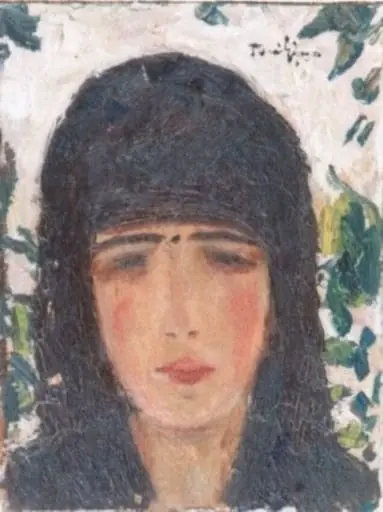
Regina Maria, created circa 1920 by Austro-Hungarian-born Romanian Modernist painter Elena Popea, is a portrait of a woman characterized by expressive, mixed lighting and loose brushwork. The piece is housed in the Museum of Ethnography.
Subject & Meaning
The subject, a woman with a serene yet weary expression, is portrayed with her head covered by a light cloth. Her calm eyes contrast with the implied fatigue, suggesting a nuanced psychological depth.
Technique & Style
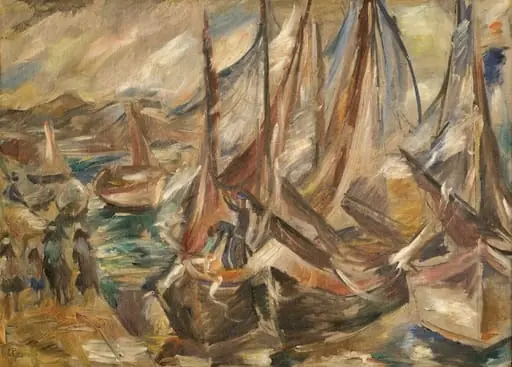
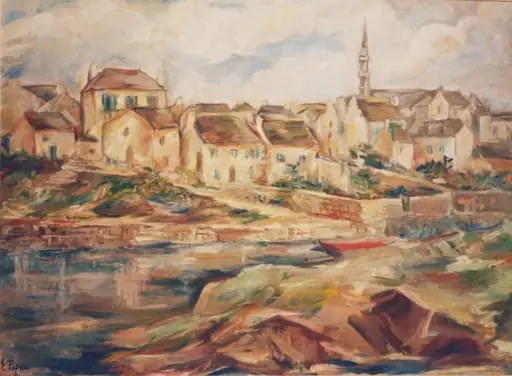
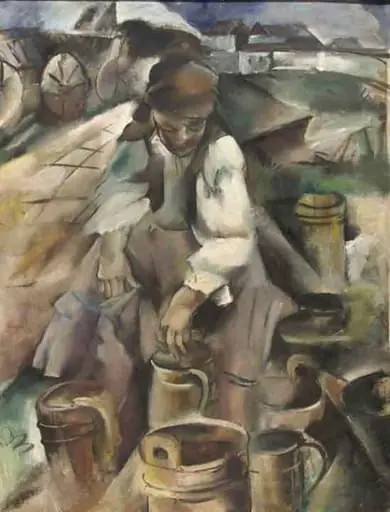
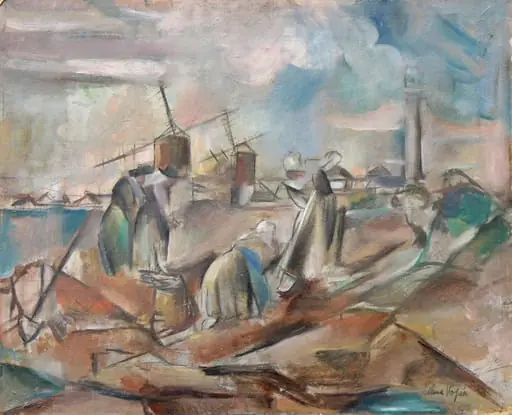
Popea employs a blend of Impressionist, Expressionist, and Cubist influences. The portrait features chiaroscuro lighting, accentuating the subject's cheekbones and forehead. Brushstrokes vary from smooth to rough and sketchy, indicating a potentially rapid execution.
History & Provenance
Created around 1920, Regina Maria is part of the Museum of Ethnography's collection. Specific details about its commission, initial reception, or previous ownership are not provided.
Context
Reflecting Popea's eclectic style, the work sits at the intersection of early 20th-century European art movements. The blurry, muted background (soft greens and browns) contrasts with the more defined, emotionally charged subject.
Artist & collection
Artist
Elena Popea (15 April 1879, Brașov – 19 June 1941, Bucharest) was an Austro-Hungarian-born Romanian Modernist painter whose influences included Impressionism, Expressionism and Cubism.